





Vintage Wooden Cutlery Carrier
These vintage wooden cutlery carrier options offer practical storage with rustic charm, built for everyday utility across country houses and rural kitchens.
Vintage Wooden Cutlery Carrier
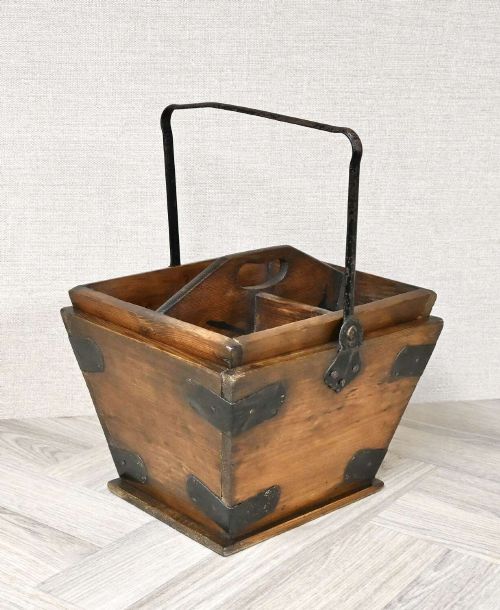
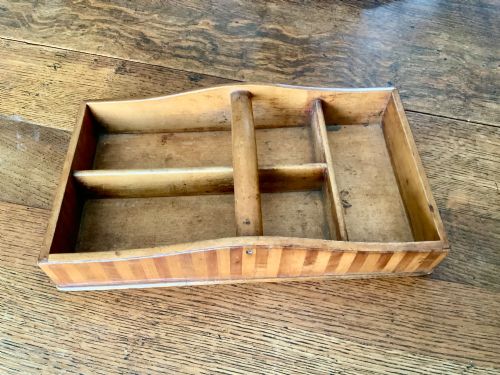
A vintage wooden cutlery carrier serves to organise and transport flatware or kitchen implements, taking forms such as trays, caddies, trrugs and work boxes. Buyers searching for a vintage wooden cutlery carrier will find pieces spanning the Georgian, Victorian and Edwardian eras, alongside late nineteenth and early twentieth century examples.
The domestic and working origins of these pieces shape their forms, ranging from housekeeper carries and butler's trays to costermonger's trugs and rustic garden carries. Welsh vernacular and Scandinavian country styles appear frequently alongside English country kitchen items.
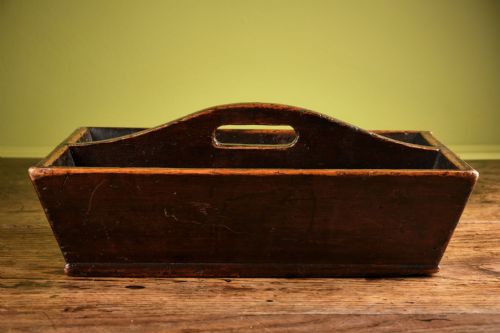
Pine, oak, mahogany, fruitwood and sycamore form the primary timbers utilised in these carriers. Many pieces feature traditional compartment layouts designed to hold knives, forks and spoons securely during transit between kitchen and dining spaces.
Materials and construction
Makers utilised solid native timbers including oak, pine, fruitwood, sycamore and mahogany to build these carriers. Joinery methods relied on sturdy construction techniques suitable for daily domestic or outdoor labour.
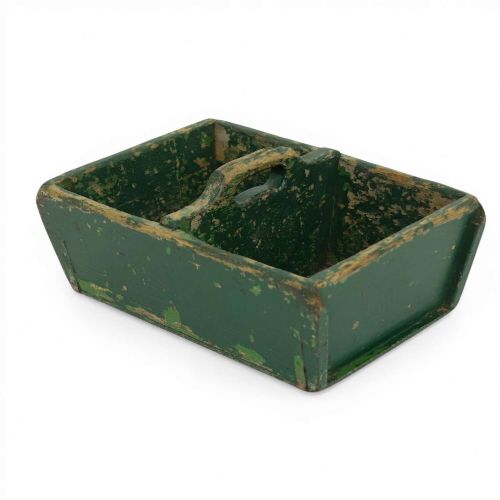
Surfaces frequently show the natural grain of the wood, sometimes enhanced by early paint finishes or simple wax polishes. Brass handles or fittings occasionally appear on formal butler's trays and work boxes to aid lifting.
Vintage Wooden Cutlery Carrier Retail Price Guide 2026
Typical asking prices for vintage wooden cutlery carrier among the pieces listed under this phrase on Sellingantiques today, from the lower quarter to the upper quarter. They describe what is for sale here now, not the wider market.
The selection spans pieces from the Georgian, Regency, Victorian, Edwardian and late nineteenth-century periods.
Evaluating quality and character
The integrity of the timber joints and the retention of original surface patination distinguish finer examples from standard utility items. Robust construction intended for heavy work, such as artisan trugs or housekeeper carries, demonstrates practical craftsmanship.
Subtleties in timber selection, such as figured mahogany or well-chosen fruitwood, elevate particular pieces above standard pine vernacular items. Evidence of honest wear through daily use contributes to the historical character of each carrier.
The Vintage Wooden Cutlery Carrier Glossary
- Trug
- A shallow wooden basket or tray traditionally used for gathering garden produce or carrying household tools. They often feature a sturdy bentwood handle or a solid central divider.
- Butler's tray
- A portable wooden tray, frequently made of mahogany or oak, designed for serving drinks or transporting cutlery in formal households. These often lift out from a folding or stationary stand.
- Vernacular
- Architecture or object design created using local traditions and materials rather than formal academic styles. Welsh and Scandinavian country pieces often display these regional traits.
- Work box
- A container outfitted for domestic tasks such as sewing or housekeeping management. Examples in this category often double as cutlery carriers or utility carries.
Vintage Wooden Cutlery Carrier: Frequently Asked Questions
What were wooden cutlery carriers used for?
These carriers transported knives, forks and spoons from the kitchen to the dining table or served as general utility boxes for household tasks. Domestic staff relied on them to keep flatware organised and portable.
Today, they function well on sideboards for holding cutlery during meals or organising desk accessories and kitchen condiments.
How do I date a wooden cutlery carrier?
Dating relies on identifying the timber species, construction methods and wear patterns characteristic of specific periods like the Georgian or Victorian eras. Mahogany and fine dovetailing often point to earlier, formal pieces.
Rustic pine and simpler lap joints typically align with nineteenth-century vernacular or Scandinavian country traditions.
Are these carriers made from solid wood?
Makers constructed these pieces using solid timbers such as oak, pine, mahogany, fruitwood and sycamore. Regional workshops depended on locally available hardwoods and softwoods.
Solid construction ensured the carriers could withstand the daily strain of heavy utensils and frequent movement.
How should I clean a vintage carrier?
Maintain the surface by dusting with a dry cloth and occasionally applying a mild beeswax to nourish the dry timber. Avoid harsh liquid cleaners that can strip original patination or damage historic paint.
Keep wooden carriers away from direct heat sources and excessive moisture to prevent the wood from warping.