


Antique Mahogany End Tables
Antique mahogany end tables bring rich timber tones and compact function to a room, offering enduring utility across Georgian, Edwardian, and later twentieth-century forms.
What antique mahogany end tables are
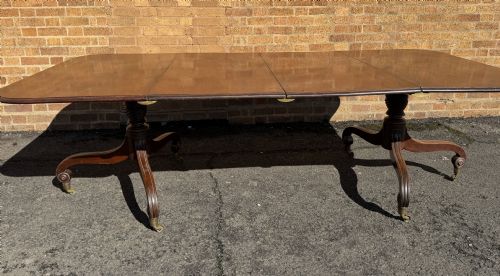
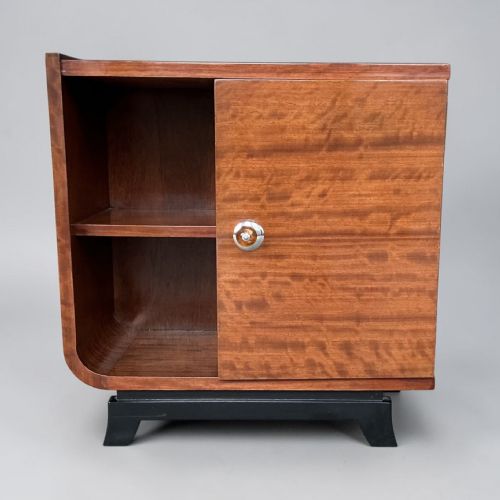
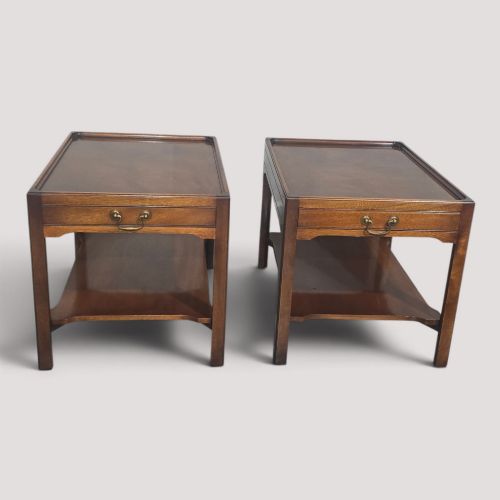
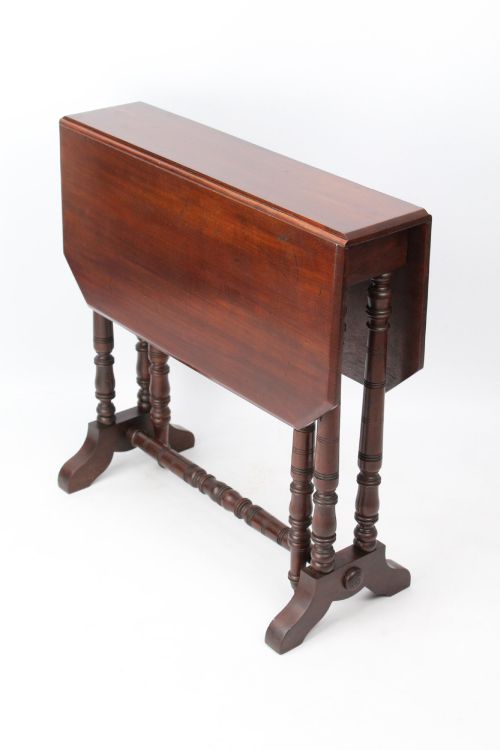
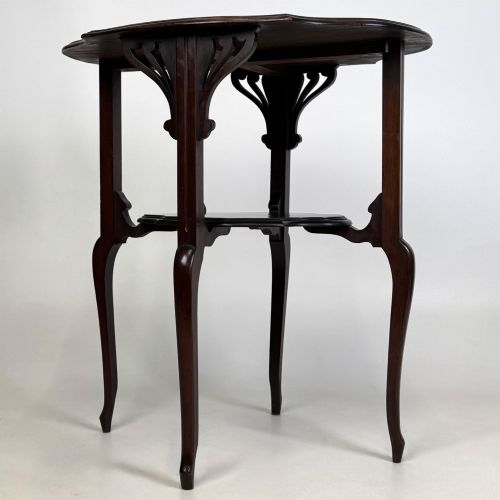
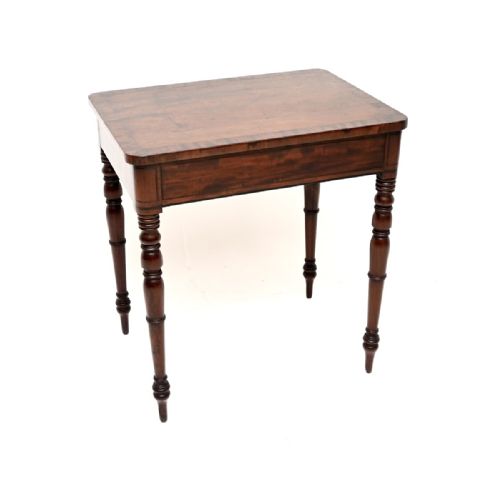
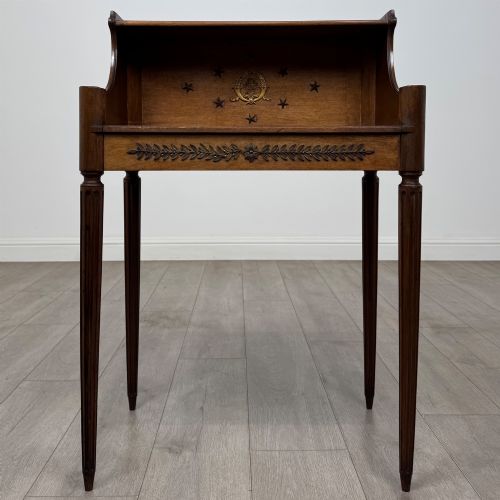
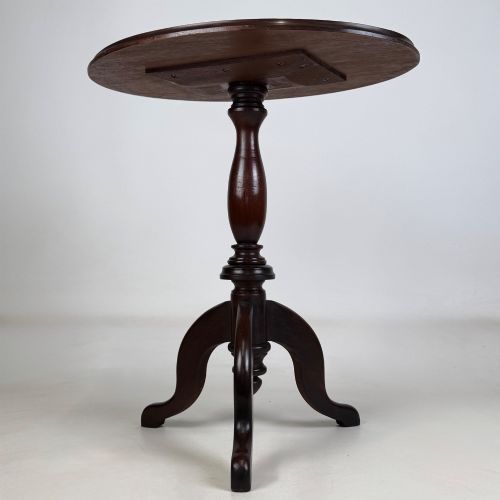
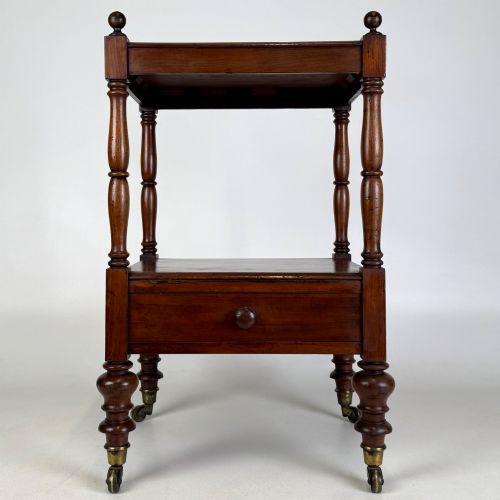
Antique mahogany end tables encompass versatile side tables, lamp tables, console tables, and nested sets designed for practical placement beside seating or along walls. These pieces emerge in Georgian, Regency, Edwardian, and later 1920s iterations, frequently appearing in matched pairs. The forms span circular nesting tables, square lamp tables, and D-end consoles that divide or stand alone.
Edwardian and Chippendale styles dominate the available selection, reflecting traditional cabinet-making preferences for rich brown timber. Buyers encounter nests of four or five tables alongside sturdy single and paired lamp tables. The variety bridges intimate sitting room requirements and grander hallway placements.
How they were made
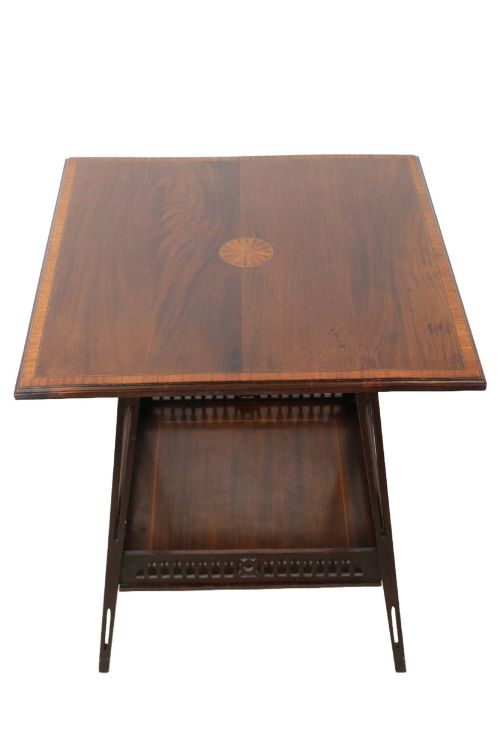
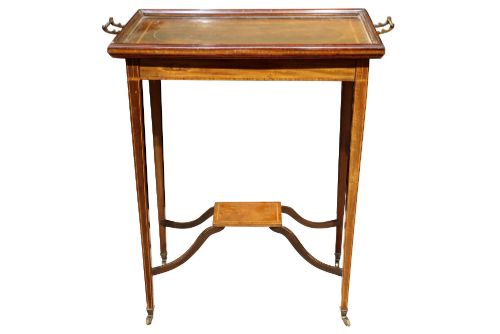
Makers utilised solid mahogany and brass hardware, occasionally incorporating boxwood stringing for subtle linear contrast. Timbers were selected for deep grain patterns and stability, shaped into circular tops, rectangular lamp surfaces, and curved D-end console formats.
Construction techniques involve traditional joinery suited to supporting everyday items like lamps and books. The integration of brass fittings and inlaid boxwood details demonstrates period craftsmanship focused on durability and refined surface decoration.
Retail Price Guide 2026
Typical UK retail prices for mahogany end tables, calculated from the Sellingantiques database of over a million retail prices indexed since 2003. This retail price guide relies exclusively on Sellingantiques data; no external sources or auction records are used, so the figures do not describe the wider market.
Listings feature mahogany, brass, and boxwood across pieces spanning the Georgian era, the Edwardian period, and the 1920s.
What varies in quality
Quality rests in the depth of the mahogany timber grain, the precision of boxwood inlay, and the integrity of structural joints across the Edwardian and Chippendale styles. Finer examples display harmonious proportions in paired sets and careful matching of wood figure across circular and D-end table tops.
The sophistication of brass mounts and the crispness of carved details distinguish standard production from superior pieces. Consistency within matched pairs of side and lamp tables elevates the overall character of the furniture.
The Antique Mahogany End Tables Glossary
- Mahogany
- A durable tropical hardwood prized for its reddish-brown colour and fine grain. It forms the primary structural and visual material across these tables.
- D-end
- A semi-circular table end shape designed to stand flat against a wall or combine with other sections. This configuration appears frequently in Georgian console designs.
- Nest of tables
- A set of graduated tables designed to fit neatly beneath one another when not in use. Edwardian makers produced these in sets of four or five.
- Boxwood
- A pale, dense wood utilised for fine stringing and inlay work. It provides sharp contrast against dark mahogany surfaces.
- Chippendale style
- A furniture design tradition characterised by classical proportions and carved decorative elements. Pieces in this style reflect eighteenth-century aesthetic ideals.
Frequently Asked Questions
How were antique mahogany end tables used?
These tables served primarily as convenient surfaces for lighting, reading materials, and decorative objects in principal rooms. Nests of tables provided flexible staging for tea or guests.
Console and D-end variants stood against walls or formed larger dining arrangements when paired together in Georgian interiors.
What styles are common for these tables?
Edwardian and Chippendale styles appear frequently among the listings, alongside Georgian and Regency influences. These styles dictate the leg shapes, edge profiles, and decorative stringing.
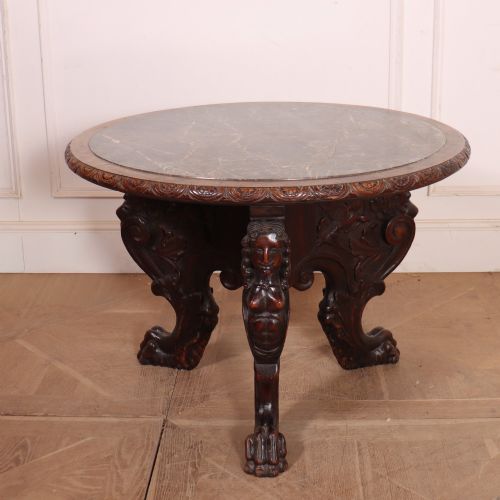
Buyers find both ornate carved details and cleaner Edwardian lines suited to diverse interior schemes.
Are pairs common among these tables?
Many listings feature matching pairs of lamp tables, side tables, and D-end console configurations. Cabinet-makers originally produced these to balance symmetry in formal rooms.
Finding matched pairs remains a key feature for buyers seeking cohesive placement on either side of a fireplace or sofa.
How do I care for mahogany surfaces?
Maintain the timber by keeping tables away from direct heat sources and strong sunlight to prevent fading. Regular dusting with a soft, dry cloth preserves the finish.
Avoid silicone-based polishes and excessive moisture to protect the natural grain and historic polish of the mahogany.