



Antique Mahogany Bank Drawers
These antique mahogany bank drawers offer serious functional storage, bringing warmth and enduring utility to any interior.
Antique Mahogany Bank Drawers
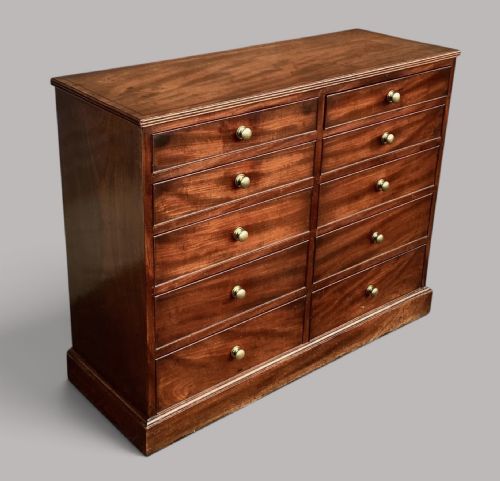
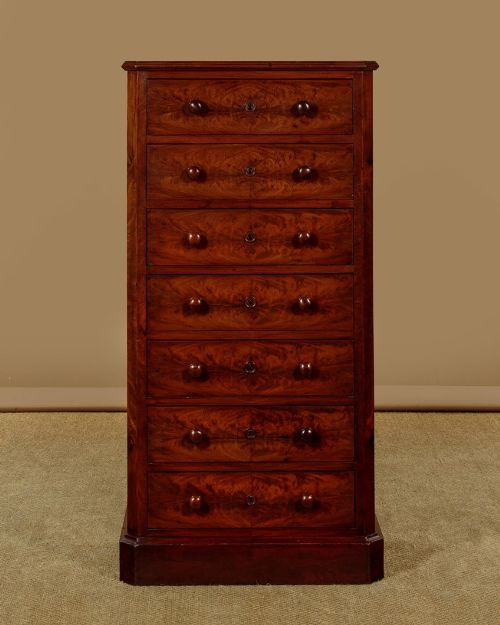
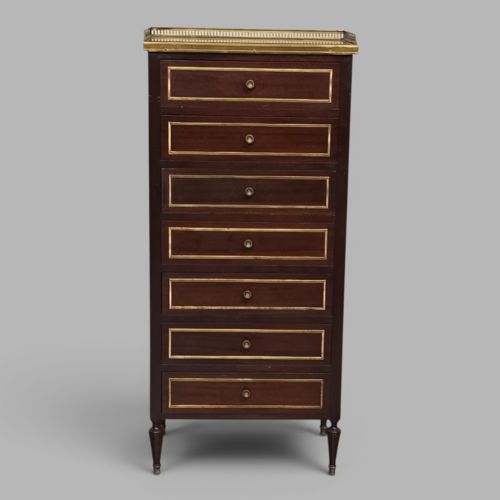
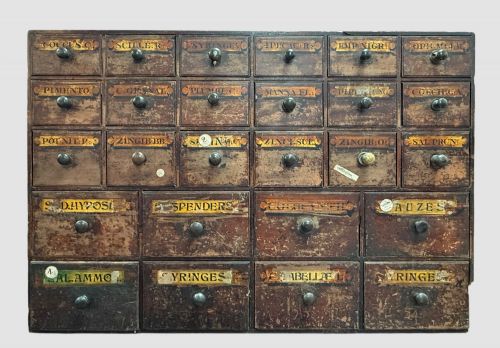
When you search for antique mahogany bank drawers, you find multi-drawer cabinetry originally built for commercial, apothecary, or workshop use. These pieces range from narrow configurations and chemist cabinets to larger filing units and drapers counters.
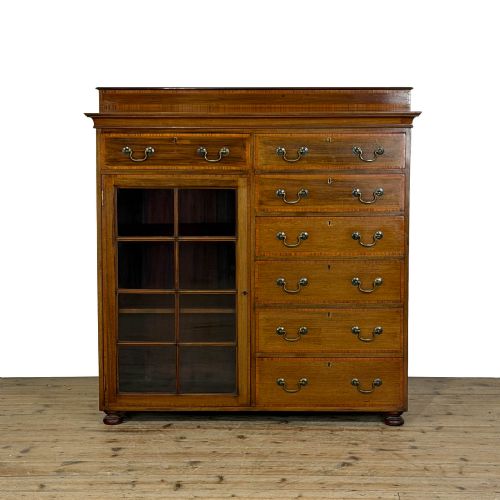
The pieces on this page span the Georgian, Victorian, and Edwardian eras, alongside industrial and commercial pieces from the 1920s. You encounter various forms, including traditional chests of drawers, collectors cabinets, and specialised letter files.
How they were made
Craftsmen built these cabinets primarily using solid mahogany and flame mahogany veneer, often backed or supported by secondary woods such as pine. Structural integrity relied on robust timber framing designed to withstand heavy daily use in commercial environments.
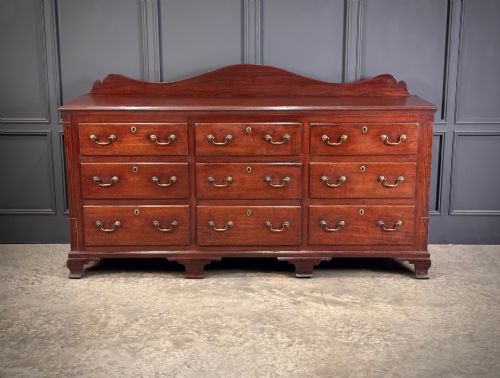
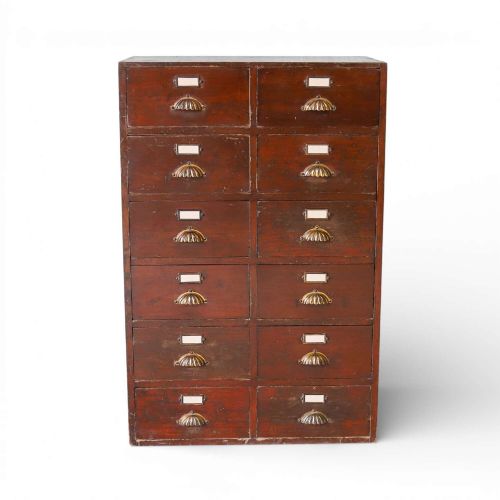
Hardware played an essential functional role, incorporating brass drop handles, original shell pulls, and metal label holders. Specialised mechanical elements, such as locking mechanisms and patented filing systems, appeared on specific commercial pieces.
Antique Mahogany Bank Drawers Retail Price Guide 2026
Typical asking prices for mahogany bank drawers among the pieces listed under this phrase on Sellingantiques today, from the lower quarter to the upper quarter. They describe what is for sale here now, not the wider market.
Many drawers still retain tiny paper fragments wedged behind their brass label holders, left by clerks a century ago.
What varies in quality
Quality rests in the grade of timber selected for the facade, where choice flame mahogany veneers display superior grain figure compared to plain secondary woods. The fidelity of original brass hardware and label holders also elevates a piece.
Construction methods determine durability, distinguishing workshop items built for pure utility from finer domestic pieces displaying refined proportions and cabinetmaking joinery.
The Antique Mahogany Bank Drawers Glossary
- Mahogany
- A durable tropical hardwood prized for its rich reddish-brown colour and stable grain. It served as the primary material for fine furniture and commercial cabinetry throughout the Georgian and Victorian periods.
- Flame mahogany veneer
- A thin slice of timber cut from the point where branches join the main trunk, creating a distinctive flickering flame pattern. Cabinetmakers applied this to drawer fronts for visual impact.
- Label holder
- A small metal frame fixed to a drawer front to hold a paper card describing the contents. These fittings were essential in apothecaries, banks, and offices.
- Shell pull
- A stamped brass handle shaped like an inverted shell, common on nineteenth-century filing and apothecary drawers. They allow a secure grip when pulling heavy, loaded drawers.
- Collectors cabinet
- A specialised piece of furniture featuring numerous shallow drawers designed to house botanical specimens, coins, or minerals. These cabinets often incorporate secure locking doors.
Antique Mahogany Bank Drawers: Frequently Asked Questions
What were bank drawers originally used for?
These multi-drawer units served in commercial establishments, banks, and apothecary shops for organising paperwork, small goods, and medicinal ingredients. Their numerous compartments kept dense inventories sorted and accessible for daily trade.
Over time, businesses replaced these modular wooden systems with modern steel and digital alternatives, releasing them into the decorative antiques market.
How do I distinguish Georgian pieces from later ones?
Georgian pieces generally display hand-cut dovetail joinery, subtle proportions, and traditional brass drop handles without industrial label holders. Timber choice and carcass construction reflect eighteenth-century cabinetmaking traditions.
Later Victorian and Edwardian examples often incorporate standardised commercial hardware, patent mechanisms, or designated label spaces to suit evolving office and retail needs.
Can I use bank drawers in a modern home?
These cabinets integrate well into contemporary domestic spaces as functional storage for office supplies, kitchen utensils, or personal collections. Their compact footprints and numerous compartments provide practical organisation.
Placing them in hallways, studies, or living rooms grounds the modern decor with rich timber tones and tactile historical hardware.
What is the difference between an apothecary chest and a drapers counter?
Apothecary chests feature tall, narrow banks of numerous small drawers designed to hold dry herbs, chemicals, and powders in a pharmacy setting. They prioritize vertical storage and detailed labelling.
Drapers counters are wide, substantial shop fixtures built with banks of drawers facing the merchant, intended for displaying and storing rolled textiles and haberdashery in a retail shop.