
Antique Luxury Timepiece
An antique luxury timepiece is a mechanical instrument that tells time with precision and style, offering enduring craftsmanship and historic charm for daily wear or display.
Antique Luxury Timepiece
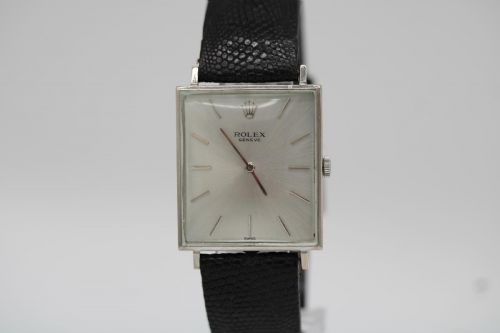
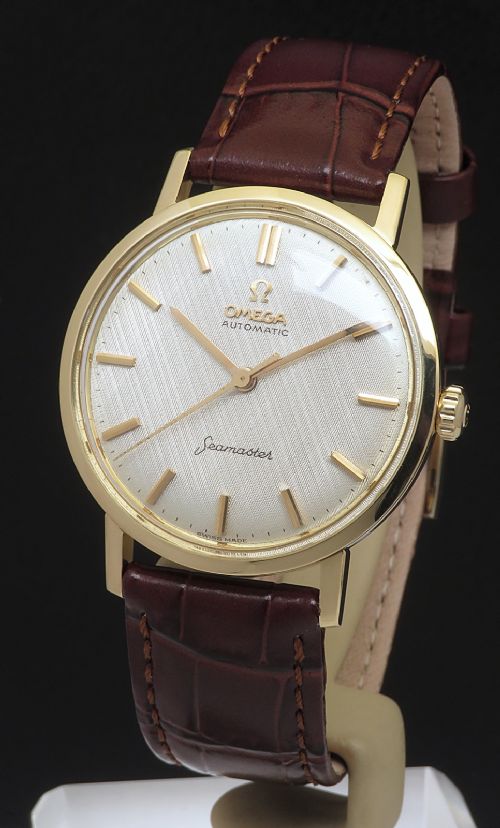
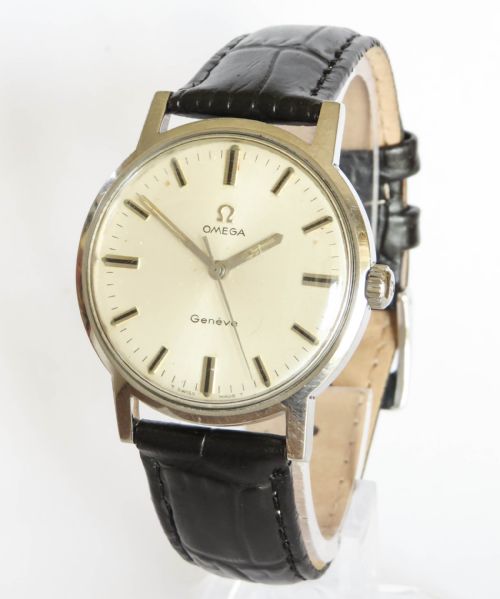
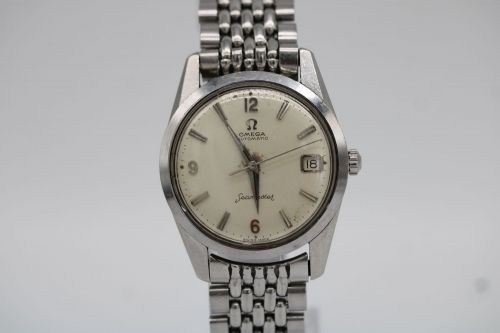
When you search for an antique luxury timepiece, you encounter wristwatches, pocket watches, cocktail watches, and desk clocks spanning the nineteenth century through the mid-twentieth century. These objects represent horological engineering combined with decorative art, produced during periods such as Art Deco, Late Victorian, and Mid-Century Modern.
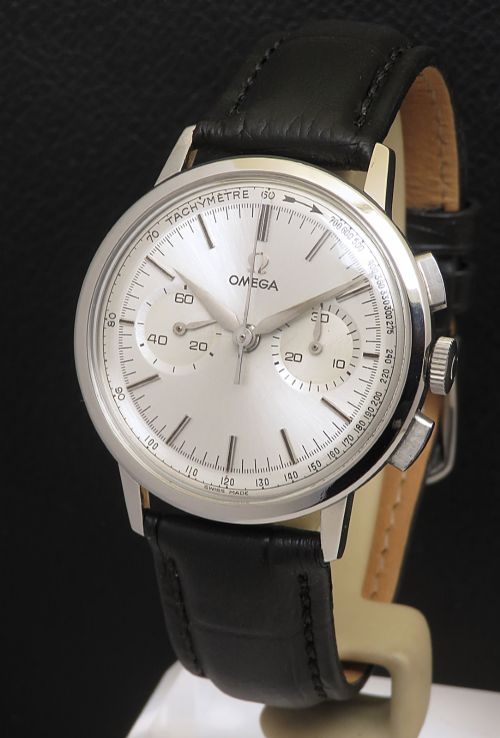
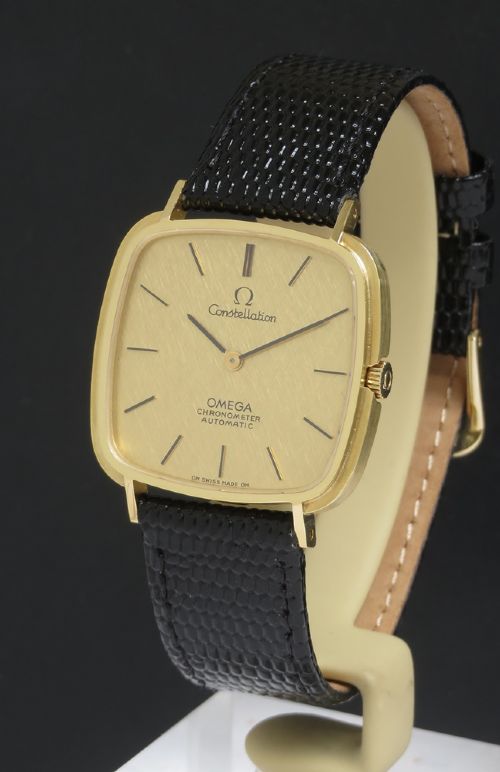
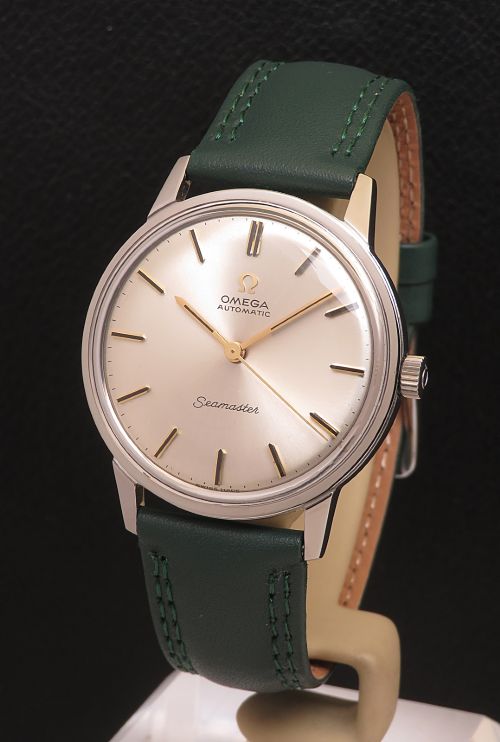
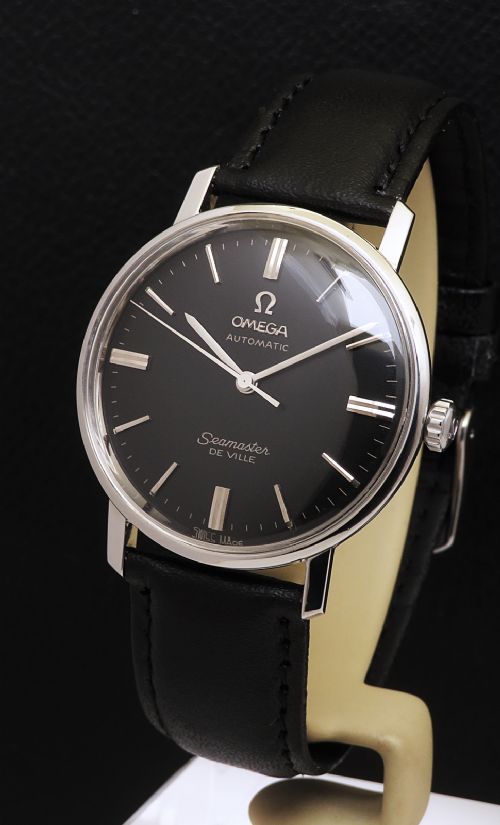
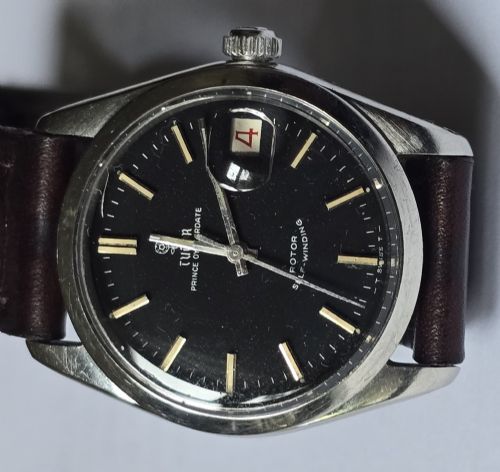
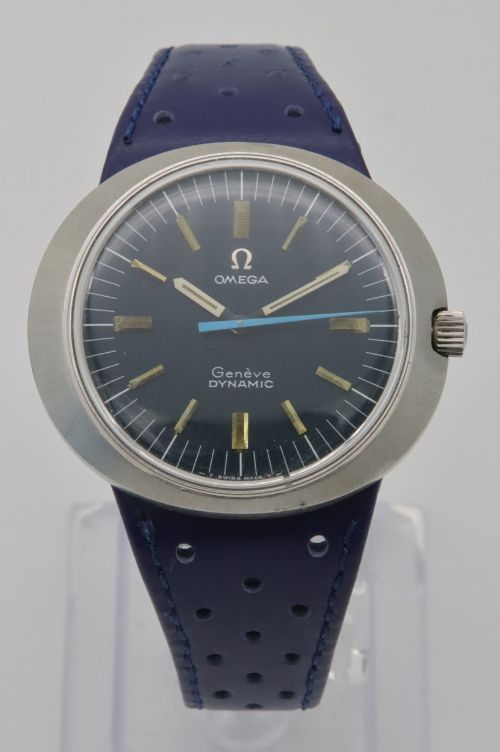
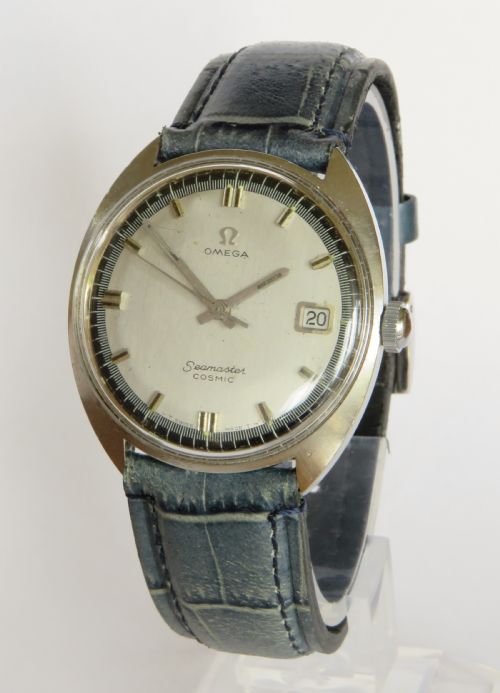
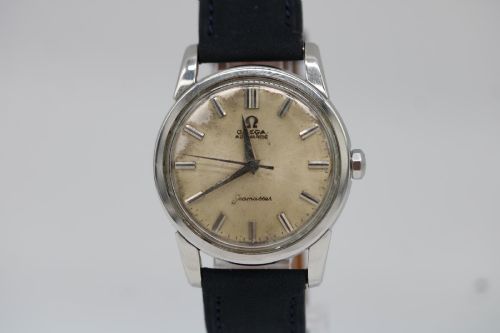
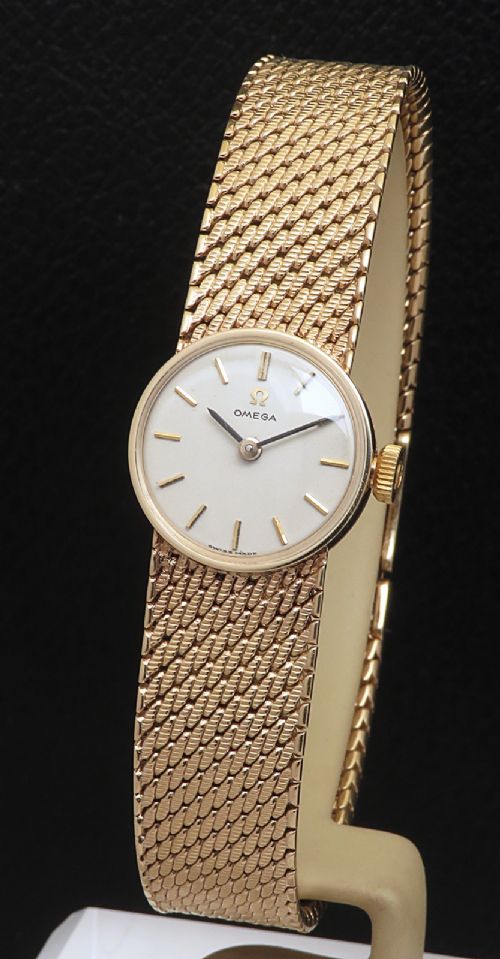
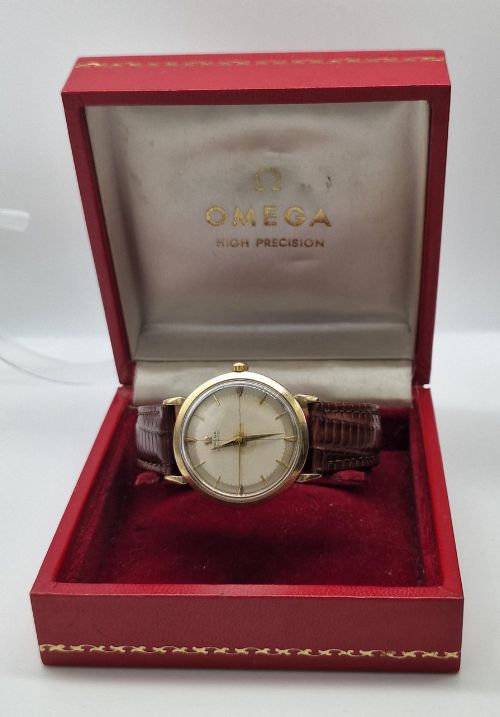
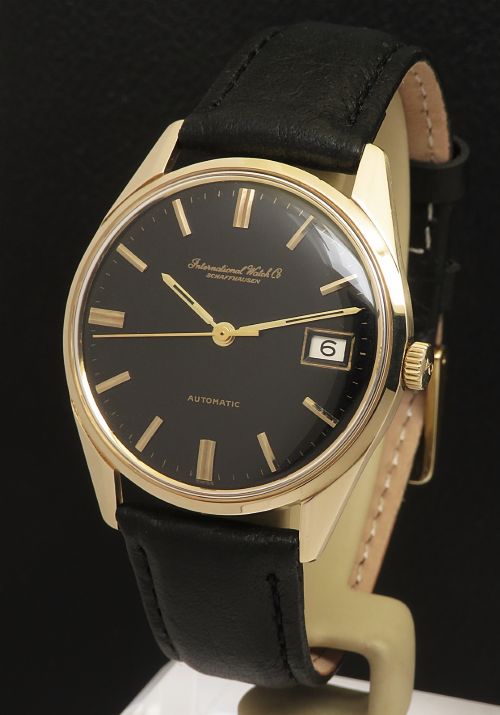
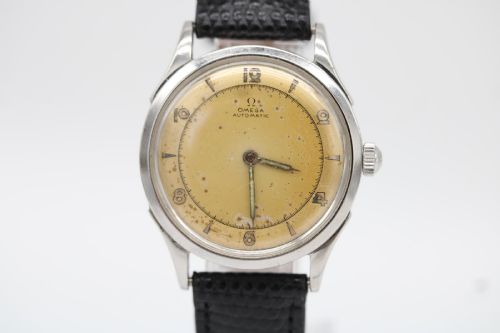
The most common items you meet on this page are mid-century wristwatches and cocktail pieces, particularly from the 1940s, 1950s, and 1960s. These wearable examples range from robust steel chronographs to delicate precious metal designs set with diamonds.
Beyond personal timekeepers, the selection includes desk clocks cast in heavy gilt bronze and pocket watches featuring complex mechanical movements like minute repeaters. Each form reflects the aesthetic priorities and technological capabilities of its specific decade of origin.
Materials and construction methods
Makers construct these pieces using precious metals such as platinum, 18ct white gold, and solid 9ct gold alongside stainless steel and gilt bronze. Metal cases protect the intricate internal movements while providing the primary visual and structural framework.
Gemstones feature prominently in dress pieces, with brilliant-cut diamonds flush-set or prong-set into platinum and gold cocktail watch cases. Glass and acrylic crystals cover the dials, preserving the painted or patinated faces underneath.
Leather straps complement many of the wristwatches, while internal mechanical calibre movements utilise numerous tiny gears, springs, and escapements to measure time accurately. Desk clocks incorporate heavy cast bronze housings designed to stand solidly on a surface.
Listings feature horological items from the 19th Century, 1930s, 1940s, 1950s, and 1960s, constructed in stainless steel, platinum, and gold.
Distinctions in manufacture and finish
The degree of hand-finishing on the internal mechanical calibre separates standard production movements from exceptional horology. Finer examples display bevelled bridges, polished screw heads, and precise adjustment mechanisms within the case.
Case materials and gemstone selection dictate the upper tiers of the market, where solid platinum and high-carat white gold encase substantial diamond weights. Dial condition also plays a critical role, as original patinated or champagne faces retain more integrity than poorly refinished surfaces.
Omega·Asprey·Movado·Vertex·Tudor·Mundus·Invicta·Longines·Breitling
The Antique Luxury Timepiece Glossary
- Calibre
- The specific internal mechanical movement design of a watch. Manufacturers assign numbers to identify their proprietary movement architectures.
- Chronograph
- A watch equipped with a stopwatch function alongside regular timekeeping. This complication uses independent sweep hands to measure elapsed intervals.
- Minute repeater
- A complicated pocket watch mechanism that chimes the hours, quarters, and minutes on demand. Small internal gongs and hammers produce the acoustic time signal.
- Cocktail watch
- A small ladies dress watch designed primarily for evening wear. These pieces function as jewellery, heavily embellished with diamonds and precious metals.
- Patinated dial
- An aged watch face showing natural discoloration or surface changes over time. Collectors often appreciate this evidence of age when the wear remains uniform.
Antique Luxury Timepiece: Frequently Asked Questions
What is a bumper automatic movement?
A bumper automatic movement is an early self-winding mechanism where the oscillating weight swings back and forth through a limited arc rather than rotating fully. Springs cushion the weight as it hits the bumpers inside the case.
This technology represents a transitional phase in horology during the 1940s and 1950s, offering wearers the convenience of automatic winding with a distinct physical sensation on the wrist.
What defines an Art Deco timepiece?
An Art Deco timepiece exhibits geometric symmetry, stylised motifs, and clean architectural lines characteristic of the 1920s and 1930s design movement. Cases frequently feature rectangular, square, or tonneau shapes with stepped bezels.
These watches often integrate precious metals with diamond accents, reflecting the luxurious aesthetic and machine age influences of the interwar period.
Are desk clocks mechanical?
Desk clocks from these periods rely on mechanical movements driven by mainsprings rather than electrical power. Heavy gilt bronze cases house the clockwork mechanism and provide a stable base for the dial.
Owners wind these clocks periodically using a key or built-in winding key to maintain accurate timekeeping on a desk or mantelpiece.