



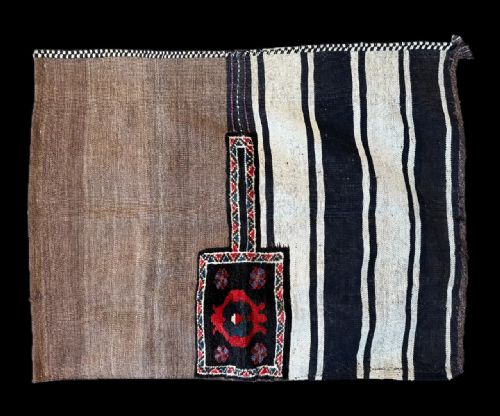


Antique Luri Weaving
Antique luri weaving brings rugged tribal character to a room through genuine hand-woven village textiles from Western Persia.
Antique Luri Weaving
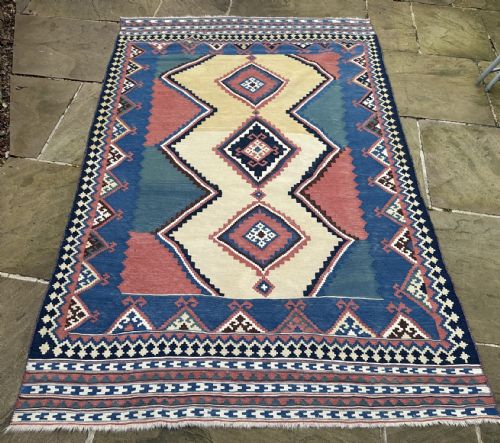
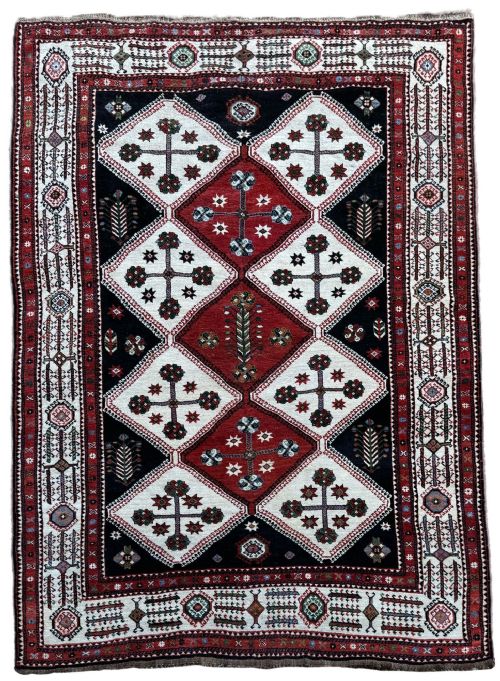
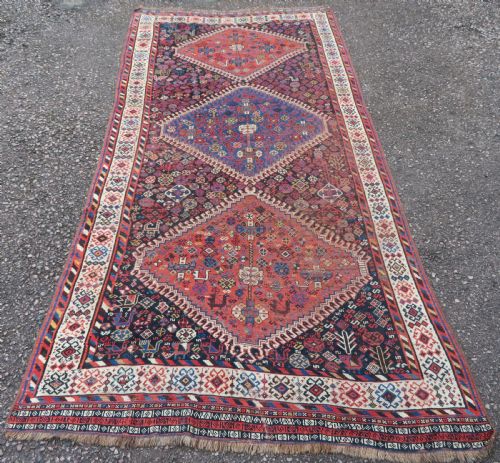
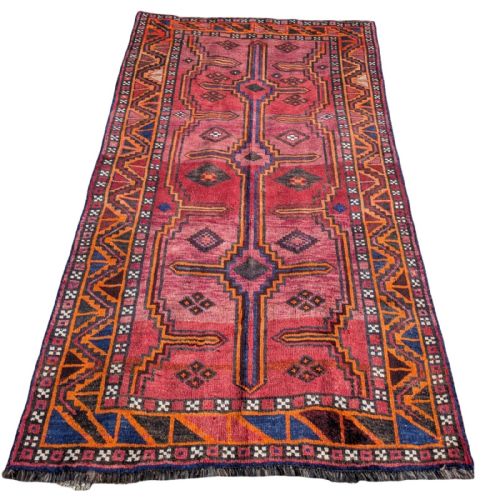
These pieces encompass tribal rugs, carpets, kilims, and utilitarian items such as bread sofreh, wheat-sacks, and saddle-bags created by nomadic and village makers. Originating primarily from Luristan and the Chahar Mahal region of Western Persia, they reflect the heritage of the Luri and Luri-Bakhtiari tribes. Buyers searching for antique luri weaving encounter floor coverings and storage pieces made for practical nomadic use rather than urban workshops.
The format varies from long rugs and large carpets to smaller saddle bag faces and flatweave kilims. Pieces frequently connect stylistically with neighbouring groups like the Qashqai and Khamseh. The primary surviving examples date from the late nineteenth century through to the early decades of the twentieth century, spanning periods from eighteen eighty to nineteen thirty.
How they were made
Makers utilised hand-spun wool for both the pile and the foundational structure of these textiles. This traditional fibre choice ensures a durable, dense handle that withstands heavy daily use. The spinning process leaves subtle variations in thickness, which contributes to the tactile appeal of the surface.
Natural dyes provide the characteristic palette seen across these tribal items, yielding deep tones that mellow gracefully over time. Artisans constructed them using traditional hand-weaving techniques, whether knotting pile carpets or flat-weaving structural kilims and utilitarian sacks.
Antique Luri Weaving Retail Price Guide 2026
Typical asking prices for luri weaving among the pieces listed under this phrase on Sellingantiques today, from the lower quarter to the upper quarter. They describe what is for sale here now, not the wider market.
Some saddle bags survived simply because a clever face rug was cut away to be kept long after the animal transport was forgotten.
What varies in quality
The standard of materials and dye saturation determines the upper tier of these textiles. Pieces possessing tightly spun wool and rich, saturated natural colour retain greater visual depth and structural integrity.
Execution and design clarity distinguish finer examples from standard village production. Well-drawn tribal motifs and careful structural balance elevate individual rugs and utility bags, while coarser weaves lean into a more rustic aesthetic.
The Antique Luri Weaving Glossary
- Sofreh
- A flat-woven table cover or cloth used for serving bread and meals in nomadic households. These textiles often feature striking geometric fields.
- Tacheh
- A traditional woven wheat-sack or storage bag utilised for transporting grain and provisions. They display robust utility construction and bold tribal patterns.
- Kilim
- A flat-woven textile produced without a pile by tightly interweaving warp and weft threads. This technique creates a lightweight, reversible fabric with sharp geometric designs.
- Luristan
- A mountainous region in Western Persia known for distinct tribal weaving traditions. The local groups developed highly individualistic graphic vocabularies.
Antique Luri Weaving: Frequently Asked Questions
How were these bags used?
Nomadic families used saddle bags and wheat-sacks for carrying personal belongings, grain, and provisions during seasonal migrations.
Over time, surviving faces and fragments were preserved as decorative items after their original utility function ended.
Where did these weavers live?
The makers inhabited the rugged terrain of Luristan and the Chahar Mahal districts in Western Persia.
Their isolated mountain lifestyle fostered independent design traditions distinct from urban Persian workshops.
How do I date these textiles?
Dating relies on assessing the wool quality, dye palette, and structural wear patterns against known historical benchmarks.
Most surviving pieces originate from the late nineteenth century up to the early decades of the twentieth century.
Can these rugs go on floors?
Sturdily constructed pile carpets and heavy flatweaves suit placement in domestic interior spaces.
Lighter utility sacks and delicate fragments function better as wall hangings or displayed accent pieces.