


Antique Luggage Case
These robust pieces of antique luggage case encompass leather trunks, fitted vanity boxes, and hat cases shaped by Victorian, Edwardian, and later travel.
Antique Luggage Case
When you examine an antique luggage case, you encounter travel gear built to withstand long journeys by rail, sea, and carriage across the Georgian, Victorian, and Edwardian eras. These utilitarian containers served officers, gentlemen, and explorers, evolving from heavy wooden campaign chests and leather trunks into specialised hat boxes and weekend suitcases.
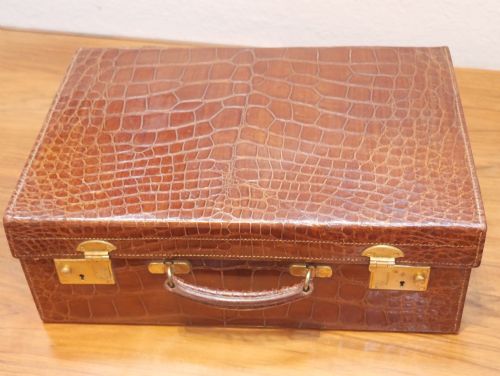
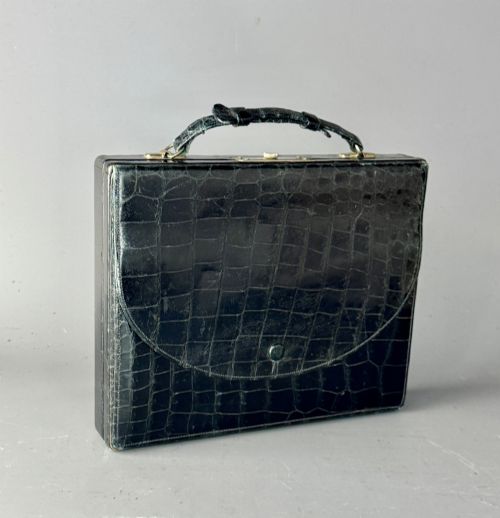
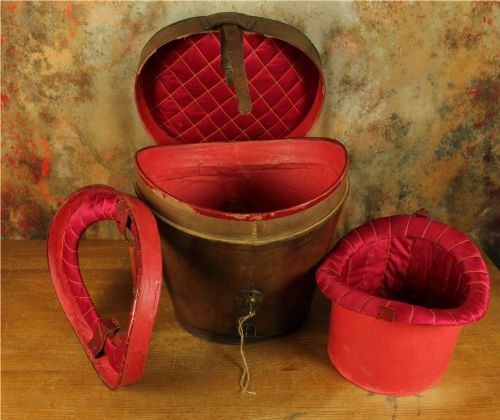
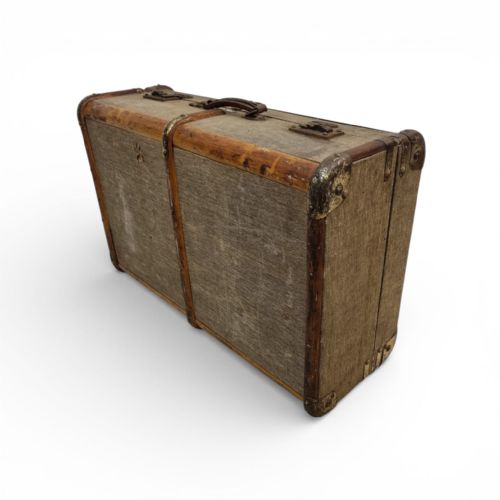
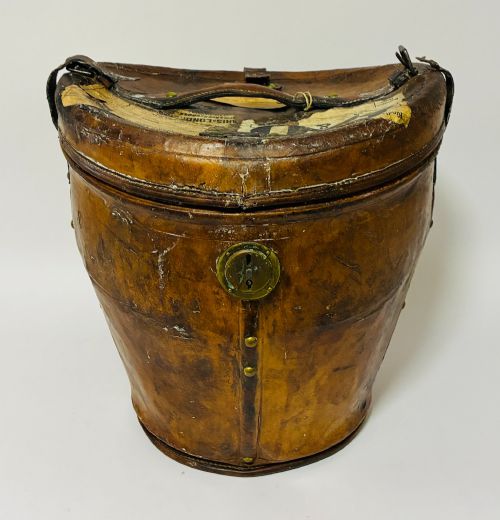
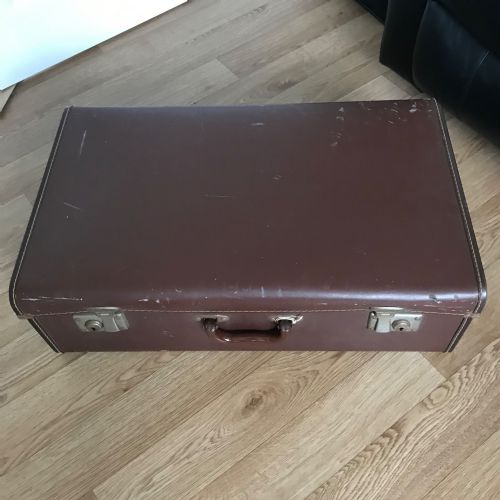
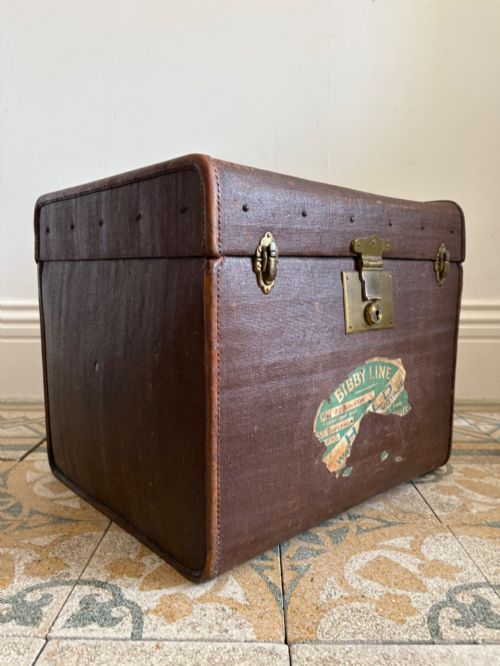
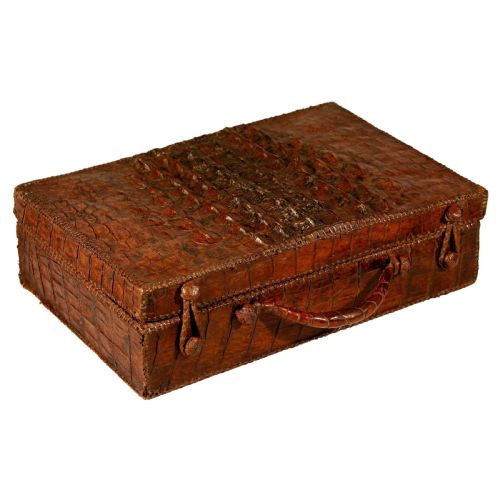
The specimens meeting you on this page span diverse forms, including robust canvas travel trunks, crocodile leather vanity cases, and multi-top hat boxes designed for specific garments. Makers built these items to protect belongings during transit, utilising durable materials that accumulated travel labels and weathering over decades of use.
How they were made
Craftsmen built each antique luggage case using a combination of dense wood or metal frames encased in thick leather, canvas, or vellum. Brass locks, reinforced corners, and iron studs protected vulnerable edges from the rigours of heavy transit.
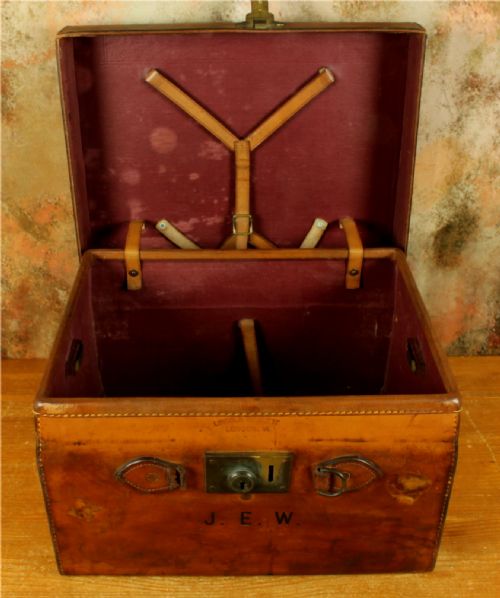
Internal spaces often featured fitted compartments lined in silk, velvet, or paper, designed to secure delicate items such as bottles, silver dressing table sets, and top hats. Hand-stitched seams and robust leather handles demonstrate the manual labour involved in their construction.
Listings feature items spanning the Georgian, Victorian, Edwardian, and 1920s periods, constructed from leather, brass, canvas, and crocodile skin.
What varies in quality
The grade of an antique luggage case depends heavily on the original maker, the complexity of its interior fittings, and the selection of materials such as crocodile skin or fine oak. Pieces bearing the signatures of established makers or prestigious retailers exhibit superior joinery, heavier brass hardware, and more refined leatherwork.
Preservation of original travel labels, working locks with keys, and complete interior compartments distinguish high-tier examples from simpler utilitarian trunks. The architectural integrity of the underlying frame and the richness of the patinated surface govern the desirability of each piece.
Dunhill London·Lincoln Bennett·Army and Navy·Chapple and Sons·Drew and Sons·Allen of London·JW Allen·John Pound·Harrods·C Antrobus·Finnegans of Bond Street·Goyard·Hawkes and Co·Wadham and Sons
The Antique Luggage Case Glossary
- Portmanteau
- A large leather trunk that opens into two equal compartments, designed for packing clothing flat during extended journeys.
- Toleware
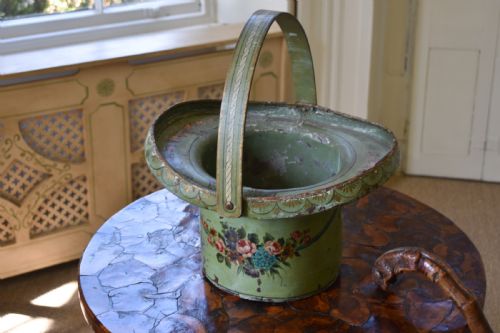
- Enamelled or lacquered metalware, frequently moulded into cylindrical containers like military hat boxes to protect headwear from moisture.
- Campaign case
- Portable furniture and storage equipment utilised by military officers during active service, characterised by brass bracing and durable construction.
- Vellum
- A fine parchment material prepared from calfskin, utilised to cover luxury luggage cases for a smooth, resilient exterior finish.
- Valet case
- A gentleman's fitted travel case containing dedicated spaces for grooming instruments, bottles, and garments.
Antique Luggage Case: Frequently Asked Questions
What is an antique luggage case?
An antique luggage case is a vintage travel container built from materials like leather, canvas, wood, and brass to transport belongings during Victorian and Edwardian journeys.
These pieces range from large travel trunks and campaign cases to specialised vanity boxes and hat containers.
How were these cases used?
Travellers utilised these sturdy containers to pack garments, hats, and grooming equipment securely while navigating railways, ships, and carriages.
Officers, gentlemen, and explorers relied on fitted interiors and robust locks to keep their possessions organised and protected on long expeditions.
How do I live with an antique luggage case?
You can integrate these cases into modern interiors as functional storage chests at the foot of a bed, coffee tables in a living room, or display pieces.
Their weathered leather and historical travel labels add character and texture to traditional and contemporary spaces alike.
How can I tell periods apart?
Earlier Georgian and Regency pieces often feature painted leather or heavy campaign styling with brass mounts, reflecting slower, bespoke methods of travel.
Victorian and Edwardian examples show greater standardisation, incorporating specialised compartments, maker stamps, and durable canvas or crocodile materials suited to expanding rail networks.