




Antique Lowboy Sideboard
An antique lowboy sideboard provides low-slung, practical surface space and drawer storage, anchoring a room with centuries of timber character.
Antique Lowboy Sideboard
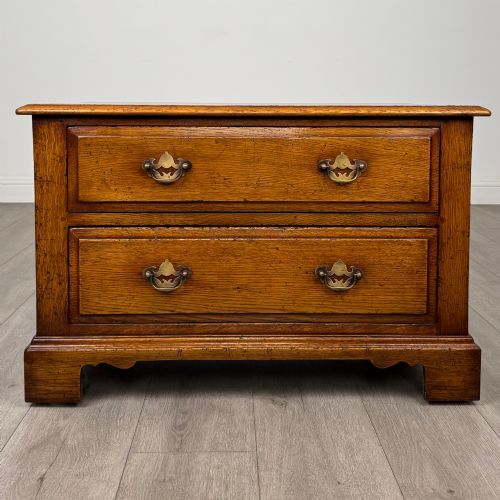
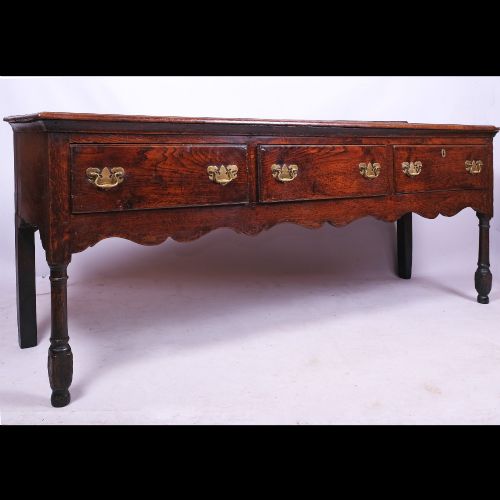
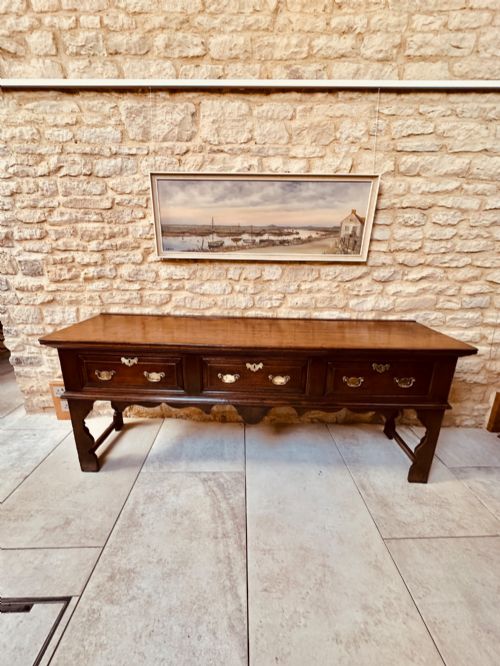
When buyers search for an antique lowboy sideboard, they typically encounter pieces recorded as dresser bases, side tables, and low chests of drawers. These low-profile storage items span from the early 1700s through the Georgian era and into the 19th and early 20th centuries.
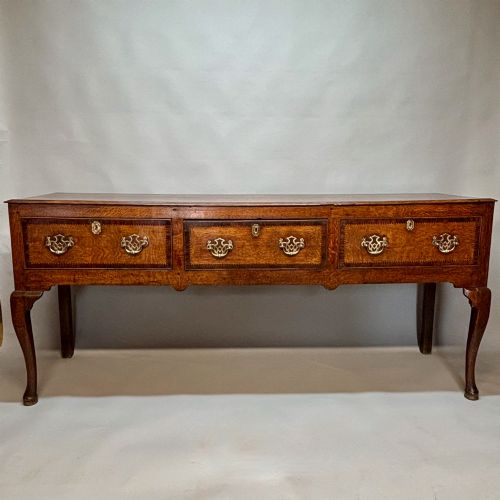
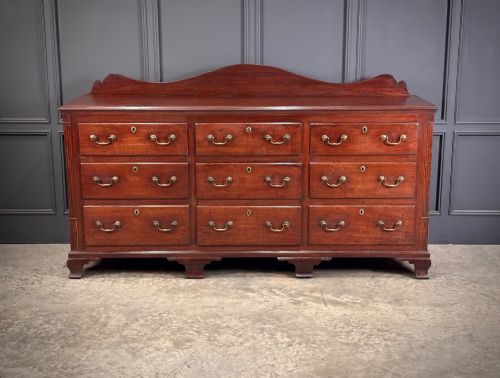
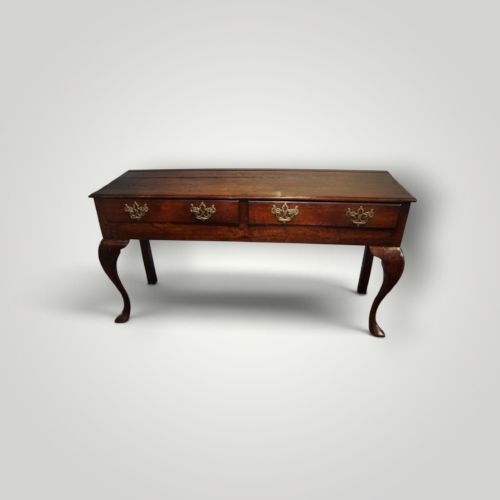
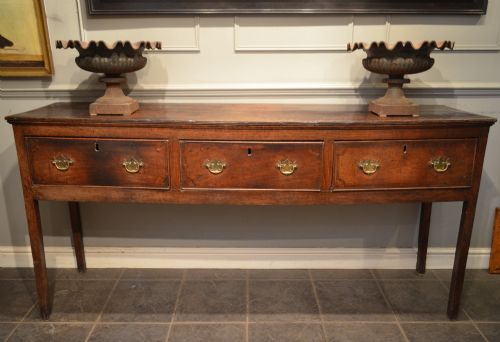
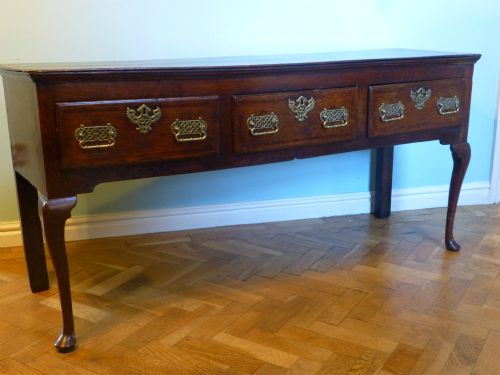
The selections on this page lean heavily toward substantial oak and mahogany forms, often featuring multi-drawer layouts or cabriole legs. Examples range from vernacular English country designs to refined George I and Queen Anne style walnut pieces.
Materials and construction methods
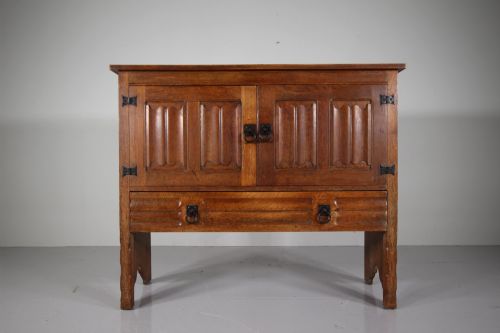
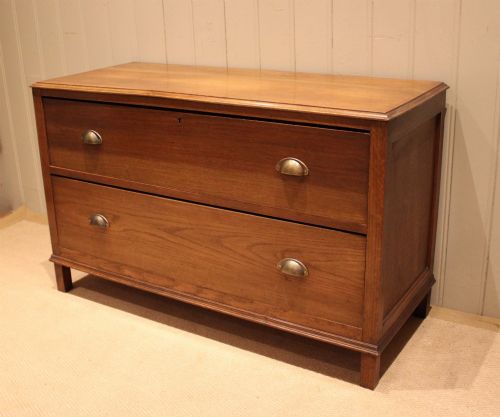
Cabinet makers relied primarily on solid oak, mahogany, and walnut, frequently enhancing surfaces with burr walnut veneers, fruitwood, or painted finishes. Metal hardware such as brass handles and iron fittings completed the functional assembly of drawers and doors.
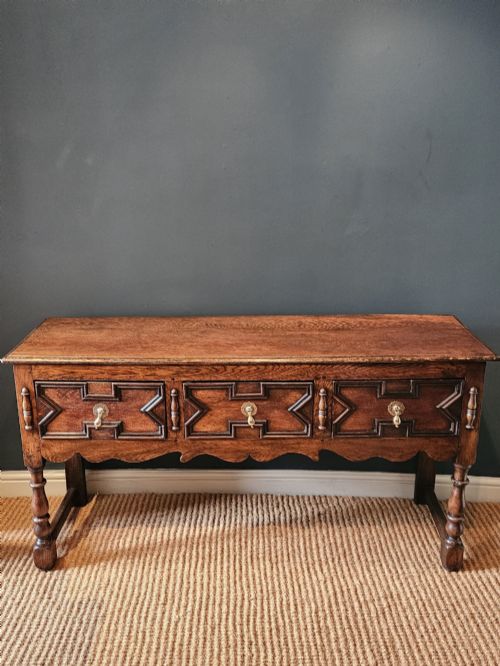
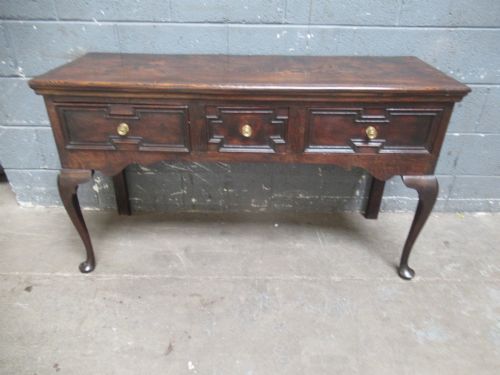
Construction techniques visible in these listings include geometric mouldings, inlaid details, and carved decoration applied to foundational frames. Tables and dresser bases often incorporate cabriole or blind silhouette legs to support the low-slung body.
Listings feature oak, mahogany, walnut, and painted wood, spanning the Georgian period, the 18th century, and the 19th century.
Distinctions in craftsmanship and form
The distinction between standard utility items and exceptional pieces rests in the choice of timber and the sophistication of surface ornament. Figured grain, such as burr walnut, and precise geometric mouldings or inlaid patterns indicate higher workshop ambition.
Structural integrity and proportion also separate examples, where crisp carving and well-executed leg forms like cabriole supports demonstrate superior joinery and design execution compared to plain vernacular alternatives.
Elkington & Co·Whytock & Reid
The Antique Lowboy Sideboard Glossary
- Lowboy
- A short table with drawers, commonly used as a side table or serving base in dining and living spaces. It sits low to the ground on legs.
- Dresser Base
- The lower section of a traditional kitchen or dining dresser, functioning independently as a sideboard or server with surface top and drawer storage.
- Cabriole Leg
- A furniture leg that curves out in a convex shape near the top and tucks inward in a concave curve below, ending in a pad or foot.
- Geometric Moulding
- Raised wooden mouldings applied in rectilinear or geometric patterns to drawer fronts and door panels, characteristic of the late 17th and early 18th centuries.
- Burr Walnut
- Timber sliced from the irregular growths on walnut trees, yielding rich, swirling grain patterns highly prized for fine cabinet veneers.
Antique Lowboy Sideboard: Frequently Asked Questions
What is an antique lowboy sideboard used for?
These low-profile pieces serve as functional servers, side tables, or credenzas in dining rooms and hallways. Their surface top accommodates lamps or display items while drawers store household linens or tableware.
Historically, similar low bases functioned for food preparation or serving in country houses. Today, their compact height suits placement beneath windows or along passage walls.
How do I date an oak dresser base?
Dating relies on observing construction methods, timber choice, and decorative styles such as geometric mouldings or cabriole legs. Early 18th-century pieces often display pegged joints and plank tops characteristic of vernacular joinery.
Later Victorian and Edwardian revivals replicate these forms but utilise machine-sawn timber and differing internal drawer construction. Examining the secondary woods inside drawers clarifies the period of manufacture.
Are these pieces made of solid wood?
The listings comprise substantial timbers including oak, mahogany, and walnut used for primary frames and structural elements. Drawer linings and secondary panels may utilise softer native woods.
Finer decorative surfaces occasionally employ burr walnut veneers applied over stable core timbers. Solid construction predominates across the country house and Georgian items on this page.
How do I style a lowboy in a modern room?
A lowboy sideboard works effectively as a hallway console or a low media surface in contemporary living spaces. Pairing the timber warmth with minimalist lighting or abstract art creates a balanced contrast.
The restrained height ensures the piece does not overwhelm vertical wall space while providing practical concealed storage.