
Antique Lowboy Drawers
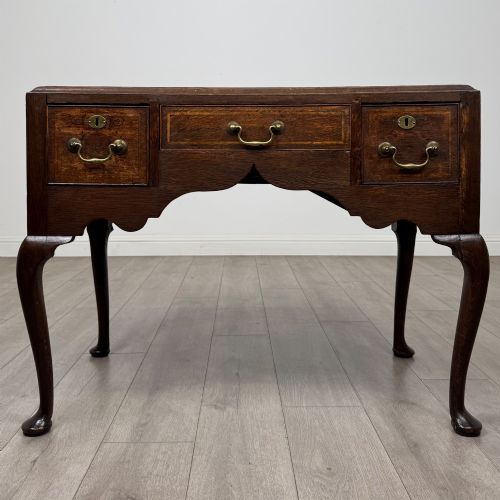
These antique lowboy drawers are compact living tables fitted with storage, prized for their low proportions and timber grain.
Antique Lowboy Drawers
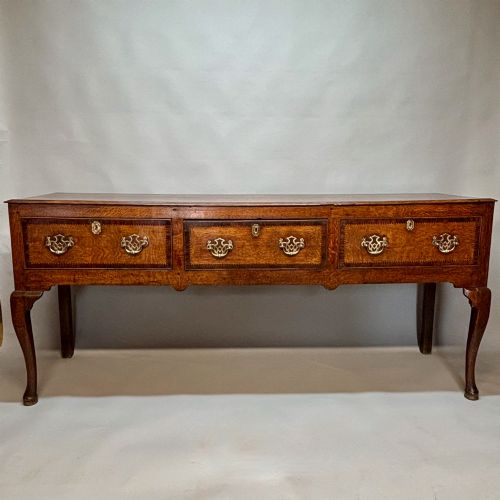
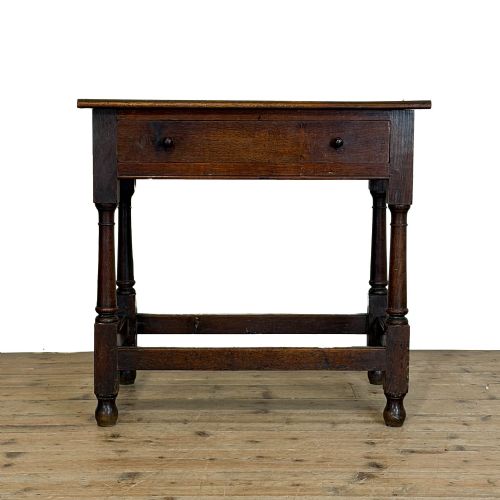
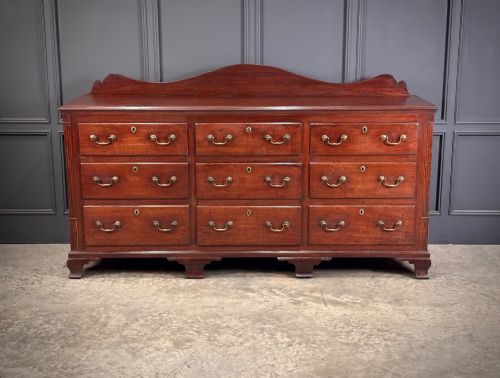
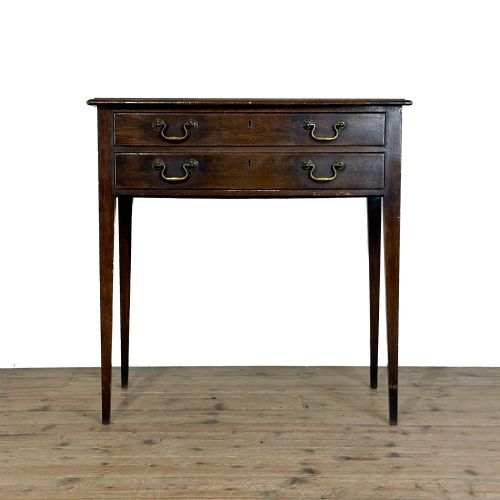
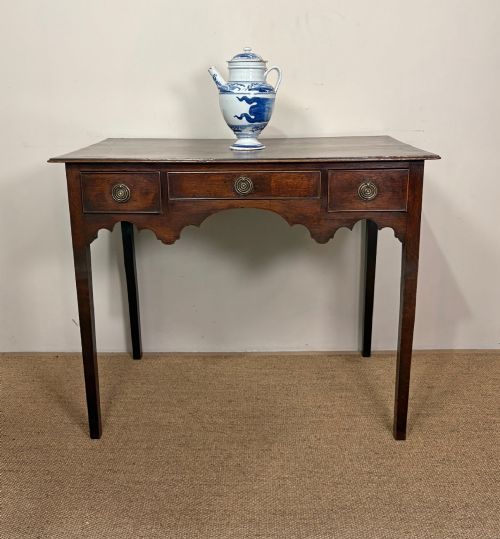
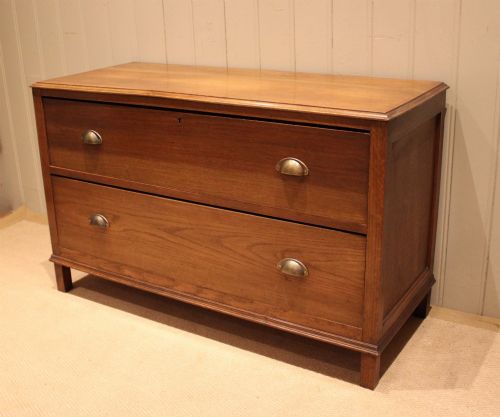
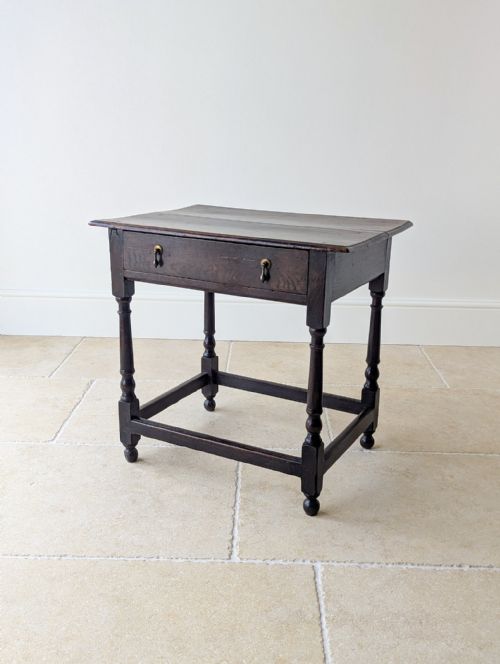
When searching for antique lowboy drawers, buyers encounter low-standing timber tables equipped with one, two or three drawers beneath the top surface. The pieces appearing here span from the seventeenth century through the Georgian and Victorian eras up to Edwardian and later twentieth-century revivals.
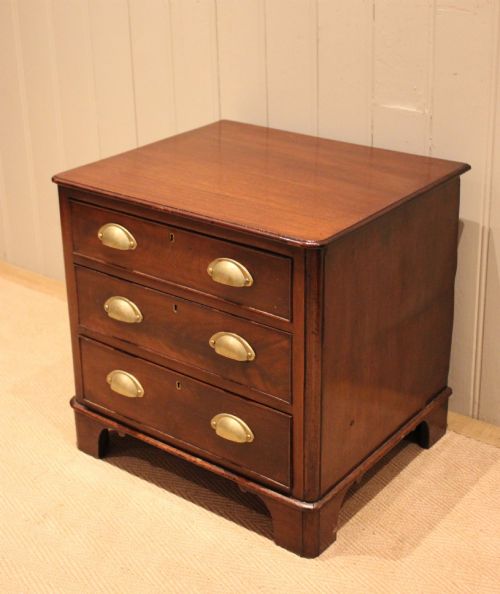
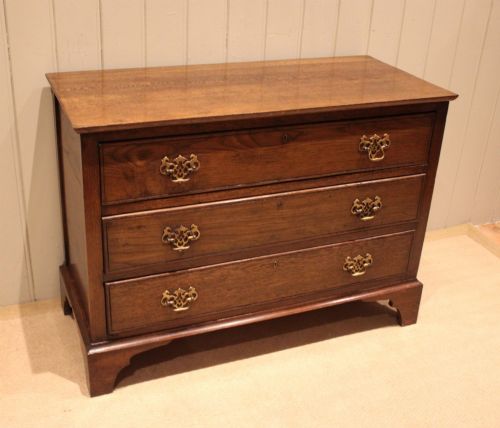
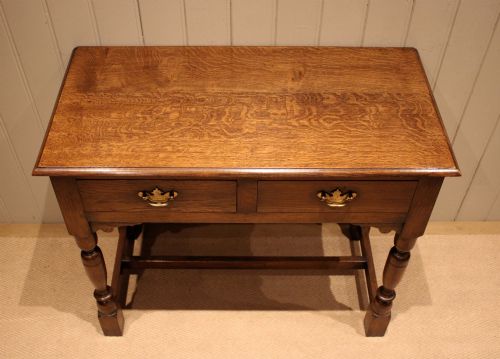
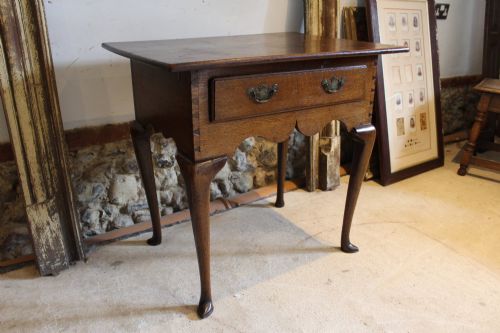
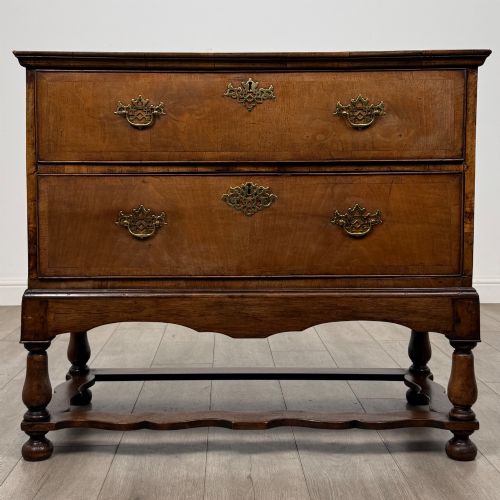
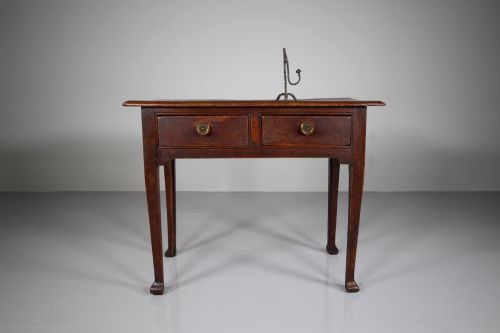
The dominant forms on this page include oak and mahogany lowboys, alongside walnut side tables, occasional writing tables, and dresser bases. These items served historically for dressing, writing or general storage in smaller rooms, and today they function as versatile hall or bedside tables.
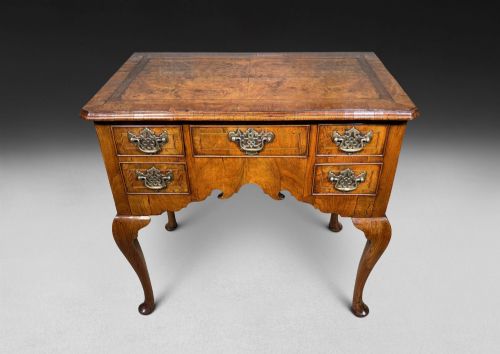
While many examples date from the eighteenth-century Georgian period, the selection also includes seventeenth-century oak pieces and later Edwardian reproductions. Buyers frequently find variations styled after the William and Mary or Queen Anne periods, showing cabriole legs or geometric mouldings.
How they were made
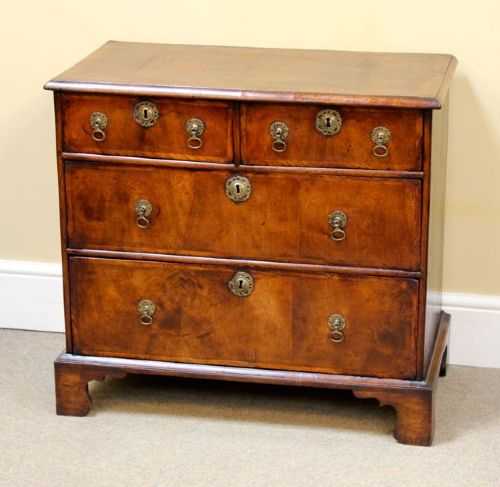
The construction of these pieces relies primarily on native and imported timbers, with solid oak, mahogany, and walnut forming the principal structures. Cabinet makers frequently utilised elm, fruitwood, pine, and burr walnut veneers to construct drawer fronts and tabletops.
Joinery methods reflect the period of origin, ranging from early pegged oak frames to later mahogany dovetailing. Metal hardware such as brass handles and drawer pulls appear regularly across the Georgian and Victorian examples.
Periods represented on this page range from the seventeenth century through Georgian, Victorian, and Edwardian eras.
What varies in quality
Quality in these tables is determined by the selection of figured timber veneers and the crispness of the mouldings. Pieces featuring burr walnut or carefully matched mahogany grains stand apart from plainer utilitarian versions.
Construction refinement also dictates the tier of the piece, visible in the hand-cut dovetails of the drawers and the shaping of cabriole legs. Greater age combined with original brass hardware and untouched patination elevates the standing of an individual table.
The Antique Lowboy Drawers Glossary
- Lowboy
- A small low table with drawers, typically used as a dressing table or side table during the seventeenth and eighteenth centuries.
- Cabriole leg
- A furniture leg that curves out and then narrows inward, frequently terminating in a pad or hoof foot on Georgian pieces.
- Dovetail
- A joint formed by interlocking wedge-shaped fingers, utilised extensively in period drawer construction.
- Burr walnut
- A prized timber veneer showing swirling, knotty grain patterns harvested from the growth excrescences of walnut trees.
- Dresser base
- A heavy low table or sideboard fitted with drawers and occasionally cupboards, serving as a larger alternative to a standard lowboy.
Antique Lowboy Drawers: Frequently Asked Questions
What room suits antique lowboy drawers?
These compact tables fit well in hallways, bedrooms, or living spaces where surface area and low storage are required.
Their shallow depth allows them to sit flush against walls without obstructing narrow corridors or small rooms.
How do I date an oak lowboy?
Dating relies on observing construction techniques, timber choice, and hardware styles across the piece.
Early examples display pegged mortise and tenon joints with heavy oak planks, whereas later eighteenth-century versions adopt refined mahogany or walnut veneers.
Were lowboys used for dressing?
Many eighteenth-century lowboys functioned as dressing tables before dedicated vanity furniture became common.
They held toiletries and powders on the surface while the drawers stored personal items and linens.
What is the difference between a lowboy and a side table?
A lowboy specifically incorporates one or more rows of drawers beneath the working surface.
Standard side tables often lack these under-counter compartments entirely, serving purely as flat resting surfaces.