






Antique Low Wardrobe
An antique low wardrobe provides sensible bedroom storage beneath lower ceilings where taller furniture simply fails to fit.
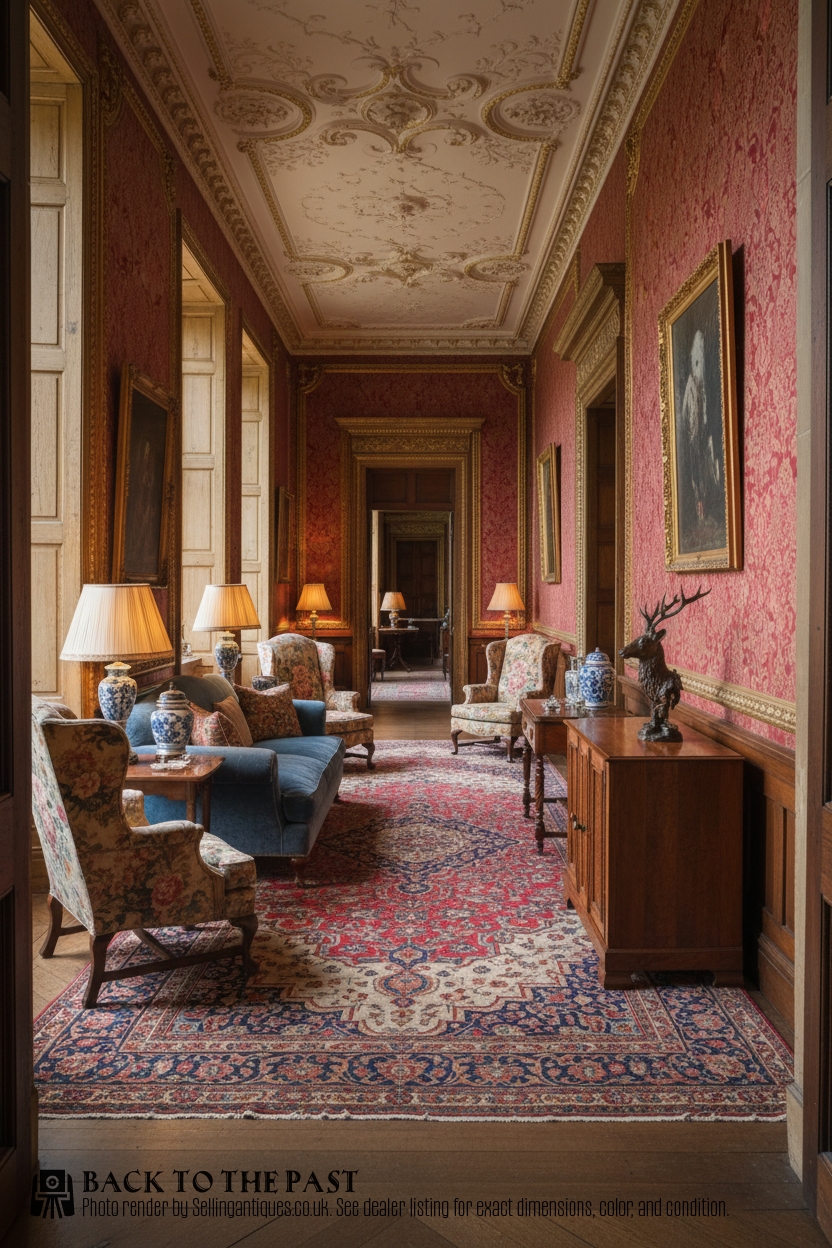
Antique Low Wardrobe
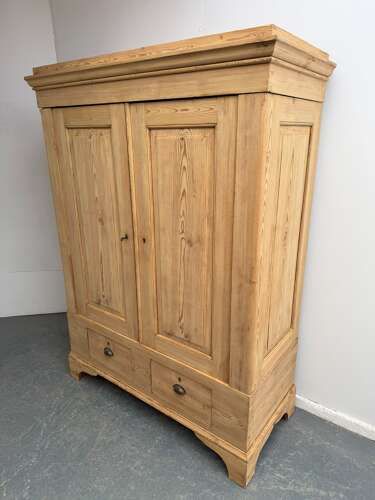
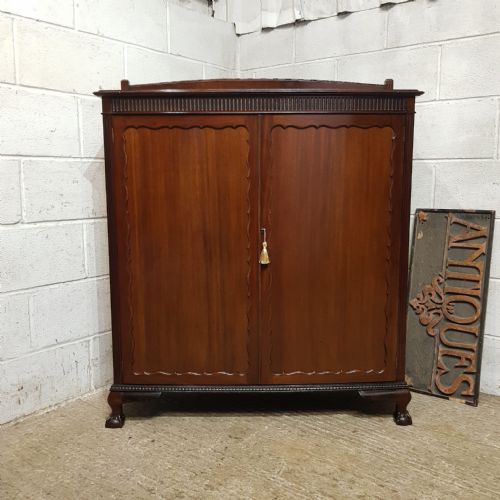
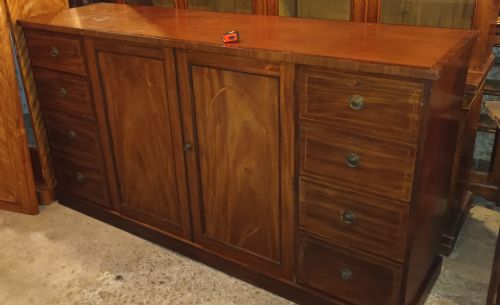
An antique low wardrobe solves the challenge of hanging garments and storing linens in rooms with restricted vertical space. When exploring an antique low wardrobe on this page, buyers frequently encounter pine cottage pieces alongside polished mahogany and oak designs from the Georgian, Victorian, and Edwardian eras.
Forms span from two-door cupboards and compactum layouts to linen presses and dwarf housekeepers wardrobes. Many early examples utilise knockdown construction, allowing the framework to dismantle for transport through narrow cottage stairwells and low doorways.
Regional vernacular pieces appear in Welsh oak and French provincial styles, alongside bow-fronted and serpentine mahogany cabinets. These variations ensure the furniture suits both rural settings and formal period interiors without dominating the room.
Materials and Construction Methods
Makers relied heavily on solid pine for provincial cottage pieces, often preparing surfaces to be waxed or painted by the owner. Hardwoods such as mahogany, oak, and walnut provided durable foundations for formal Georgian, Victorian, and Edwardian wardrobes.
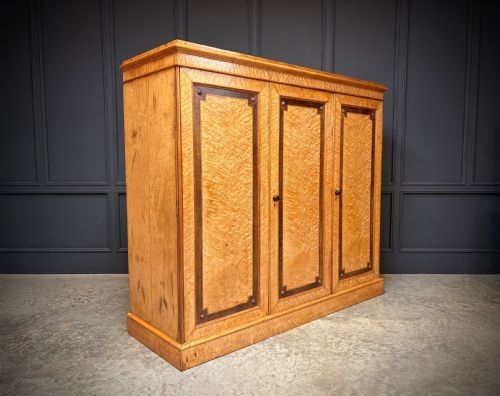
Cabinetmakers applied decorative wood veneers, including birds eye maple, Hungarian ash, burr walnut, and flamed mahogany, across door panels and drawer fronts to add visual depth. Details like brass handles, metal hinges, and inlaid banding completed the construction of finer functional pieces.
Listings feature items spanning the 18th century, Georgian, Regency, Victorian, and Edwardian periods, rendered in pine, mahogany, oak, and walnut.
Judging Quality in Low Wardrobes
Quality rests upon the selection of timber and the restraint applied to decorative elements. Cabinets utilising figured mahogany, burr walnut, or birds eye maple demonstrate superior material selection compared to plain secondary woods.
Construction integrity separates standard utility pieces from exceptional workshop output. Sound proportions, well-fitted panel doors, and original brass hardware indicate meticulous cabinetmaking within both regional workshops and larger establishments.
Heals·Waring and Gillows·Gillows of Lancaster·Gillow and Co
The Antique Low Wardrobe Glossary
- Compactum
- A multi-functional wardrobe combining hanging space, linen drawers, and shelving within a single unified cabinet.
- Knockdown
- A piece of furniture designed with removable pegged or bolted sections that dismantle for straightforward transport and installation.
- Linen Press
- A tall storage piece featuring upper cupboard doors enclosing sliding shelves, positioned above a base of wider drawers.
- Dwarf
- A descriptive term for furniture built with a reduced overall height to suit low ceilings and smaller rooms.
- Breakfront
- A cabinet design where the central section projects forward from the recessed flanking wings.
Antique Low Wardrobe: Frequently Asked Questions
What is an antique low wardrobe?
An antique low wardrobe is a shorter variant of traditional clothes storage, built specifically to accommodate rooms with restricted ceiling heights.
These pieces maintain standard hanging depth or internal shelving while keeping the overall vertical profile modest.
How do I dismantle a knockdown wardrobe?
Knockdown wardrobes utilise internal wooden pegs, bolts, or tongue-and-groove joints that allow the cornice, base, and sides to separate safely.
Marking each joint before disassembly ensures the framework aligns correctly when reassembled in its new room.
Where were low wardrobes used?
These wardrobes served bedrooms, dressing rooms, and nurseries where full-height Victorian armoires proved too tall or imposing for the space.
Cottage versions also accommodated low-ceilinged rural chambers and farmhouse guest rooms.
How do I care for pine and mahogany?
Waxed pine benefits from occasional applications of beeswax to nourish the wood and maintain a soft, protective finish against everyday moisture.
Mahogany surfaces require dusting with a dry cloth and protection from direct sunlight to preserve the rich tone of the timber.