





Antique Low Boy Table
An antique low boy table brings compact elegance and drawers to a room, offering the appeal of eighteenth-century craftsmanship in a small footprint.
Antique Low Boy Table
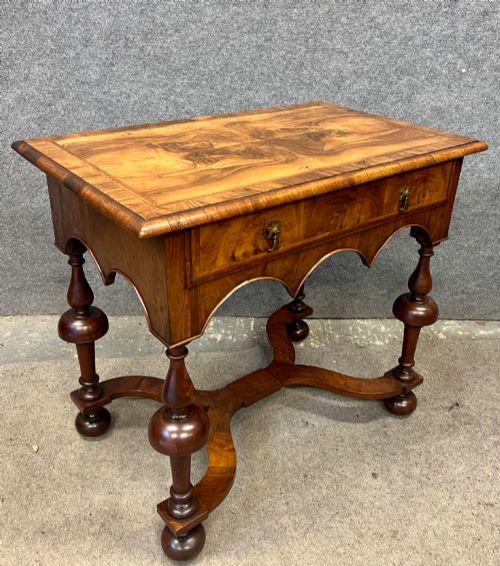
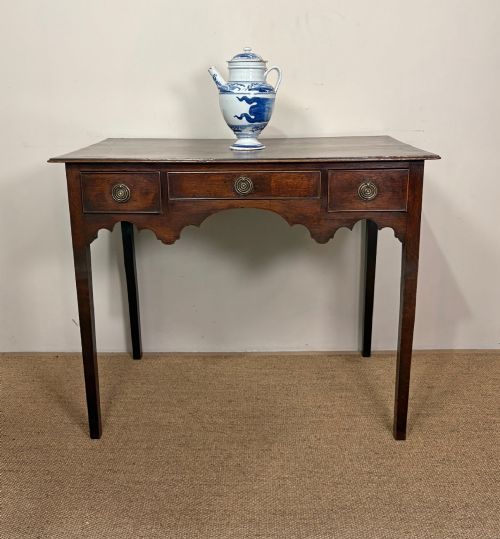
The antique low boy table search phrase points directly to low-set, drawer-fitted side tables that originated in the eighteenth century. You meet pieces spanning the Georgian and Queen Anne periods, alongside later Edwardian and twentieth-century revivals.
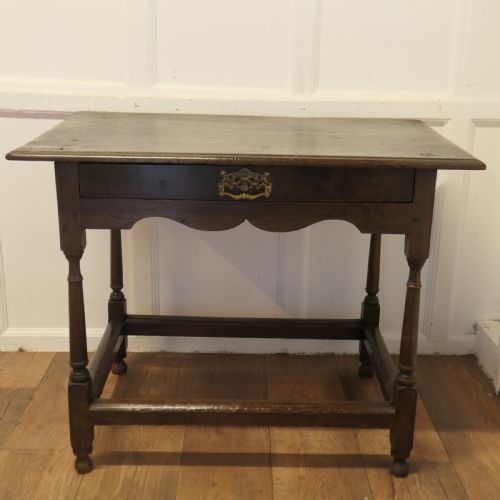
The versions most common on this page are eighteenth-century oak and mahogany examples, alongside burr walnut revivals and elm variants. They serve as side tables or writing desks, with country-made items sitting alongside formal styles.
Makers and craftsmen utilised timber such as oak, mahogany, walnut, and elm, sometimes adding boxwood inlay or paint. These tables function well in hallways or bedrooms where surface space and drawers are both required.
How they were made
Cabinetmakers constructed these tables using solid timbers such as oak, mahogany, and walnut, often selecting figured burr walnut for decorative surfaces. Elm and painted wood also appear, reflecting regional timber choices and later stylistic preferences.
Construction techniques include boxwood inlay for decorative contrast and traditional drawer joinery suited to domestic writing and storage needs. Workshops shaped legs in styles ranging from plain square profiles to Queen Anne curves.
Listings feature periods from the 18th century and Georgian eras through to Victorian, Edwardian, and the 1920s.
What varies in quality
Quality differences lie in the choice of timber figure, such as the richness of burr walnut or the depth of eighteenth-century oak grain. Finer examples display crisp moulding details and careful proportions that separate country utility from formal design.
The integration of drawer linings, brass hardware, and inlay work distinguishes standard pieces from superior specimens. Original timber surfaces and period construction methods carry more weight than later decorative additions.
The Antique Low Boy Table Glossary
- Low boy
- A small table with one or more tiers of drawers, standing on relatively tall legs. This form dates primarily to the eighteenth century and serves multiple domestic uses.
- Queen Anne
- A style characterised by curved cabriole legs and pad feet, prominent in furniture design during the early eighteenth century and later revived.
- Burr walnut
- Timber taken from a walnut tree growth, yielding complex, swirling grain patterns highly valued for decorative table surfaces.
- Boxwood inlay
- Contrasting light wood inserted into recesses of a darker primary timber to create geometric or linear surface patterns.
- Georgian
- The period spanning the reigns of the four Georges, noted for refined proportions and the use of mahogany in case furniture.
Antique Low Boy Table: Frequently Asked Questions
What is an antique low boy table used for?
These tables function as compact side tables, dressing surfaces, or small writing desks. The fitted drawers provide storage for papers or small household items.
Their shallow depth allows them to fit easily into narrow hallways, parlours, or bedrooms without dominating the floor space.
How do I identify an eighteenth century low boy?
Eighteenth-century examples show period timber patination, hand-cut joinery, and traditional drawer construction. Oak and mahogany are common in this era.
Later revivals from the Edwardian period or the twentieth century often display different surface finishes and manufacturing marks beneath the drawers.
Are all low boy tables made of mahogany?
Mahogany is widespread, particularly in Georgian pieces, but oak, walnut, burr walnut, and elm are also utilised. Painted wood surfaces and boxwood inlay appear across various periods.
Country-made items frequently rely on local timbers like oak and elm rather than imported hardwoods.
Where should I place a low boy table?
A low boy sits well against a living room wall, beneath a mirror in a hallway, or as a dressing table in a bedroom. The surface holds lamps or decorative objects while drawers keep clutter hidden.
Keep wooden tables away from direct heat sources to protect the polished timber surfaces.