


Antique Liquor Stand
An antique liquor stand holds bottles and glassware securely, bringing period craftsmanship and practical elegance to entertaining spaces.
Antique Liquor Stand
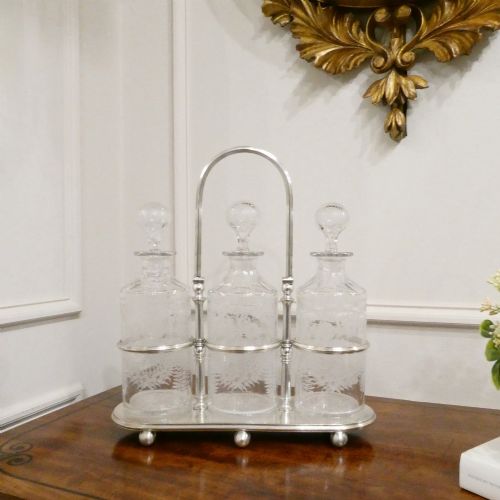
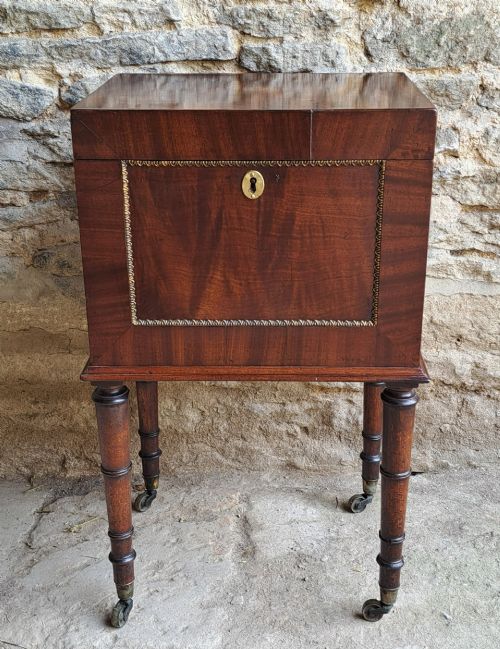
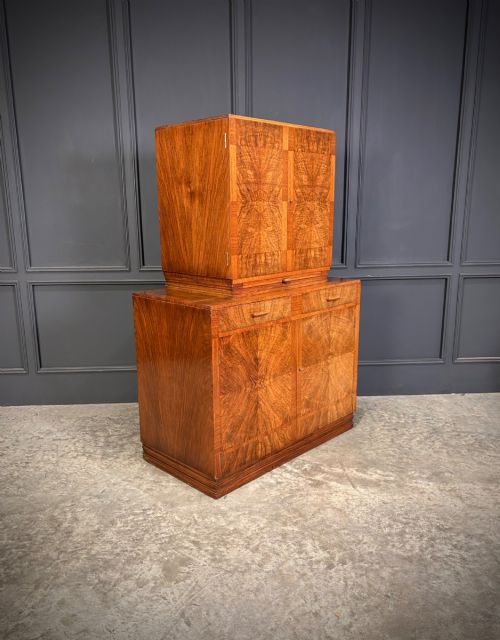
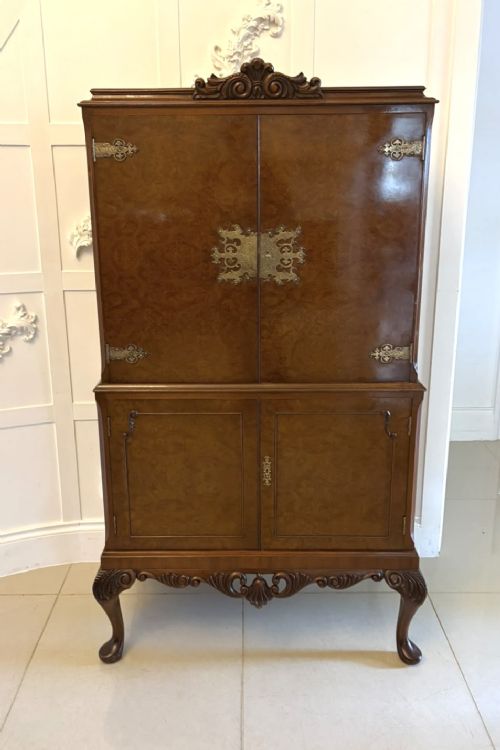
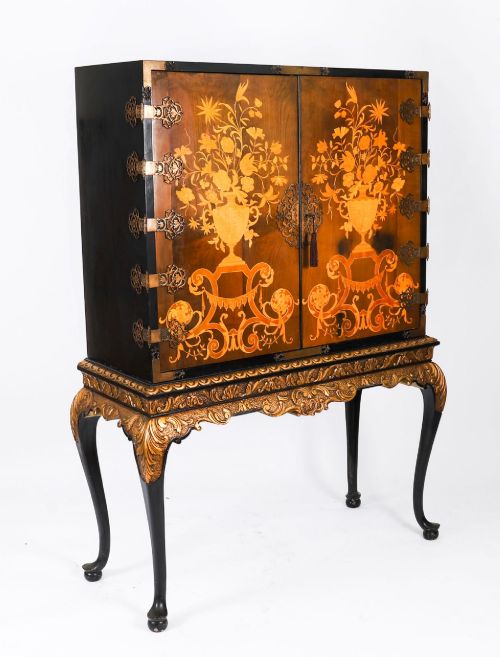
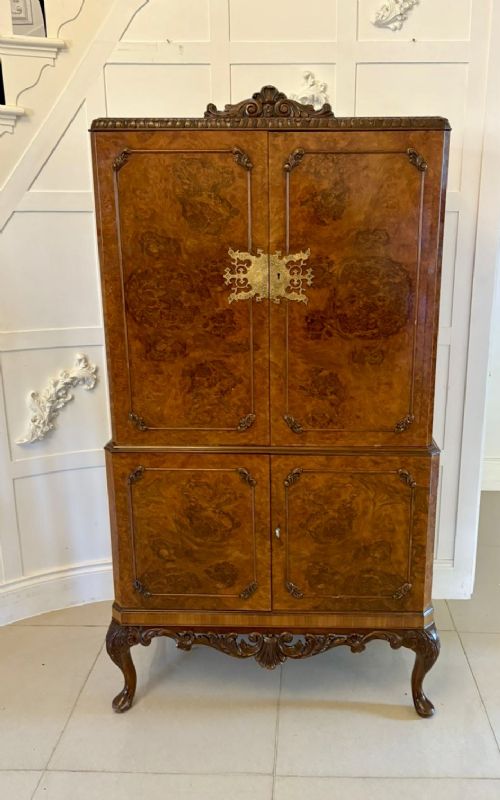
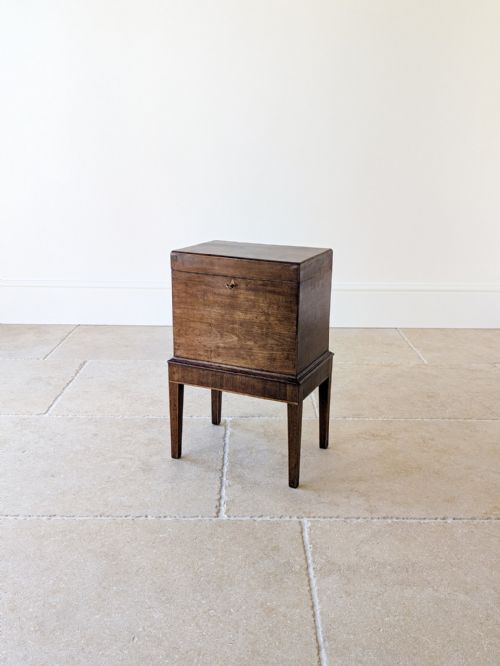
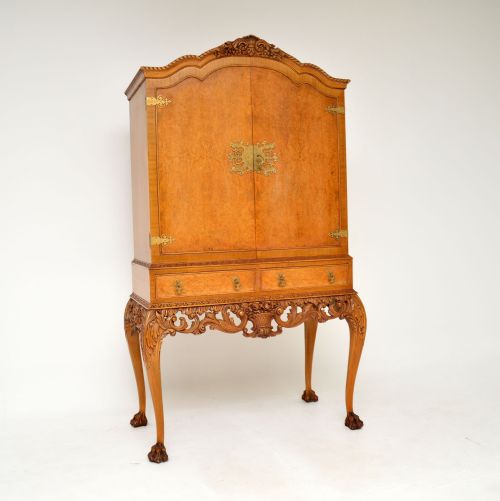
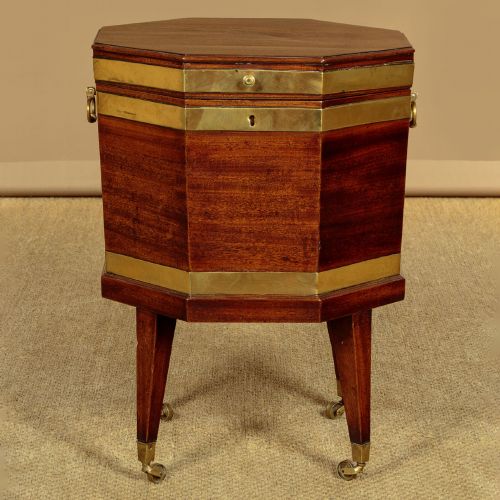
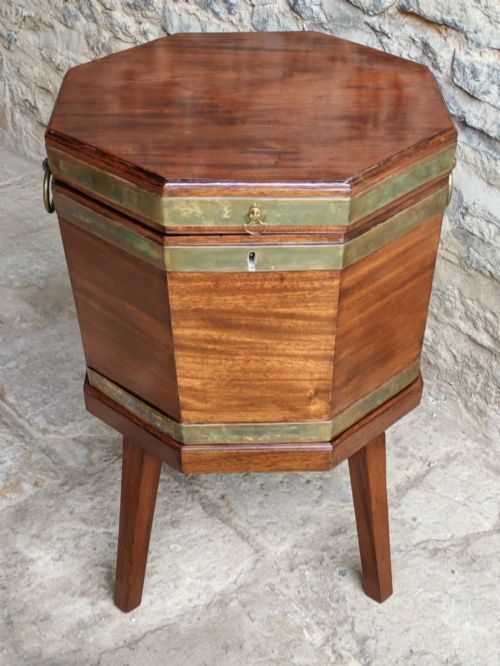
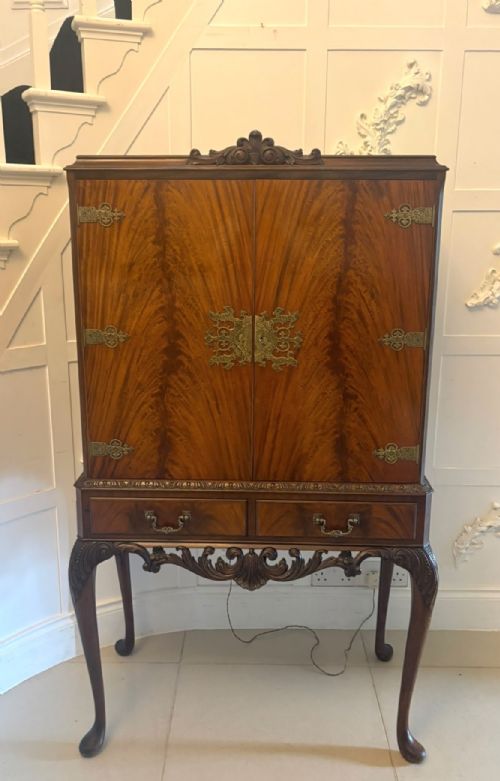
An antique liquor stand encompasses diverse forms designed for storing and serving spirits, ranging from substantial George III mahogany wine coolers to locking tantalus frames and elaborate cocktail cabinets. These vessels reflect changing social customs across centuries, transitioning from floor-standing wine chests in the eighteenth century to tabletop decanter sets and twentieth-century burr walnut drinks cabinets.
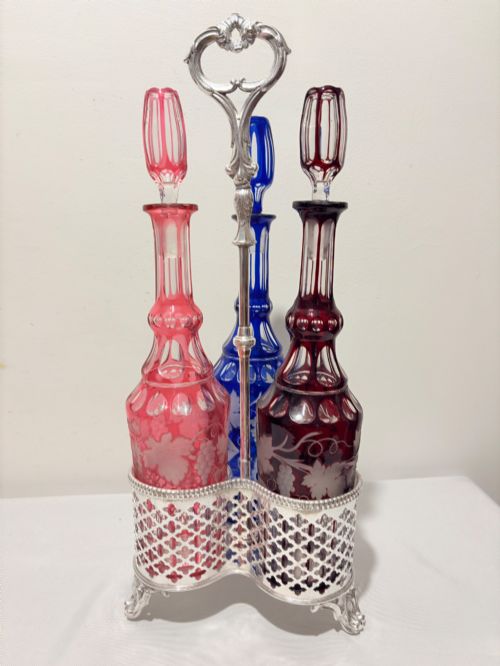
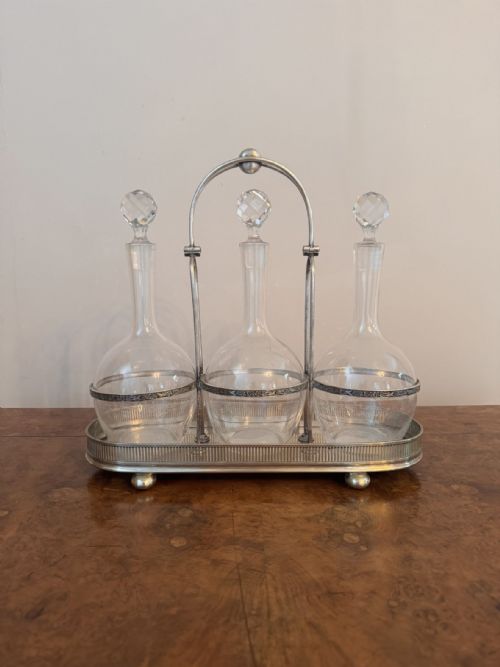
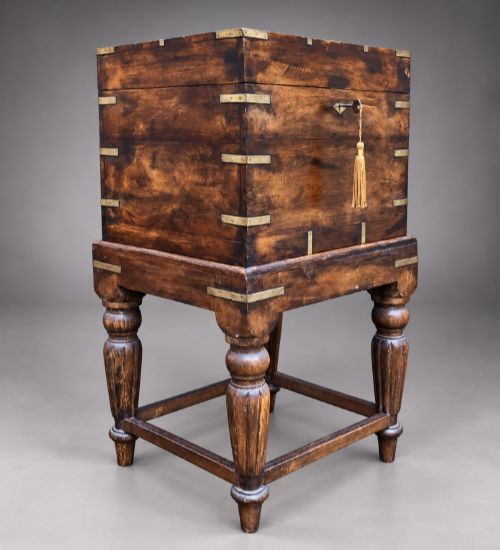
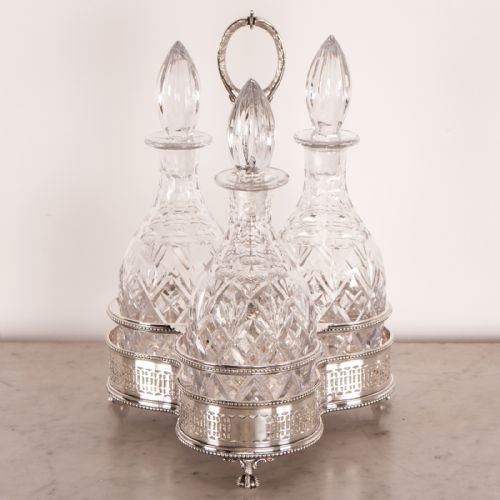
The selections encountered most frequently on this page span the Georgian, Victorian, and Edwardian eras, alongside later Art Deco designs. Buyers regularly meet mahogany cellarettes with brass banding, silver-plated decanter stands with cut glass bottles, and oak tantalus frames fitted with secure locks.
How they were made
Cabinet makers utilised dense hardwoods such as mahogany, oak, walnut, and burr walnut, frequently applying decorative veneers or brass mountings for structural reinforcement and visual contrast. Joinery methods included dovetailing for drawer construction and secure framing for enclosed cabinets, ensuring the heavy weight of glass decanters and liquid contents was supported safely.
Metalwork involved silver plating over base metals or employing solid brass for carrying handles, hinges, and locking mechanisms on tantalus frames. Cut glass and crystal decanters were shaped by hand, pairing with silver-plated or Old Sheffield plate stands to complete the drinks service.
Antique Liquor Stand Retail Price Guide 2026
Typical asking prices for liquor stand among the pieces listed under this phrase on Sellingantiques today, from the lower quarter to the upper quarter. They describe what is for sale here now, not the wider market.
Victorian hosts relied on a tantalus to visibly taunt guests with locked whiskey while keeping the household staff entirely at bay.
What varies in quality
The calibre of an antique liquor stand depends on the selection of timber and the precision of its secondary details, such as hand-cut dovetails and original brass mounts. Finer examples display carefully matched burr walnut veneers or well-figured flame mahogany, whilst lesser items rely on simpler construction.
Completeness dictates standing within the category, with higher value attached to pieces retaining their original fitted interiors, matching cut glass decanters, and functional locking keys. The presence of documented maker attributions further elevates specific cabinets and tantalus frames.
Walker & Hall·Betjemann·Hille·Gillows·Elkington
The Antique Liquor Stand Glossary
- Cellarette
- A dedicated chest or cabinet designed to hold bottles of wine or spirits, often lined and positioned near the dining table. Eighteenth-century versions frequently sat on the floor or low stands.
- Tantalus
- A locking beverage stand that holds decanters securely in place to prevent unauthorised consumption while displaying the contents through a metal frame. The locking bar must be unlocked with a key to release the bottles.
- Decanter set
- A collection of glass vessels paired with a matching metal or wooden tray or stand for serving wine and spirits. These sets commonly incorporate silver plating or cut crystal.
- Wine cooler
- A large vessel used historically to chill bottles in ice before serving at the table. Many George III examples feature lead linings and robust brass banding.
- Cocktail cabinet
- A specialised piece of furniture developed in the twentieth century to house mixing equipment, glassware, and spirits. They often incorporate pull-down serving flaps and illuminated interiors.
Antique Liquor Stand: Frequently Asked Questions
How do you use a tantalus?
A tantalus holds glass decanters beneath a metal locking bar that prevents the stoppers from being removed or the bottles from being lifted out. Inserting a key and releasing the mechanism allows the bar to swing open for serving.
This clever design kept spirits secure from household staff while displaying the cut crystal decanters on a sideboard.
How do I date a wine cooler?
Dating a wine cooler involves examining the timber species, construction techniques, and brass hardware styling. Eighteenth-century models often feature heavy mahogany construction with hand-hammered brass bands and fitted interior dividers.
Later Victorian and Edwardian variations introduce different locking mechanisms, silver plating styles, and oak frames that reflect the manufacturing standards of their respective decades.
Where should I place a cocktail cabinet?
A cocktail cabinet suits a dining room, living room, or study where entertaining takes place. Freestanding twentieth-century models in burr walnut or mahogany function well as focal points against a wall.
Ensuring stable placement away from direct heat sources helps preserve the polished wood finishes and delicate veneer work.