

Antique Liquor Glasses
These antique liquor glasses and associated vessels combine Georgian, Victorian, and Edwardian craftsmanship to hold and serve spirits.
Antique Liquor Glasses
Antique liquor glasses and related barware encompass decanters, tantalus sets, hip flasks, and drinking glasses spanning from the eighteenth century into the twentieth century. The selection leans heavily toward Victorian and Edwardian examples alongside Georgian precursors.
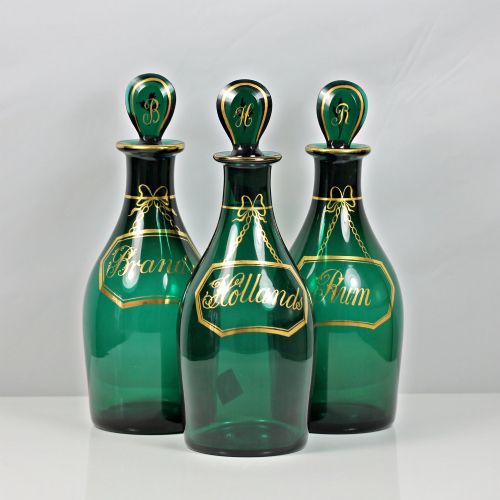
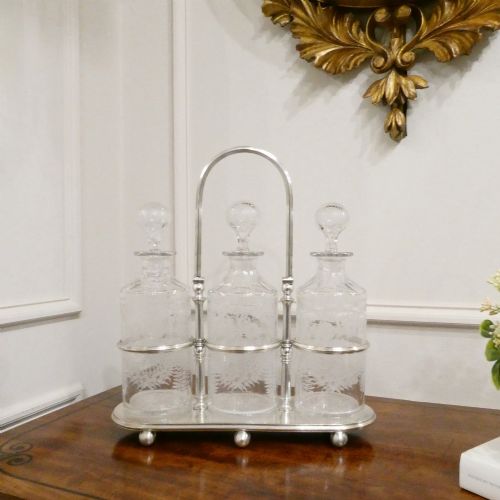
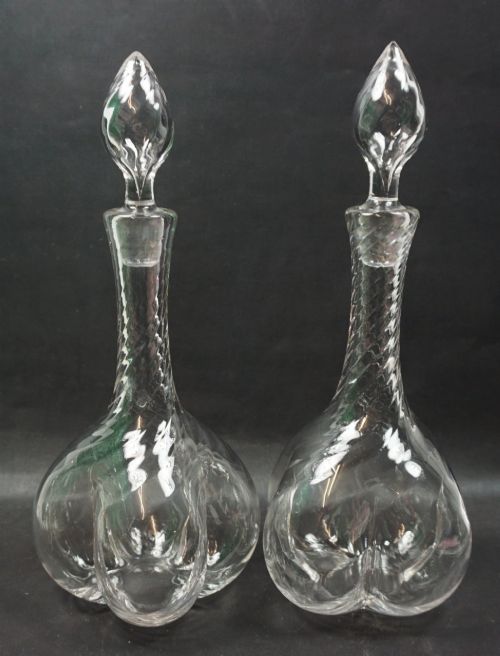
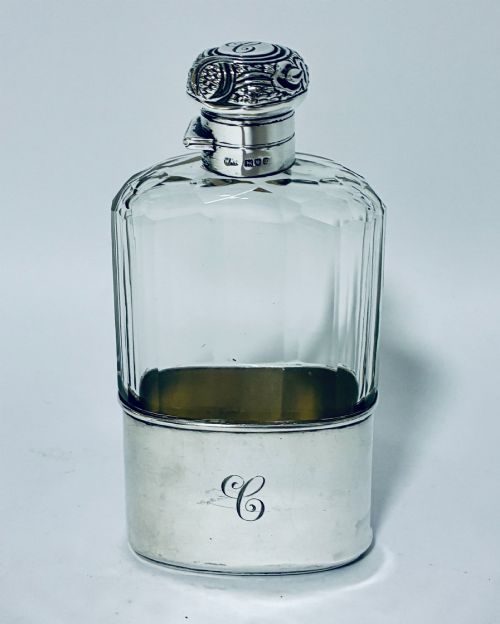
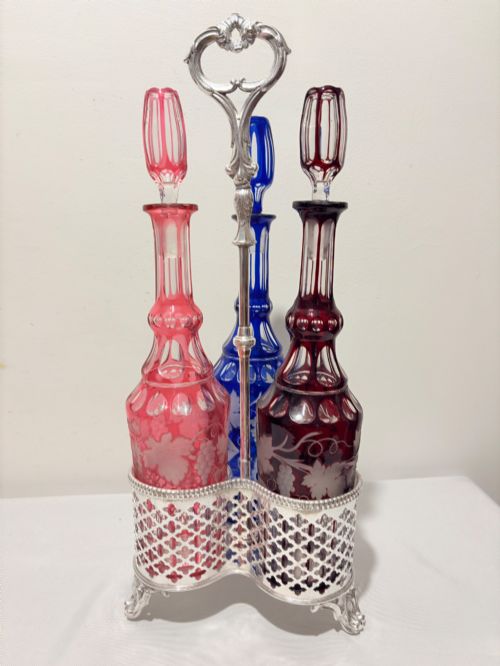
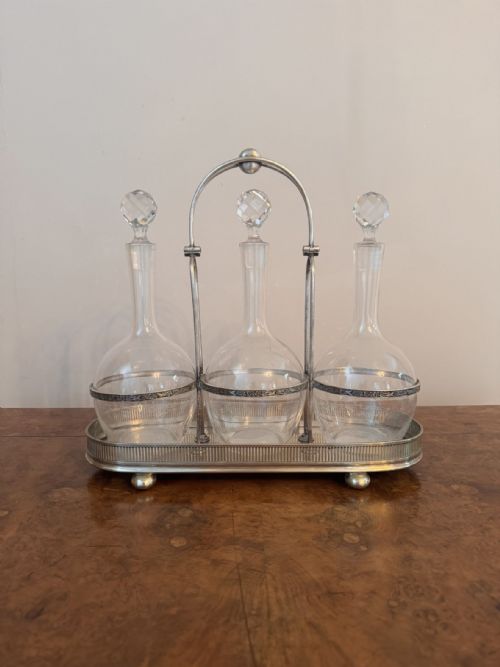
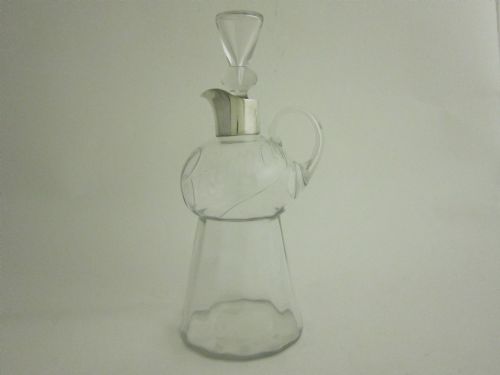
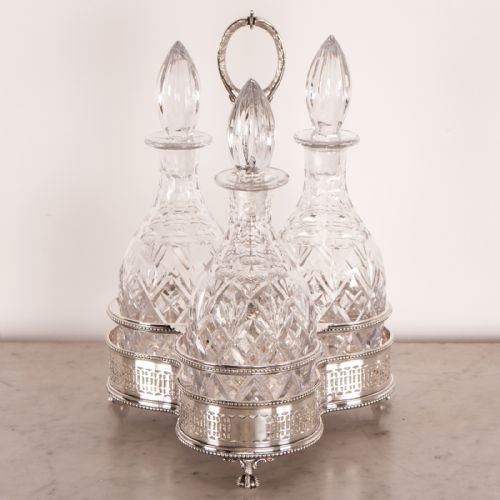
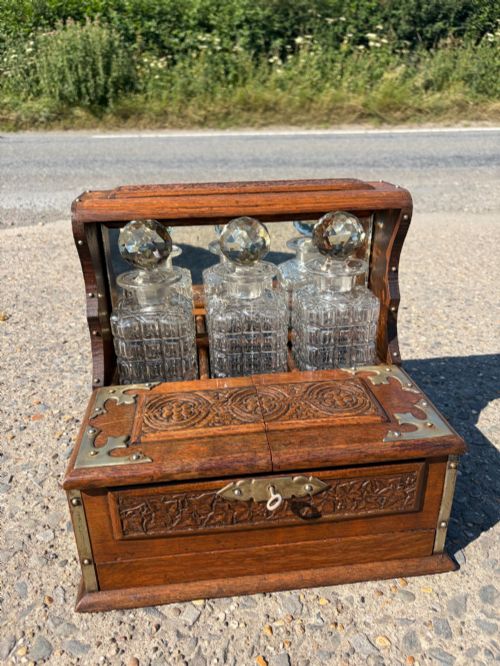
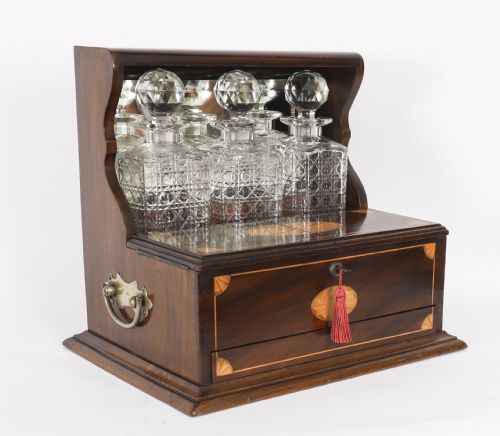
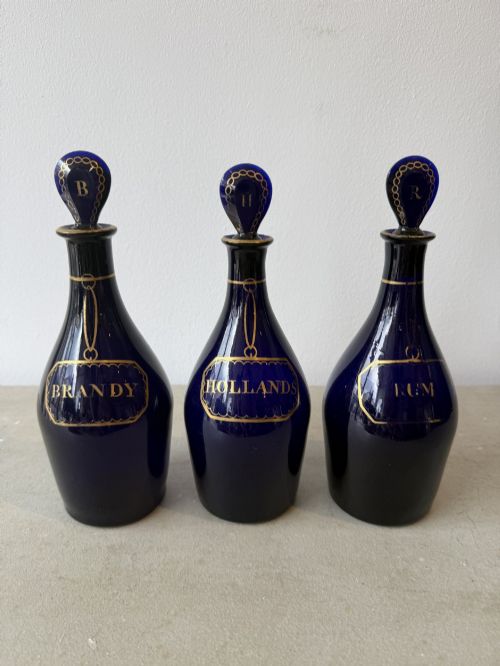
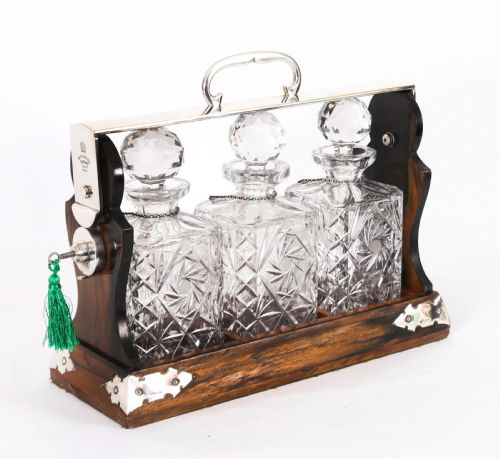
Buyers will encounter single serving bottles, pairs of coloured glass decanters, and fitted boxes or stands housing multiple crystal bottles. Spirit dispensing barrels and silver-mounted hip flasks also appear within this category.
Materials and construction
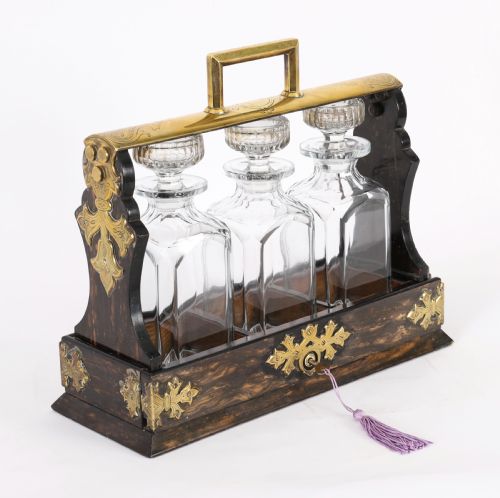
The objects combine glass, cut crystal, and lead crystal with mounts of sterling silver, silver plate, brass, and timber frames such as oak, mahogany, and coromandel. Glassmakers utilised techniques including hand painting, cranberry overlay, engraving, and deep cutting.
Metalwork components feature secure hinges, locks, and hallmarked silver collars, while fitted wooden cases often incorporate inlaid details or leather coverings to house the glassware securely.
Antique Liquor Glasses Retail Price Guide 2026
Typical asking prices for liquor glasses among the pieces listed under this phrase on Sellingantiques today, from the lower quarter to the upper quarter. They describe what is for sale here now, not the wider market.
The listings span from 1740 dram glasses up to Art Deco sets from 1930, utilising glass, oak, silver plate, and sterling silver.
Assessing the work
Quality rests in the crispness of the glass cutting, the depth of hand-engraving, and the weight of the crystal or glass body. Rich colour saturations in ruby, green, blue, or cranberry glass elevate particular examples above standard clear vessels.
The calibre of the supporting hardware makes a significant difference, from sturdy timber tantalus frames with working keys to heavy silver mounts and intact stoppers that match the original bottle.
Walker & Hall·Betjemann’s
The Antique Liquor Glasses Glossary
- Tantalus
- A locked cabinet or stand holding decanters so the contents remain visible yet inaccessible without a key. The mechanism typically secures the stoppers in place.
- Cave a liqueur
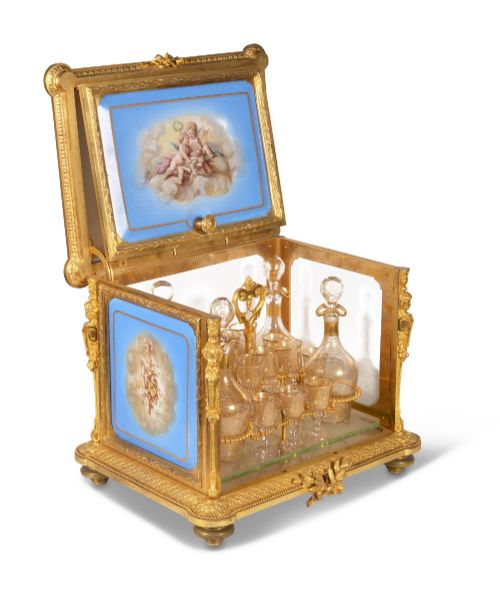
- A fitted French box or case, sometimes lined with velvet or mirror glass, containing a set of matching liqueur decanters and small glasses.
- Cut crystal
- Glassware shaped and patterned by grinding facets into the surface. This technique refracts light and provides a textured grip.
- Hip flask
- A small curved container designed for carrying liquor on the person, frequently fitted with a captive or removable drinking cup at the base.
- Bristol blue
- A deep cobalt blue glass historically produced in English kilns during the Georgian period for spirit storage and serving.
Antique Liquor Glasses: Frequently Asked Questions
How do I date antique decanters?
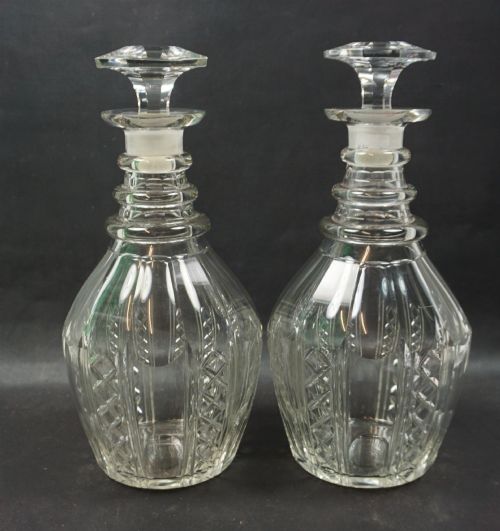
Dating relies on the shape of the bottle, the pontil mark on the base, and the style of the stopper. Georgian decanters often feature triple ring necks and heavy kick-up bases, while Edwardian pieces lean toward bell-shaped profiles.
Associated silver mounts with hallmarked dates provide precise verification when present.
Are stoppers usually original?
Finding matching original stoppers is an important consideration for collectors. Because stoppers were easily broken or misplaced, many vessels retain replacement stoppers from later periods.
Matching the glass tint, wear patterns, and cutting style helps confirm whether a stopper belongs to the bottle.
How should I clean antique glass?
Cleaning antique glass and crystal requires gentle hand washing in lukewarm water with mild detergent. Abrasive brushes and harsh chemicals must be avoided to protect delicate hand-engraved motifs and antique silver mounts.
Wooden frames and leather cases benefit from appropriate conditioning balms rather than direct immersion.