

Antique Lion Mask
These antique lion mask pieces bring the classical strength of cast brass, carved oak, and polished mahogany straight into your home.
Antique Lion Mask
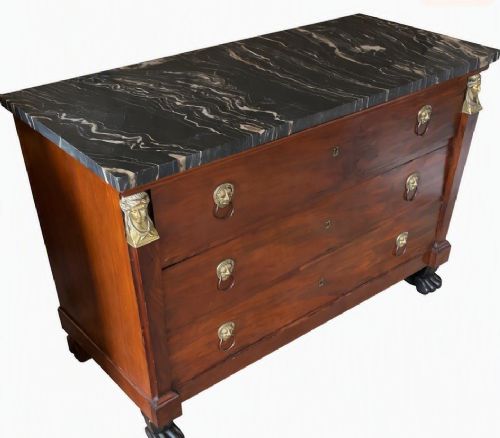
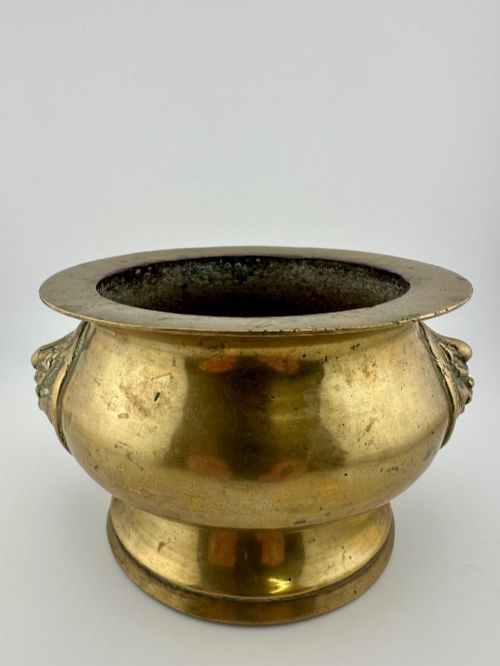
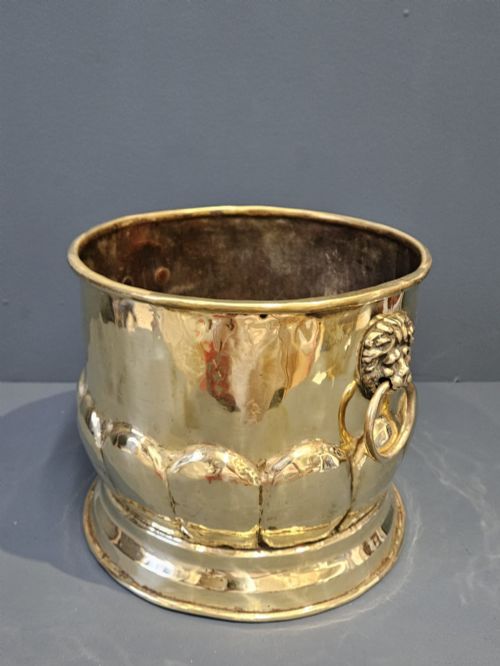
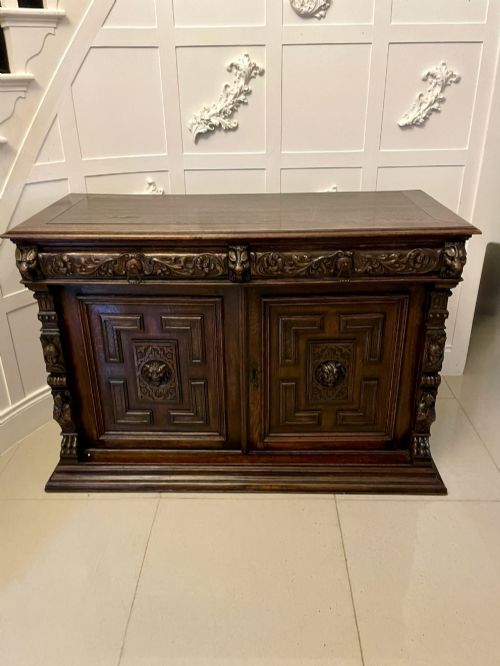
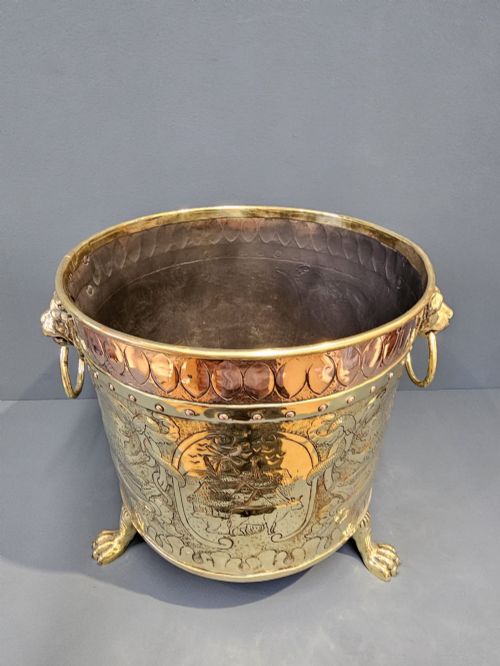
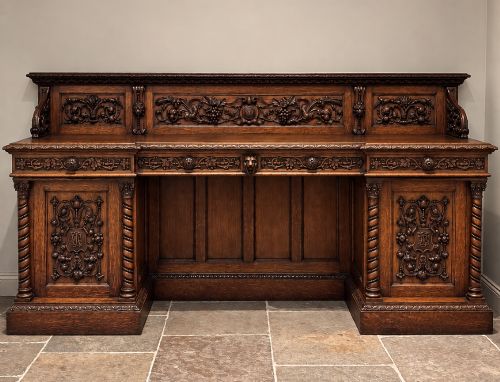
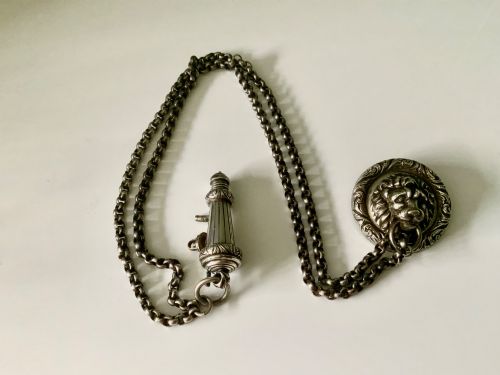
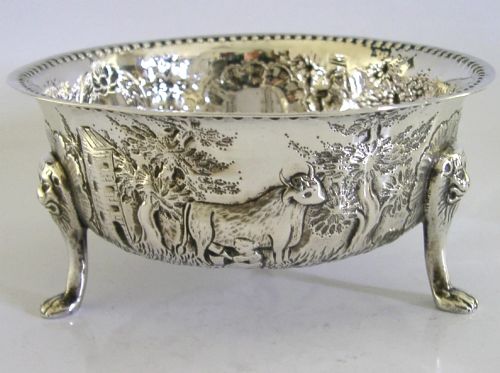
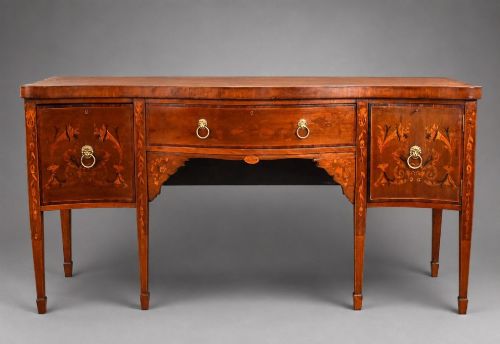
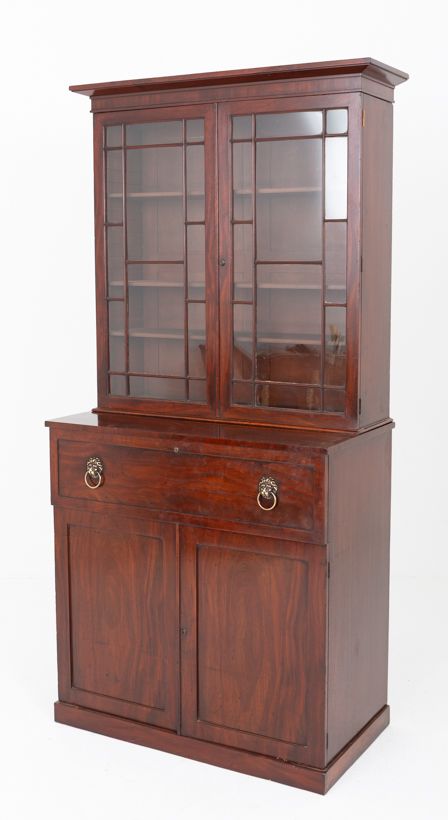
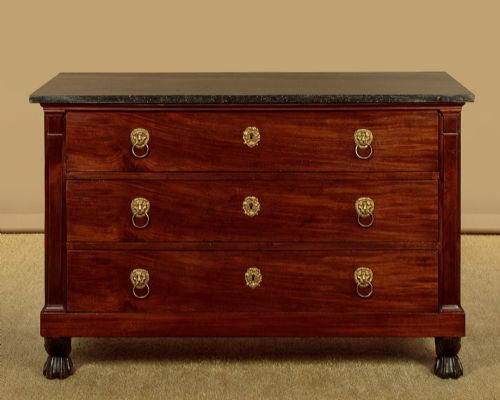
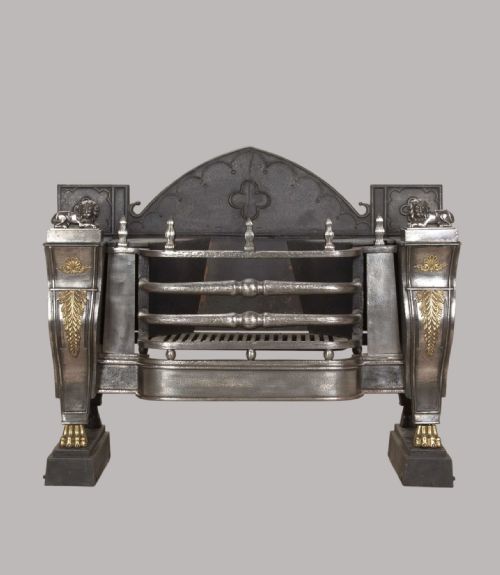
When you search for an antique lion mask, you encounter fierce cast or carved feline motifs adorning furniture, fire accessories, and metal vessels. The most frequent examples on this page appear on sturdy oak sideboards, brass jardinieres, and mahogany chests of drawers.
These items originate predominantly from Georgian, Regency, and Victorian workshops where neoclassical and Gothic Revival styles held sway. Buyers seek out these fierce visages to add historical weight and architectural character to a room.
The motif serves practical purposes as well as decorative ones, often functioning as a drop handle, ring holder, or structural foot. From painted pier mirrors to cast iron garden armchairs, the mask anchors the design with a sense of classical authority.
Materials and construction methods
Makers fashioned these pieces using dense hardwoods like oak, mahogany, and rosewood alongside cast metals such as brass, bronze, and iron. Woodworkers relied on hand carving to bring depth and expression to wooden masks on furniture and tea caddies.
Assessing quality in execution
Quality reveals itself in the crispness of the casting or the depth of the wood carving, where superior examples show distinct teeth, manes, and fur texture rather than soft, blurred edges. The integration of the mask into the host object matters deeply; top-tier pieces treat the motif as an organic part of the overall design rather than an afterthought.
The choice of materials also dictates the standard of the piece, with heavy gauge brass, solid mahogany, and fire-gilt bronze far outlasting thinner metals and veneered softwoods. Original fixings and rings attached to the masks maintain the integrity of the design and separate the exceptional survivals from heavily altered items.
Giles Grendey
The Antique Lion Mask Glossary
- Jardiniere
- An ornamental pot or stand for holding plants or flowers. These vessels frequently feature embossed brass walls and sturdy ring handles.
- Chiffonier
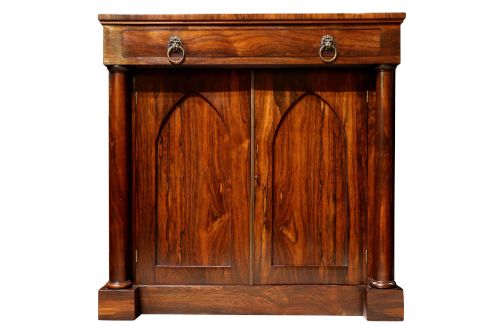
- A small tall sideboard or cabinet popular during the Regency period. They often include enclosed cupboard doors below a drawer.
- Giltwood
- Wood that has been treated with gold leaf or gold paint. This technique accentuates carved decorative elements on mirrors and seating.
- Fusee
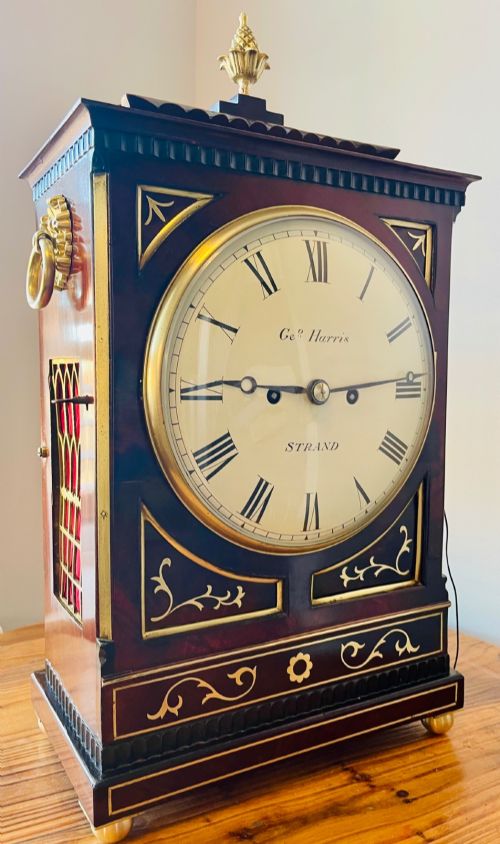
- A conical pulley used in clock movements to maintain even power as the mainspring unwinds. It ensures accurate timekeeping in bracket clocks.
- Ormolu
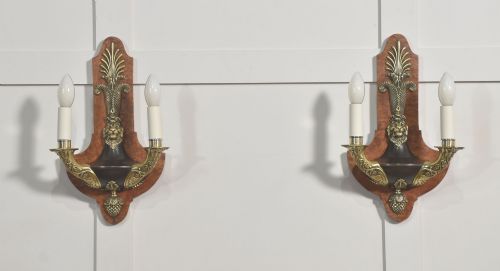
- Finely cast and gilt bronze used for decorative mounts and wall lights. The technique creates a rich golden finish on metal hardware.
Antique Lion Mask: Frequently Asked Questions
What periods are these pieces from?
The pieces span from the late seventeenth century through the Georgian, Regency, and Victorian eras, stretching into the early twentieth century. Most examples date from the nineteenth century when neoclassical and Gothic revivals brought classical motifs back into fashion.
Craftsmen across these different decades reinterpreted the motif in various materials, ensuring that a Victorian oak sideboard looks distinctly heavier and more robust than an earlier Georgian tea caddy.
How were lion masks used on furniture?
Makers utilised the masks primarily as functional decoration, integrating them as pull handles on drawers, drop rings on chests, or fixing points for hanging hardware. They also appeared sculpted directly into wooden furniture frames, such as sofa legs or cabinet corners.
On metalware like coal buckets and jardinieres, the heavy brass or bronze masks provided sturdy anchor points for carrying handles, combining utility with an imposing aesthetic.
How do I care for antique brass and wood?
Preserving these items requires gentle cleaning that protects the aged patina rather than stripping away centuries of character. Dust wooden surfaces regularly and apply appropriate waxes sparingly to nourish the grain of oak or mahogany without building up heavy residues.
For brass and bronze masks, avoid harsh commercial dips that remove historical highlights, opting instead for a soft cloth to remove surface grime while leaving darker recesses untouched.
How can I tell a Georgian piece from a Victorian one?
Georgian items typically display restrained elegance, finer timber selections, and lighter proportions, reflecting classical proportions popular in the eighteenth and early nineteenth centuries. Victorian pieces often embrace heavier carving, denser oak, and more robust Revival styles such as Gothic or Renaissance influences.
Examining the construction methods, such as dovetailing on drawer boxes and the style of the screws or fixings, helps clarify the manufacturing era.