



Antique Linen Wing Chair
An antique linen wing chair offers deep-seated comfort and traditional form, drawing collectors who appreciate historic seating.
Antique Linen Wing Chair
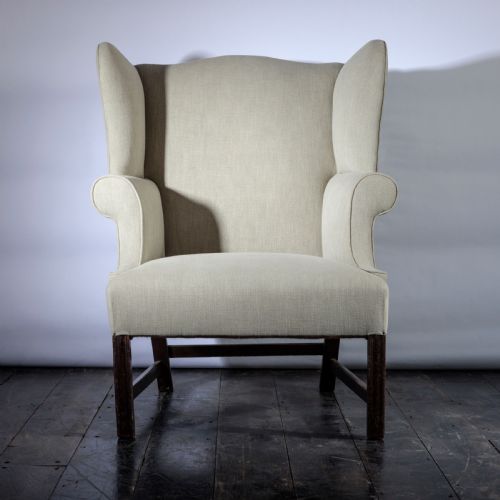
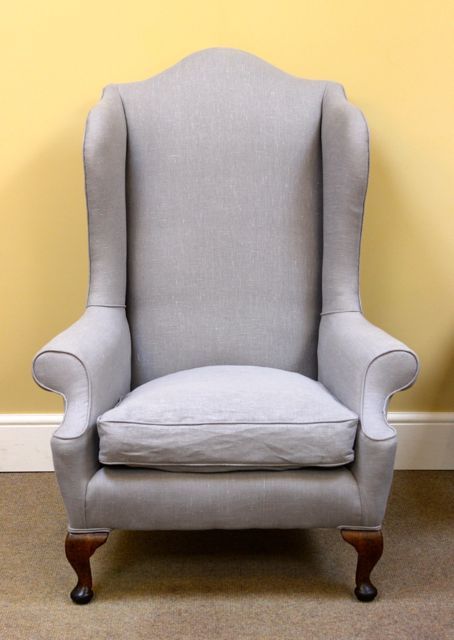
An antique linen wing chair comprises deep-seated armchairs designed with protective side panels on the upper back, intended originally to shield sitters from draughts. The pieces seen here span the 18th century, Victorian, Edwardian, and 19th century periods, showcasing traditional forms built for libraries, parlours, and reading rooms. Georgian and 18th century examples frequently feature mahogany frames paired with linen upholstery.
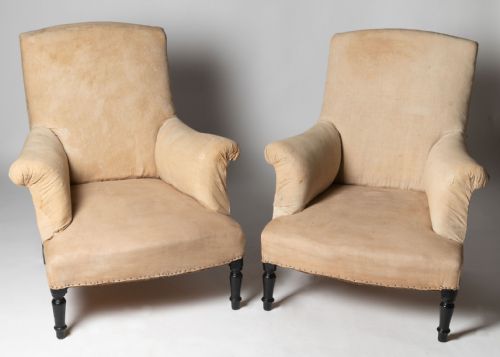
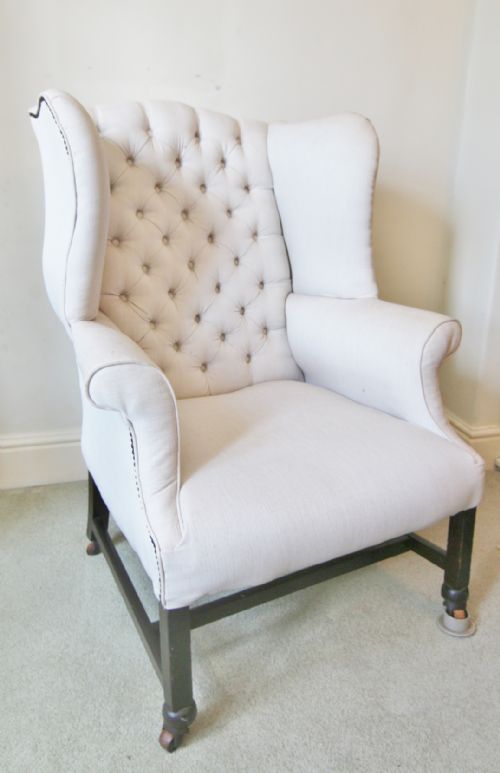
The version most commonly met on this page is the 19th century walnut or mahogany wing armchair, often upholstered in heavy linen fabric. Variants include Edwardian pieces with deep buttoned backs and barrel back armchairs. These armchairs function as substantial standalone seating options within period interiors.
How they were made
The construction of these armchairs relies on dense timbers such as mahogany, walnut, and general wood or timber framing to support the substantial upholstered bodies. Frames are constructed with sturdy joinery to bear the weight of heavy padding and daily use.
Upholstery involves traditional fabric textiles, specifically linen and upholstery fabric, secured across the frame and wings. Brass details occasionally appear on the pieces to accent the woodwork and structural joins.
Antique Linen Wing Chair Retail Price Guide 2026
Typical asking prices for linen wing chair among the pieces listed under this phrase on Sellingantiques today, from the lower quarter to the upper quarter. They describe what is for sale here now, not the wider market.
Listings feature walnut, mahogany, and timber frames paired with linen upholstery, spanning the 18th, 19th, Victorian, and Edwardian periods.
What varies in quality
The distinction between ordinary and superior examples lies in the selection and figuration of the timber frame, such as finely figured walnut or rich mahogany. Chairs exhibiting proportions that balance the height of the back with the width of the wings achieve a more harmonious silhouette.
Another factor is the integration of the upholstery work with the wooden frame, where tight, uniform linen covering and buttoning demonstrate higher craftsmanship. Earlier 18th century and Georgian pieces often display greater sculptural refinement in the legs and arm supports compared to later mass-produced variants.
The Antique Linen Wing Chair Glossary
- Wing back
- A seating design featuring projecting side panels attached to the backrest designed to trap heat and deflect draughts. This characteristic silhouette defines the entire category.
- Barrel back
- An armchair style where the backrest curves continuously around into the arms in a circular enclosure. This form provides a more encompassing seat than standard angular designs.
- Deep buttoned
- An upholstery technique where buttons are pulled deep into the padding in a diamond pattern to secure the filling and create texture. Edwardian examples frequently employ this method.
- Upholstery
- The materials, including padding, webbing, and fabric coverings, that make up the soft working parts of a chair. Linen serves as a traditional outer textile for these historic frames.
Antique Linen Wing Chair: Frequently Asked Questions
What is an antique linen wing chair?
An antique linen wing chair is a traditional upholstered armchair featuring protective side wings on the upper back, designed to block draughts in older homes. The examples found here date from the 18th, 19th, and early 20th centuries.
These pieces combine wooden frames made from mahogany or walnut with durable linen fabrics, serving as both functional seating and historic furniture.
How were wing chairs originally used?
These armchairs were historically placed near fireplaces or in draughty hallways and libraries to keep the sitter warm. The side wings trapped heat from the fire while shielding the occupant from cold air.
Over time, they transitioned into general reading and occasional chairs valued for their comfortable, enclosed seating position.
How do I live with an antique wing chair?
Living with these armchairs involves placing them in studies, living rooms, or reading corners where their traditional proportions can be appreciated. They pair well with both historic and contemporary interiors as statement seating.
Care involves regular gentle cleaning of the linen upholstery and protecting the timber frames from direct heat sources and excessive sunlight.
How can I tell the periods apart?
Dating these armchairs relies on observing the timber species, frame shaping, and upholstery styles. 18th century and Georgian pieces frequently utilise solid mahogany with understated lines, while Victorian examples often feature heavy walnut and larger proportions.
Edwardian pieces introduce specific decorative treatments like deep buttoned backs, helping separate them from earlier, simpler forms.