



Antique Line Drawing Art
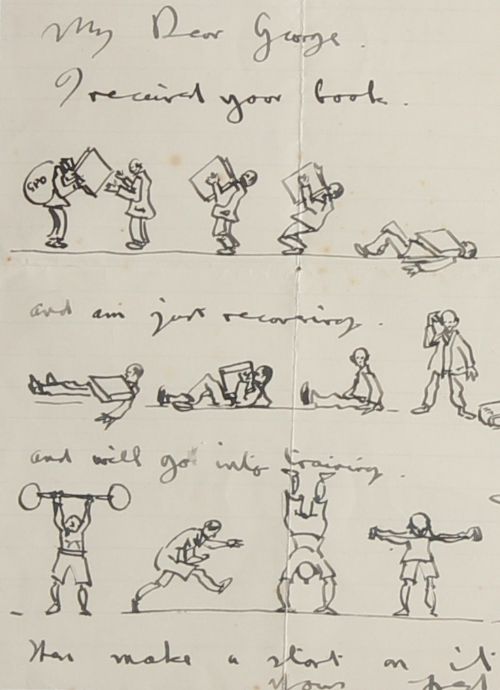
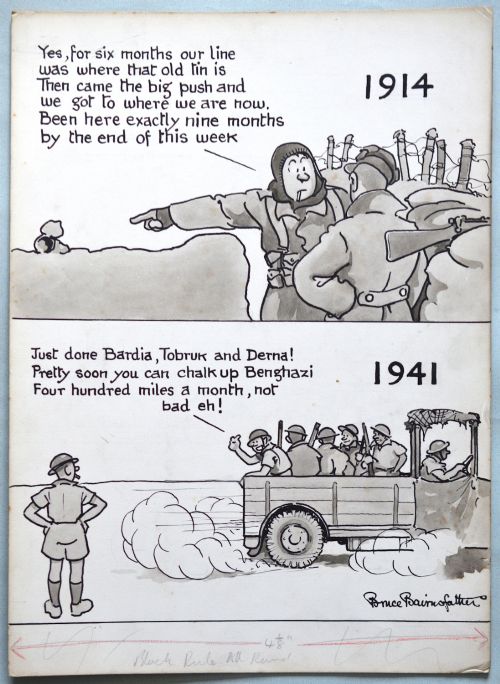
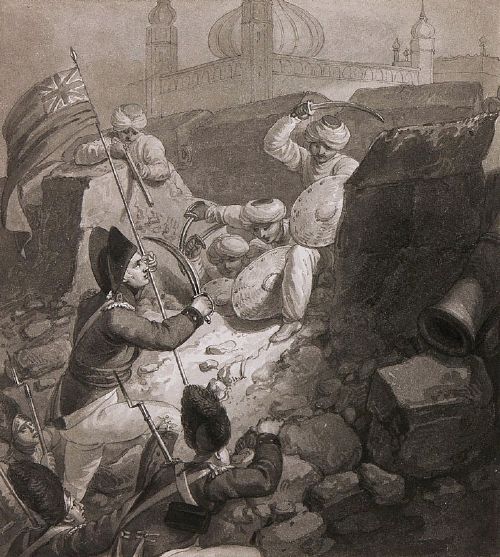
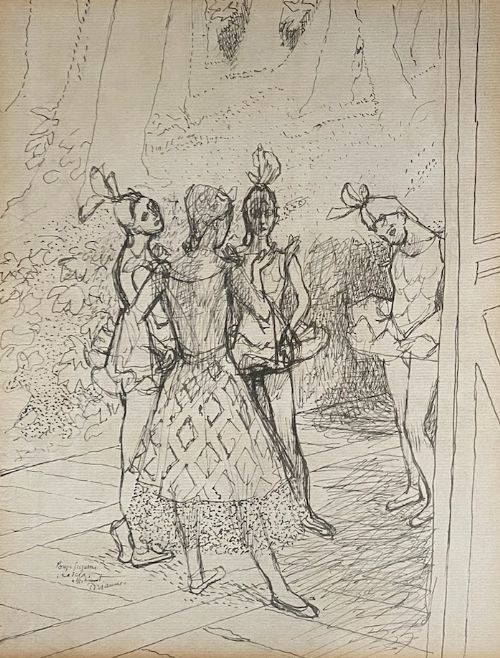
Antique line drawing art brings together original pen and ink works on paper spanning the eighteenth century to the twentieth century.
Antique Line Drawing Art
When you search for antique line drawing art, you encounter works on paper executed in pen and ink, wash, and watercolour across several distinct periods. The selection includes eighteenth century landscape drawings, nineteenth century preparatory studies, and early twentieth century neoclassical illustrations.
You are most likely to meet framed original artwork and works on paper housed in wooden, metal, or giltwood frames. Examples range from individual landscape studies to pairs and sets by named artists and school followers.
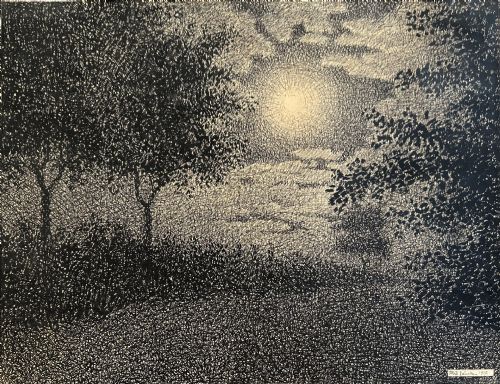
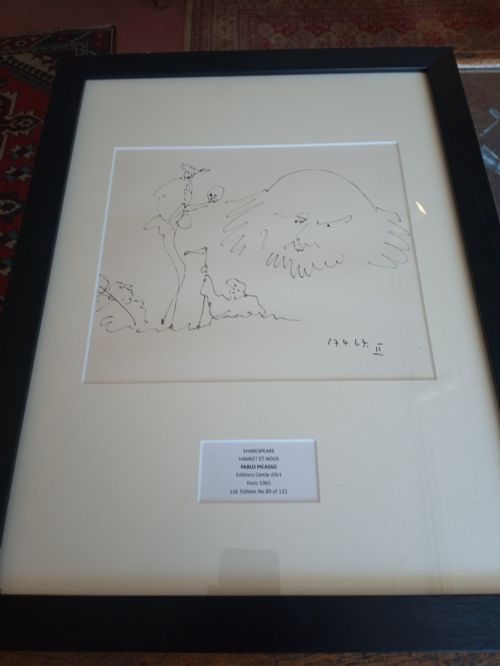
The objects span Georgian, Victorian, Edwardian, and modernist aesthetics, capturing subjects from moonlit landscapes and churchyards to literary illustrations and figures.
How they were made
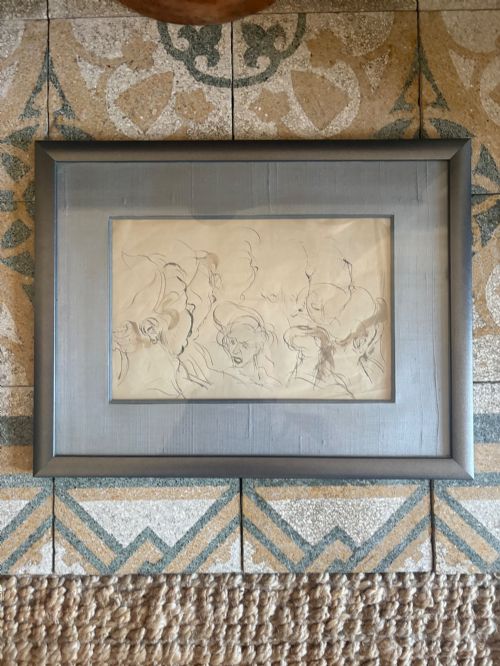
The primary technique relies on pen and ink applied to paper, occasionally augmented with wash or two coloured inks to build tone and depth. Artists utilised fine lines and shading to define form in landscape and figurative subjects.
Framing materials commonly include wood, gilt wood, and giltwood, frequently incorporating scroll mounts or glass protection to preserve the delicate paper works over centuries.
Materials recorded across the listings include paper, ink, wash, glass, wood, metal, gilt wood, and giltwood.
What varies in quality
Quality rests upon the sureness of the ink line and the precision of the draughtsmanship within the original drawing. Preparatory studies and illustrative works demonstrate varying degrees of finished detail executed by the hand of the artist or school.
The framing contributes to the overall character, where period gilt rectangular scroll mounted frames complement the works on paper differently than simple wood or metal surrounds.
Fred Lawson·William Marshall Craig·Alfred Dehodencq·John Flaxman·John Duncan Fergusson
The Antique Line Drawing Art Glossary
- Wash
- A thin, transparent layer of diluted ink or watercolour applied to paper to create tonal shadow and depth beneath or beside linear ink work.
- Preparatory study
- A preliminary drawing executed by an artist to plan composition, figures, or details before undertaking a larger or final finished work.
- Giltwood
- Wood carved and coated with gold leaf or a gold-coloured finish, frequently utilised for antique frames housing works on paper.
- Works on paper
- A broad category encompassing drawings, prints, and illustrations created on a paper support rather than canvas or panel.
Antique Line Drawing Art: Frequently Asked Questions
What periods do these drawings cover?
The listings encompass items created from the eighteenth century through to the mid twentieth century, including Georgian, Victorian, and Edwardian examples.
Specific dates within the titles range from late eighteenth century battle scenes and neoclassical illustrations to nineteen thirties French landscapes.
How are antique line drawings framed?
Many examples are presented in period frames, such as gilt rectangular scroll mounted surrounds or simple wooden and metal frames.
Glass is commonly utilised to protect the delicate paper support and ink medium from environmental damage.
What subjects appear in these works?
Subjects include landscape views such as moonlit scenes and specific locations like Low Fell, alongside figure studies and literary illustrations.
Artists also recorded historical events, architectural settings such as churchyards, and intimate portraits of mother and daughter.
Are these original works of art?
The selection consists entirely of original pen and ink drawings, preparatory studies, and works on paper rather than modern mass reproductions.
Individual pieces originate from named artists, regional schools, and unassigned makers across various historical eras.