

Antique Lighting Standard
An antique lighting standard anchors a room with height and directed illumination, offering period character through metalwork and timber.
Antique Lighting Standard
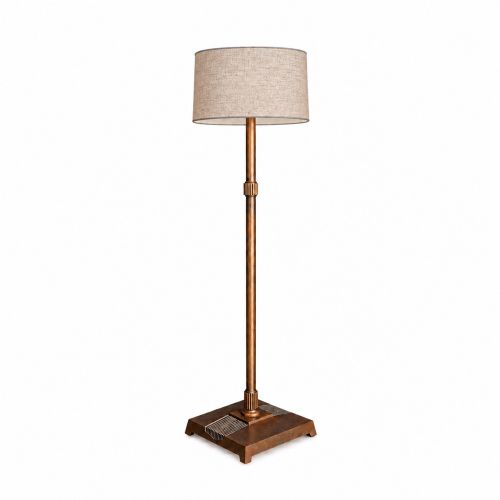
When you search for an antique lighting standard, you are looking at tall floor lamps and standard lamps designed to illuminate large spaces from an elevated position. These pieces stand upright on a base and elevate a light source, historically functioning as oil lamps, candle stands, or early electric fittings. The form serves both practical illumination and decorative presence in a room.
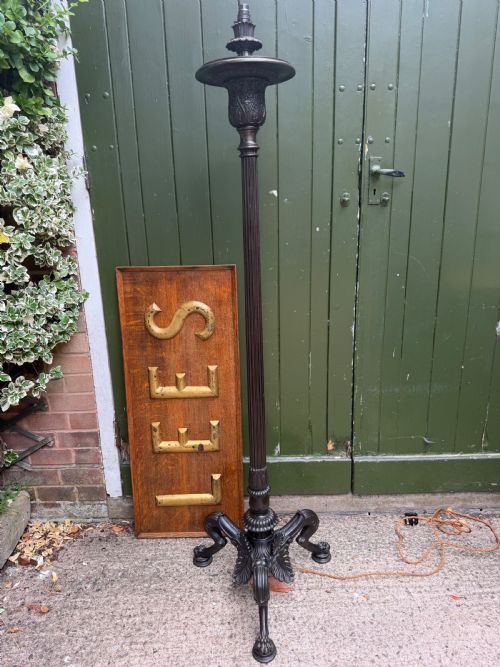
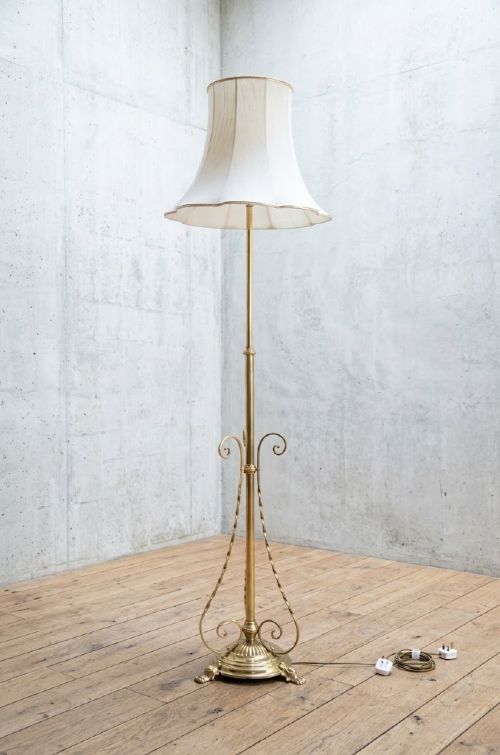
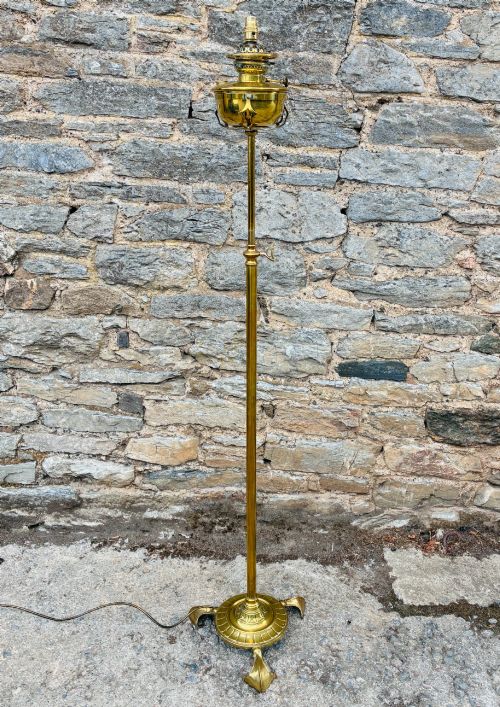
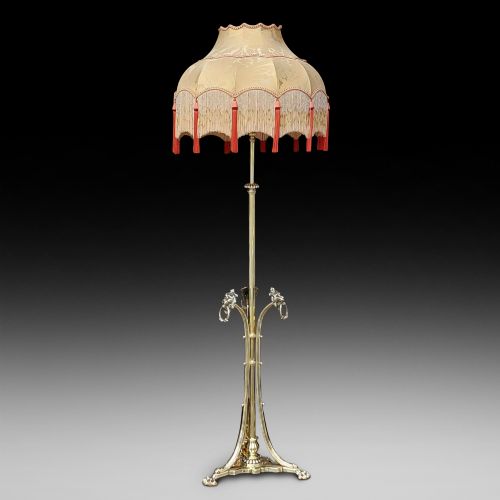
On this page, you will most frequently meet standard lamps and floor lamps originating from the Victorian, Edwardian, and Art Deco periods, alongside earlier nineteenth-century examples. Materials range from cast iron and patinated bronze to carved oak, walnut, and lacquer. Many brass examples survive from the nineteenth century, often converted from oil burning to electricity.
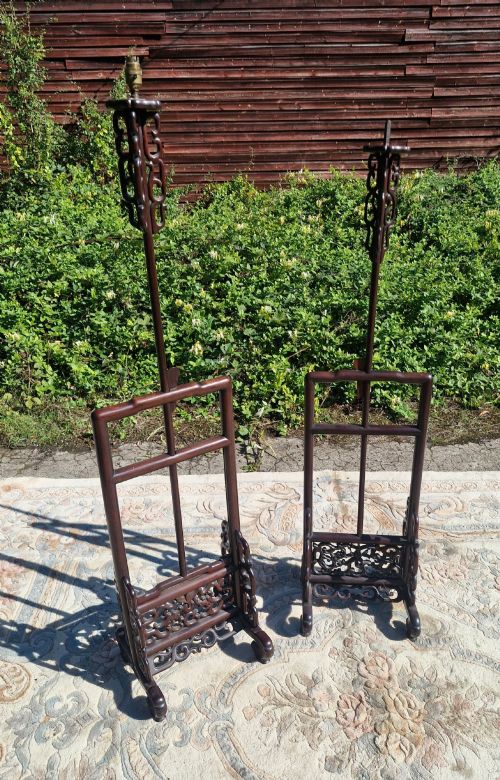
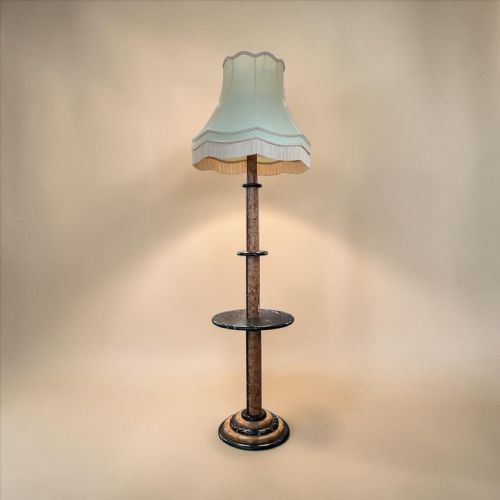
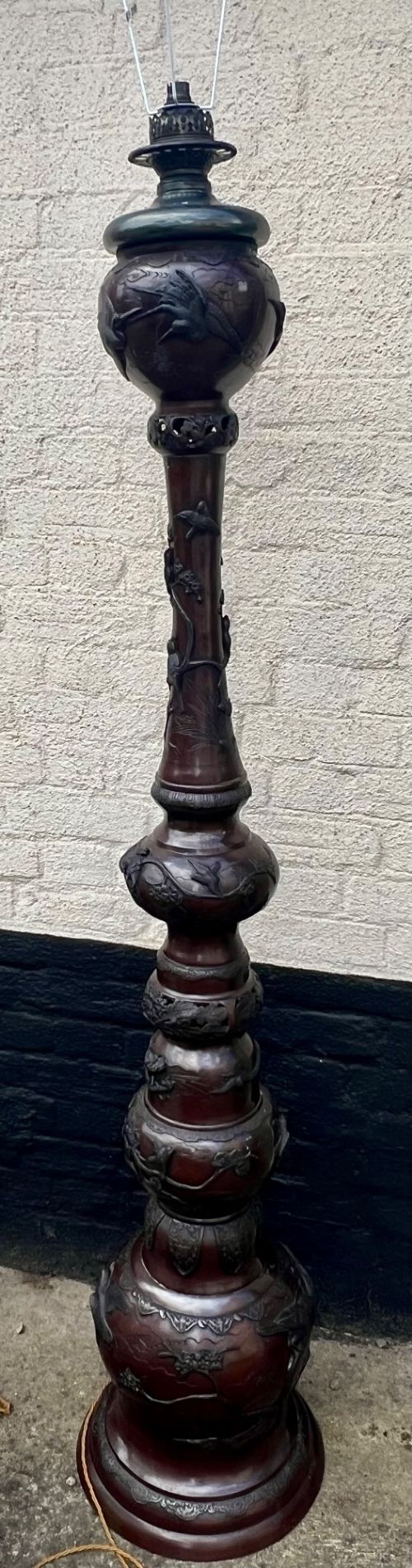
The styles span classical Grecian designs, Gothic Revival, Art Nouveau, and Chinoiserie decoration. You encounter adjustable telescopic heights in brass, as well as wooden columns and solid marble bases. Each style reflects the interior taste of its decade, from nineteenth-century revivalism to the clean geometric lines of the 1920s and 1930s.
Materials and construction methods
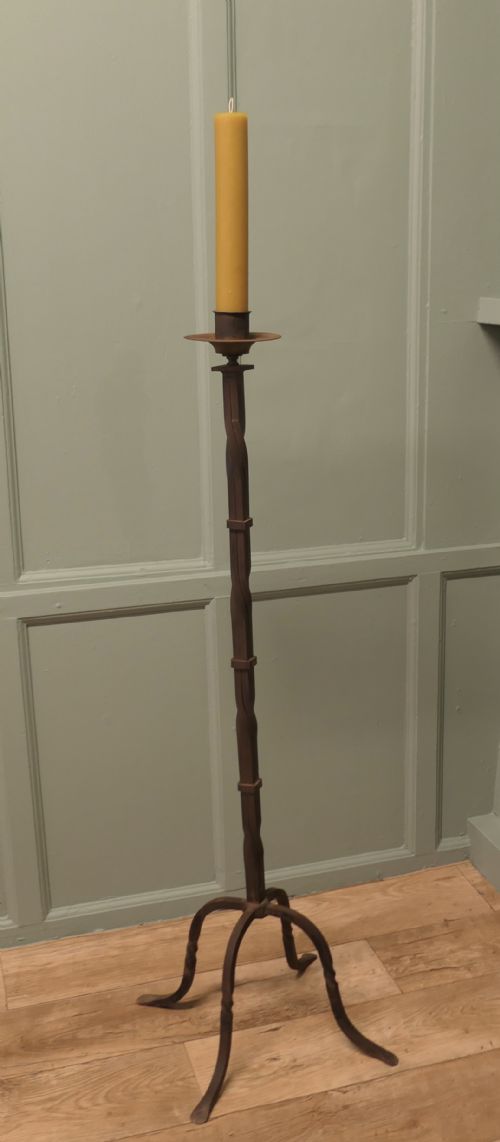
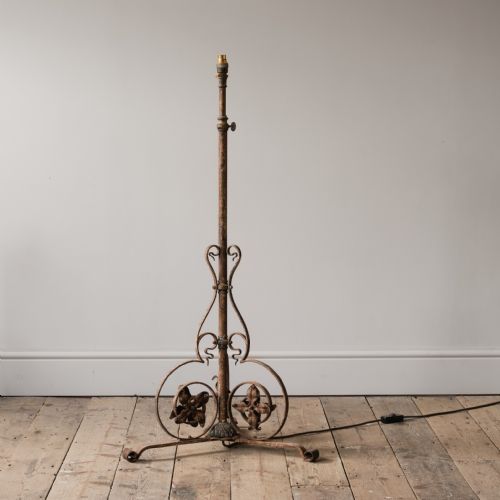
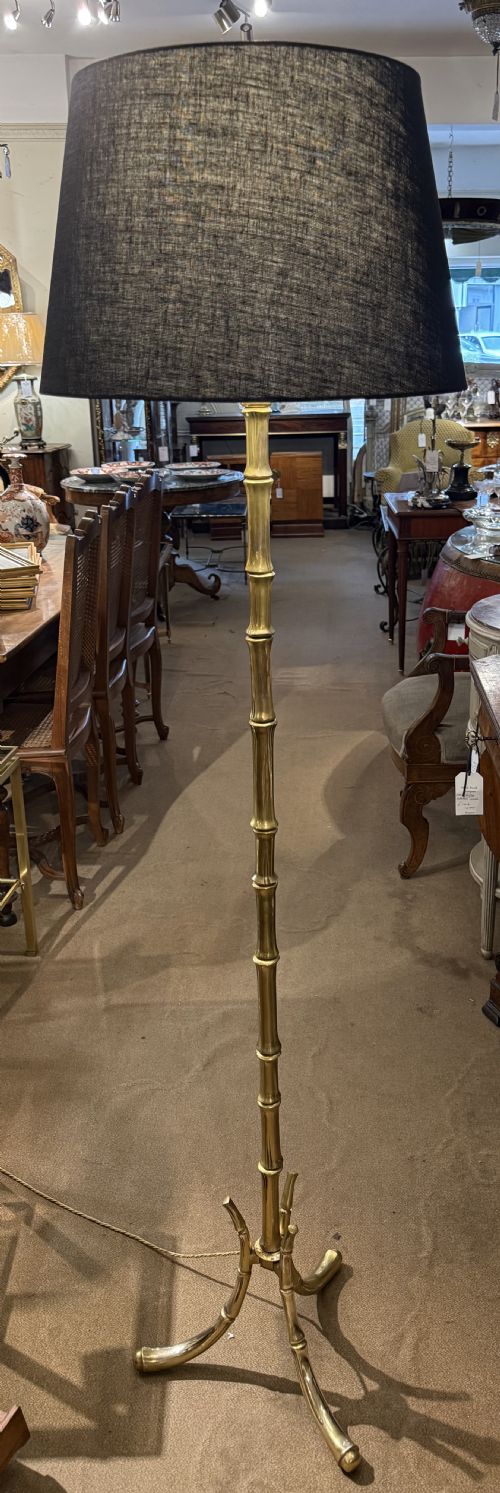
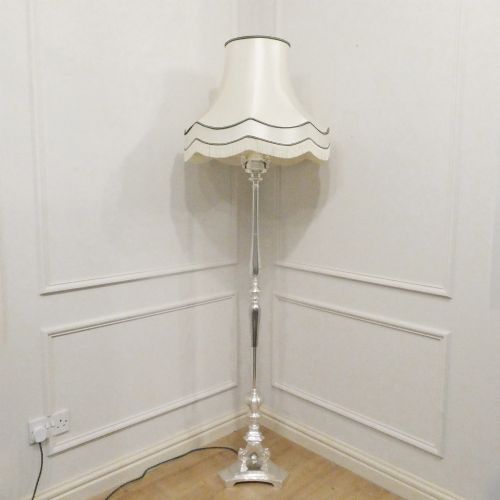
Metals form the structural core of many surviving pieces, utilising cast brass, bronze-patinated cast iron, silver plate, and copper. Blacksmith-made examples demonstrate hand-forged ironwork, while Victorian and Edwardian standard lamps frequently employ heavy brass castings for stability. Telescopic mechanisms rely on precision metal tubing and collar screws to adjust height.
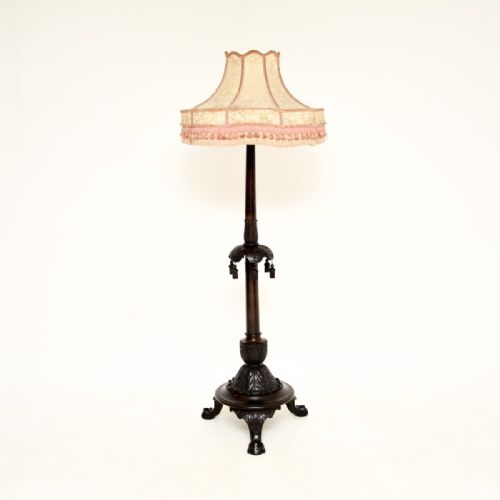
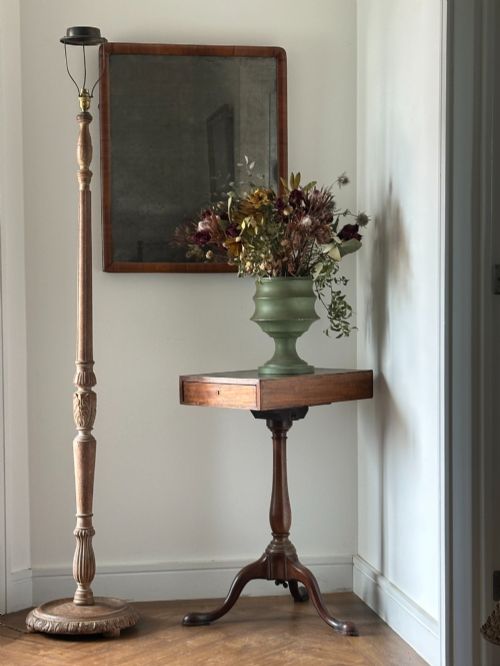
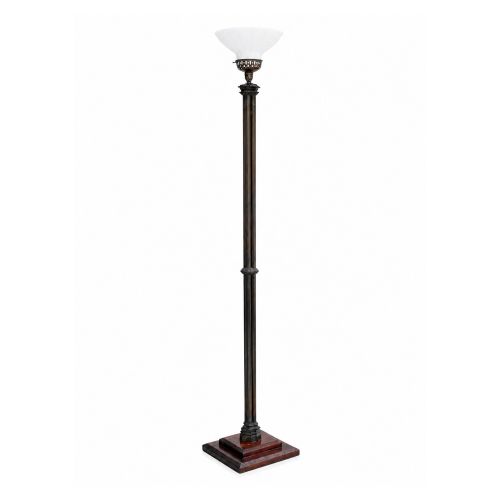
Timber versions utilise hardwoods such as oak, walnut, and satinwood, often shaped by turning on a lathe or carved by hand. Chinoiserie examples apply lacquer and painted decoration over wooden carcases, sometimes incorporating fabric or vellum shades. Marble also appears as a solid base material, adding substantial weight to support tall shafts.
Some Victorian brass standards began life burning oil before welcoming the twentieth-century conversion to electricity with open arms.
Factors that distinguish quality
The weight and stability of the base separate robust constructions from flimsier alternatives. Solid marble, heavy cast bronze, and thick-gauge brass provide a secure footing for tall shafts, whereas lighter metals can flex under the weight of extended stems and shades. Quality shows in the rigidity of telescopic extension mechanisms and the smoothness of adjustment collars.
Carving and surface decoration determine the aesthetic distinction of wooden and lacquered pieces. Hand-carved oak, walnut, and giltwood exhibit crisp detailing in foliage and classical motifs, distinguishing them from simpler turned poles. Hand-painted Chinoiserie lacquer and patinated bronze finishes display depth and layering that mass-produced treatments lack.
Maison Bagues·Hinks of Bham
The Antique Lighting Standard Glossary
- Standard lamp
- A tall floor-standing lamp designed to illuminate a room from height. It typically consists of a heavy base, a vertical column, and a fitting at the top for a bulb and shade.
- Telescopic
- An adjustable mechanism allowing the vertical shaft to extend or contract in height. This feature is common on nineteenth-century brass oil lamp standards adapted for later electrical use.
- Bouillotte
- A type of lamp featuring adjustable twin candle arms or light sources beneath a central shade. Originating in France, these pieces are traditionally adapted for desk or floor placement.
- Giltwood
- Timber coated with a thin layer of gold leaf or gesso. This finish appears on Neoclassical and revival standard lamps to create a rich decorative surface.
Antique Lighting Standard: Frequently Asked Questions
How do I choose the right height?
Consider the ceiling height of your room and the intended placement beside seating. Telescopic brass models allow you to adjust the elevation precisely.
Taller standards suit large reception rooms, while shorter floor lamps integrate more easily into cosy corners or beside armchairs.
Are these lamps safe to use today?
Many older pieces arrive with modern electrical wiring or have been successfully converted from oil or gas. You should have any antique wiring inspected by a qualified electrician before daily use.
Original brass telescopic standards often house modern internal wiring cleanly through their central shafts.
How do I care for wooden and lacquered bases?
Dust wooden columns regularly with a soft, dry cloth and avoid harsh chemical cleaners. Lacquered Chinoiserie finishes require gentle maintenance to preserve painted surfaces.
Keep these lamps away from direct heat sources and strong sunlight to protect the wood and lacquer from drying out.