



Antique Lighting Piece
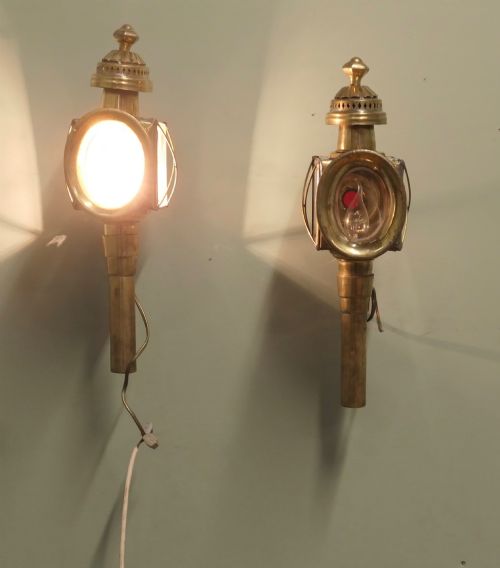
An antique lighting piece brings genuine period atmosphere into a room through honest metal, glass and timber craftsmanship.
Antique Lighting Piece
When you search for an antique lighting piece, you encounter a varied selection of functional household objects spanning multiple historic eras. The items range from Victorian brass spelter candlesticks and frosted ruby glass bowls to early twentieth-century art nouveau table lamps and silver-plated candelabra suites.
You are most likely to meet metal and glass fixtures originating from the nineteenth and early twentieth centuries on this page. Alongside dedicated illuminating items, the selection occasionally includes broader domestic forms associated with period interiors, reflecting the varied nature of past lighting and home appointments.
How they were made
Makers utilised durable base metals and cast spelter to form structural figures and candelabra bodies, frequently applying surface finishes like silver plating or gold leaf. Brass barrels and components provided robust mechanical strength for functional hardware.
Glass elements relied on specialist moulding and blowing techniques, seen in ruby and cranberry coloration, alongside frosted finishes and applied gilding. Metalwork and glass components were then combined to create decorative chandeliers, lamps and candle holders.
Antique Lighting Piece Retail Price Guide 2026
Typical asking prices for lighting piece among the pieces listed under this phrase on Sellingantiques today, from the lower quarter to the upper quarter. They describe what is for sale here now, not the wider market.
Current listings span from the eighteenth century to the early twentieth century, incorporating materials like brass, spelter, ruby glass and oak.
What varies in quality
The standard of modelling in figural spelter and cast metal components dictates much of the visual success in sculptural pieces. Crisply defined facial expressions, sharp drapery folds and well-executed relief work separate superior examples from softer, more generic castings.
The depth and clarity of coloured glass, such as ruby or cranberry tones combined with hand-applied gilding, determine the refinement of glass bowls and shades. Heavier gauge metals and more intricate assembly methods indicate higher ambition in the original workshop.
WILSON
The Antique Lighting Piece Glossary
- Spelter
- A zinc alloy commonly used as a cost-effective substitute for bronze in the production of 19th-century figures and candlesticks. It is often painted or electroplated to resemble more expensive metals.
- Candelabra
- A branched candlestick designed to hold multiple candles simultaneously. These fixtures range in scale from domestic mantel pieces to large dining table suites.
- Ruby glass
- A deep red decorative glass created by adding gold chloride to the molten batch during production. It was widely utilised in Victorian tableware and lighting components.
- Art Nouveau
- An international decorative style popular around 1900, characterised by organic plant motifs and fluid, asymmetrical lines. It heavily influenced the design of table lamps and domestic hardware.
- Gilding
- The application of gold leaf or gold powder to the surface of metal, wood or glass objects. This technique enhances decorative details and protects underlying materials from tarnishing.
Antique Lighting Piece: Frequently Asked Questions
What materials are common?
The listings feature brass, spelter, ruby glass and silver-plated metal alongside various woods like oak and pine. These substances defined period domestic manufacture.
Makers combined cast metals with blown or frosted glass to achieve both structural stability and decorative illumination in the home.
How do I date them?
Stylistic indicators such as art nouveau curves or renaissance revival soldier figures help place items in the nineteenth or early twentieth century. Construction methods and material types offer further clues.
Comparing decorative motifs against established design periods remains the most reliable method for determining age.
Were these items electrified?
Many items began life as candle holders, oil lamps or gas fixtures before domestic electricity became standard in houses. Table lamps and chandelier components often show adaptations made for modern wiring.
Original burners and fittings frequently survive alongside later conversions.
How should I clean glass?
Delicate glass bowls and cranberry shades require gentle washing with warm water and mild soap to protect applied gilding and frosted surfaces. Avoid abrasive cloths that might scratch the material.
Careful handling is essential when maintaining antique glass and plated metal components.