


Antique Lighting Decor
These antique lighting decor pieces are period candleholders, lamps and lustres that bring warmth and character to a room.
Antique Lighting Decor
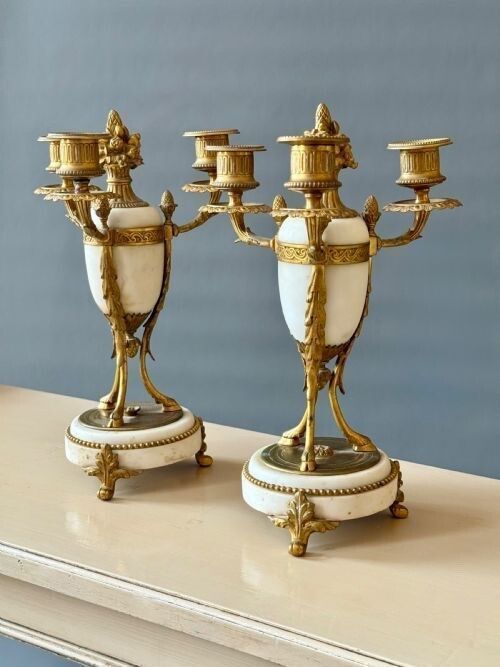
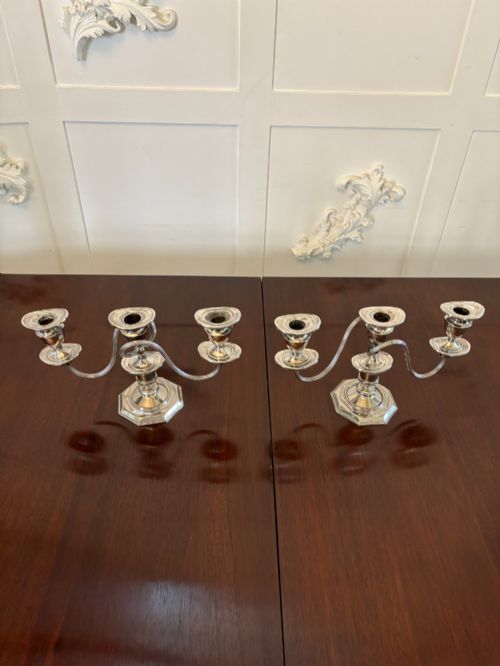
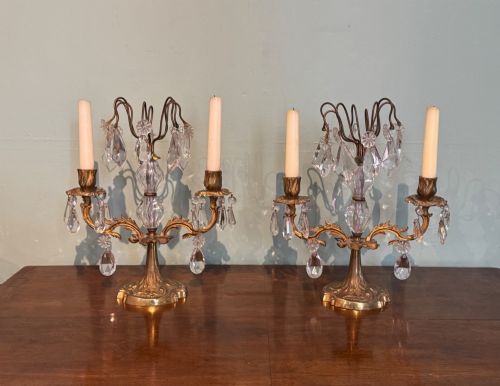
When searching for antique lighting decor, buyers encounter practical domestic objects designed to hold candles or burn oil. The selection spans straightforward brass candlesticks from the eighteenth and nineteenth centuries alongside decorative candelabra and mantel lustres.
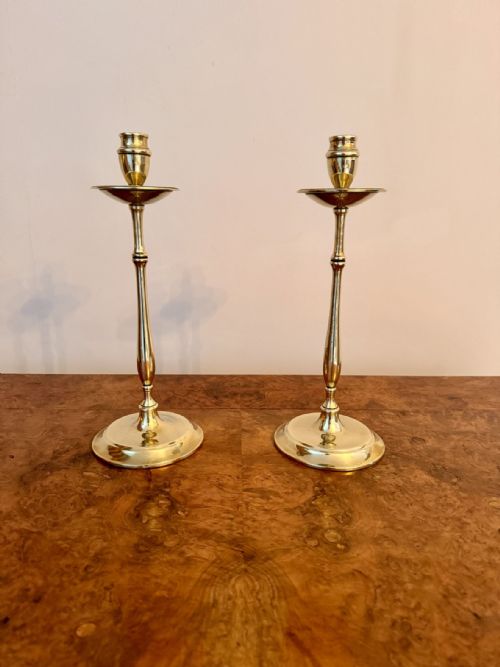
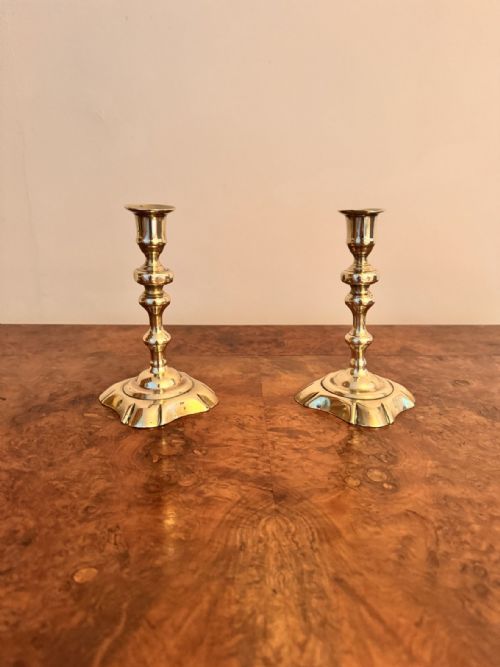
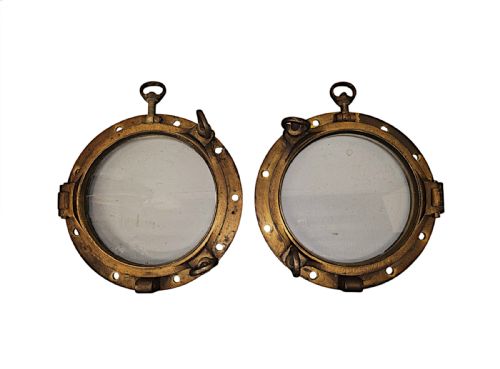
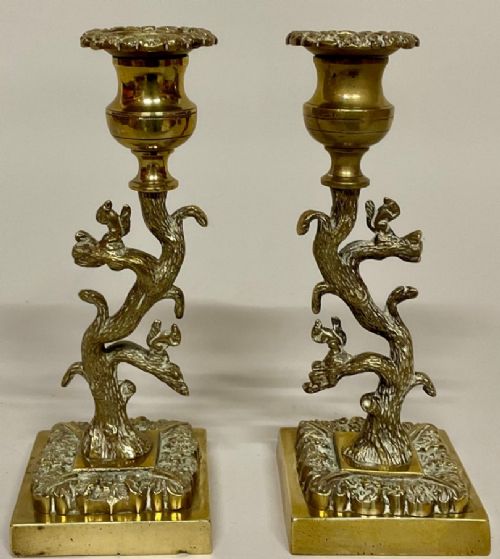
The most common forms on this page are pairs of brass candlesticks from the Victorian and Georgian eras. Alongside these, items such as oil lamps, architectural brass port holes and figural bronze pieces appear from periods ranging across the eighteenth, nineteenth and early twentieth centuries.
Materials and methods of construction
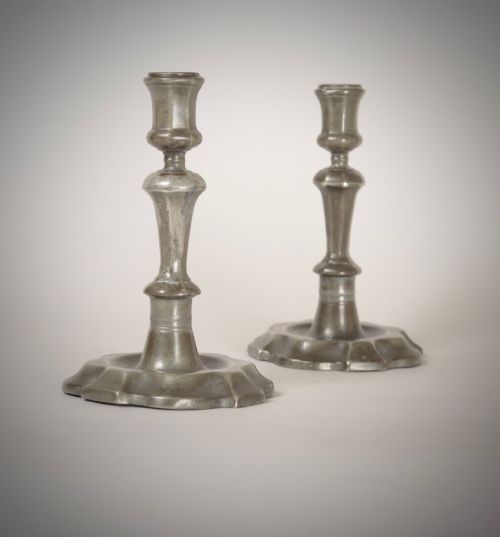
Metalworking dominates the construction of these items, with brass, bronze, pewter and silver plating shaped through casting, turning and seaming. Many brass examples utilise turned stems and heavy bases for stability during use.
Antique Lighting Decor Retail Price Guide 2026
Typical asking prices for lighting decor among the pieces listed under this phrase on Sellingantiques today, from the lower quarter to the upper quarter. They describe what is for sale here now, not the wider market.
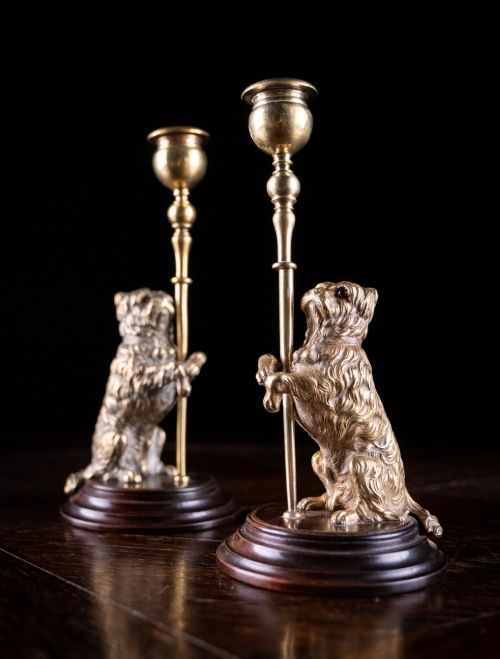
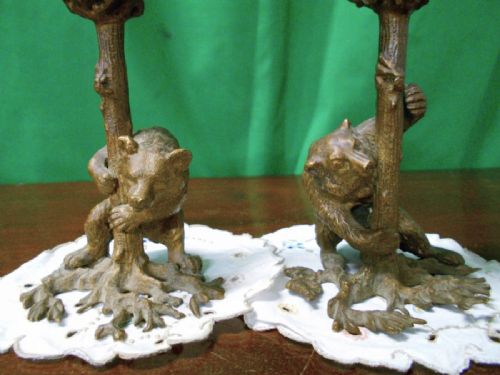
Several pieces double as small wildlife habitats, featuring squirrels climbing branches and standing terrier dogs holding your candles.
Distinctions in standard and finish
Quality in these pieces rests upon the crispness of the casting and the weight of the metal used in the body. Heavier brass and bronze items show deeper relief in sculptural details like foliage, animal figures or neoclassical motifs.
Refinements such as well-balanced proportions, intact enamel or tortoiseshell inlays and original mercury gilding distinguish finer examples from plain utilitarian hardware. The integrity of assembly, whether through clean joints in seamed bronze or precise turning on timber shafts, marks the work of skilled workshops.
Liberty & Co·Archibald Knox
The Antique Lighting Decor Glossary
- Candlestick
- A portable holder with a single socket designed to support a wax or tallow candle. They often feature removable nozzles or ejector mechanisms inside the stem.
- Candelabra
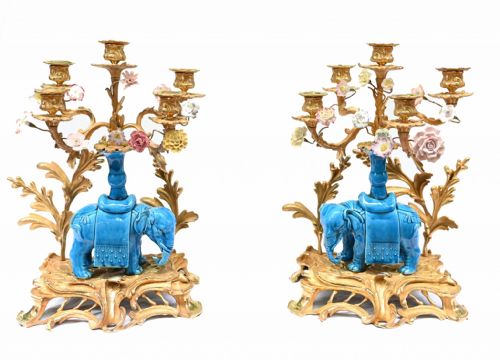
- A branched lighting fixture holding multiple candles across separate arms. These frequently incorporate sculptural figures or marble bases in French designs.
- Mantel Lustre
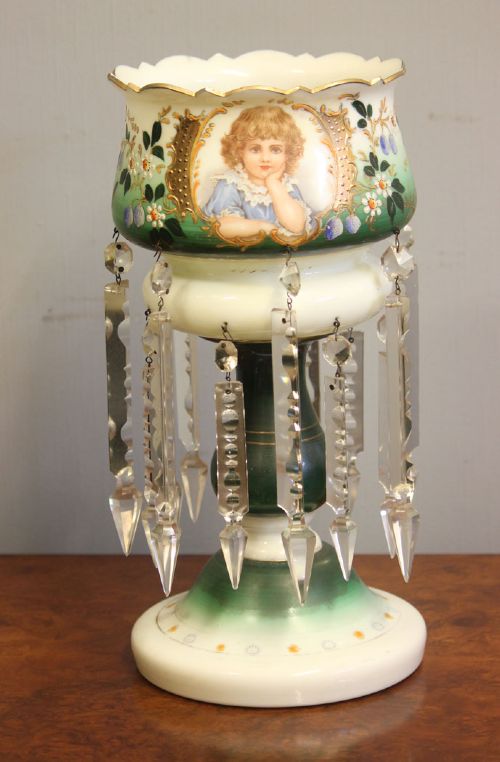
- An ornamental glass vase or urn hung with cut crystal prisms designed to reflect candlelight from a mantelpiece. They date predominantly from the Georgian and Victorian periods.
- Port Hole
- A heavy brass marine fitting adapted for interior decoration. These circular frames retain thick glass panels set into robust metal rings.
Antique Lighting Decor: Frequently Asked Questions
What is the difference between a candlestick and a candelabra?
A candlestick holds a single candle in one socket on a central stem. A candelabra branches out into multiple arms to support several candles simultaneously.
Candlesticks focus on simple, functional illumination while candelabras serve a more decorative and substantial role on dining tables or sideboards.
How do I care for antique brass lighting decor?
Dust the surface regularly with a soft, dry cloth to prevent the buildup of grime. Avoid aggressive metal polishes that strip away the aged patina accumulated over centuries.
Store or display the pieces away from excessive moisture and direct heat sources to protect any underlying structure or finish.
Were these lighting pieces originally electrified?
Most of these items were built to hold wax candles or burn oil before domestic electricity existed. Metal sockets and font assemblies were engineered for open flames rather than wiring.
Converting them for modern electrical use requires careful internal routing that preserves the original exterior metalwork without causing permanent damage.
How can I tell the period of a brass candlestick?
Georgian examples often feature petal bases and lighter, hand-turned components with distinct tool marks. Victorian versions tend to be heavier and may include ejector mechanisms or bolder Gothic revival styling.
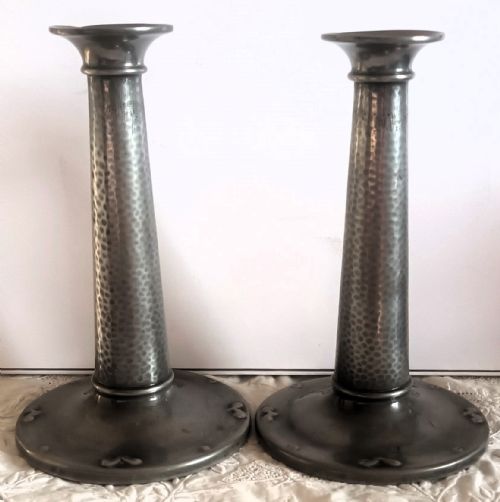
Construction methods like seaming or casting provide clues to the manufacturing decade alongside stylistic traits such as Arts and Crafts hammered surfaces.