


Antique Lighting Brass Lamp
These antique lighting brass lamp pieces bring heavy metal warmth and period character to a room, ranging from column table lamps to chandeliers.
Antique Lighting Brass Lamp
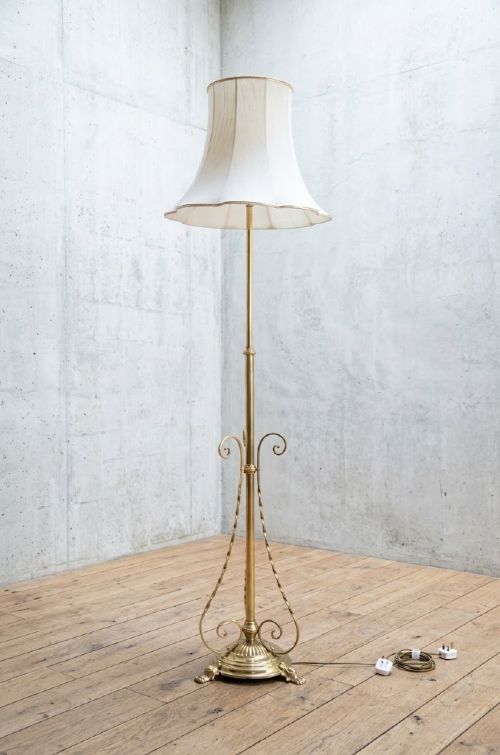
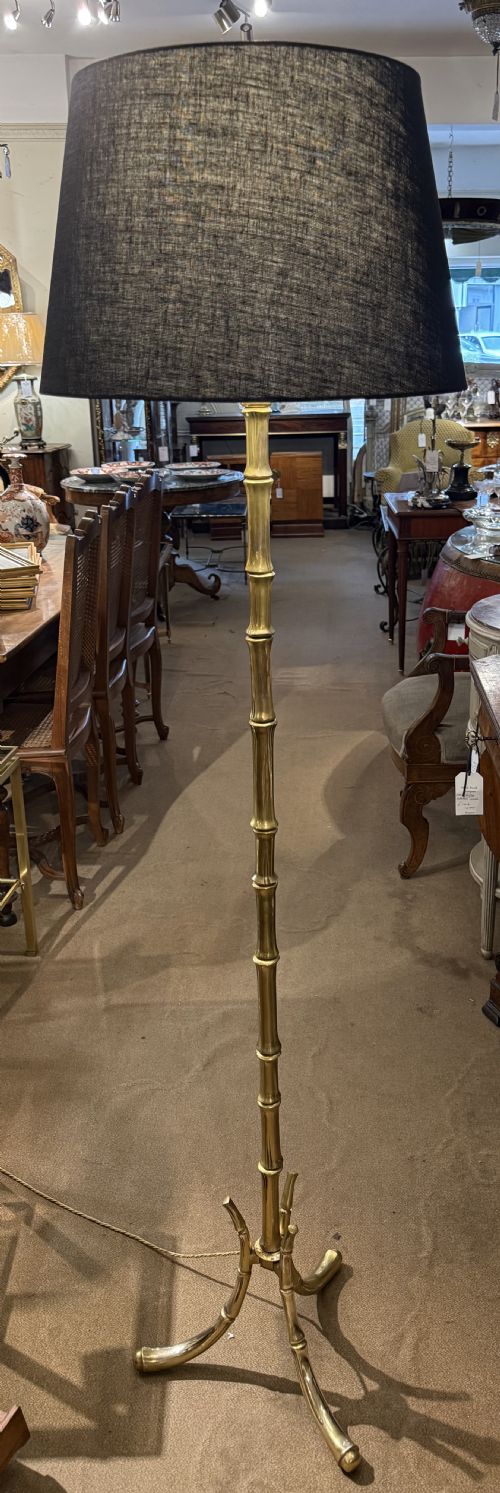
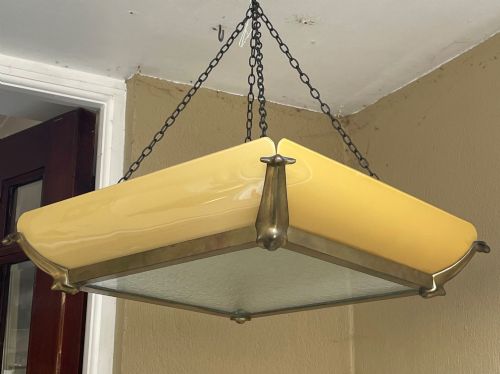
When you search for an antique lighting brass lamp, you encounter a wide selection of items that illuminate domestic and public spaces from past centuries. The pieces on this page span table lamps, floor lamps, chandeliers, wall lights, and pendant lights originating from the Victorian, Edwardian, and Art Deco eras.
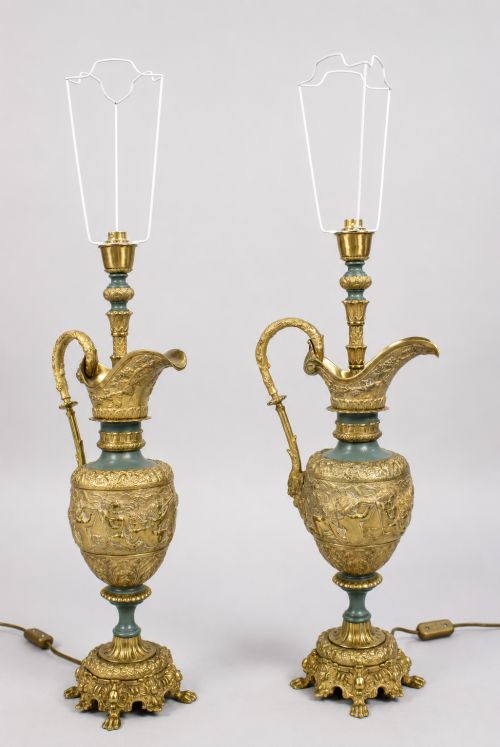
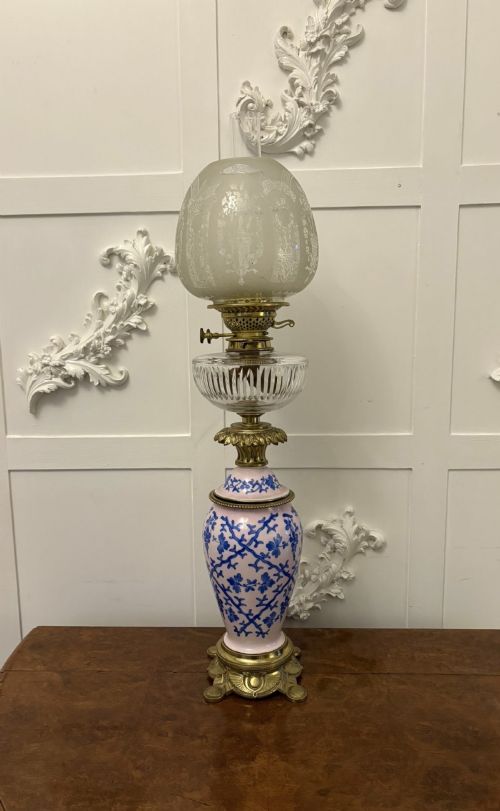
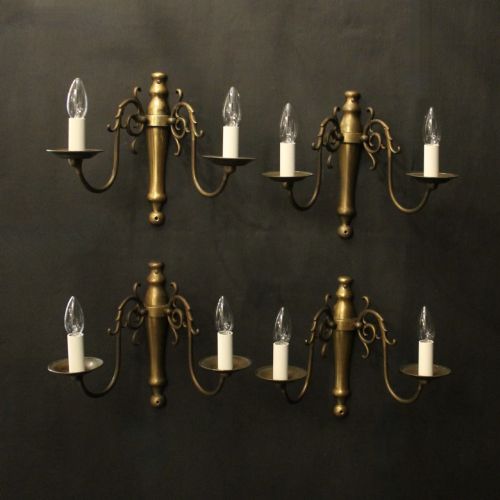
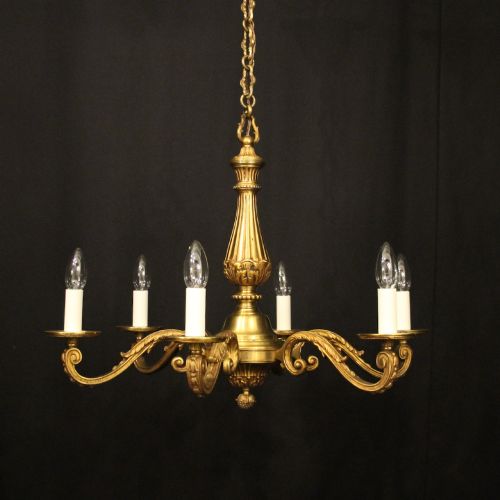
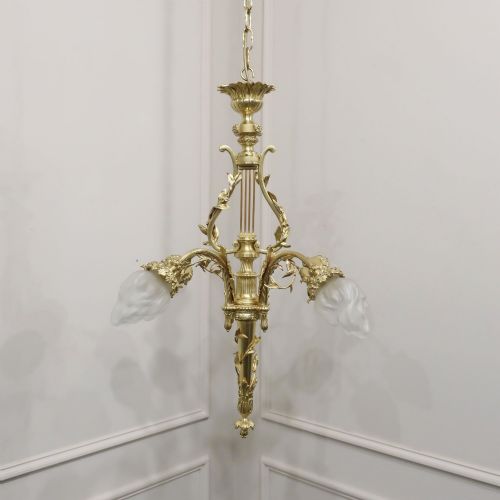
The version you are most likely to meet on this page is the brass table lamp, often formed as a Corinthian column or adapted from an oil lamp. Alongside these sit French gilded bronze chandeliers, Arts and Crafts wall lights, and Art Nouveau lanterns in brass frames.
Many items incorporate other materials alongside brass, such as cut glass, crystal, marble, onyx, and fabric shades. The selection reflects diverse European and British designs, from simple nineteenth-century utilitarian fittings to elaborate neoclassical and rococo creations.
Materials and construction
Makers utilised brass as the primary structural metal, often casting components into Corinthian columns, balusters, and intricate mounts. Bronze, copper, and gilt metal also feature heavily in the construction of heavier chandeliers, wall lights, and floor standards.
Glass and crystal play a major role, appearing as cranberry shades, slip shades, cut glass pendants, and murano components paired with the metal frames. Many of these items combine metalwork with marble, onyx, or burr walnut bases to add weight and visual contrast.
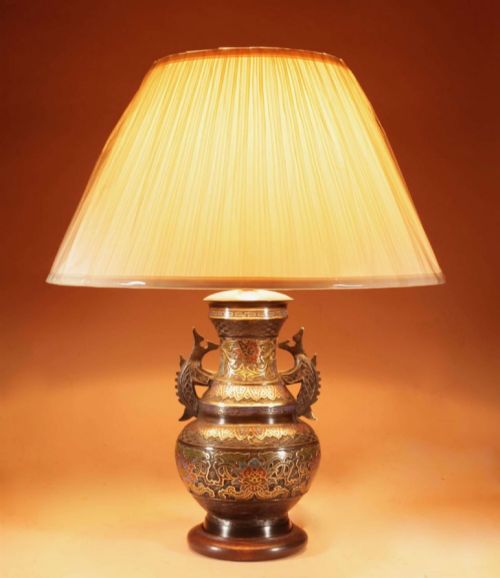
Older pieces designed for oil or gas lighting frequently show evidence of later conversion to electric wiring. Manufacturing techniques combine cast brass elements with hand-wrought ironwork, turned wooden components, and delicate champleve enamelling.
Listings feature items from the Victorian period up through the 1930s, incorporating brass, cut glass, gilt bronze, and fabric.
Evaluating quality and craftsmanship
Quality in these pieces rests upon the crispness of the casting and the weight of the metal used in the frame. Superior items display sharp detailing on Corinthian capitals, cherubs, and acanthus leaves, whereas lesser examples rely on softer, shallower stamping.
The integration of secondary materials dictates the tier of the piece, with genuine cut crystal, fine onyx, and hand-blown glass elevating the object far above plain pressed metal and standard glass. The solidity of the mountings and the proportion of the design separate standard production items from workshop pieces.
Provenance and attribution to known designers or specific municipal buildings also mark the upper end of the scale. The execution of the gilding and the retention of original patination on the brass surface reveal how carefully the object was made and preserved.
Maison Bagues·Fratelli Toso·W.A.S. Benson
The Antique Lighting Brass Lamp Glossary
- Corinthian column
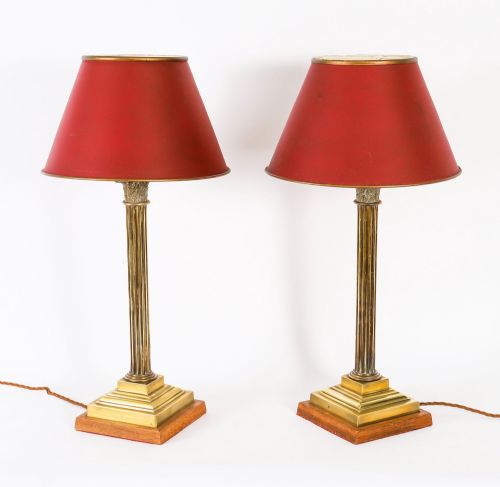
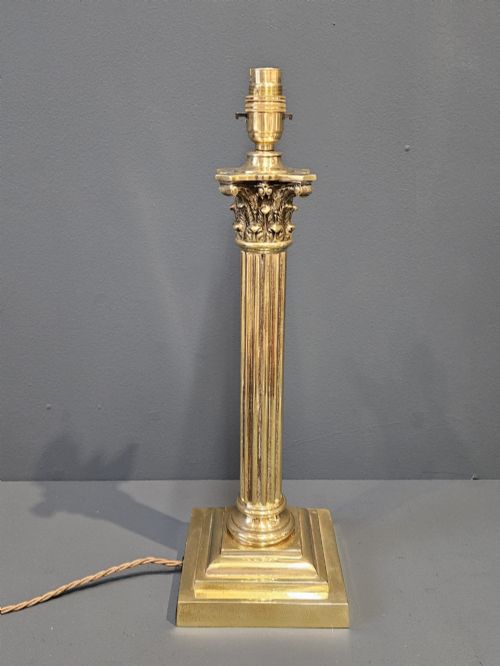
- A classical architectural column form frequently utilised for tall table lamps, featuring ornate acanthus leaf capitals at the top. This design remained popular through the Victorian and Edwardian periods.
- Champleve
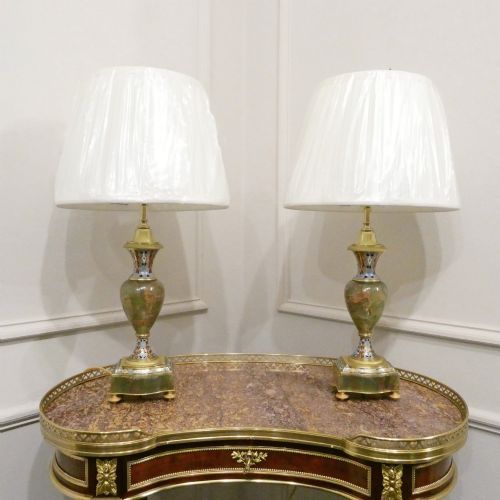
- An enamelling technique where troughs are carved into the brass surface and filled with vitreous enamel before firing. It appears on decorative French table lamps from around nineteen hundred.
- Crust and Crusie
- An early form of open metal oil lamp burning grease or oil on a wick. These seventeenth and eighteenth-century items represent the earliest metalware lighting.
- Slip shade
- A moulded piece of art glass that slides into a metal frame, common in American Art Deco ceiling lights. These shades diffuse the light evenly across the room.
- Pullman lamp
- A compact brass reading light designed for railway carriages or maritime use. These adjustable fixtures date primarily to the early twentieth century and the Arts and Crafts movement.
Antique Lighting Brass Lamp: Frequently Asked Questions
How do I wire an old brass lamp?
Most antique brass lamps require modern rewiring to meet current safety standards while preserving the original exterior fittings. Many Victorian and Edwardian pieces have already undergone conversion from oil or gas.
Qualified electricians can thread modern flex through telescopic columns and hollow stems without altering the antique metalwork. Keeping the original switch or burner key maintains the character of the piece.
Are these lamps safe for daily use?
These metal lamps function effectively in modern homes when fitted with appropriate bulbs and checked by a professional. Solid brass construction provides a stable base for table and floor models.
Careful handling of delicate glass shades and crystal drops ensures the longevity of fragile components. Routine dusting maintains the polished or patinated finish of the metal.
How do I date a brass lamp?
Dating relies on stylistic clues, manufacturing techniques, and material combinations recorded across the nineteenth and twentieth centuries. Heavy cast Corinthian columns typically point to the Victorian era, while geometric slip shades indicate Art Deco origins.
Maker marks, registration numbers stamped into the metal, and construction methods offer further chronological markers. Comparing the wiring remnants and switch types also helps narrow down the decade.
What is the difference between brass and gilt bronze?
Brass is an alloy of copper and zinc, commonly used for structural columns, telescopic standards, and hardware throughout the nineteenth century. Gilt bronze, or ormolu, involves a layer of gold applied to a bronze base, favoured in French decorative lighting.
Bronze generally offers a finer grain and sharper casting detail than standard brass. Gilt finishes require gentle cleaning to preserve the thin gold layer on the surface.