




Antique Lighter
An antique lighter brings mechanical ingenuity and period craftsmanship to the smoking table, combining functional flame with striking sculptural design.
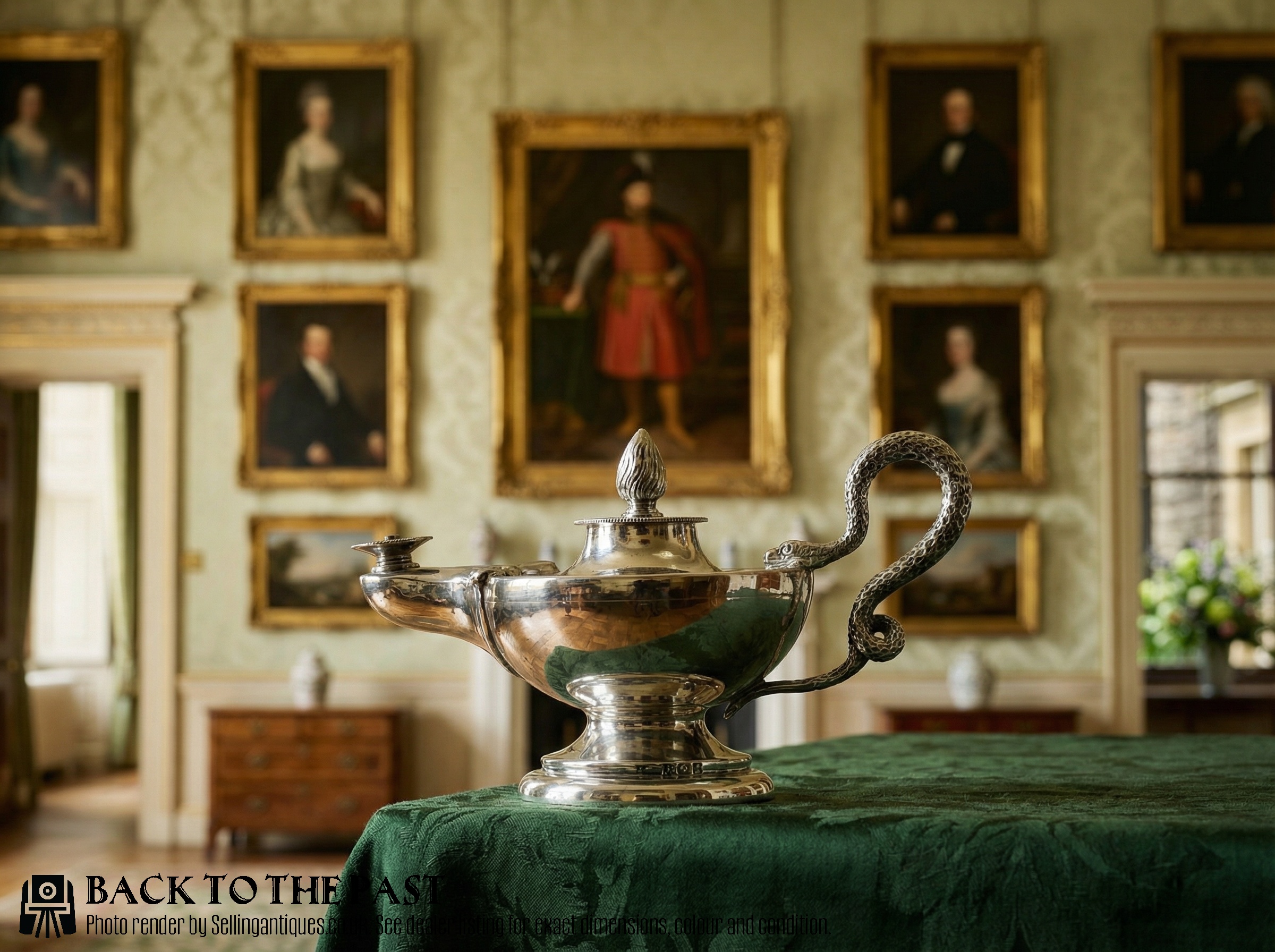
Antique Lighter
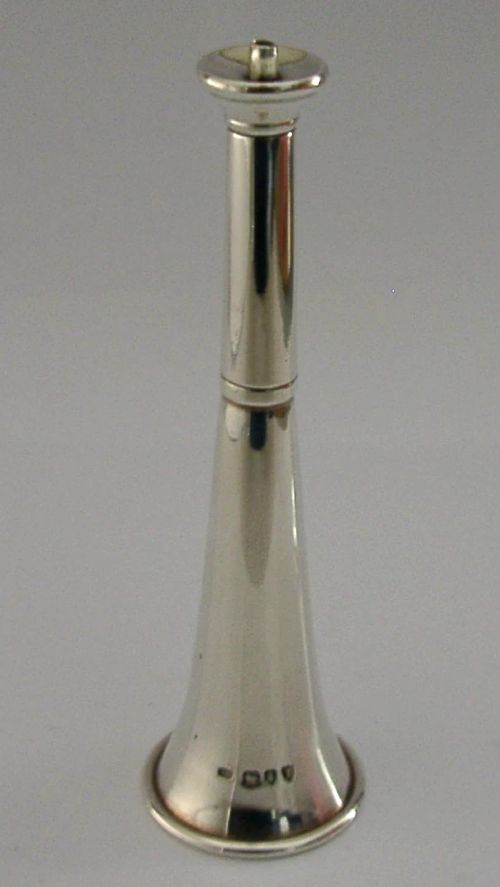
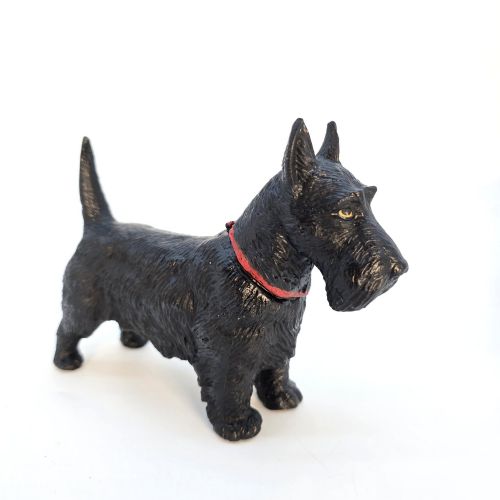
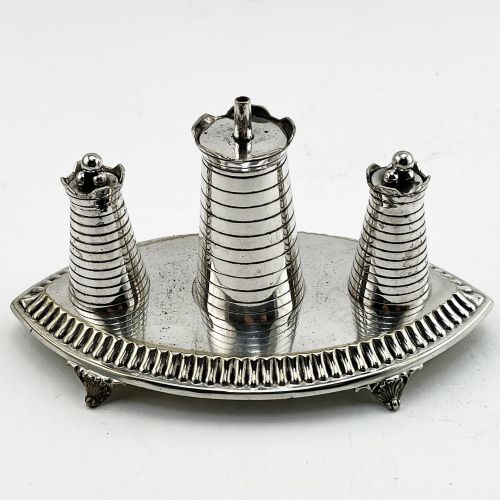
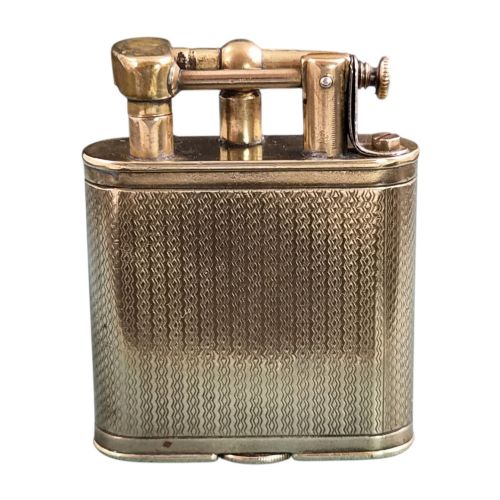
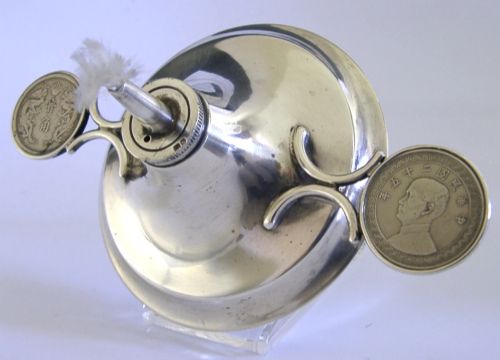
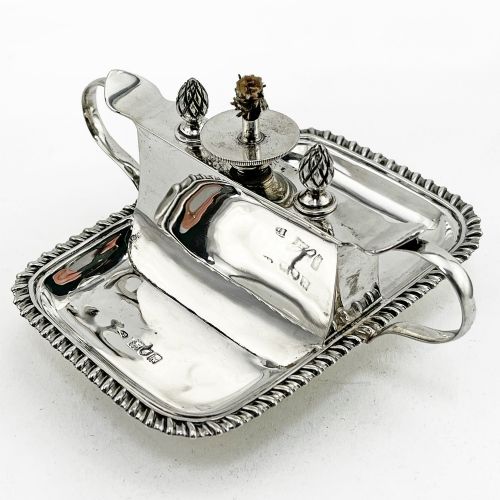
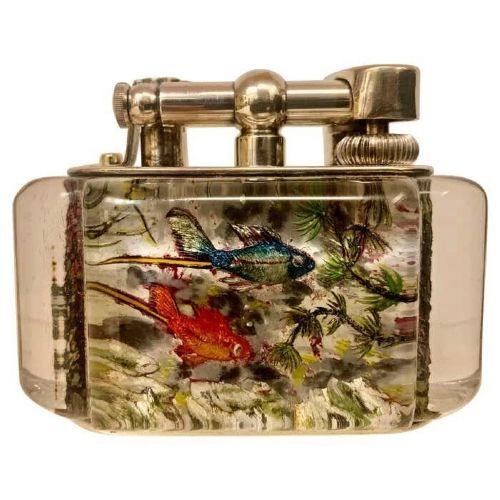
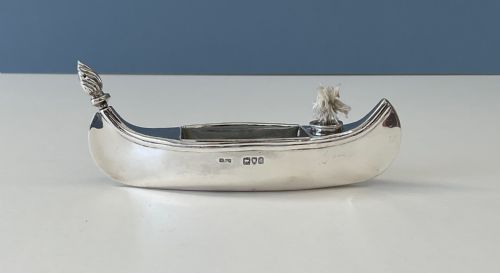
Makers and manufacturers produced these pieces in various forms, including classical oil lamps, animal figures, hunting horns, and modernist Art Deco geometric designs. Victorian novelty table lighters and mid-century presentations dominate the larger decorative specimens found in these listings.
Buyers encounter utilitarian fire-lighting tools alongside luxury smoking compendiums housing match holders, cutters, and lighters within fitted boxes. Sterling silver and silver plate form the primary structural materials for these domestic display items.
How they were made
Silversmiths utilised traditional hand-raising, casting, and repoussé techniques to shape sterling silver and silver-plated metal into complex figural or classical vessel forms. Cast metal and spelter served as alternative mediums for detailed novelty pieces depicting animals and human figures.
Precious metals combined with organic elements such as wood, horn, shagreen, glass, and onyx to construct elaborate smoking compendiums and housing boxes. Internal mechanisms relied on machined steel components, cotton wicks, and early petrol ignition systems.
Victorian smokers could light their cigars from miniature silver frogs, hunting horns, and fire carriages rolling across the dining table.
What varies in quality
The standard of an antique lighter depends heavily upon the precision of the cast detailing, the weight and purity of the silver or metal used, and the attribution to a known silversmith or maker. Finely chased surface engraving and hand-painted enamel elements elevate the artistic merit of individual specimens.
Complexity of internal mechanics and the completeness of fitted smoking compendiums distinguish exceptional examples from standard production pieces. Preserved maker marks, clear hallmarks, and original presentation boxing denote superior manufacturing origin.
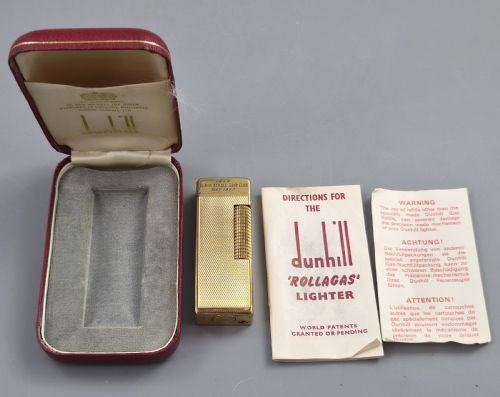
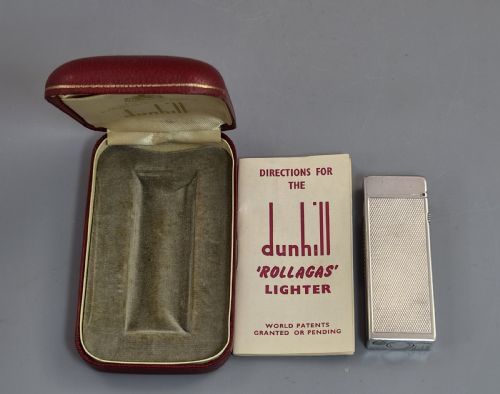
Dunhill·Mappin & Webb·William Comyns·Joseph Braham·Elkington·George Betjemann·Gorham·Hermes Paris
The Antique Lighter Glossary
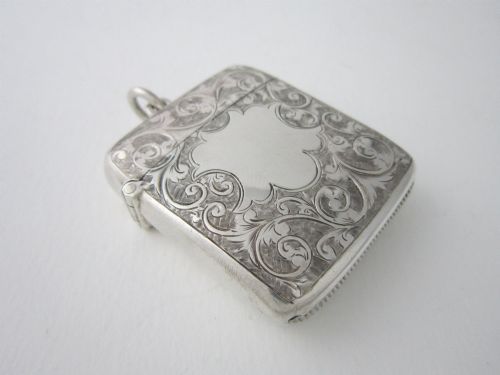
- Vesta case
- A small pocket container designed to hold matches, featuring a striking surface on the base for ignition. These often match the decorative style of contemporaneous table lighters.
- Tinder tube
- An early pocket device utilising a charred wick and flint mechanism to catch a spark before the invention of modern safety matches. Examples appear in Victorian smoking inventories.
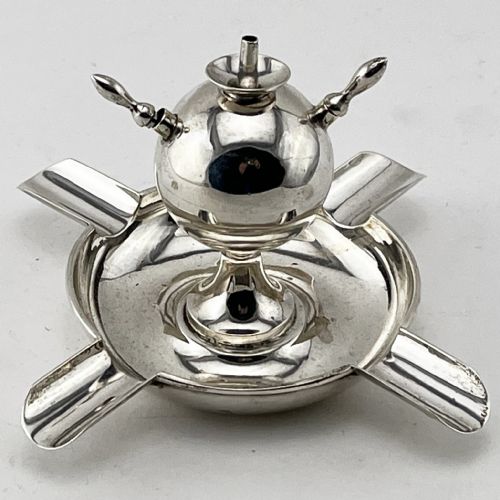
- Smoking compendium
- A multi-piece tabletop set combining a lighter or lamp with cigar cutters, ash trays, and match storage within a single fitted ensemble. These display elaborate craftsmanship in silver and glass.
- Spelter
- An alloy of zinc and lead used widely for casting figural decorative objects during the Art Deco period. It provides a heavy base for figurative table lighters.
- Hallmark
- An official stamp applied by an assay office indicating the purity of precious metal, the maker, and the year of manufacture. British silver items rely on these marks for exact dating.
Antique Lighter: Frequently Asked Questions
How do I date a silver lighter?
Dating a silver lighter involves examining the stamped hallmarks which record the assay office, metal purity standard, and a specific date letter. British pieces carry distinct town marks and annual date cyphers that reveal the exact year of production.
Items lacking precious metal hallmarks rely on stylistic markers, patent dates, and maker attribution to determine their chronological period.
What is a vesta case?
A vesta case is a small portable container engineered to protect matches and provide a rough serrated strip on the exterior for striking them. Victorians carried these personal items daily in pockets or attached them to watch chains.
They appear in materials such as sterling silver, brass, and enamel, frequently matching the aesthetic motifs found on larger table lighters of the era.
How were smoking compendiums used?
Smoking compendiums served as comprehensive tabletop stations that consolidated all necessary implements for enjoying cigars and cigarettes in one organised container. A typical compendium housed a central lighter or lamp alongside cigar cutters, ash receptacles, and match boxes.
Wealthy households displayed these elaborate silver, glass, and wood ensembles in smoking rooms and libraries to entertain guests.