



Antique Light Blue Ring
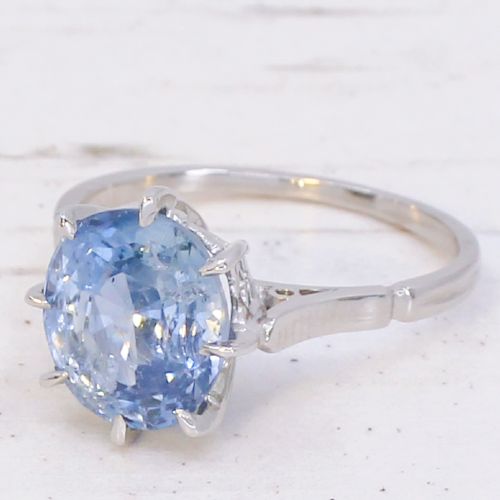
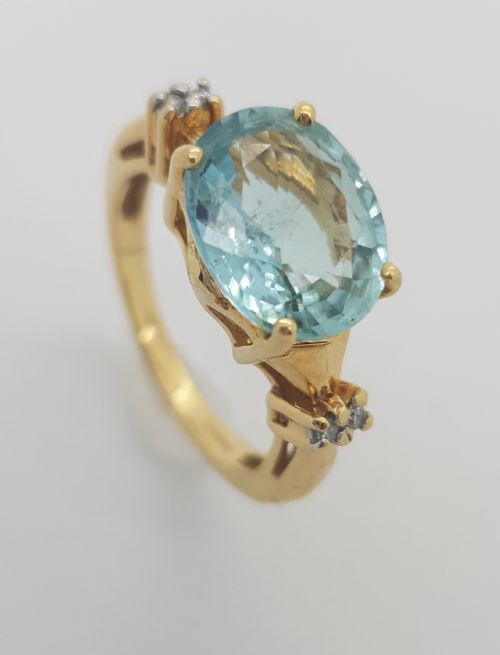
An antique light blue ring brings together cool aquamarine, sapphire or spinel stones in platinum and gold settings.
Antique Light Blue Ring
An antique light blue ring is a jewelled finger ornament centred on pale blue stones like aquamarine, sapphire or spinel, predominantly found in twentieth-century styles. These pieces showcase designs spanning from the nineteen-twenties through to the nineteen-sixties.
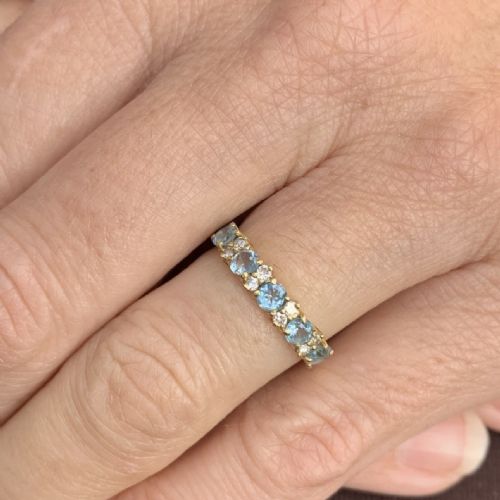
Buyers encounter classic cluster formations alongside half eternity bands and dress rings. Aquamarine dominates the stone selection, flanked by sapphire and spinel variants.
How they were made
Goldsmiths utilised platinum and eighteen-carat gold, including white gold, to mount the central blue stones and accent diamonds. These metals provide both the structural integrity and the bright neutral backdrop necessary to highlight pale gem colours.
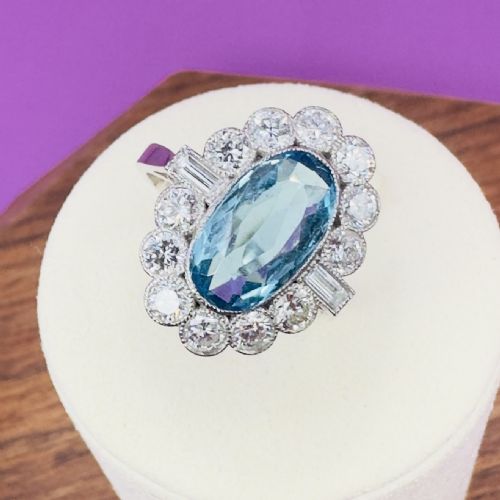
Cluster and dress ring constructions set central aquamarines, sapphires or spinels amidst surrounding diamonds using precision claw and bezel techniques. Baguette and old cut diamonds frequently frame the primary coloured stones in geometric Art Deco arrangements.
Listings feature items from the nineteen-twenties to the nineteen-sixties, utilising aquamarine, sapphire, spinel, diamond, platinum and eighteen-carat gold.
What varies in quality
The distinction between standard and exceptional pieces rests upon the saturation and clarity of the central blue stone, particularly in significant carat aquamarines and Ceylon sapphires. Fine specimens exhibit even colour distribution without intrusive internal inclusions.
Metalwork execution and stone matching define the upper tiers of production, where platinum settings and well-proportioned diamond accents display superior craftsmanship. The integration of specialty cuts, such as baguette diamonds, elevates the overall design cohesion.
The Antique Light Blue Ring Glossary
- Aquamarine
- A blue to light blue variety of beryl utilised as the primary gemstone in many twentieth-century cluster and dress rings. Its pale hue distinguishes it from deeper sapphire varieties.
- Platinum
- A dense, durable white metal frequently employed in Art Deco and mid-century mountings to securely hold diamonds and coloured stones. It permits delicate claw work without risking structural failure.
- Cluster ring
- A ring design featuring a prominent central stone encircled by a group of smaller gems, typically diamonds. This arrangement maximises visual impact and light reflection.
- Half eternity ring
- A band set with gemstones along roughly half the circumference of the hoop. This style balances decorative brilliance with everyday comfort on the finger.
- Baguette diamond
- A step-cut rectangular diamond frequently utilised as a linear accent stone in geometric Art Deco mounts. Its clean facets contrast with brilliant-cut stones.
Antique Light Blue Ring: Frequently Asked Questions
What periods do these rings come from?
The pieces span the twentieth century, with examples originating from the nineteen-twenties, thirties, forties, fifties and sixties.
Art Deco and Mid-Century design movements heavily influence the manufacturing periods represented here.
Which metals are used in the settings?
Goldsmiths constructed these rings primarily in platinum and eighteen-carat gold, including eighteen-carat white gold variants.
These durable precious metals support secure prong settings and detailed geometric cluster arrangements.
What stones are set in these rings?
Aquamarine forms the most common light blue centre stone, accompanied by select Ceylon sapphires and blue spinels.
Diamonds frequently accent these primary gems in cluster, dress and half eternity configurations.
How do I care for an antique ring?
Gentle cleaning with warm soapy water and a soft brush maintains the brilliance of both the metal and the stones.
Regular professional inspection of the platinum or gold settings ensures the claws retain their hold on the gems.