
Antique Library Table Stand
An antique library table stand brings practical reading and writing surfaces into focus, combining robust timber construction with period functionality for the modern study.
Antique Library Table Stand
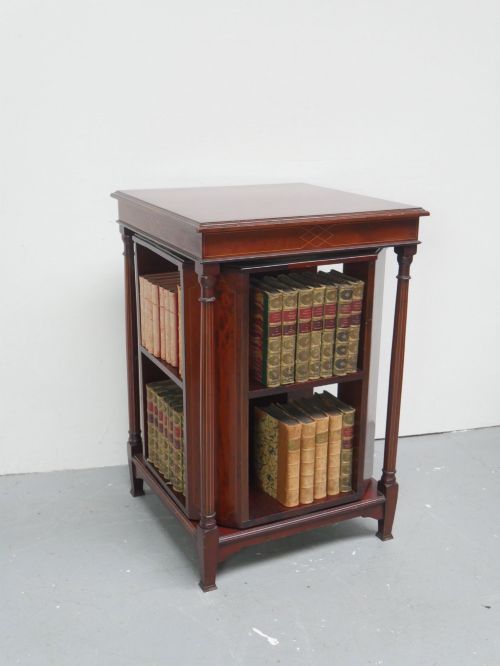
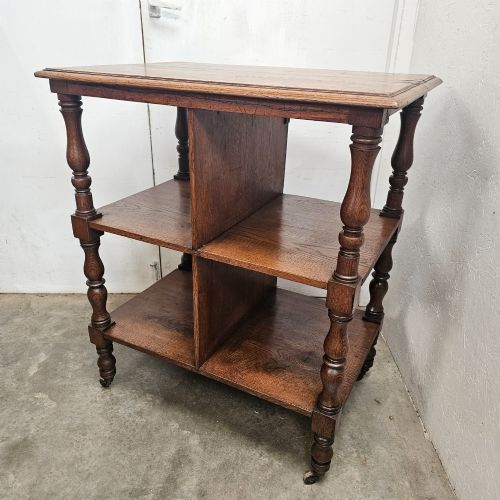
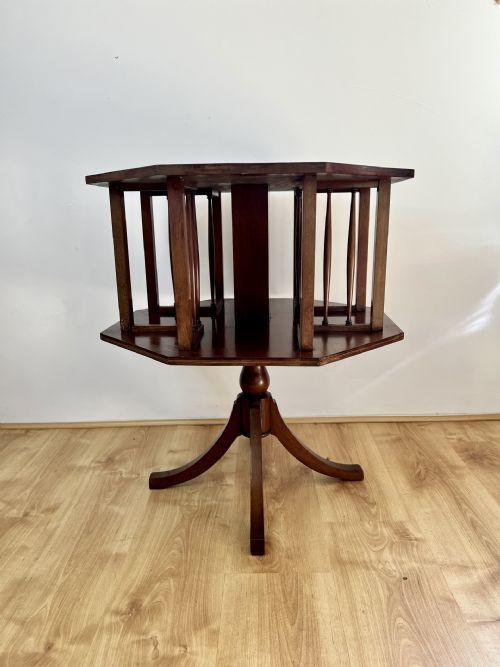
When you search for an antique library table stand, you encounter a specialised form of antique furniture designed to hold books, globes, and writing materials within domestic or institutional study spaces. These items encompass adjustable reading tables, revolving bookcases, and fitted writing desks mounted upon structural supports.
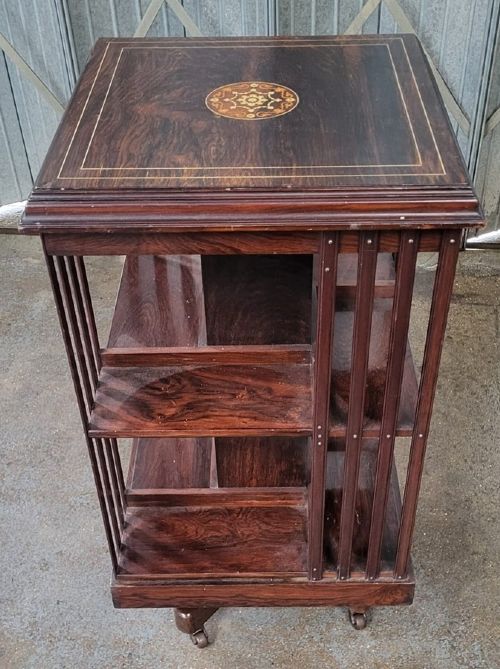
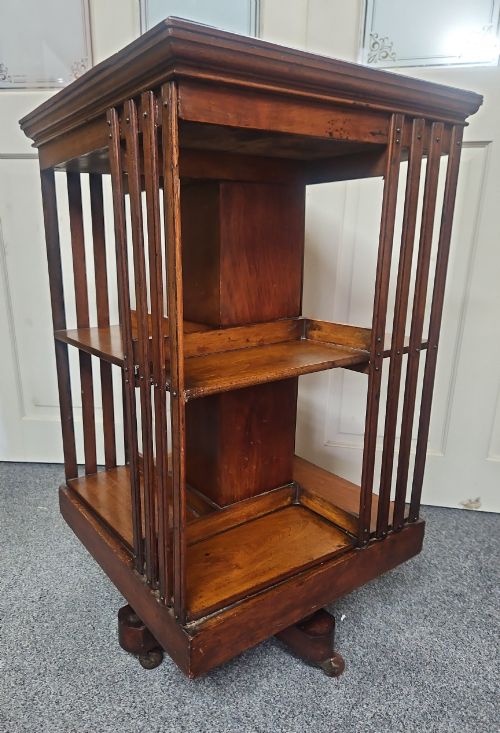
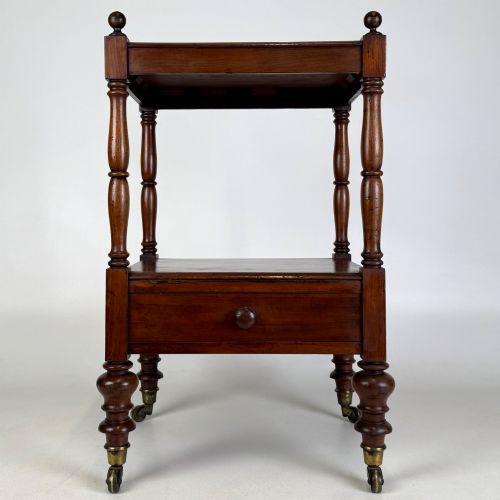
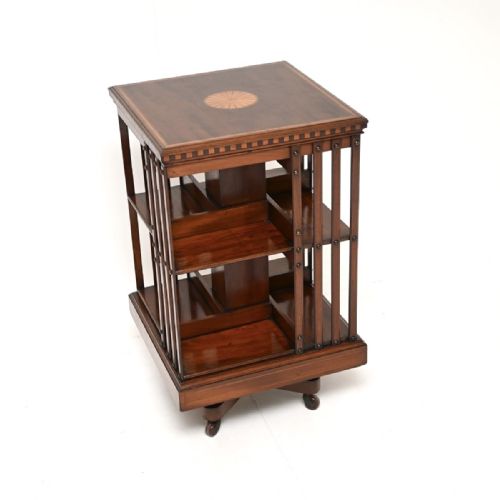
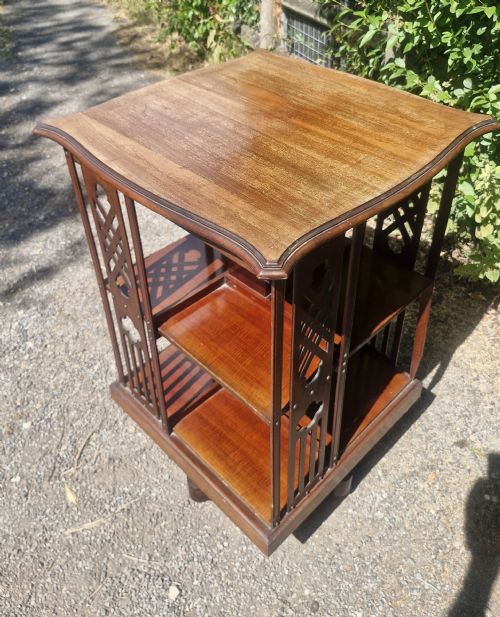
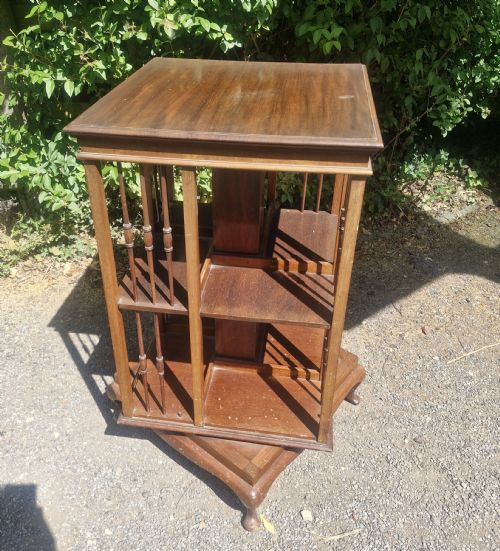
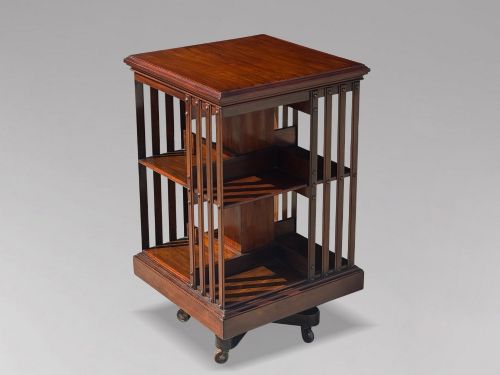
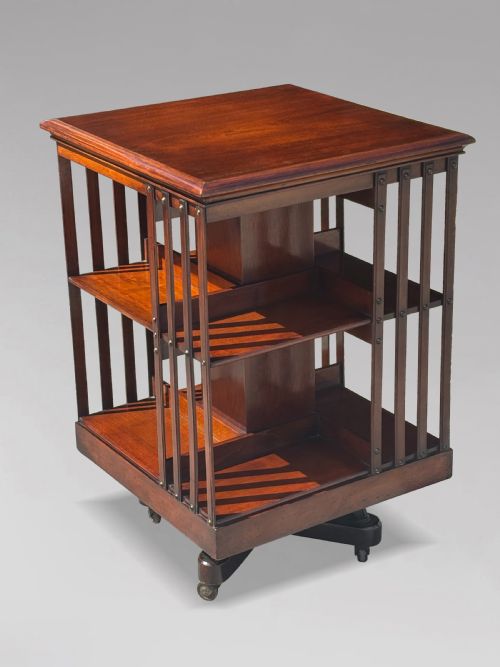
The most common examples on this page are Edwardian and Victorian revolving bookcases alongside nineteenth-century reading tables constructed in mahogany. These pieces frequently feature compartments for volumes or adjustable mechanisms tailored to hold open texts at comfortable angles.
Origins span English, Scottish, and French workshops, utilising regional timbers suited to the domestic interior of the period. Pieces range from modest chairside stands to large freestanding library tables equipped with dedicated folio stands or globe mountings.
Materials and construction methods
Makers relied heavily on solid and veneered mahogany, oak, and walnut, often accentuating surfaces with satinwood inlay, marquetry, or burr figuring. Secondary timbers such as pine or deal appear in internal framing and drawer linings.
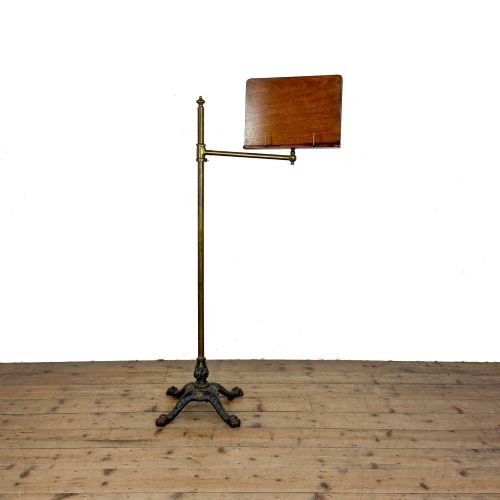
Mechanical elements incorporate brass fittings, cast iron components, and specialised ratchets to permit the adjustment of reading slopes and the rotation of revolving bookcases. Joinery typically employs dovetailed drawers and sturdy tenon frames to bear the weight of heavy leather-bound volumes.
Listings span the eighteenth, nineteenth, and early twentieth centuries, incorporating Georgian, Victorian, and Edwardian design vocabularies.
Distinguishing quality in period stands
The standard of a piece rests upon the crispness of its inlaid details, the selection of figured timber veneers, and the structural integrity of its revolving or adjustable mechanisms. Superior examples exhibit smooth mechanical movement without excessive play in the joints.
Finer items display thoughtful proportion, hand-cut dovetailing, and original brass hardware rather than later replacements. The balance between decorative enrichment and sturdy utility dictates whether an object represents high workshop production or standard commercial output.
Maple and Co·Cary
The Antique Library Table Stand Glossary
- Revolving bookcase
- A low, rotating tiered stand designed to hold a collection of reference books within arm's reach. These pieces turn smoothly upon a concealed central pivot and spindle base.
- Adjustable reading stand
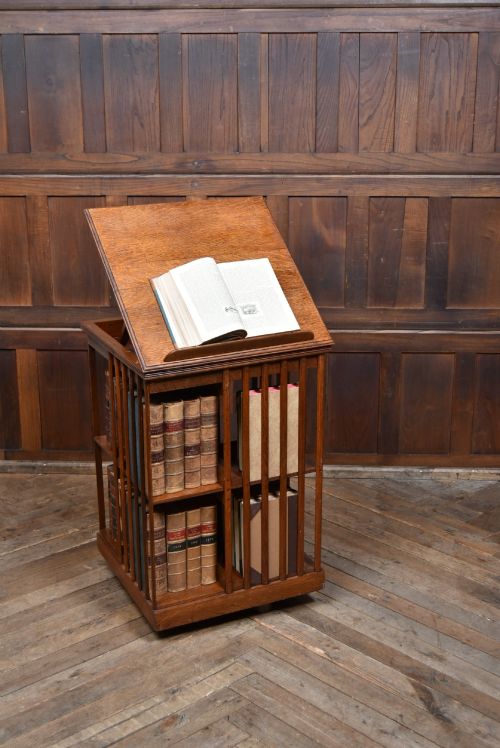
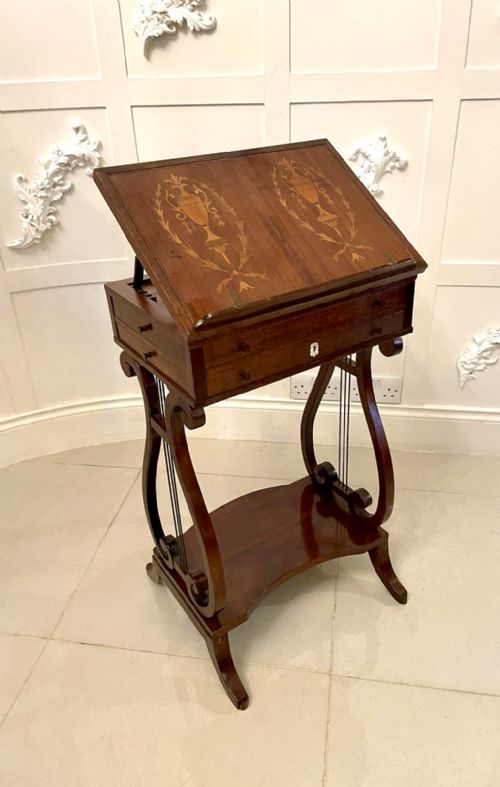
- A specialised table or lectern featuring a ratcheted mechanism to alter the angle of the book rest. They were frequently positioned beside library chairs for prolonged study.
- Marquetry
- The art of applying decorative veneer pieces in geometric or pictorial patterns onto a timber carcase. This technique appears on tabletops and cabinet doors across Georgian and Edwardian examples.
- Satinwood
- A pale, highly reflective exotic timber utilised for contrasting stringing and marquetry panels on inlaid furniture. It gained particular favour during the Regency and Edwardian periods.
- Folio stand
- A vertical frame incorporated into library furniture to store large unbound papers, maps, or oversized volumes. These stands keep fragile documents upright and organised.
Antique Library Table Stand: Frequently Asked Questions
How do I use an antique reading stand today?
These stands serve well as side tables or dedicated book rests in a modern study, holding open art volumes or tablets at a comfortable viewing height.
The adjustable mechanisms allow you to position the surface according to your seating arrangement, bringing period utility into daily use.
What is the difference between a library table and a reading table?
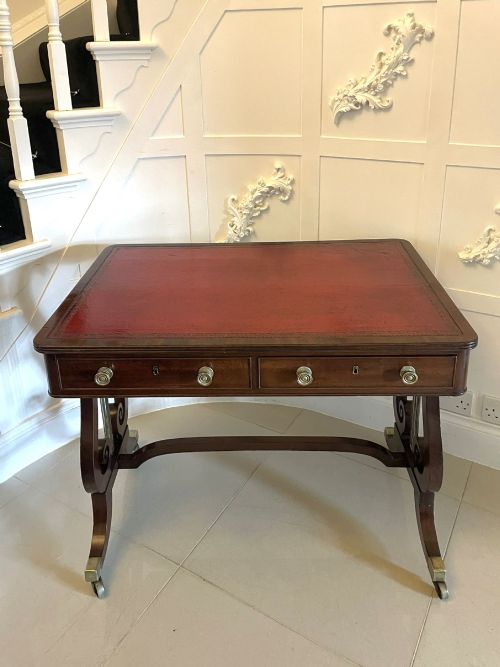
A library table is typically a larger, freestanding piece designed for general workspace and writing, often featuring drawers beneath the top.
A reading table is more compact, frequently equipped with an adjustable tilting top or specific ledges to support open books.
How do I care for mahogany surfaces on antique stands?
Maintain the timber by dusting regularly with a soft, dry cloth and applying natural beeswax polish sparingly to nourish the polish.
Keep the stand away from direct heat sources and strong sunlight to prevent the mahogany finish from fading or drying out over time.
Can revolving bookcases hold heavy books?
Period revolving bookcases are constructed with sturdy internal framing designed to support standard rows of reference books and octavo volumes.
Distributing weight evenly across the tiers ensures the central pivot mechanism continues to turn smoothly without strain.