
Antique Library Shelf
An antique library shelf brings timeless organisation to a room, offering sturdy wooden storage for volumes collected over a lifetime.
Antique Library Shelf
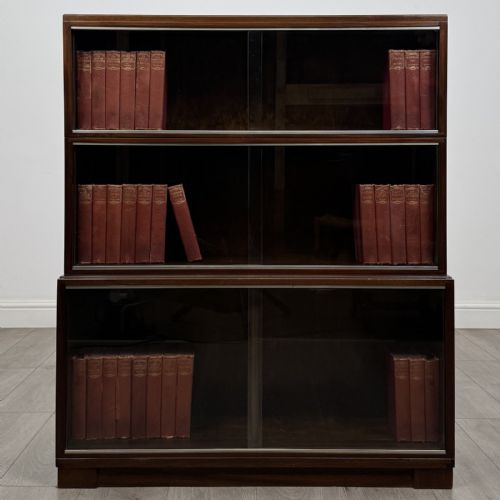
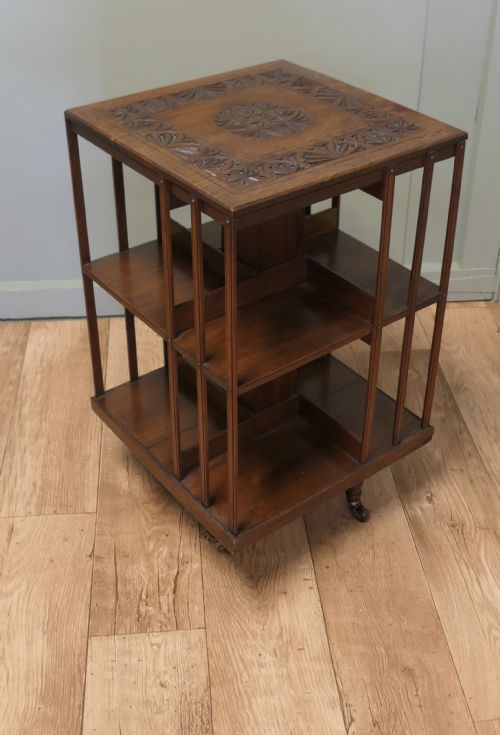
When searching for an antique library shelf, collectors encounter various forms of open bookcases, revolving bookstands, and tiered display units designed for holding books. These pieces originate predominantly from the Victorian, Edwardian, and nineteenth-century periods, reflecting the domestic and study habits of past eras.
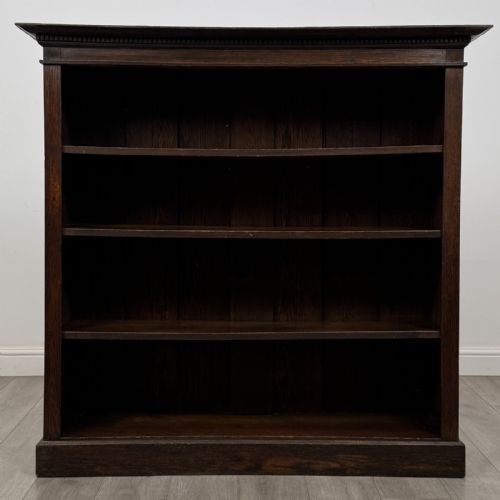
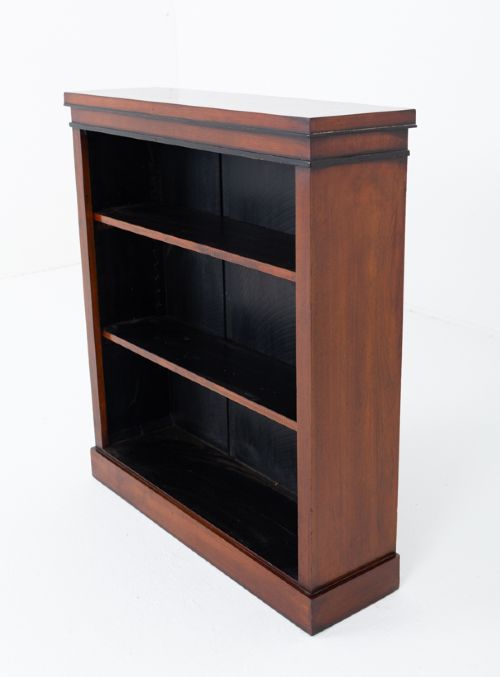
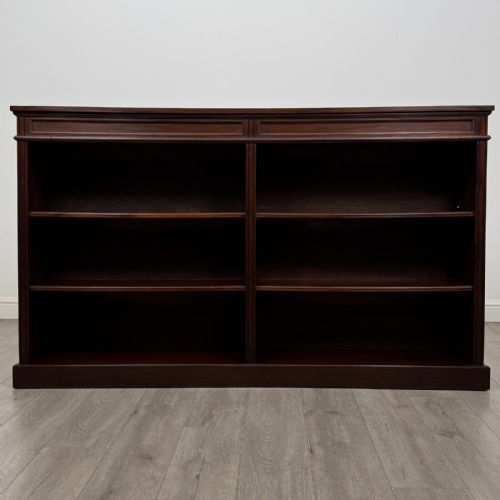
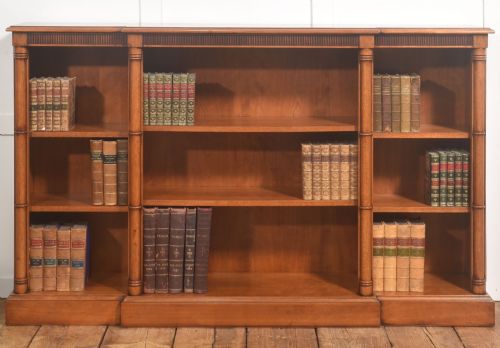
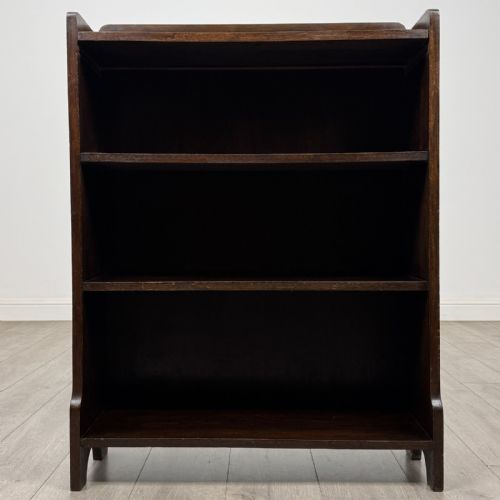
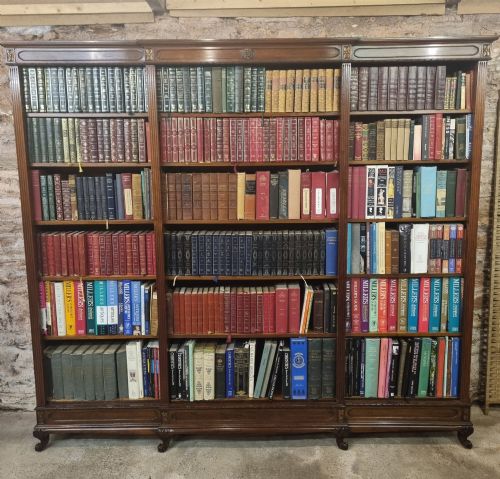
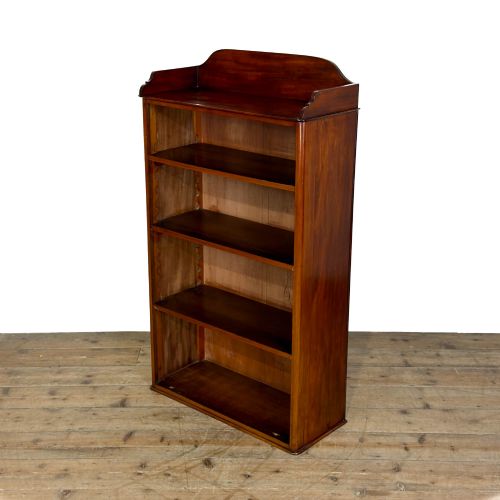
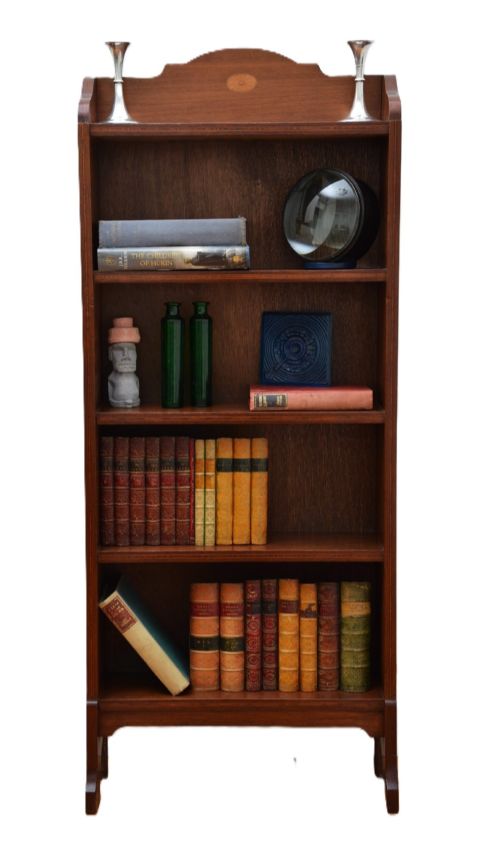
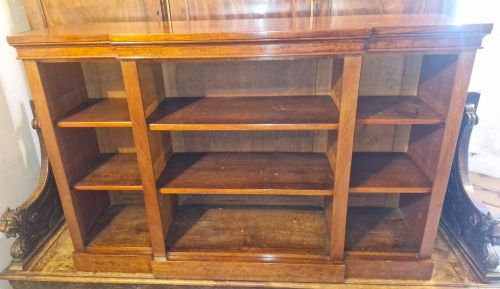
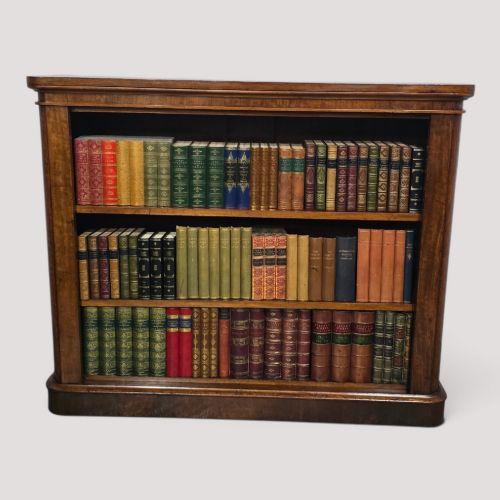
The version met most frequently on this page is the open mahogany or oak bookcase, often featuring adjustable wooden shelves and occasionally incorporating a raised gallery or inlaid details. Makers constructed these items to stand against study walls or function within grand home libraries.
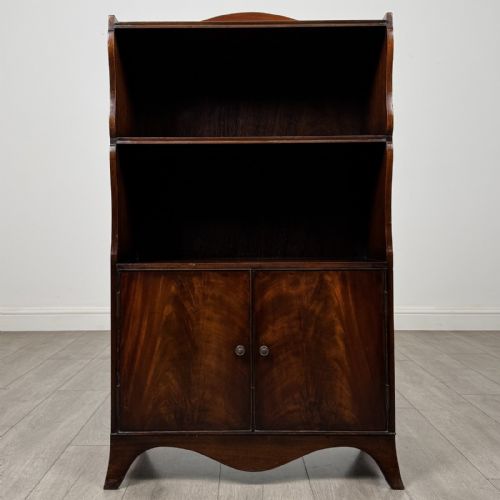
Alongside standard bookcases, the evidence includes specialised reading tables, partners desks, and cascading walnut units. Each format serves the fundamental purpose of keeping reference volumes accessible and organised.
Materials and Construction
Cabinet makers relied heavily on hardwoods such as mahogany, oak, and walnut, frequently utilising burr walnut veneers for decorative grain patterns on breakfront facades. Solid timber construction ensured the framework could support the substantial weight of heavy leather-bound volumes.
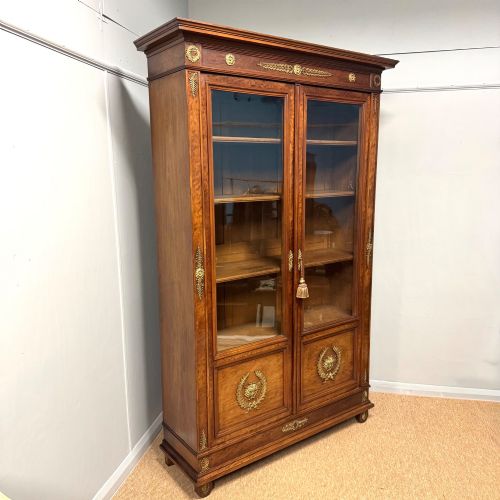
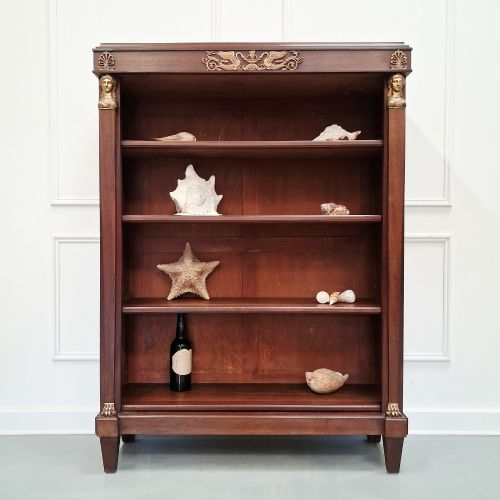
Metal elements like brass fittings, ormolu mounts, and adjustable shelf ratchets provided both structural utility and visual contrast against the dark timber surfaces. Carved edges, ebonised details, and inlaid stringing demonstrated the refined hand-skills applied during the Victorian and Edwardian periods.
Listings feature pieces spanning from the Regency era through the Edwardian period, constructed in mahogany, oak, walnut, and rosewood.
Distinctions in Quality
The upper tier of pieces displays superior timber selection, evident in deeply figured mahogany or symmetrical burr walnut veneers that wrap harmoniously around breakfront proportions. Finer examples incorporate sophisticated mechanical systems for adjustable shelving and crisp, hand-carved ornamentation rather than cast resin or simple mouldings.
Structural integrity and proportion separate standard utility items from masterworks, with better pieces maintaining straight sightlines, tight joints, and balanced integration of galleries or brass details. The presence of documented workshop labels or specialised forms like revolving stands and double-sided partners desks elevates the standing of a piece within the range.
Bowman Brothers London·Liberty & Co·Johnstone and Jeanes
The Antique Library Shelf Glossary
- Breakfront
- A piece of furniture having a central section that projects forward from the flanking outer sections. This layout creates depth and architectural presence in large bookcases.
- Adjustable shelves
- Shelves that can be moved to different heights using vertical rows of rackwork, wooden pegs, or brass pins. This mechanism allows the owner to accommodate books of varying heights.
- Gallery
- A raised ornamental border running along the top edge of a shelf or bookcase. It prevents small decorative items or volumes from sliding off the back or sides.
- Ormolu
- Gilded bronze ornamentation applied to furniture pieces, particularly popular during nineteenth-century revival styles. It adds metallic highlights to wood surfaces.
- What-Not
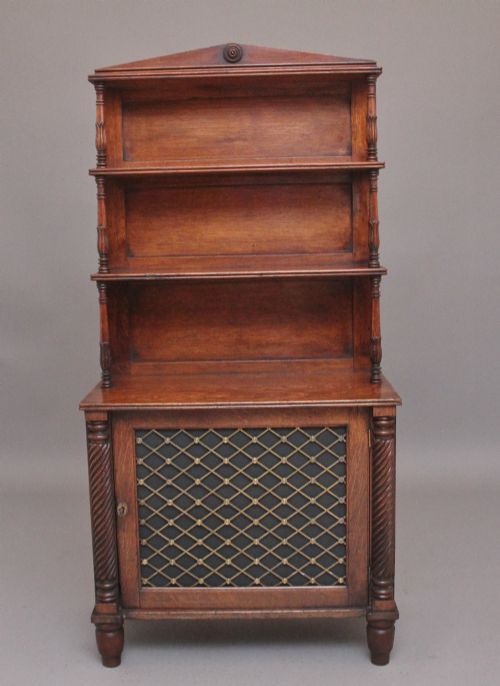
- An open tiered shelving unit designed for displaying books or ornaments. These pieces typically feature multiple open platforms supported by slender corner columns.
Antique Library Shelf: Frequently Asked Questions
How do I adjust the shelves?
Most period library shelves utilise wooden tooth ratchets, brass pins, or metal shelf strips inset into the interior sides. You simply lift the shelf to clear the supports and relocate the pins to the desired height slots.
This adaptability allows the bookcase to hold both tall folio volumes and smaller octavo books efficiently.
Where were these pieces used?
These library shelves originally stood in private townhouses, country estates, and institutional reading rooms during the nineteenth and early twentieth centuries. They housed working reference libraries, novels, and bound journals.
Today, they transition easily into modern living rooms, studies, and home offices as functional display furniture.
How do I identify Victorian pieces?
Victorian library shelves typically feature dense timbers like mahogany and dark oak, often accompanied by heavy carved mouldings or ebonised details. The construction prioritizes solidity and deep grain patination developed over generations of use.
Later Victorian examples may also incorporate Sheraton-style inlay work and adjustable mechanical shelving systems.