



Antique Library Dresser
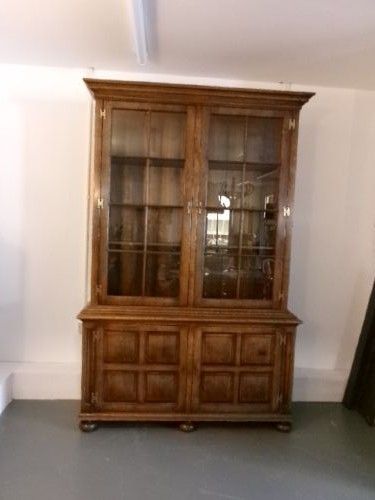
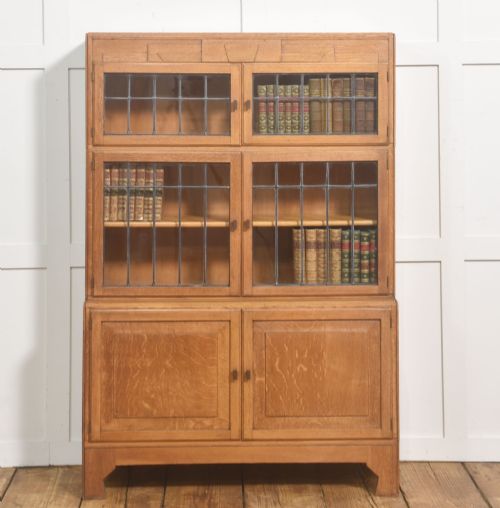
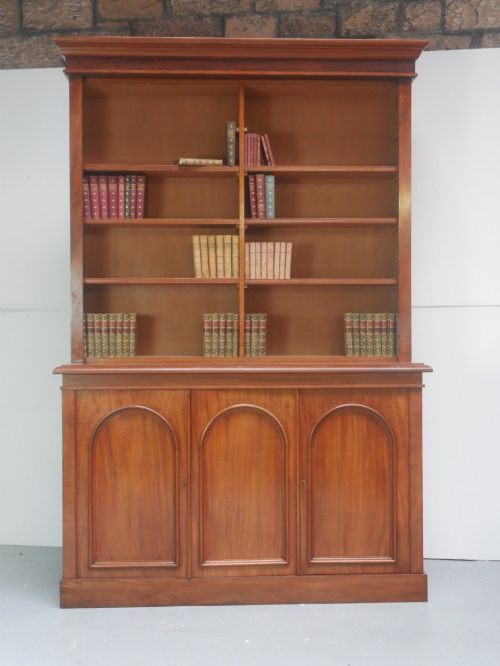
An antique library dresser holds a room together, combining generous book storage with practical display.
Antique Library Dresser
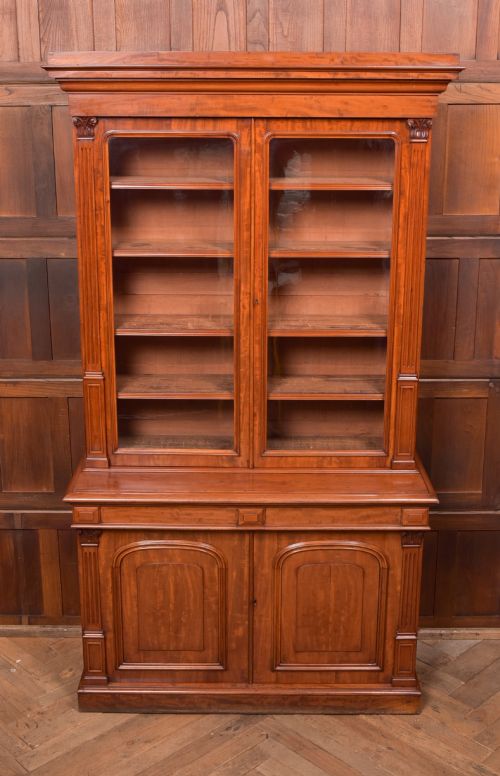
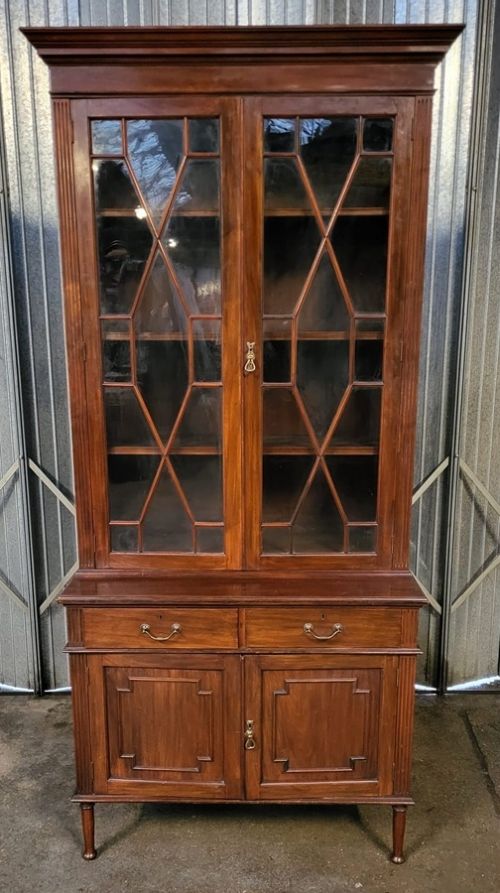
An antique library dresser combines the storage capacity of a substantial bookcase with the enclosed lower cupboards or display areas characteristic of a dresser. The pieces meeting this search phrase span from the eighteenth century through the Edwardian period, with Victorian examples appearing most frequently.
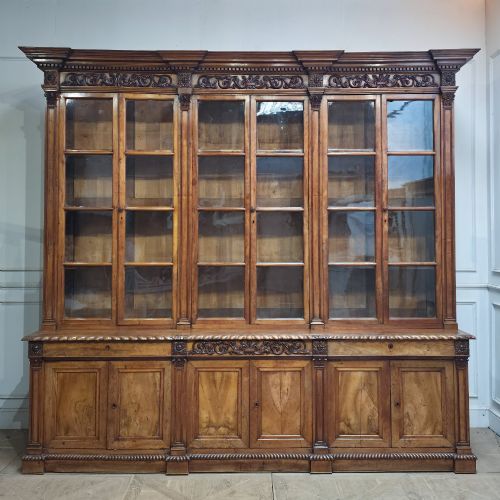
Formations range from open shelving and tall glazed upper cabinets to monumental breakfront designs and two-part cupboards. Makers built these storage units in styles including Georgian, Victorian, Edwardian, and French Provincial, using native and imported hardwoods.
The utility of these items centres on large-scale book storage and structured display, appearing in formats like three-door mahogany cabinets and painted Irish library bookcases.
Evaluating quality and craftsmanship
Quality rests in the selection of timber and the precision of the joinery, particularly in large breakfront formations and multi-part carcasses. Superior examples display carefully matched wood grain across expansive surfaces and robust internal shelving systems.
The refinement of carved details, such as intricate carvings on Victorian oak frames, distinguishes standard output from exceptional commission work. Original glass panes, functioning brass fittings, and intact locks further elevate a piece.
Structural stability across tall two-part sections indicates superior workshop production, ensuring doors hang true and heavy cornices remain securely supported.
Archive records connect the library dresser form directly with monumental Victorian bookcases and satin walnut hybrid designs.
Maple & Co.·Gillow & Co.
The Antique Library Dresser Glossary
- Breakfront
- A cabinet design where the central section projects forward from the flanking wings. This architectural feature creates visual depth and allows for varied internal storage configurations.
- Glazed
- Fitted with glass panels to protect books or display items from dust while keeping them visible. These doors often feature wooden or lead framing divisions.
- Two-part
- A piece constructed in separate upper and lower sections that stack together for transport and placement. This method simplifies the movement of monumental furniture.
- Satin walnut
- A timber derived from the American sweetgum tree with a fine, lustrous grain resembling satinwood. Cabinet makers utilised this wood for large bookcases and dressers.
- Cornice
- The ornamental moulding running around the top edge of a bookcase or cabinet. It crowns the structure and provides a finished architectural transition to the ceiling.
Antique Library Dresser: Frequently Asked Questions
What is an antique library dresser?
An antique library dresser is a substantial storage piece designed for books and display, combining open or glazed upper shelving with lower cupboards or drawers.
These items date from the eighteenth century to the early twentieth century, appearing in woods like oak and mahogany across Georgian and Victorian styles.
How do I date an antique library dresser?
Dating relies on identifying stylistic markers, timber choices, and construction methods characteristic of periods such as the Georgian era or Victorian Gothic Revival.
Changes in hardware, glass manufacturing techniques, and decorative carvings also help establish whether a piece originates from the eighteenth or nineteenth century.
Are these bookcases difficult to move?
Many large library bookcases and dressers are constructed as two-part modules, allowing the upper section to lift away from the lower base for easier transport.
Because these items are built from heavy hardwoods like oak and mahogany, professional removal is often advisable to protect the timber and original glass.
How should I care for a mahogany bookcase?
Maintain mahogany surfaces by dusting regularly with a soft cloth and avoiding direct sunlight, which can fade the rich reddish-brown tones of the wood over time.
Keep the timber away from direct heat sources to prevent the wood from drying out and ensure the brass hardware remains clean and dry.