
Antique Library Display Cupboard
An antique library display cupboard organises volumes behind glass panels, bringing substance and proportion to a room.
Antique Library Display Cupboard
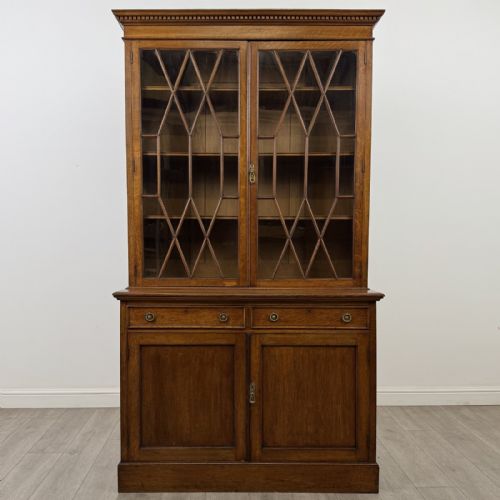
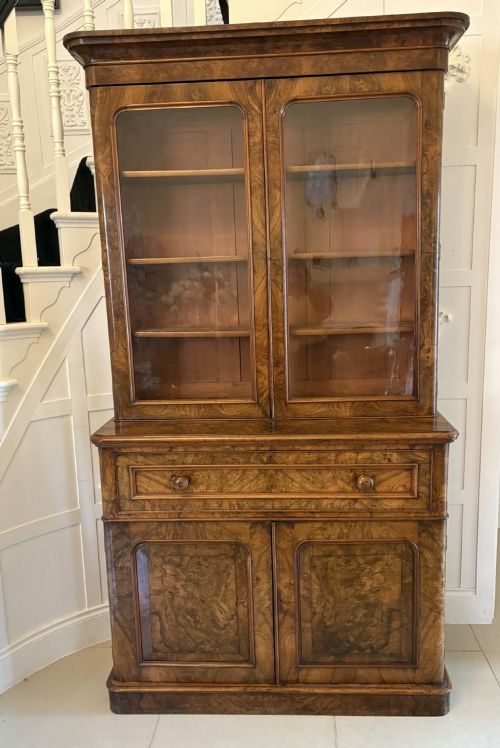
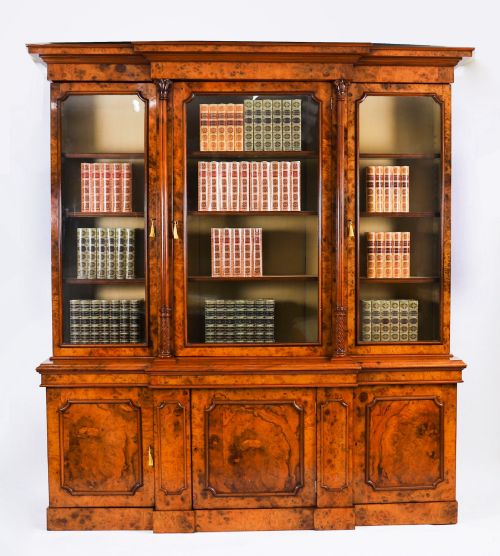
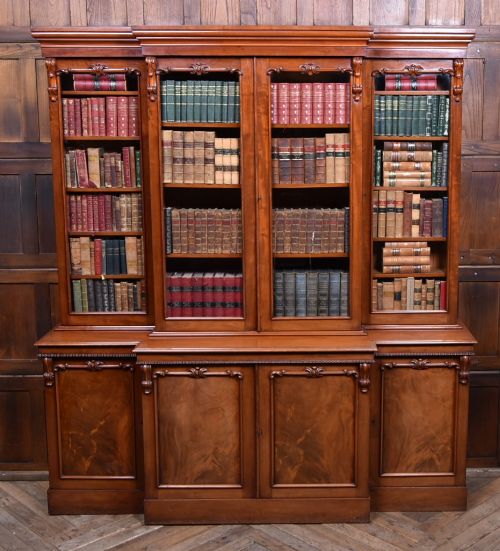
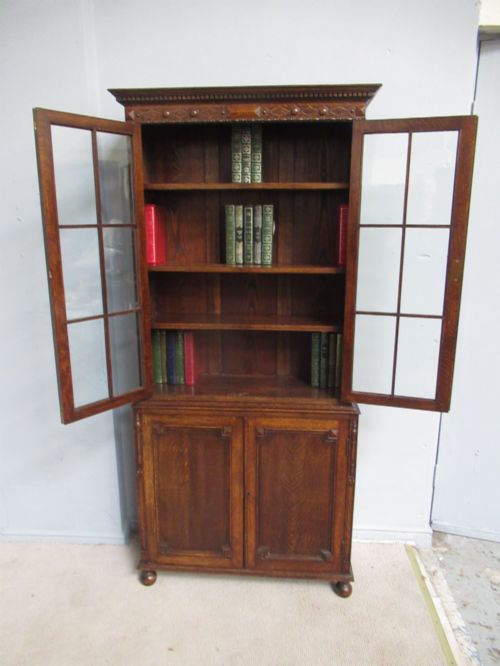
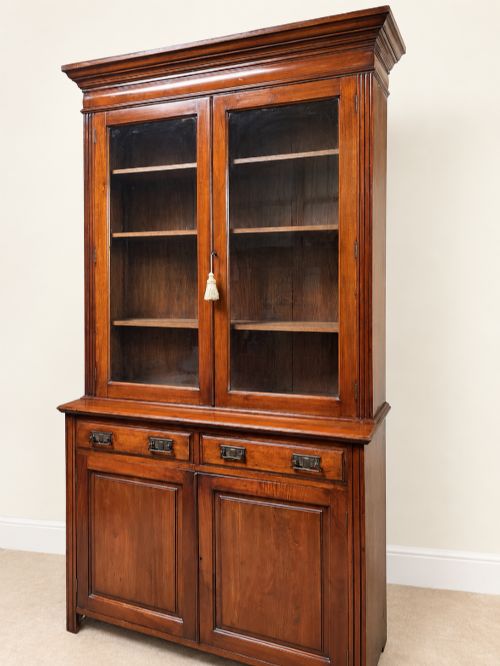
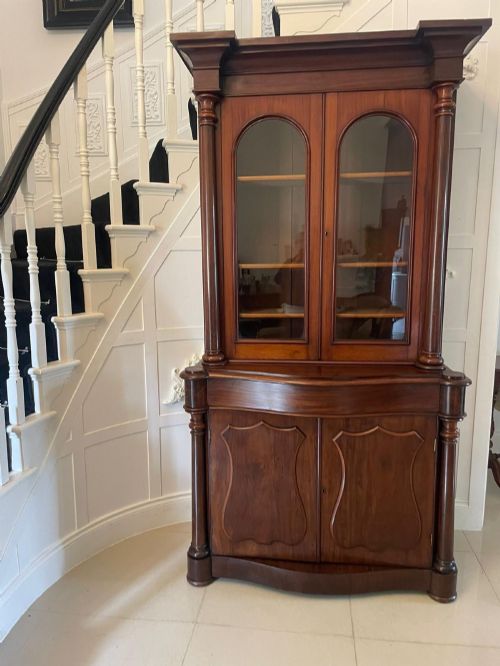
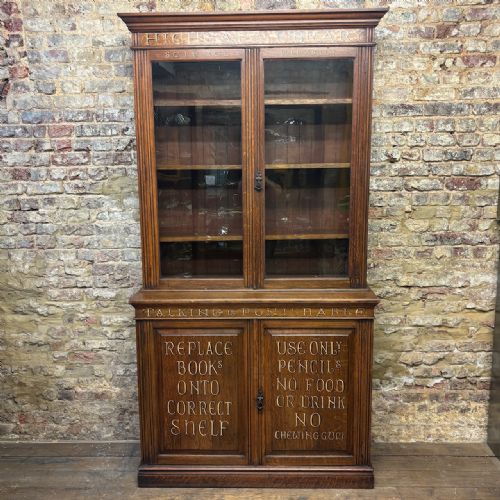
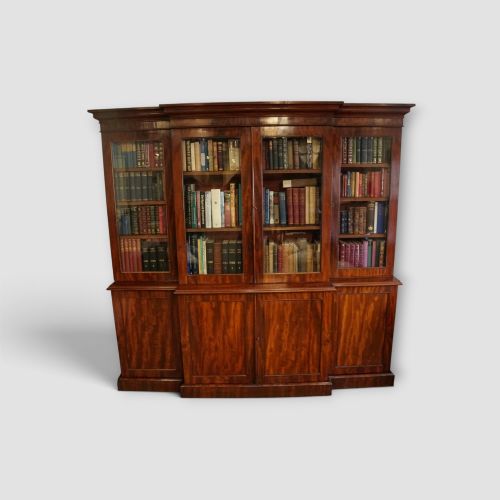
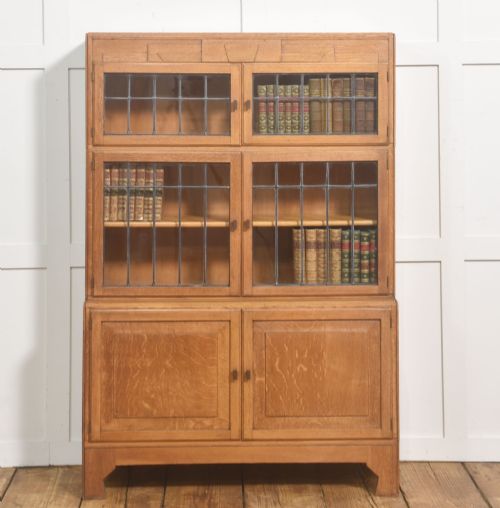
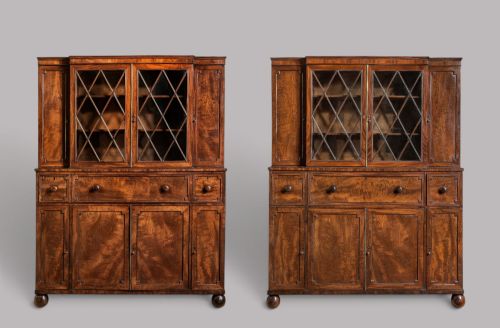
The antique library display cupboard appears most frequently as a tall mahogany or walnut cabinet featuring glazed upper doors and lower timber storage. Pieces on this page span from Georgian and Regency eras through the Victorian period and into the early twentieth century.
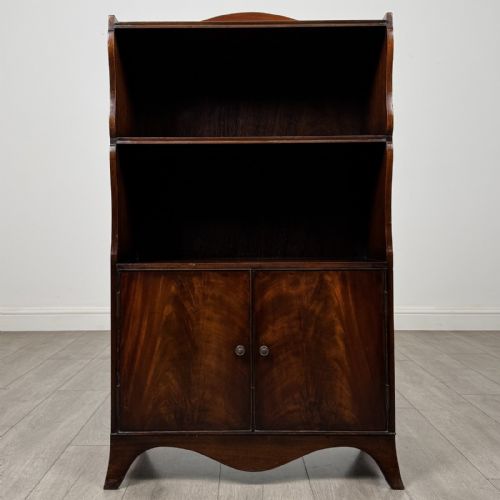
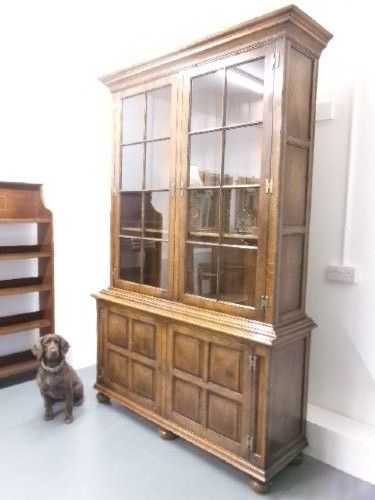
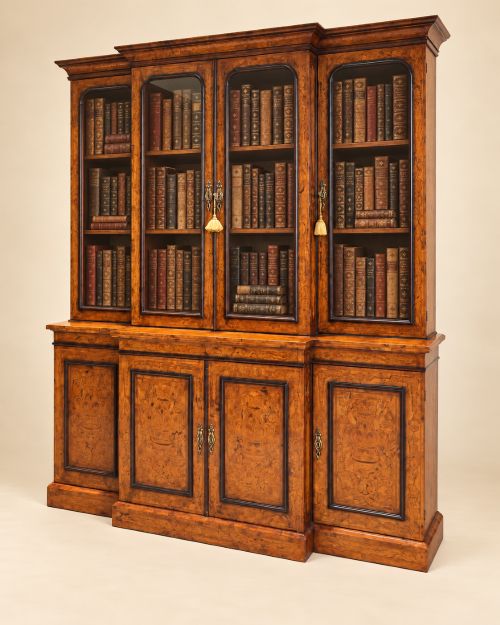
Makers designed these larger storage items to house scholarly collections, meaning buyers encounter grand breakfront configurations alongside simpler two-door models and compact waterfall bookcases.
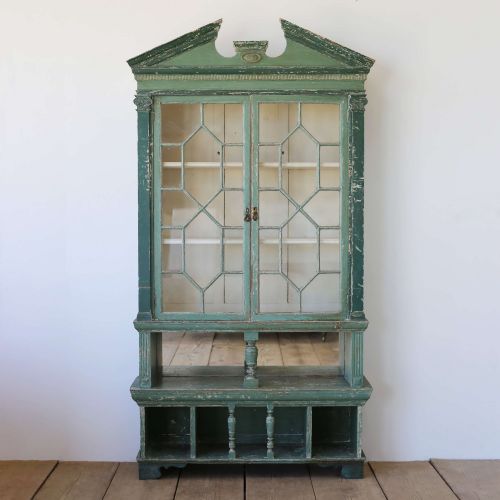
The materials reflect domestic utility and formal reception spaces alike, with denser hardwoods dominating formal library settings while oak and painted pine serve school or provincial contexts.
Materials and construction methods
Cabinetmakers relied heavily upon solid mahogany, burr walnut and oak, often applying figured veneers to the principal exterior surfaces to create striking grain patterns. Brass fittings secure doors and support adjustable shelving systems within the primary storage compartments.
Glazing bars organise the glass panes in geometric, gothic or astragal arrangements, demanding precise carpentry to support heavy sheets. Joinery techniques include dovetail drawers and robust tenon framing designed to bear the weight of numerous volumes.
Listings feature woods including mahogany, oak, walnut, satinwood and iron across Victorian, Georgian and Regency periods.
Judging the standard of execution
Quality rests upon the selection of timbers, where highly figured mahogany or burr walnut veneers signify superior commission work over plain domestic pine or standard oak. The crispness of carved mouldings and the precision of astragal glazed doors separate standard workshop output from exceptional cabinetmaking.
Interior fittings such as functioning adjustable shelving mechanisms, original brass hardware, and well-fitted dust seals indicate meticulous initial construction and careful preservation over centuries.
Gillows
The Antique Library Display Cupboard Glossary
- Astragal
- A small convex moulding used to divide panes of glass within a cabinet door. These wooden bars form delicate geometric patterns across the glazed front.
- Breakfront
- A piece of furniture where the central section projects forward from the flanking wings. This architectural arrangement creates depth and visual balance.
- Waterfall bookcase
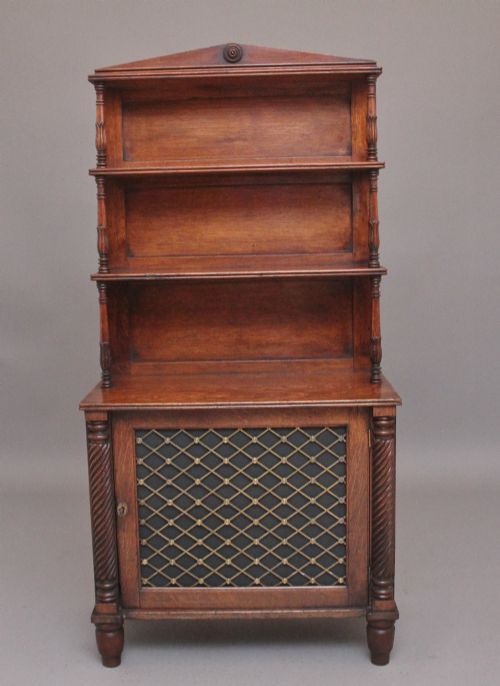
- A set of open shelves stepped back progressively from bottom to top. The stepped tiers resemble water cascading down a slope.
- Gilt mount
- A decorative metal element coated in gold leaf or gilt bronze and applied to the exterior wood surface. These mounts appear frequently on French nineteenth-century pieces.
- Figured wood
- Timber exhibiting an attractive, irregular grain pattern such as flame or burl. Craftsmen select these boards for prominent display surfaces.
Antique Library Display Cupboard: Frequently Asked Questions
How do I adjust the shelves?
Most period library cupboards utilise wooden rack strips or brass shelf studs inset into the interior sides. You simply lift the shelf to clear the supports and relocate the pegs to the desired height.
Ensure you support the timber evenly when shifting shelves upwards or downwards to avoid straining the cabinet walls.
Where should I place my cupboard?
Position your cabinet against an interior wall away from direct sunlight and strong heat sources. Rapid temperature fluctuations cause timber to warp and precious veneers to lift.
Allow sufficient clearance around doors and drawers to operate brass hinges and handles without obstruction.
How do I clean the glass?
Use a damp microfibre cloth and a mild glass cleaning solution applied directly to the cloth rather than the panes. This prevents liquid from seeping behind old putty or damaging surrounding wooden frames.
Dry the glass thoroughly to prevent moisture accumulating near the astragal joints.
Can I store heavy books safely?
Period shelving is engineered to bear standard volumes, but excessively heavy folios can cause timber boards to sag over time. Distribute weighty collections across the lower, fixed shelves where possible.
Inspect the internal shelf supports periodically to ensure they remain secure within their slots.