



Antique Lemonade Pitcher
An antique lemonade pitcher is a practical vessel for summer hosting, bringing Victorian glass and Edwardian cut crystal straight to the table.
Antique Lemonade Pitcher
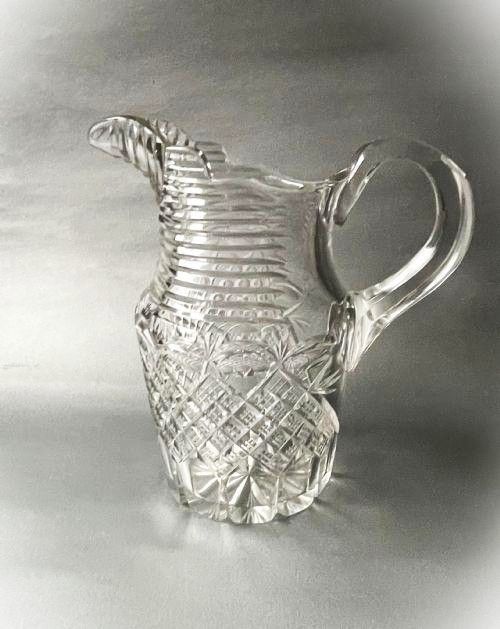
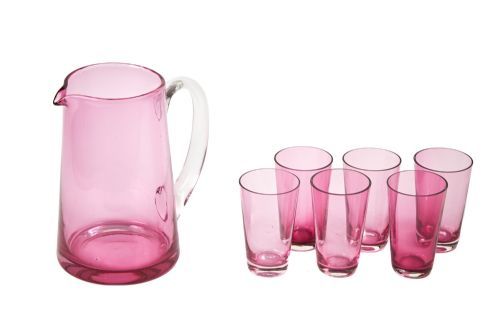
An antique lemonade pitcher encompasses sturdy glass vessels designed for serving summer drinks across the Victorian, Edwardian, and Art Deco periods. When searching for an antique lemonade pitcher, buyers frequently encounter large jugs fashioned from clear glass, heavy cut crystal, or rich cranberry glass.
The selection ranges from simple etched nineteenth-century water jugs to fitted silver-plated pieces featuring internal ice tubes for chilling. Makers from these eras also produced matching drinkware sets complete with six glasses, offering a cohesive display for the dining table.
Materials and construction
Makers utilised lead crystal, overshot glass, and standard clear or cranberry glass, shaping the molten material into heavy, durable jugs. Many examples incorporate sterling silver or silver plate for mounts, handles, and internal ice compartments.
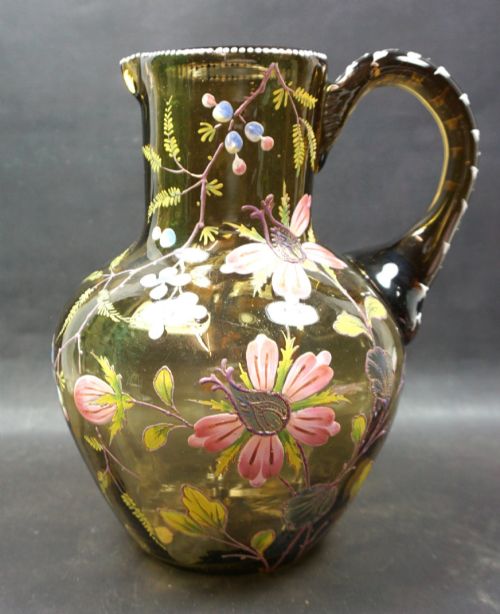
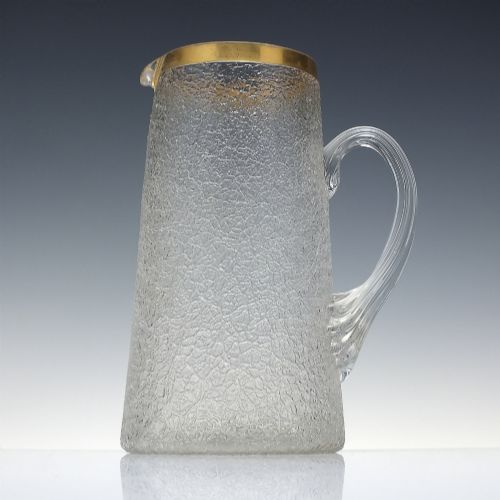
Finishing techniques included detailed wheel-cutting, acid-etching birds and branches onto the glass surface, and applying delicate gold leaf along the rims.
Antique Lemonade Pitcher Retail Price Guide 2026
Typical asking prices for lemonade pitcher among the pieces listed under this phrase on Sellingantiques today, from the lower quarter to the upper quarter. They describe what is for sale here now, not the wider market.
Several pitchers come equipped with secretive internal ice tubes so your summer lemonade stays chilled without a single watery compromise.
Distinguishing quality in pitchers
Quality rests in the weight and clarity of the glass, alongside the precision of the hand-cut facets or etched motifs. Heavier lead crystal and robust silver mounts denote superior production standards.
Pesters of lesser distinction show simple moulded seams without hand-finishing, whilst finer versions exhibit crisp engraving and balanced, well-weighted handles designed for everyday utility.
Mappin & Webb·Elkington & Co·Tiffany·Asprey & Co·John Grinsell
The Antique Lemonade Pitcher Glossary
- Cranberry glass
- A rich red-pink transparent glass created by adding gold chloride to the molten batch. It became particularly popular for decorative Victorian water jugs.
- Overshot glass
- A technique where fine threads of glass are trailed haphazardly across the surface of a blown vessel. This creates a textured, frosted finish.
- Ice tube
- A cylindrical metal insert placed inside the jug to chill beverages without diluting them. They are frequently found in silver-plated pieces.
- Lead crystal
- Glass containing metal oxide that increases weight, brilliance, and resonance. It allows for deep, sharp wheel-cutting.
- Silver plate
- A layer of silver fused to a base metal core. It provided durable mounts and handles on nineteenth-century drinkware.
Antique Lemonade Pitcher: Frequently Asked Questions
How do I date an antique lemonade pitcher?
Dating relies on stylistic clues, glass manufacturing techniques, and any accompanying silver hallmarks. Victorian and Edwardian pieces often display distinct cutting patterns or maker marks.
Examining the base for pontil marks and wear can also help determine whether a pitcher originates from the nineteenth or early twentieth century.
Are these pitchers safe for serving drinks?
Most antique glass and silver pitchers remain entirely functional for serving water, lemonade, or Pimms today. Solid construction allows them to handle liquids safely.
Care should be taken to wash them by hand rather than placing them in modern dishwashers, protecting both the glass and any silver plate.
What is the purpose of the metal insert?
The metal attachment found inside certain jugs acts as an ice tube to keep drinks cold. Ice goes inside the sealed tube so it chills the liquid without watering down the contents.
This clever Victorian innovation ensured lemonade stayed refreshing throughout long summer dining occasions.
How do I care for silver-plated mounts?
Silver-plated and sterling silver mounts require gentle cleaning with a soft cloth and appropriate metal polish. Avoid getting polish onto the surrounding glass.
Regular, careful maintenance preserves the bright finish of the metal fittings without damaging the antique glass body.