




Antique Lemon Squeezer
An antique lemon squeezer is a functional domestic implement designed for extracting citrus juice, valued by collectors for its clever mechanical ingenuity and historical charm.
Antique Lemon Squeezer
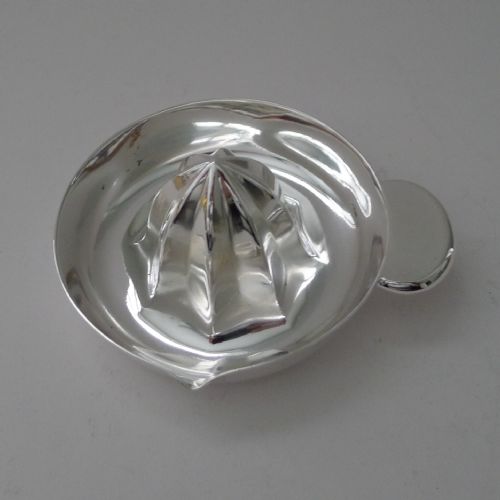
When searching for an antique lemon squeezer, you encounter a surprisingly varied group of objects spanning domestic kitchenalia, barware, and glassware. The selection ranges from carved wooden presses to silver plated citrus squeezers and glass rummers featuring distinctive heavy bases.
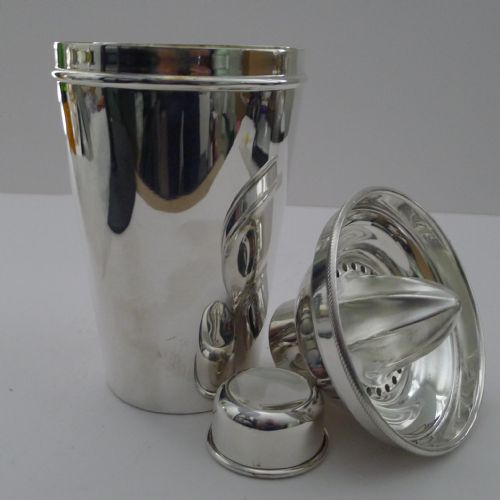
Wooden treen examples dominate the earlier periods, often turned from boxwood, beech, or sycamore with screw actions. Later nineteenth and twentieth century pieces bring silver plate, nickel silver, and cut crystal into the mix, alongside cocktail shakers fitted with integral juicers.
Materials and construction
Makers utilised dense hardwoods like boxwood and sycamore for treen lemon squeezers, turning them on lathes to create hinged or screw-action presses. These wooden implements rely on simple mechanical leverage to extract juice efficiently.
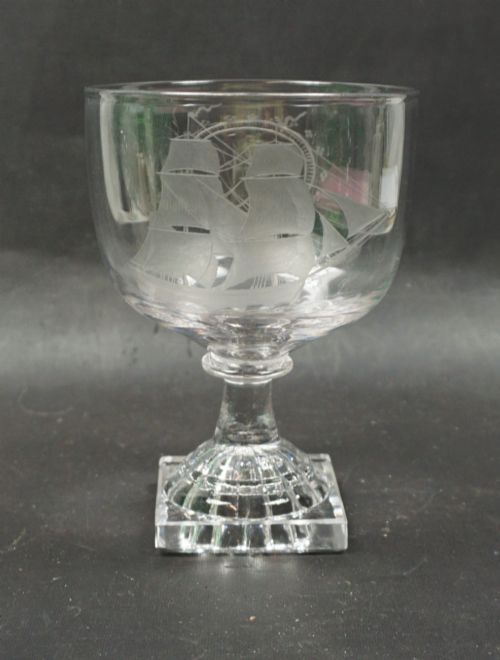
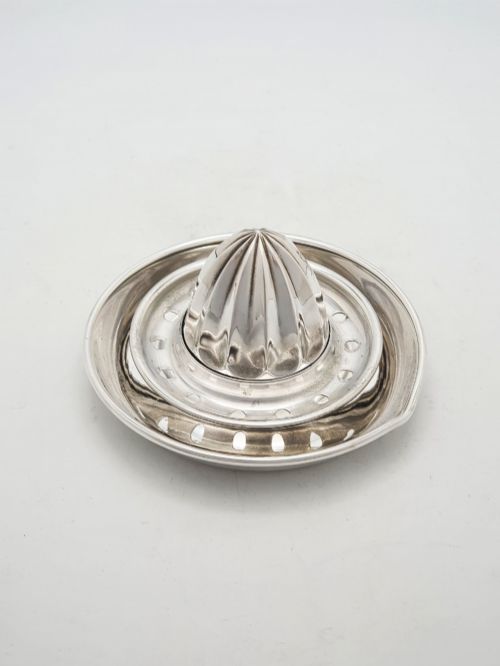
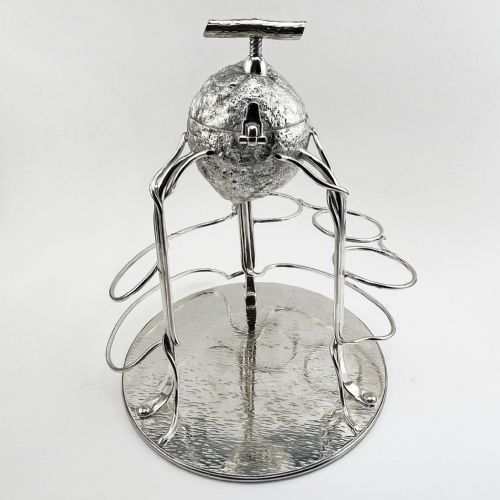
Metal versions combine silver plate or electroplated nickel silver with strainer rings and glass elements. Lead crystal and cut glass appear both as standalone citrus juicers and as the thick square bases characteristic of Georgian rummers.
Antique Lemon Squeezer Retail Price Guide 2026
Typical asking prices for lemon squeezer among the pieces listed under this phrase on Sellingantiques today, from the lower quarter to the upper quarter. They describe what is for sale here now, not the wider market.
Listings feature items spanning the eighteenth, nineteenth, and twentieth centuries, utilising materials from boxwood and sycamore to sterling silver, silver plate, and lead crystal.
Assessing quality and finish
Quality rests upon the crispness of the turning in treen pieces and the integrity of the silver plating on metal items. Finer examples retain their original mechanical parts, such as functioning screws, hinges, and strainer rings, without excessive wear.
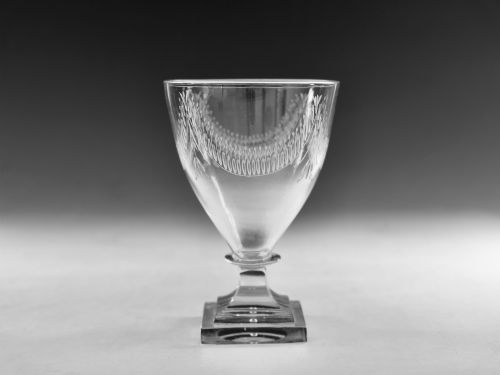
Glass quality shows in the weight of lead crystal and the precision of the cut facets, particularly on the heavy square bases of rummers. Makers marked with known firm stamps or registration dates also lift the standing of a piece.
Richard Comyns·Hukin & Heath·Daniel and Arter·Harrods
The Antique Lemon Squeezer Glossary
- Treen
- Small handmade wooden domestic objects. These items were turned or carved from timbers such as boxwood and sycamore.
- Rummer
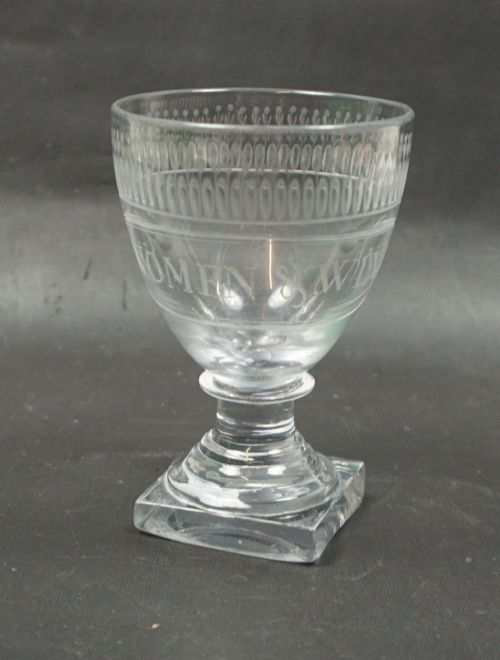
- A heavy drinking glass popular in the Georgian and Victorian periods. Many examples feature a square lemon squeezer foot.
- Electroplated Nickel Silver
- A base metal alloy coated with a layer of silver through electrolysis. This material provided a durable finish for late nineteenth century barware.
- Cocktail Shaker
- A vessel used to mix drinks by shaking, frequently incorporating an internal citrus juicer in twentieth century designs.
- Citrus Juicer
- A specialised tool designed to extract juice from lemons and limes. These take forms ranging from simple reamers to hinged mechanical presses.
Antique Lemon Squeezer: Frequently Asked Questions
How do you use a treen lemon squeezer?
Wooden screw action squeezers operate by placing a halved lemon into the chamber and turning the handle downward. The threaded screw presses the fruit against the perforations to extract the juice cleanly.
Most antique examples survive in good working order, though modern use requires gentle handling to preserve the aged timber and historic finish.
What is a lemon squeezer foot?
A lemon squeezer foot refers to the heavy, square-shaped glass base found on certain Georgian and nineteenth century rummers. The shape resembles the functional profile of early citrus presses popular at the time.
Glassmakers formed these distinctive heavy bases by pressing molten metal into square moulds before finishing the stem and bowl above.
When did silver plated squeezers appear?
Silver plated citrus presses and barware became prominent during the Victorian period, with manufacturing expanding through the late nineteenth and early twentieth centuries. Makers applied durable silver plating over nickel silver or copper alloys.
By the Art Deco era, these metal squeezers were frequently integrated directly into cocktail shakers for domestic and commercial bar use.
Are wooden squeezers English or continental?
Treen lemon squeezers originate from both English and continental workshops throughout the nineteenth century. English examples frequently utilised boxwood or beech, while continental makers often turned sycamore for kitchenalia.
Identifying specific origins usually depends on the turning style, timber choice, and any registration marks stamped into the wood or metal mounts.