
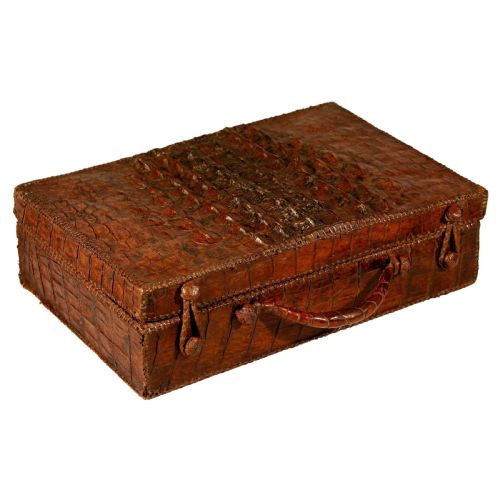


Antique Leather Luggage Case
An antique leather luggage case offers sturdy utility and travel history, ranging from Victorian hat boxes to Art Deco vanity pieces.
Antique Leather Luggage Case
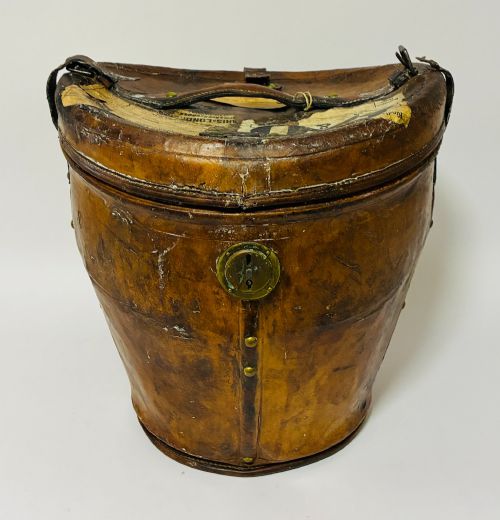
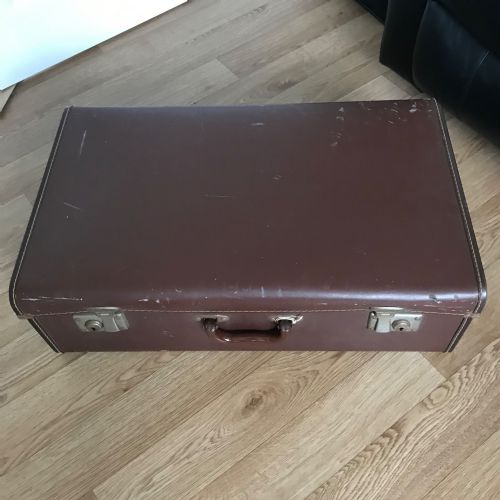
An antique leather luggage case encompasses trunks, suitcases, vanity boxes, and hat cases spanning the Georgian period through the early twentieth century. Buyers encounter forms designed for specific travel needs, including tall double hat boxes, fitted gentleman's cases, and compact weekend overnight bags.
The pieces on this page originate from diverse contexts such as military campaigns, ocean liner voyages, and gentleman's valets. Victorian and Edwardian examples sit alongside pieces from the nineteen-twenties and nineteen-thirties, reflecting changing transport and lifestyle habits.
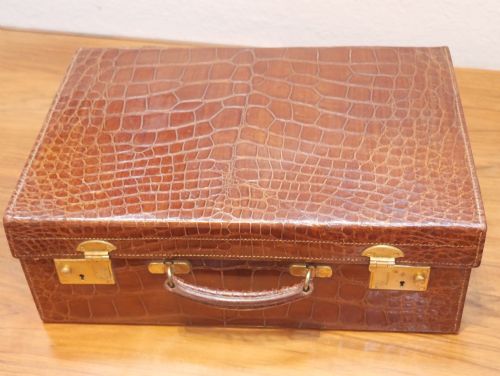
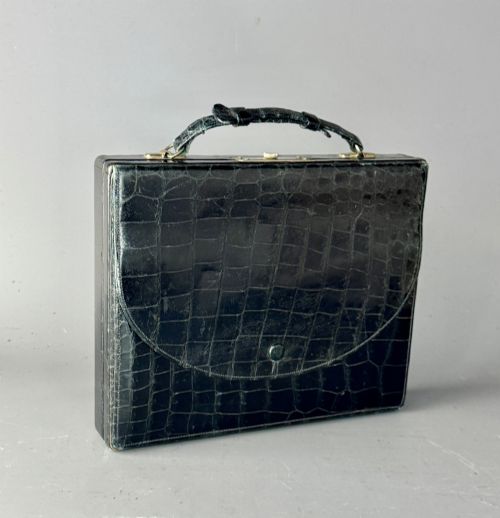
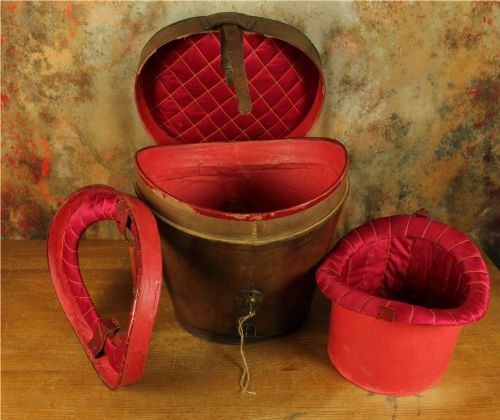
Specialised storage containers dominate the selection, particularly multi top hat cases and fitted vanity boxes with internal compartments. Crocodile leather, vellum, canvas, and plain hide all appear across different forms and eras.
Materials and construction
Makers built these pieces using thick leather, hide, and vellum over rigid wooden frames or metal skeletons to withstand heavy transit. Brass reinforcement, corner pieces, locks, and studs provided structural integrity and protected vulnerable edges during journeys.
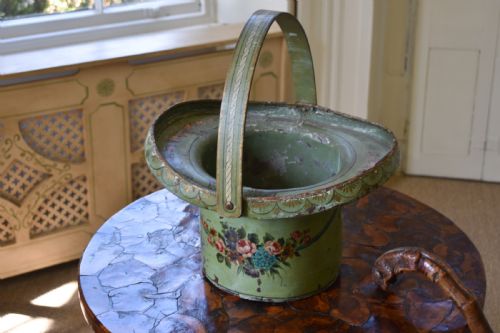
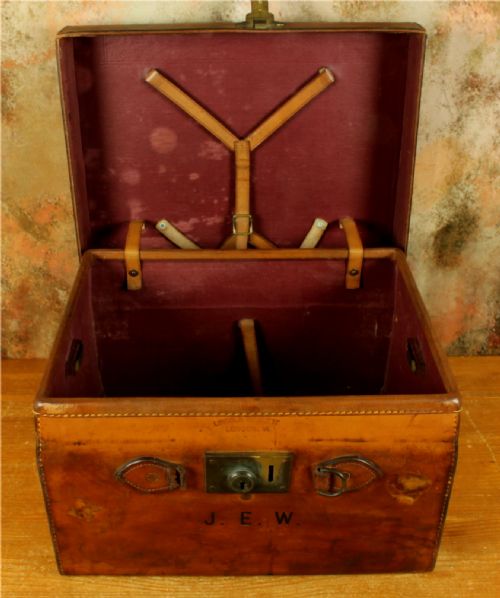
Fitted interiors incorporated wood, paper, fabric, and sometimes silver elements to organise personal items, bottles, and grooming tools. Canvas and painted finishes added exterior weather resistance, while handmade stitching secured the heavy hides together.
Object types range from standard suitcases and trunks to specialist veterinary field kits, gun cases, and multi top hat boxes.
Judging quality and craftsmanship
Superior pieces display robust internal fittings, such as complete silver dressing table sets, custom compartments, and signed maker's plaques from established retailers. The weight and grade of the leather, combined with the precision of the brass work and stitching, distinguish high-end bespoke items from standard utility luggage.
Dunhill London·Lincoln Bennett·Army and Navy·Drew and Sons·John Pound·Harrods·C. Antrobus·Finnegans of Bond Street·Goyard
The Antique Leather Luggage Case Glossary
- Vellum
- Calfskin or other skin prepared for writing or binding, utilised here for lightweight outer luggage coverings. It provides a pale, smooth surface distinct from heavy cowhide.
- Campaign case
- Portable furniture or luggage made for military officers on the move. These pieces typically feature robust brass studs and reinforced corners for field conditions.
- Vanity case
- A compact box fitted for cosmetics, brushes, and grooming bottles. They often include internal mirrors and silver dressing table accessories.
- Portmanteau
- A large leather travelling bag that opens into two equal compartments. The term describes traditional hinged cases used for extended journeys.
- Hornback
- Leather taken from the ridge of a crocodile or alligator tail, showing prominent scale ridges. This material appears on decorative twentieth-century suitcases.
Antique Leather Luggage Case: Frequently Asked Questions
How do I care for antique leather?
Keep cases out of direct sunlight and away from heat sources to prevent the hide from drying out and cracking.
Apply a suitable leather conditioner sparingly to maintain flexibility while preserving historical surface marks and travel labels.
Were these cases used for air travel?
Most pieces date from periods before commercial air travel became common, built instead for steamships, trains, and horse-drawn carriages.
Their heavy wooden frames, brass locks, and robust leather hides suit railway luggage racks and ship cabins.
What is a multi top hat case?
A tall, structured box designed to transport more than one formal silk top hat safely without crushing the brims or crowns.
They feature internal wooden or leather partitions to secure the hats in place during bumpy transit.
How do travel labels affect the piece?
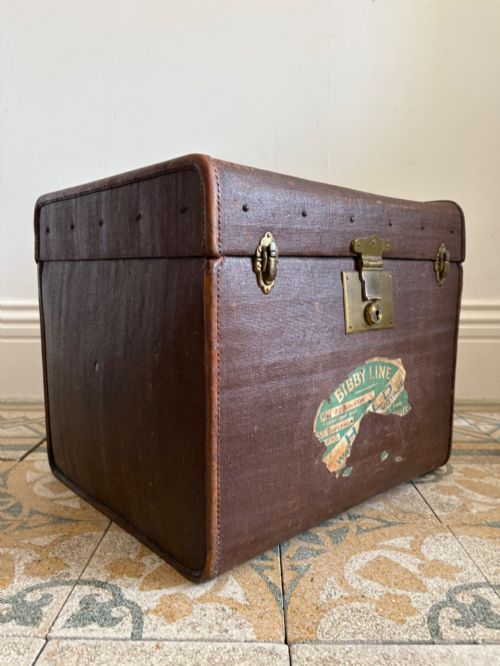
Original shipping labels, hotel stickers, and railway tags document the real journeys and historical timeline of the luggage.
Collectors generally value these paper remnants because they add provenance and visual character to the exterior.