





Antique Leather Inset Bureau
An antique leather inset bureau is a practical workspace with a writing surface of hide, and you want one for the fitted compartments and period character.
Antique Leather Inset Bureau
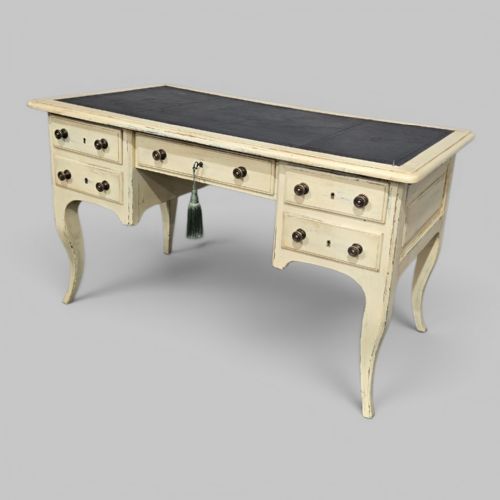
An antique leather inset bureau brings traditional craftsmanship to a home workspace, combining a dedicated writing surface with concealed storage compartments. These pieces span several distinct eras, with Victorian and Edwardian examples appearing frequently alongside earlier Regency designs.
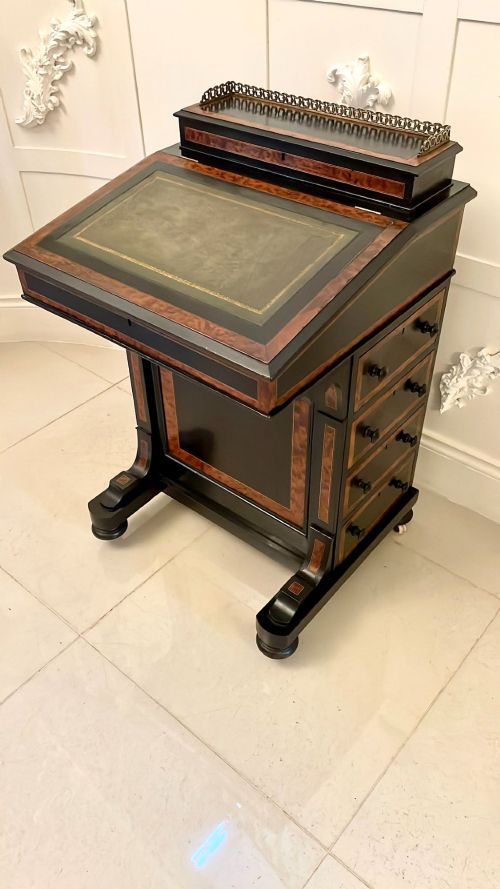
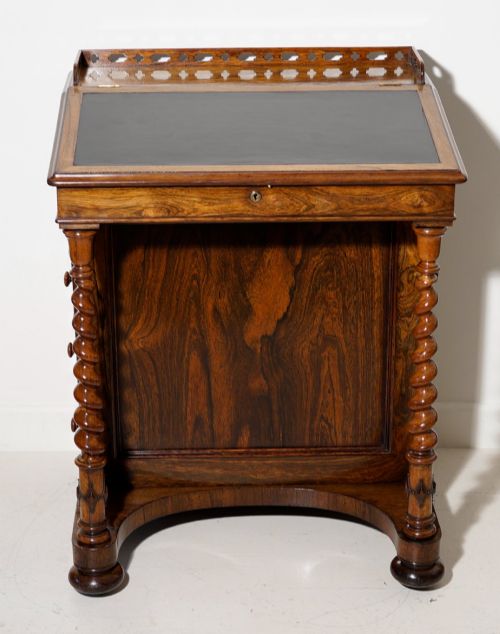
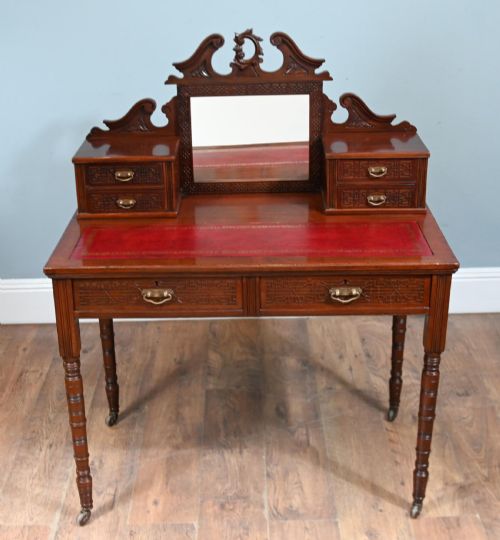
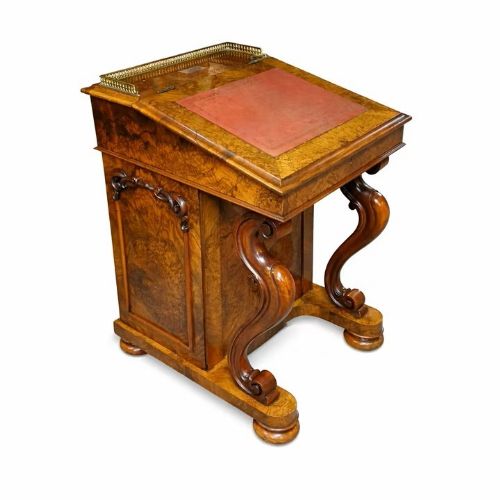
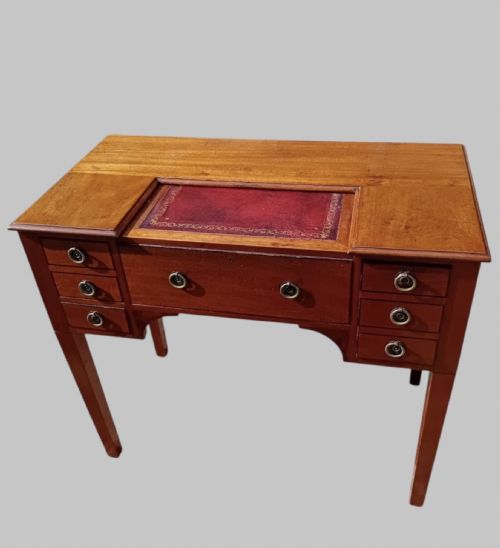
The form varies from compact Davenport desks and lady's writing tables to large pedestal desks and Carlton House desks. Many feature fitted interiors with small drawers and pigeonholes designed for correspondence and ledgers.
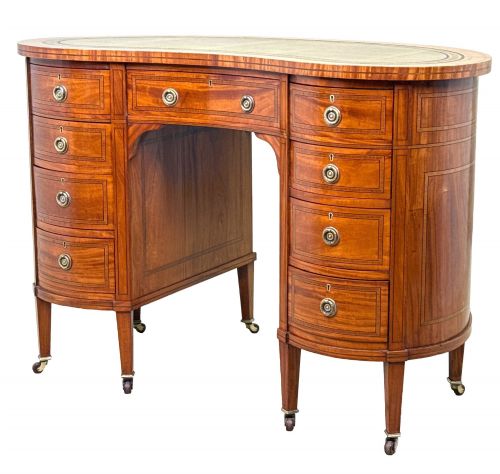
Makers utilised various formats, including kidney-shaped writing tables and slope-front writing cabinets. Walnut, mahogany, and rosewood form the primary carcasses of these desks, often enhanced by decorative satinwood or marquetry inlay.
Materials and construction
Cabinet makers built these desks using solid timbers like mahogany, oak, and walnut, frequently applying figured veneers of burr walnut or rosewood to drawer fronts and writing slopes. Secondary structural timbers provide stability to the internal frameworks and drawer linings.
Writing surfaces were lined with genuine leather, often finished with gilt and blind-tooled borders around the perimeter. Brass handles, escutcheons, and gallery rails complete the hardware, fixed securely to the timber bodies.
Many desks conceal secret compartments behind false drawer fronts where owners hid love letters and sovereign gold.
Judging quality in writing furniture
The grade of timber and the quality of the veneer selection set finer desks apart from standard production pieces. Figured grain patterns match symmetrically across drawer banks and writing surfaces, showing careful planning by the cabinet maker.
Internal joinery standards reveal the hand of the maker through cleanly cut dovetails on drawer boxes and well-fitted interior compartments. The crispness of carved details, inlay work, and the preservation of original brass hardware indicate superior workshop origins.
Rumney & Love Liverpool·Howard & Sons
The Antique Leather Inset Bureau Glossary
- Bureau
- A desk with a sloping lid that opens to form a writing surface and reveals fitted interior pigeonholes. It often sits upon a chest of drawers or a stand.
- Davenport
- A compact writing desk featuring a sloped leather-inset top above a bank of side drawers. Originating in the Regency period, it became a popular form for ladies.
- Carlton House desk
- A form of writing desk with a fitted superstructure curving around the back and sides, housing small drawers and compartments. It typically incorporates a pull-out leather-lined writing slide.
- Bonheur du jour
- A light lady's writing desk featuring a small cabinet or set of shelves superstructure above the main writing surface. This French form dates from the eighteenth century onwards.
- Gallery
- A decorative raised border, often pierced brass or turned wood, running along the top edge of a desk back or superstructure.
Antique Leather Inset Bureau: Frequently Asked Questions
What is a leather inset bureau?
A leather inset bureau is a writing desk featuring a writing surface lined with panelled leather. This material provides a smooth, durable hide surface for writing with fountain pens and quills.
Such desks combine enclosed storage compartments with a dedicated writing space. They range from compact Davenport tables to large pedestal desks suitable for library use.
How do I care for the leather top?
The leather inset requires gentle cleaning with a slightly damp cloth to remove dust. Avoid chemical solvents or harsh detergents that strip the original dye and gilt tooling.
Applying a specialist leather balsam periodically maintains the suppleness of the hide. Keeping the desk away from direct sunlight prevents the leather and underlying timber from drying out.
How do I identify the period?
Period identification relies on examining construction techniques, timber choices, and stylistic details. Regency pieces often display classical proportions and rosewood veneers, while Victorian examples favour heavy mahogany and burr walnut.
Hardware styles, dovetail construction methods, and secondary woods provide further clues. Makers' stamps or workshop labels inside drawers offer definitive dating evidence.
Where were these desks used?
These desks served primarily in private libraries, studies, and drawing rooms of large townhouses and country estates. Ladies writing tables were kept in private sitting rooms for daily correspondence.
Larger pedestal and partner desks functioned as administrative hubs in offices and grand homes. Their fitted interiors kept writing materials organised out of sight.