





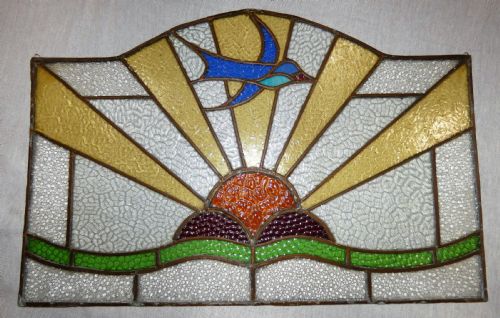


Antique Leadlight
Antique leadlight windows, cabinets and panels bring colour and historic craftsmanship into a room.
Antique Leadlight
When you search for antique leadlight, you find architectural salvage, windows, display cabinets, and bookcases that incorporate small panes of glass held together by lead cames. The pieces on this page span from the Georgian period through the Victorian and Edwardian eras, reaching into the early twentieth century.
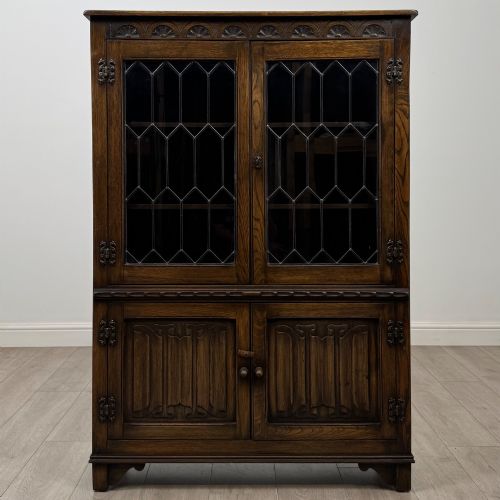
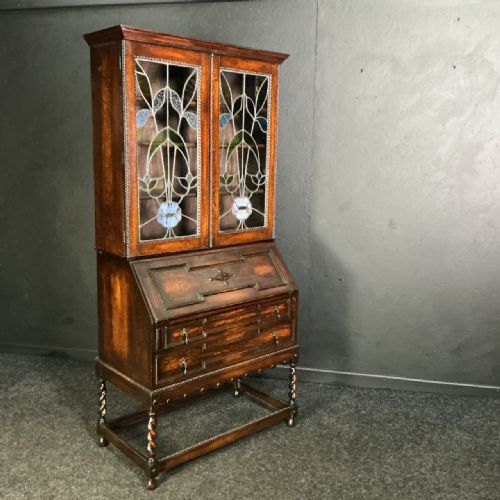
Cabinets and bureau bookcases utilise leaded glass doors to showcase contents while protecting them from dust, drawing on styles such as Arts and Crafts, Art Nouveau, and Tudor Revival. Architectural windows and panels offer painted scenes or plain leaded geometries, executed in oak, mahogany, and pine frames.
The most frequent forms you will encounter are Edwardian display cabinets and early twentieth-century leaded glass windows. These items reflect the domestic building booms and interior furnishing tastes of their respective periods.
Construction and materials
Makers constructed leadlight windows and cabinet doors by cutting individual pieces of glass and joining them with flexible lead strips known as cames, which were then soldered at the intersections to create a rigid panel. Timber framing in oak or mahogany provided the structural support for larger cabinets and architectural panels.
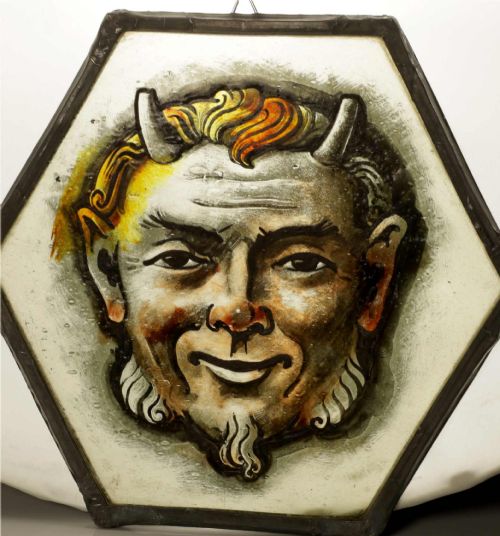
Selected windows incorporate hand-painted details, firing pigment onto the glass surface before lead assembly, while others rely entirely on the natural colour and texture of stained and clear glass panes.
Antique Leadlight Retail Price Guide 2026
Typical asking prices for leadlight among the pieces listed under this phrase on Sellingantiques today, from the lower quarter to the upper quarter. They describe what is for sale here now, not the wider market.
The listings span from early eighteenth-century Georgian cupboards to early twentieth-century Arts and Crafts display cabinets.
Distinguishing quality in leadlight pieces
Quality rests in the precision of the leadwork and the artistic ambition of the glass composition. Finer windows and cabinets display intricate hand-painted elements, varied glass textures that catch the light differently, and substantial timber frames free from structural compromise.
Simpler pieces utilise machine-rolled clear glass and straightforward geometric lead patterns, which offer utility and period charm without the artistic complexity found in works linked to movements like Arts and Crafts or Pre-Raphaelite design.
Liberty & Co.·Sir Edward Burne-Jones
The Antique Leadlight Glossary
- Lead came
- The grooved lead strip used to hold individual pieces of glass together in a leadlight window or cabinet door. It is soldered at the joints to form a sturdy web.
- Stained glass
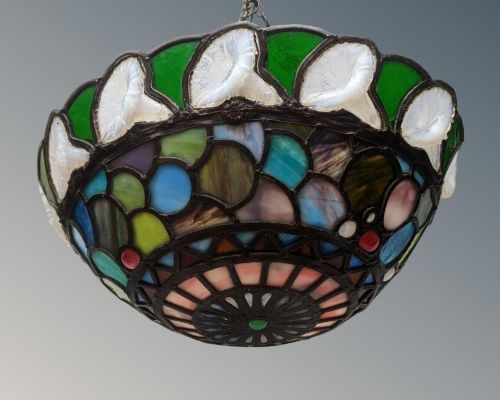
- Glass that has been coloured by the addition of metallic oxides during its manufacture, or subsequently painted and fired in a kiln. It forms the vibrant panels seen in Victorian and Edwardian windows.
- Linenfold
- A style of wood carving that resembles folded parchment or linen, frequently seen on the panels of Edwardian and revival-style oak cabinets.
- Bureau bookcase
- A combination furniture form featuring a sloping writing flap above drawers, surmounted by a glazed cabinet used for storing and displaying books.
Antique Leadlight: Frequently Asked Questions
How do I hang an antique leadlight window?
Most antique windows require a custom iron or brass hanging bracket secured to the window frame rather than the leaded panel itself. The weight of the lead and glass must be supported uniformly to prevent sagging.
Professional installation is recommended for larger architectural panels to ensure the timber surrounds bear the load safely.
Can leadlight cabinet doors be cleaned safely?
Clean the glass using a soft cloth and a mild, non-ammonia window cleaner sprayed onto the cloth rather than directly onto the glass. This prevents liquid from seeping behind the lead cames.
Avoid pressing hard against the glass panes, as older lead can flex and loosen over time.
What is the difference between leadlight and stained glass?
Leadlight generally refers to glass pieces held together by lead cames, which may be clear, textured, or coloured. Stained glass specifically describes glass coloured with metallic compounds during production.
Many antique pieces combine both techniques, using coloured stained glass within a leadlight framework.
How do I date an antique leadlight cabinet?
Examine the timber species, construction joints, and stylistic details such as brass hardware and carved motifs. Oak and mahogany were utilised across different decades, with Edwardian pieces often showing lighter arts and crafts influences.
Hardware fixings and drawer construction methods also provide clear indicators of the manufacturing period.