





Antique Leaded Glass Lamp
An antique leaded glass lamp brings warm illumination and rich colour into a room through individual pieces of glass joined by came.
Antique Leaded Glass Lamp
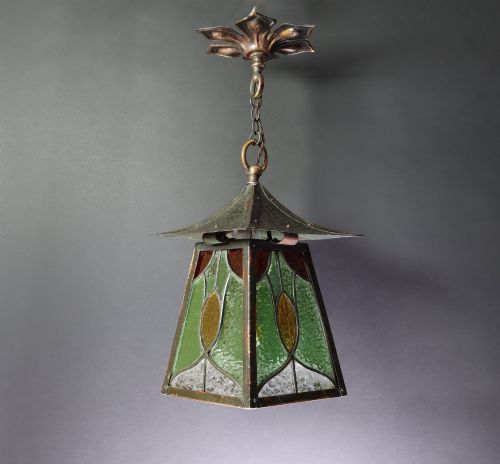
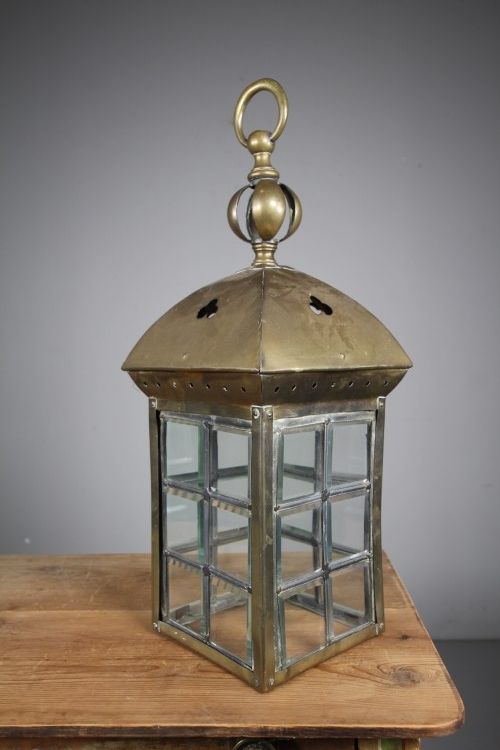
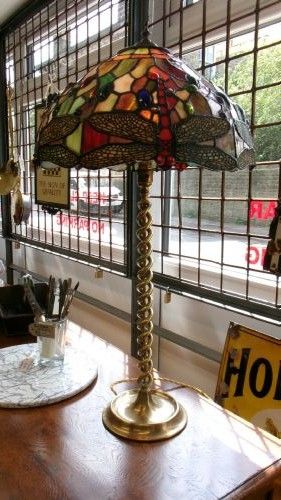
When you search for an antique leaded glass lamp, you encounter lighting fixtures constructed from segments of glass held together by lead or copper foil cames. The examples found here span the Victorian, Edwardian, and early twentieth-century periods.
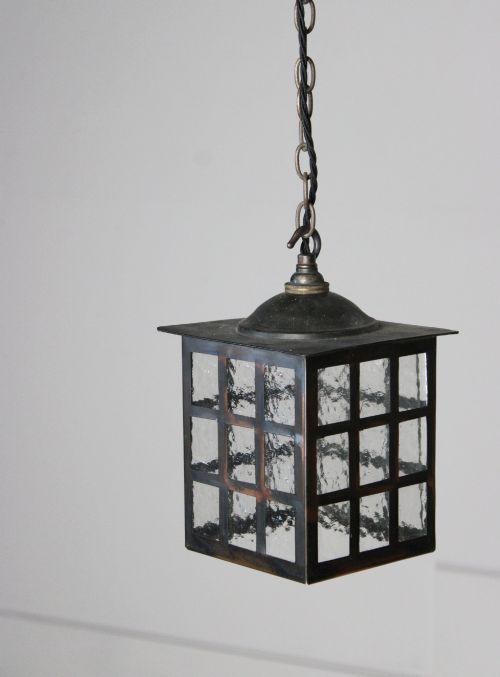
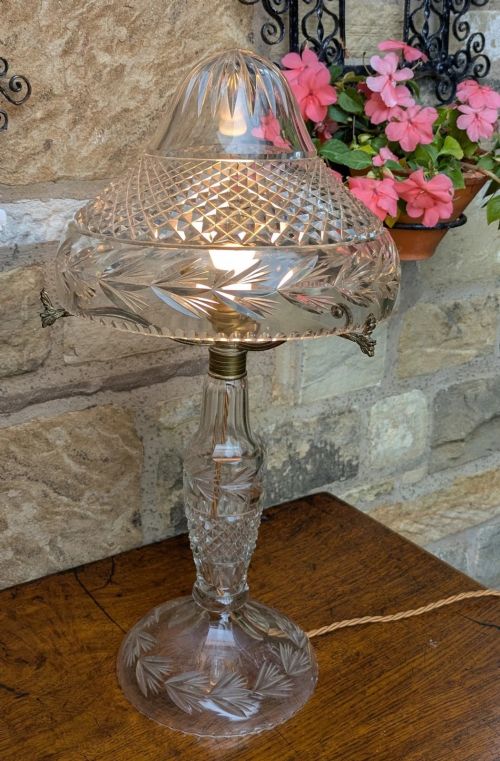
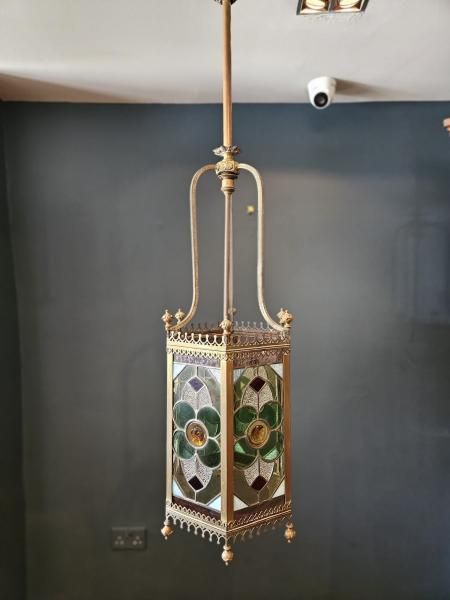
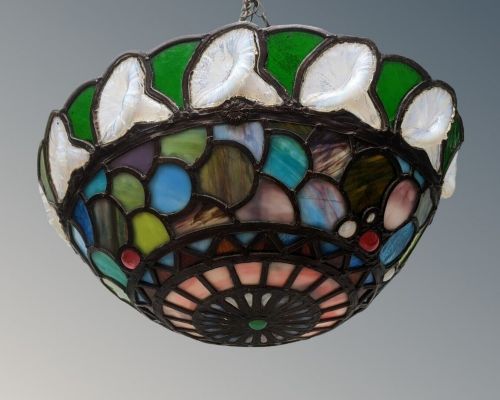
The selection includes table lamps, pendant lights, hall lanterns, and ceiling lighting designed in styles such as Arts and Crafts, Art Nouveau, and Gothic Revival. Materials range from brass and wrought iron to cut crystal and coloured glass.
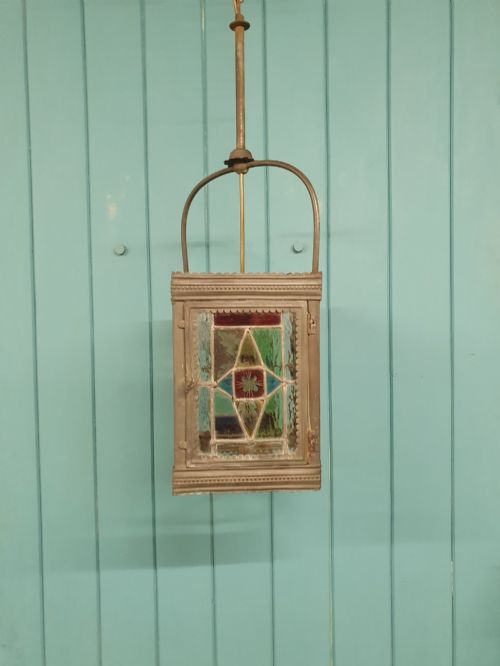
Table lamps and hanging lanterns represent the principal forms you are most likely to meet on this page. These pieces originate from English, French, and American workshops, often displaying distinct regional characteristics in their metalwork.
How they were made
Makers constructed these lamps by cutting individual panes of coloured, stained, or cut glass to fit intricate patterns. Workers then joined the glass pieces using lead cames or wrapped the edges in copper foil before soldering the joints together.
The structural frames utilise materials such as brass, patinated bronze, wrought iron, and copper. Metal components were cast, spun, or hand-forged to support the heavy glass shades and house the electrical or oil fittings.
Antique Leaded Glass Lamp Retail Price Guide 2026
Typical asking prices for leaded glass lamp among the pieces listed under this phrase on Sellingantiques today, from the lower quarter to the upper quarter. They describe what is for sale here now, not the wider market.
What varies in quality
The quality of an antique leaded glass lamp rests on the precision of the glass cutting and the artistic harmony of the colour palette. Finer pieces demonstrate careful solder work with uniform cames that complement the overall design rather than distracting from it.
Metal bases and frames show variation in the weight of the casting and the depth of the original patination. Superior examples maintain structural integrity in the heavy lead framework, preventing the glass shade from sagging or warping over time.
Tiffany Studios NYC
The Antique Leaded Glass Lamp Glossary
- Leaded glass
- Glass pieces assembled into a decorative window or lamp shade using H-shaped lead cames. This technique allows makers to create complex pictorial or geometric designs.
- Came
- A slender channel of lead, zinc, or copper used to hold pieces of glass together in a panel. The strips are soldered at the intersections to form a rigid network.
- Arts and Crafts
- A design movement valuing handcraftsmanship and traditional materials over mass production. Objects from this style feature honest construction and simple, robust forms.
- Patinated brass
- Brass that has undergone a chemical or natural treatment to age the surface colour. This process deepens the tone and reduces bright metallic glare.
- Hall lantern
- An enclosed hanging light fixture traditionally placed in entrance halls and corridors. These fixtures often feature glass panels set within a metal framework.
Antique Leaded Glass Lamp: Frequently Asked Questions
What is an antique leaded glass lamp?
An antique leaded glass lamp is a lighting fixture made from hand-cut pieces of glass joined together by lead cames or copper foil. These pieces date from the nineteenth and early twentieth centuries.
They encompass table lamps, ceiling lights, and hanging lanterns created in various historical styles, including Arts and Crafts and Gothic Revival.
How were these lamps used originally?
These lamps provided functional illumination for domestic interiors, public buildings, and entrance hallways. Table lamps sat on desks and side tables to offer focused light.
Lanterns and pendant lights hung from ceilings to light up hallways, porches, and principal rooms during the Victorian and Edwardian eras.
How do I date an antique glass lamp?
Dating relies on examining the construction methods, metal types, and stylistic motifs present in the piece. Victorian examples often display Gothic or ornate brass work, while Edwardian and later pieces lean towards simpler Arts and Crafts or Art Nouveau designs.
Hardware, wiring channels, and maker marks also help narrow down the period of manufacture.
How do I live with an antique leaded glass lamp?
Living with these pieces involves placing them where their coloured glass can catch natural light or contribute a warm glow when illuminated. Positioning them away from high-traffic areas protects the delicate lead work and glass panels from accidental bumps.
Regular, gentle dusting keeps the glass and metal frames clean without harsh chemical cleaners.