

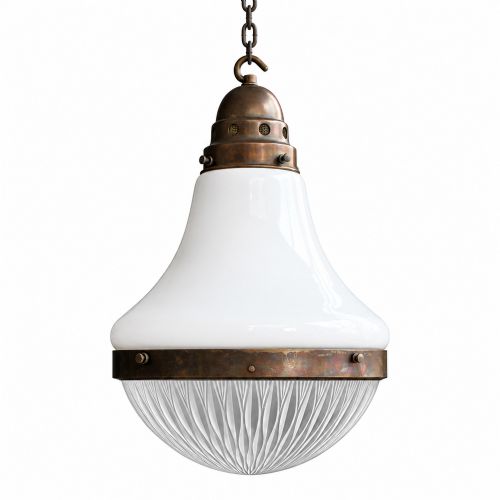


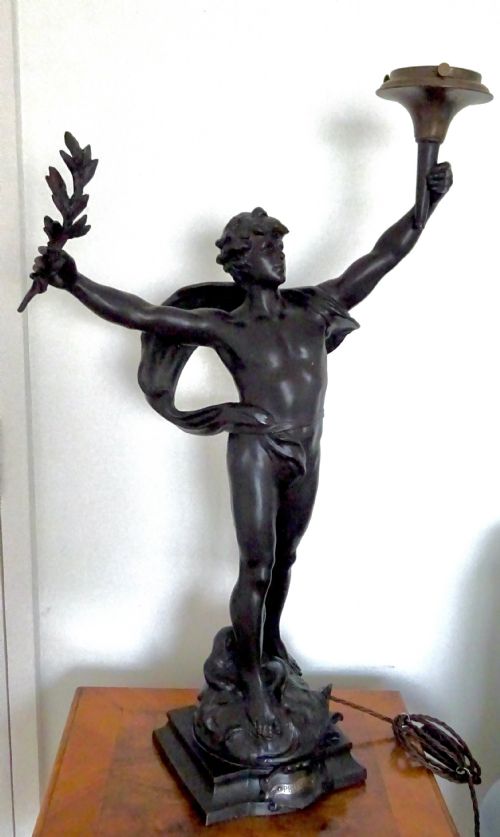


Bronze Art Nouveau Lamp
A bronze art nouveau lamp brings organic fluidity and sculptural grace to an interior, whether cast as a figural lady or mounted with coloured glass.
Bronze Art Nouveau Lamp
A bronze art nouveau lamp combines functional illumination with the sinuous, nature-inspired aesthetics popular around the turn of the twentieth century. When searching this phrase, collectors encounter table lamps, desk lamps, and figural sculptures adapted for light.
The pieces on this page span the late nineteenth century through the Edwardian period and into the nineteen-twenties, incorporating French and British designs. Forms range from simple adjustable reading lights to large figural centrepieces involving bronze and spelter.
Makers and artists often shaped these luminaires to feature botanical motifs, winged figures, and mythological subjects like Cleopatra. Many survivors began as oil lamps before later conversion to electricity.
How They Were Made
Foundries cast these pieces primarily in bronze or substitute metals such as spelter, frequently applying gilts, verdigris, or bronzed finishes to the surface. Artisans then paired these metal bases with shades and cabochons formed from frosted, opaline, or iridescent glass.
Complementary materials like fabric, crystal, oak, and mahogany frequently appear in the construction of shades, bases, and structural supports. Adjustable mechanisms utilise brass joints and sliding stems to direct the illumination.
Bronze Art Nouveau Lamp Retail Price Guide 2026
Typical asking prices for bronze art nouveau lamp among the pieces listed under this phrase on Sellingantiques today, from the lower quarter to the upper quarter. They describe what is for sale here now, not the wider market.
What Varies in Quality
The distinction between standard commercial output and exceptional work lies in the crispness of the metal chasing and the artistic ambition of the sculptured form. Signed pieces by recognised makers demonstrate superior finishing in the drapery of figures and the delicacy of plant stems.
Glass components also dictate standard, where hand-blown iridescent or multi-layered opaline shades elevate a simple desk lamp into a collector piece. The integration of functional elements, such as smooth height adjustment and original collar fittings, separates better examples from later adaptations.
L and F Moreau·Georges Leleu·F and C Osler·The Charles Parker Company·Ivan Zaiec·Tiffany Studios NYC·Henri Honore Ple·Auguste Moreau·Palme Konig·Charles Schneider·Wolfers
The Bronze Art Nouveau Lamp Glossary
- Spelter
- A zinc alloy frequently utilised as a cost-effective alternative to bronze in figural lamp production. It takes patination well but requires careful handling due to its relative softness.
- Cabochon
- A polished, convex piece of cut glass mounted onto a metal lamp body for decorative colour. These act as jewel-like accents in the metalwork.
- Opaline glass
- A milky, semi-translucent glass type used for lamp shades to diffuse light softly. It appears in white and various pastel tones across period pieces.
- Electrolier
- A light fixture designed specifically for electricity rather than gas or oil. The term often describes more elaborate multi-bulb table lamps and chandeliers.
Bronze Art Nouveau Lamp: Frequently Asked Questions
How do I identify a true period piece?
Examine the casting quality of the metal, the weight of the base, and the method of construction around the wiring ports. Period pieces often show hand-chased details and heavier metal components compared to later reproductions.
Look for manufacturing marks, foundry stamps, or artist signatures cast directly into the bronze or spelter. The presence of period-appropriate fittings and glass shades further confirms authenticity.
Were these originally electric lamps?
Many surviving examples began their functional lives as oil lamps or paraffin burners before conversion to electricity during the twentieth century. Workshops adapted the original metal reservoirs and burners to house electrical sockets.
Converted pieces often retain their original wick keys or collar mechanisms alongside modern wiring. This dual history is common among lamps dating from the eighteen-nineties and Edwardian eras.
How should I clean bronze and spelter safely?
Dust the metal surfaces gently with a soft, dry microfibre cloth to remove everyday particles. Avoid abrasive polishes or chemical cleaning agents that can strip away the original antique patination.
Glass shades can be removed and washed in warm, soapy water if handled with care. Ensure all parts are completely dry before reassembly and testing.
What is the difference between bronze and spelter?
Bronze is a heavy alloy of copper and tin known for its durability, fine casting capability, and rich natural patina. Spelter is a softer, lighter zinc-based metal that mimics bronze appearance when painted or bronzed.
Spelter pieces are generally more fragile and prone to chipping or cracking under stress. A magnet will not stick to either material, but density and surface examination usually distinguish them.