



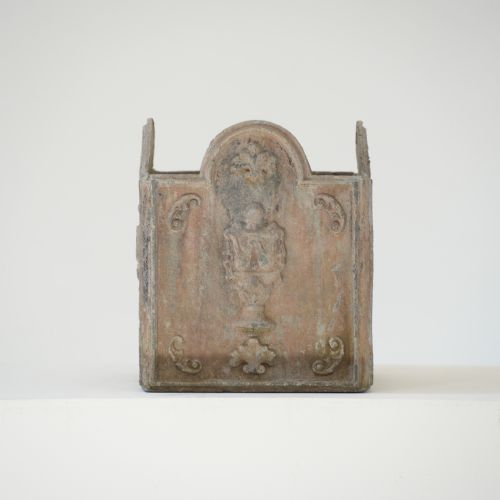


Antique Lead Ornament
These antique lead ornament pieces bring enduring character to gardens and interiors through solid cast metal forms shaped across several centuries.
Antique Lead Ornament
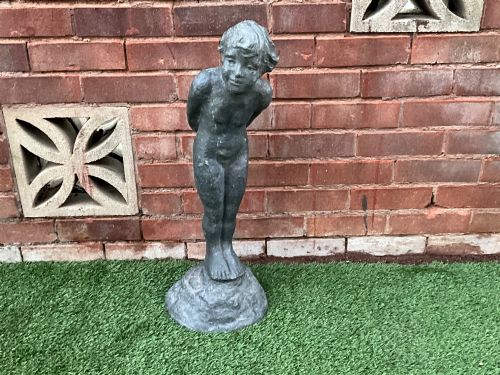
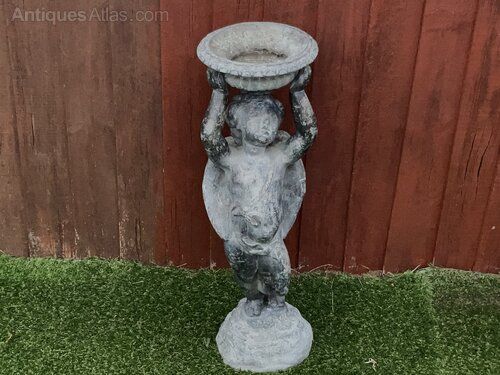
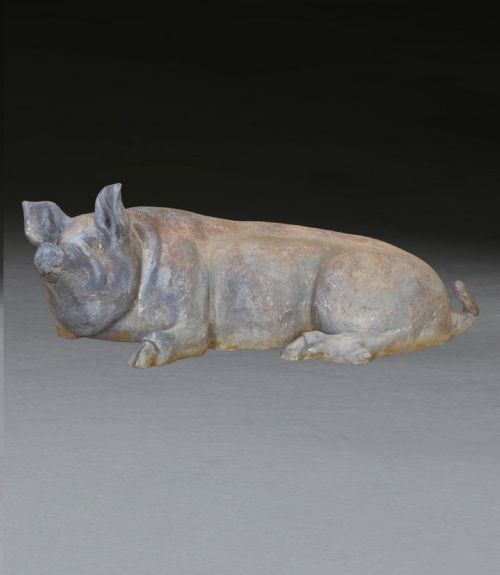
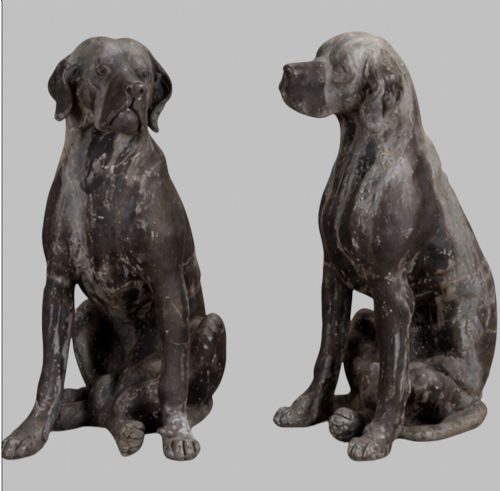
When you search for an antique lead ornament, you encounter heavy metal figures and vessels created for display in gardens and domestic spaces. The selection includes garden statues, garden sculptures, planters, bird baths, and figural representations.
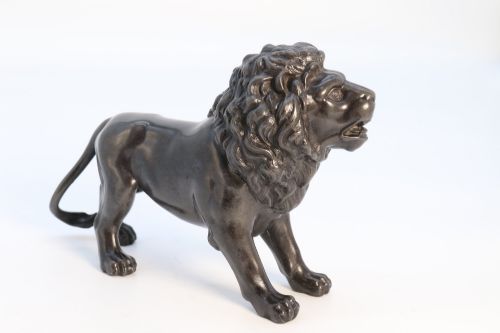
The objects span multiple periods, with Victorian examples and 18th-century Georgian pieces appearing alongside 17th-century items and early 20th-century creations. Forms range from classical lions and satyr musicians to garden putti, planters on claw feet, and figurative studies.
English country gardens and neoclassical designs heavily influence the visual style of these heavy metal objects. You also find specialised pieces such as sundials and jardinieres built for functional outdoor use.
Factors that distinguish quality
The crispness of the casting defines the upper tier of these pieces, where facial expressions on putti, lions, and human figures retain sharp anatomical detail. Softer or blurred edges indicate worn moulds or hurried production.
Proportion and scale separate masterworks from simpler yard goods, particularly in life-size animal studies and architectural urns where balance is essential. Surface oxidation and natural patination also contribute to visual depth, provided the metal retains its structural integrity.
Antique Lead Ornament Retail Price Guide 2026
Typical asking prices for lead ornament among the pieces listed under this phrase on Sellingantiques today, from the lower quarter to the upper quarter. They describe what is for sale here now, not the wider market.
Listings include heavy cast lead planters, garden putti, and figurative sculptures spanning the Georgian, Victorian, and early 20th-century periods.
The Antique Lead Ornament Glossary
- Lead glaze
- A shiny ceramic coating containing lead oxide, commonly found on early earthenware vessels and figures. It provides a glossy finish that resists moisture.
- Putto
- A plump, often winged male child figure derived from classical art, frequently depicted in garden sculptures and fountains. These figures bring a playful, neoclassical mood to outdoor spaces.
- Jardiinere
- An ornamental pot or stand for plants, often made of lead in large scales for garden terraces. They serve as both architectural accents and practical containers.
- Neoclassical
- A style inspired by the classical art and architecture of ancient Greece and Rome, prominent in Georgian and Victorian garden ornaments. It emphasises symmetry, restraint, and classical motifs.
- Patina
- The surface sheen and oxidation developed on metal over decades of exposure to the elements. This natural ageing process enhances the visual character of outdoor leadwork.
Antique Lead Ornament: Frequently Asked Questions
Can I leave my lead ornament outside year round?
Lead ornaments are naturally weather-resistant and withstand rain and frost due to the durable nature of the metal.
However, delicate painted surfaces or hollow cast areas benefit from sheltered placement during extreme winter conditions.
How do I clean an antique lead garden statue?
Gentle washing with warm water and a soft brush removes accumulated dirt and moss without disturbing the historical surface.
Avoid harsh chemical cleaners or abrasive scouring pads that strip away the desirable natural oxidation.
How can I tell a Georgian lead piece from a Victorian one?
Georgian lead ornaments often display heavier neoclassical influences and simpler, robust casting proportions typical of 18th-century estates.
Victorian examples frequently introduce more eclectic styles, intricate botanical details, and varied subjects like monkeys and musicians.
Are these heavy metal ornaments difficult to install?
Cast lead objects possess considerable weight, which provides natural stability on flat garden surfaces and lawns without permanent fixing.
Large planters and life-size figures require careful handling and adequate lifting equipment to position safely on site.