

Antique Lavalier
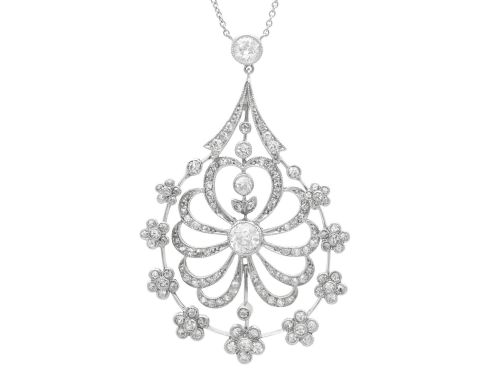
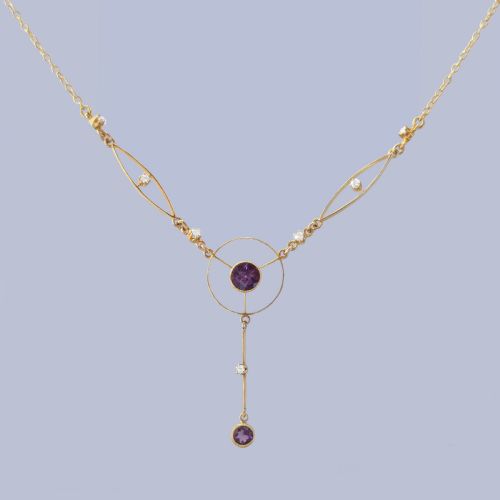
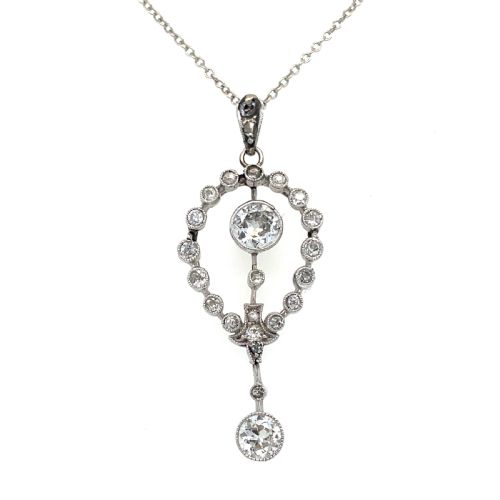
These antique lavalier necklaces combine delicate pendant drops with flowing Edwardian and Art Nouveau lines, offering a wearable piece of early twentieth-century design.
Antique Lavalier
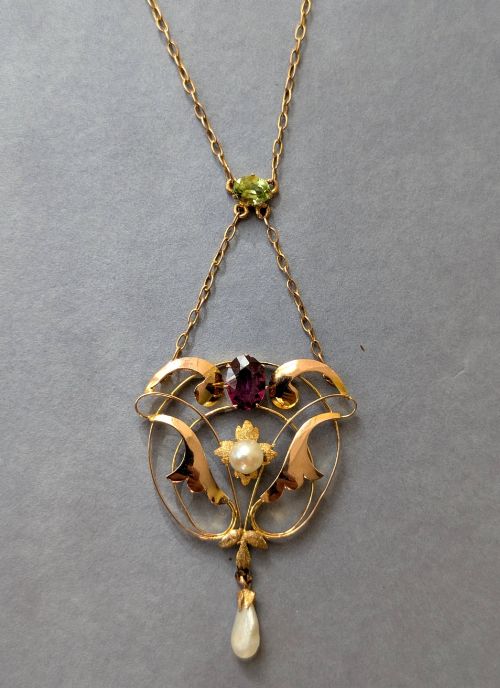
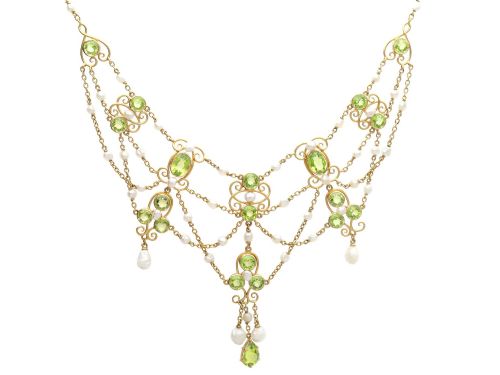
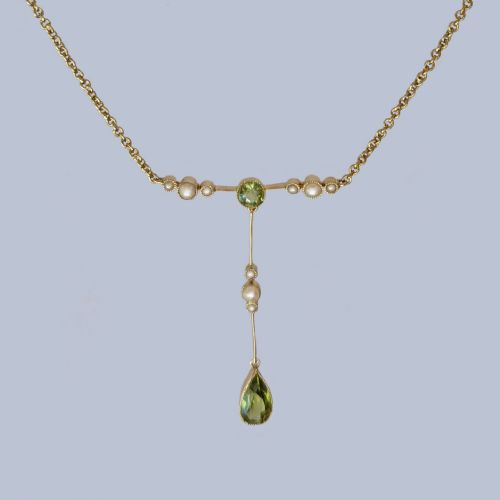
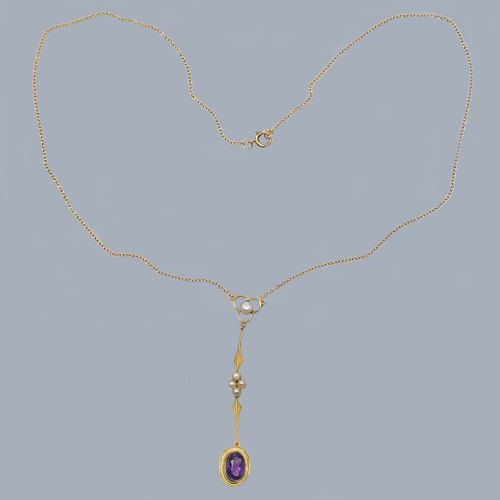
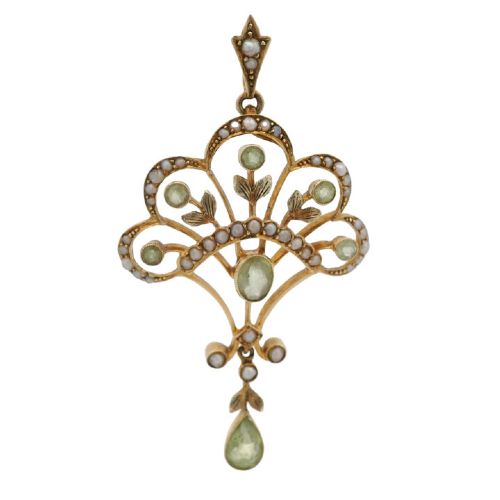
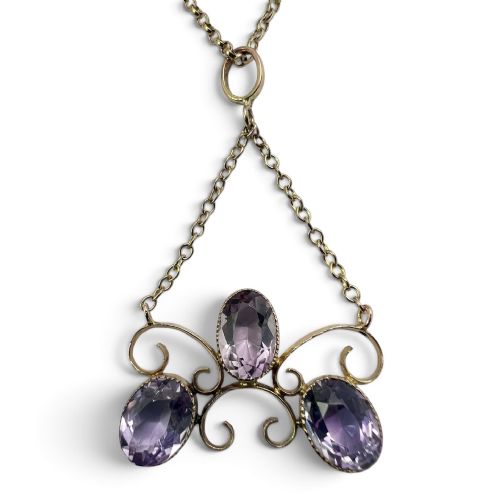
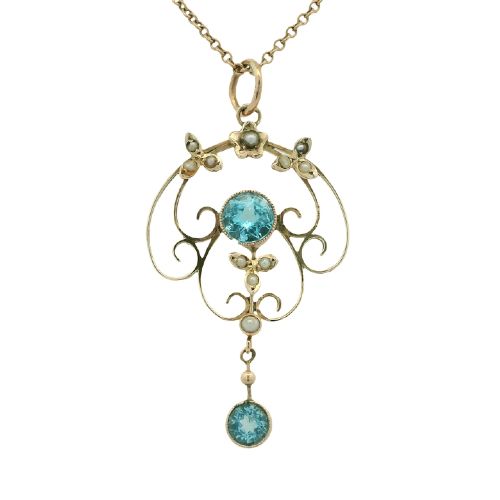
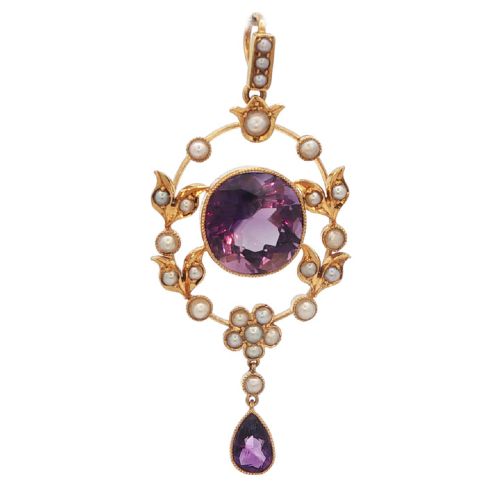
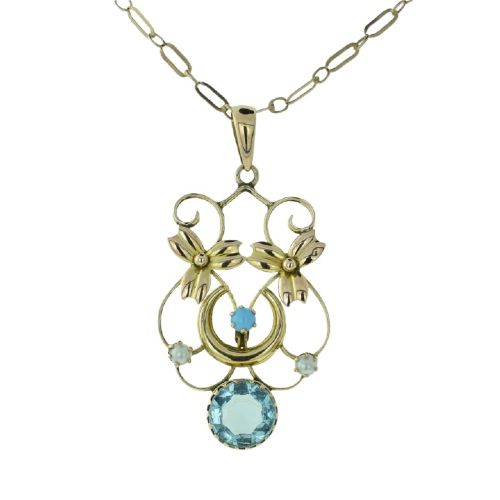
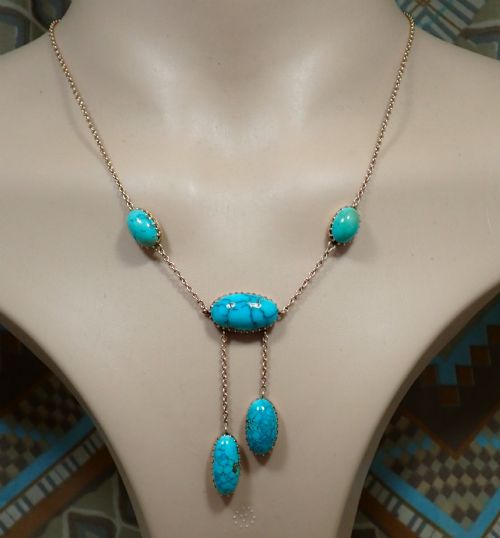
An antique lavalier typically suspends one or more ornamental drops from a fine chain, often featuring central gemstones such as amethyst, peridot, or aquamarine. The phrase covers delicate pendant necklaces created during periods spanning the late nineteenth century through to the 1920s.
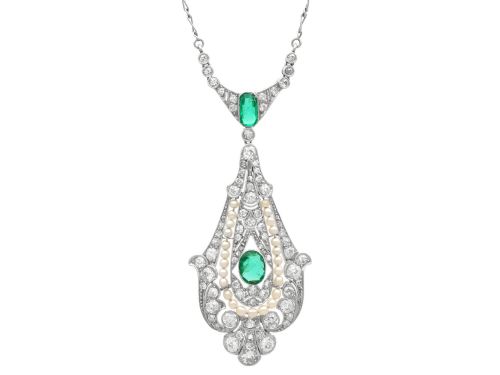
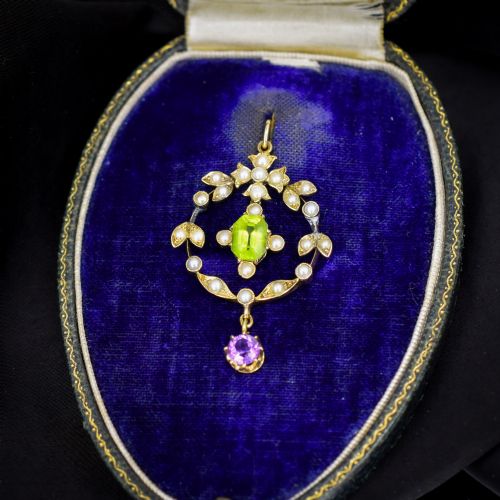
Edwardian and Art Nouveau iterations dominate the selection, bringing characteristic flowing organic motifs, symmetrical garlands, and geometric drops. Pieces frequently incorporate seed pearls alongside coloured gems, mounted in either gold or platinum.
The form developed from earlier Victorian pendants by introducing a more fluid, suspended drop arrangement that moves independently from the main necklace chain.
Materials and Construction
Goldsmiths utilised 9ct and 15ct yellow and rose gold, alongside platinum and silver settings, to house diamonds, seed pearls, opals, and coloured stones. Metalwork often involved fine wirework, pierced galleries, and delicate millegrain edges.
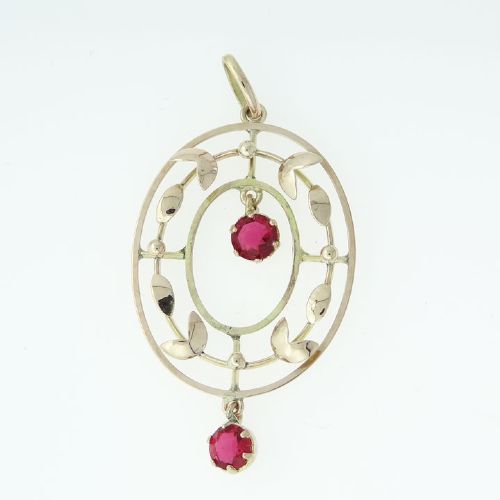
Art Nouveau examples display characteristic asymmetrical whiplash lines and naturalistic plant motifs executed in gold, while Edwardian pieces lean towards lace-like platinum frameworks studded with diamonds and pearls.
Antique Lavalier Retail Price Guide 2026
Typical asking prices for lavalier among the pieces listed under this phrase on Sellingantiques today, from the lower quarter to the upper quarter. They describe what is for sale here now, not the wider market.
Several pieces quietly nod to history by incorporating the purple, white, and green colour palette of the Edwardian suffrage movement.
Evaluating Design and Execution
The distinction between standard production and finer work lies in the complexity of the jeweller's wirework and the calibre of the set gemstones. Superior pieces exhibit balanced proportions, secure settings, and harmonious colour palettes in stones like amethyst and peridot.
The integration of the secondary drop marks the level of craftsmanship, where fluid articulation and meticulous stone matching separate exceptional examples from simpler factory-produced items.
S. Blanckensee & Son·Murrle Bennett
The Antique Lavalier Glossary
- Lavalier
- A pendant necklace featuring one or more suspended drops hanging below the main horizontal chain line. This style gained immense popularity during the Edwardian era.
- Seed Pearl
- Tiny, naturally occurring pearls often drilled and strung or clustered together in floral and geometric patterns. They provide a soft, luminous contrast to brighter coloured gemstones.
- Millegrain
- A decorative jewellery technique involving a line of tiny raised metal beads along the edge of a setting. It softens the metal profile and adds a textured sparkle.
- Art Nouveau
- An international design movement characterised by organic, flowing lines, asymmetrical plant forms, and stylised depictions of nature. It heavily influenced jewellery design around the turn of the twentieth century.
- Old Cut Diamond
- A precursor to the modern brilliant cut, featuring a smaller table, higher crown, and open culet. These stones were hand-cut to maximise brilliance under candlelight and gaslight.
Antique Lavalier: Frequently Asked Questions
What is an antique lavalier?
An antique lavalier is a pendant necklace featuring one or more dangling drops suspended from a fine chain. These pieces date primarily from the late Victorian, Edwardian, and Art Deco periods.
The style is defined by its vertical emphasis and graceful movement, often incorporating gemstones like amethyst, peridot, and seed pearls.
How do I date an antique lavalier?
Dating relies on examining the metal purity marks, gemstone cuts, and stylistic motifs present in the design. Edwardian pieces often feature platinum and delicate millegrain work.
Art Nouveau examples display characteristic flowing plant forms, while earlier Victorian items utilise heavier gold settings and distinct stone selections like opals and garnets.
Can I wear an antique lavalier daily?
These delicate necklaces require careful handling due to their age and fine construction. Seed pearls and softer gems need protection from harsh chemicals and rough impact.
Removing the necklace before sleeping, swimming, or exercising helps preserve the delicate wirework and secure the stones in their original settings.
What stones are common in these necklaces?
Amethysts, peridots, and seed pearls appear frequently in Edwardian and Art Nouveau pieces. Diamonds, aquamarines, and opals also feature prominently across various periods.
Coloured gemstones were often chosen for their symbolic meanings or to reflect contemporary artistic trends like the Suffragette movement.