

Antique Landscape with Horses
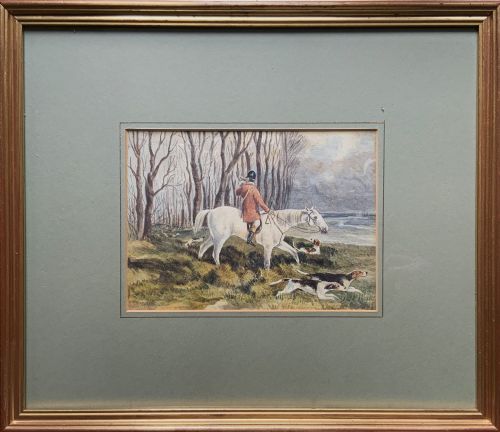
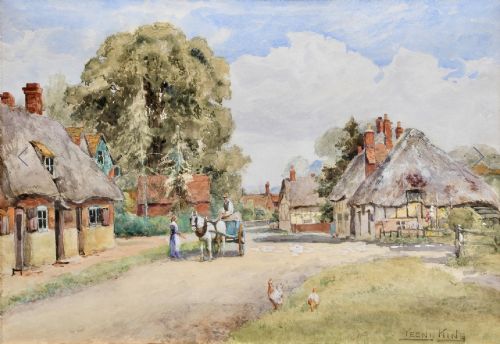
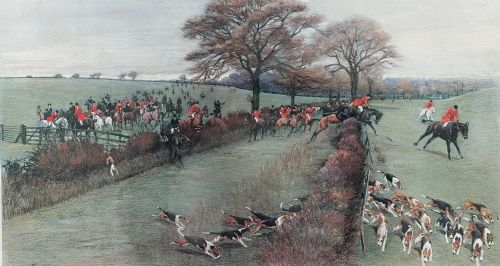
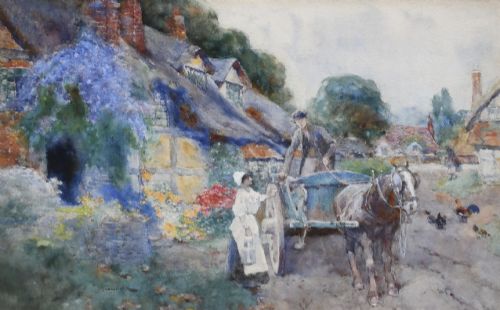
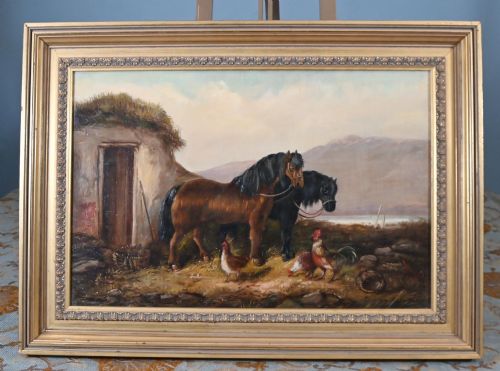
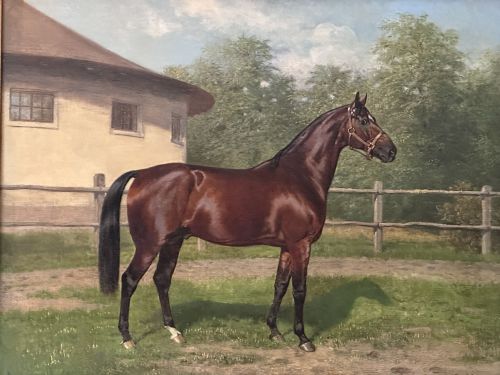
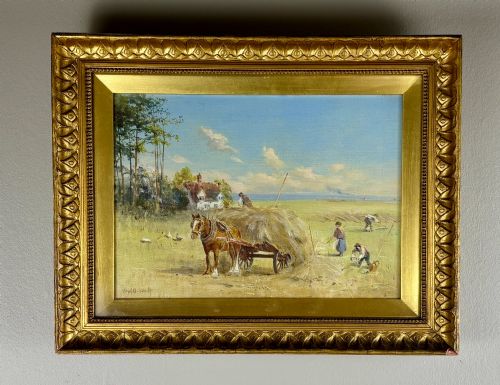
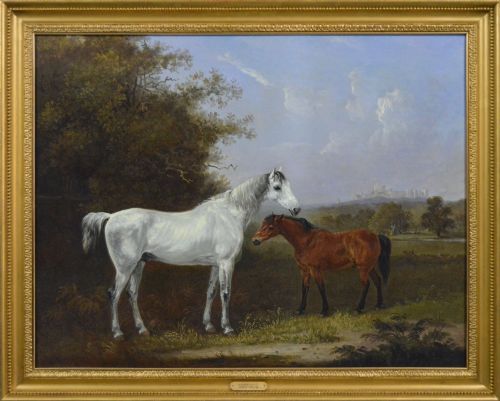
An antique landscape with horses captures rural working life and coaching scenes through oil and watercolour.
Antique Landscape with Horses
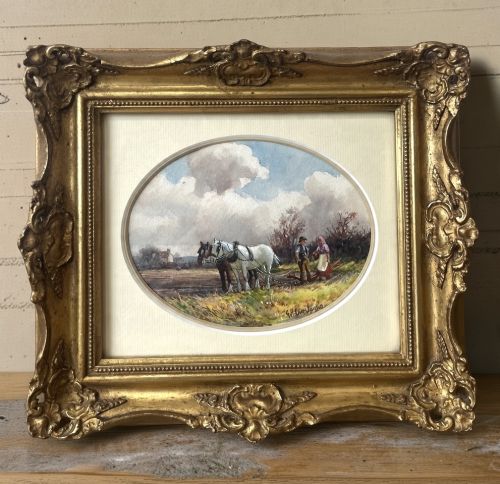
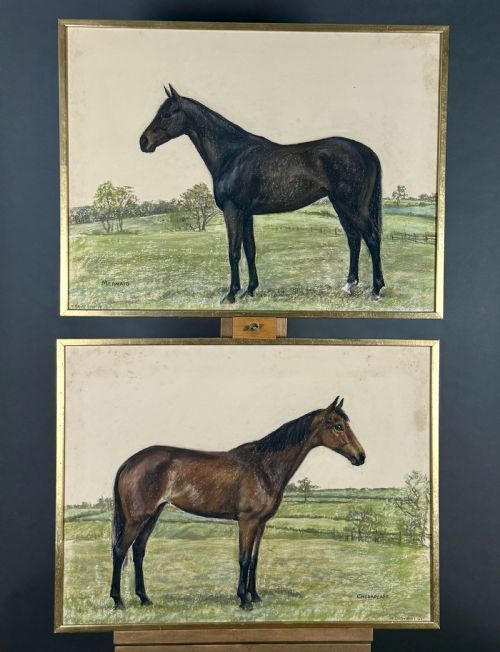
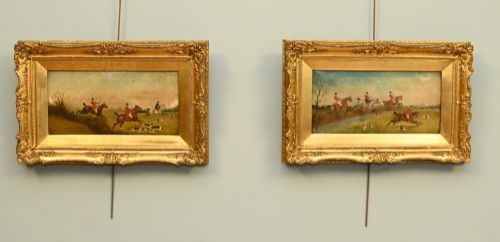
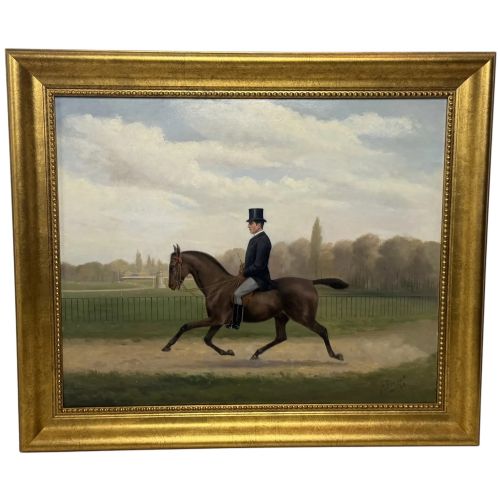
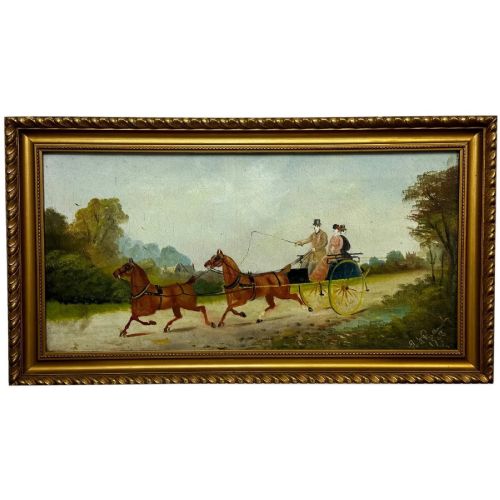
An antique landscape with horses brings together the natural countryside and the animals that worked and lived within it, from farmyards and coaching routes to quiet pastoral fields. Buyers examine these works for their depiction of rural heritage, where animals share the canvas with labourers, cottages, and rivers.
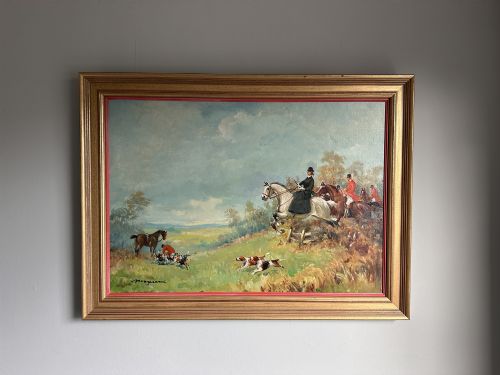
Most pieces found here originate from the nineteenth century, including Victorian rural realism, equestrian portraits, and pastoral scenes. Works range from intimate watercolours on paper to substantial oil paintings on canvas set in giltwood frames.
How they were made
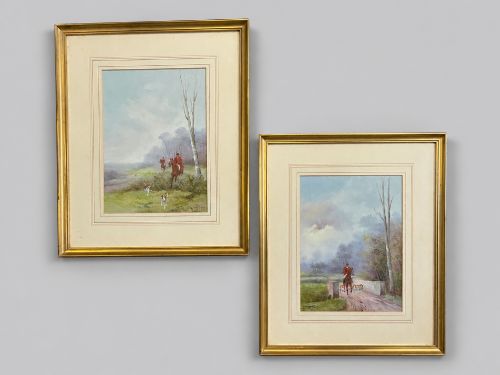
Artists painted primarily in oil upon canvas or worked in watercolour and pastel on paper, employing layered pigments to capture light across rural skies and textures of animal coats. Frames were constructed from wood and finished in giltwood or gilt wood to complement the finished artwork.
Canvas works required stretching across wooden frames before artists applied oil paint, whilst paper works utilised watercolours often protected behind glass within framed mountings.
Antique Landscape with Horses Retail Price Guide 2026
Typical asking prices for landscape with horses among the pieces listed under this phrase on Sellingantiques today, from the lower quarter to the upper quarter. They describe what is for sale here now, not the wider market.
Watch for curious ducks, persistent farmyard dogs, and stray pigs that frequently wander into the background of these working horse scenes.
What varies in quality
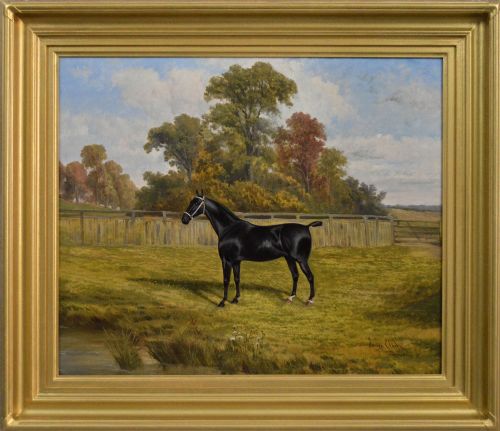
Quality rests in the anatomical accuracy of the horses and the natural integration of figures within the wider landscape setting. Superior hands capture movement, weight, and light with greater fluency than rigid or formulaic workshop productions.
The sophistication of the background topography, the handling of atmospheric weather effects, and the original matching of giltwood frames elevate certain compositions above simpler farmyard records.
Abraham Cooper RA·Edward Priestley·John Frederick Herring Jnr·John Linnell·Helena Maguire·John Alfred Wheeler·Paul Jones·Will Anderson·W E Millner·George Cole·Thomas Blinks·James Pollard·Robert Russell MacNee·Viggo Pedersen·Ludwig Gustav Voltz·Herbert St John Jones·E Chaplin
The Antique Landscape with Horses Glossary
- Oil on canvas
- A painting medium where pigments suspended in drying oils are applied to a stretched woven fabric support. This combination allows for rich colour depth and textured brushwork.
- Giltwood
- Wood carved and coated with a thin layer of gold leaf or metallic gilt powder. It provides traditional reflective framing for fine art.
- Watercolour painting
- Works created using water-soluble pigments on paper. They offer translucent washes and delicate detail compared to heavier oils.
- Victorian rural realism
- An artistic style focusing on authentic depictions of agricultural life and rural workers. It documents nineteenth-century countryside existence without excessive romanticism.
Antique Landscape with Horses: Frequently Asked Questions
What periods do these paintings come from?
The works span from the late seventeenth century through the nineteenth century and into the early twentieth century. Most examples date from the Victorian era.
Collectors encounter various regional British and European schools reflecting shifting artistic approaches to rural life over these centuries.
Were these painted on canvas or paper?
Artists used multiple supports depending on the medium and scale of the composition. Oil paint was applied directly to canvas stretched over wooden frames.
Watercolours and pastels were worked on paper supports, often framed under glass to protect the delicate pigments from atmospheric damage.
How were horses depicted in these scenes?
Horses appear in diverse roles ranging from heavy shire and carthorses labouring in farmyards and ploughing fields to ponies ridden by children. They also feature pulling mail coaches through snow drifts or standing near coaching inns.
These depictions reflect the central role horses played in transport, agriculture, and daily rural commerce before mechanisation.
How do I live with an antique painting?
Hang oil and watercolour works away from direct sunlight and damp conditions to preserve the integrity of the canvas, paper, and giltwood frames. Maintaining stable room temperatures protects the materials from warping or fading over time.
Lighting should be gentle and indirect to allow the details of the landscape and the texture of the brushwork to be appreciated without causing heat damage.