





Antique Lakai Hanging
These vibrant textile works known as an antique lakai hanging bring bold geometric artistry and rich cultural heritage directly from Central Asia into modern interiors.
Antique Lakai Hanging
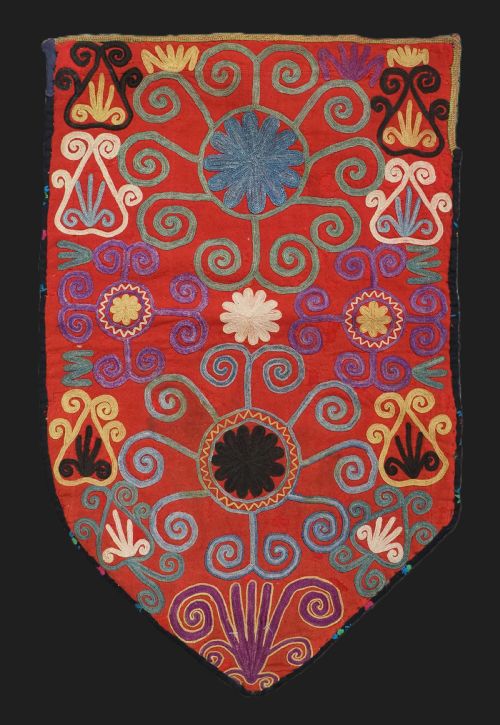
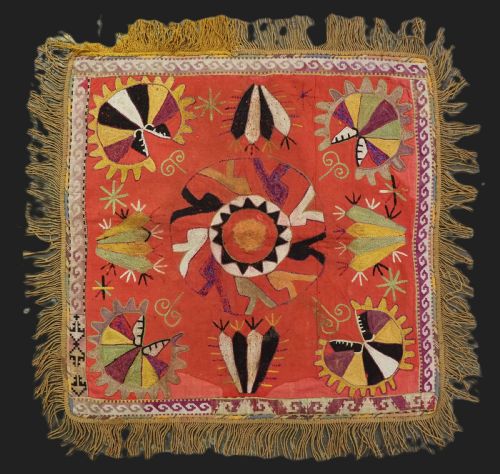
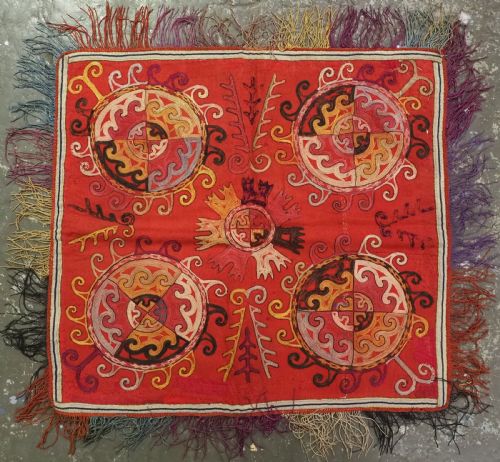
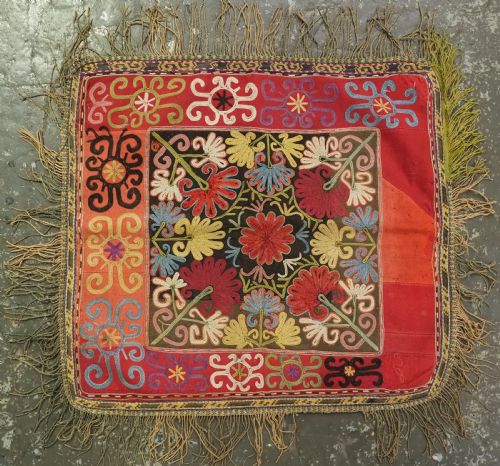
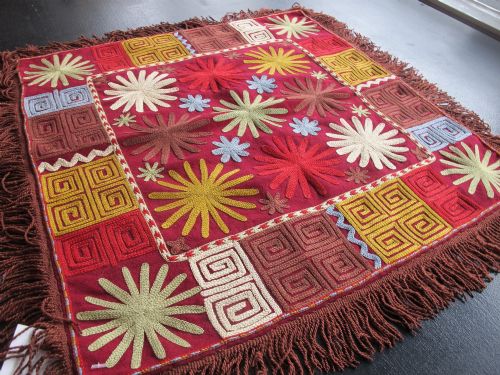
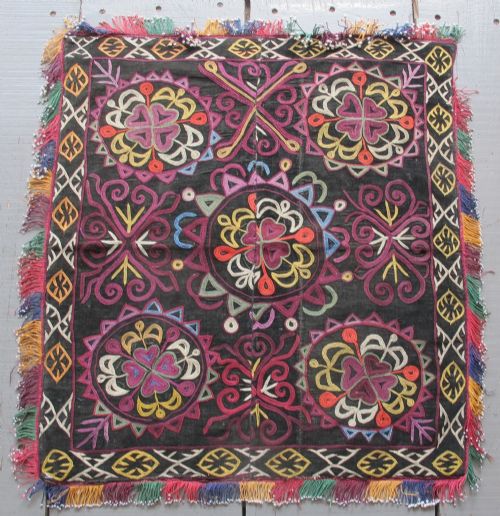
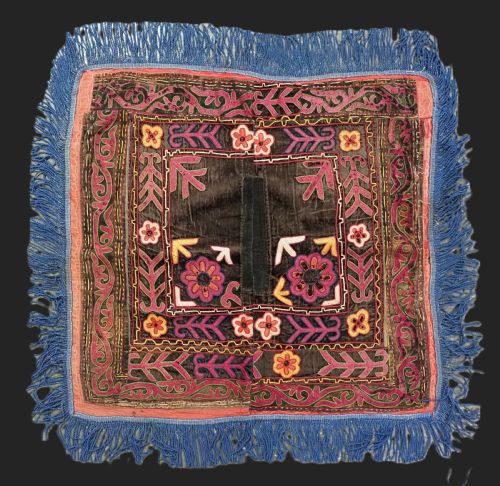
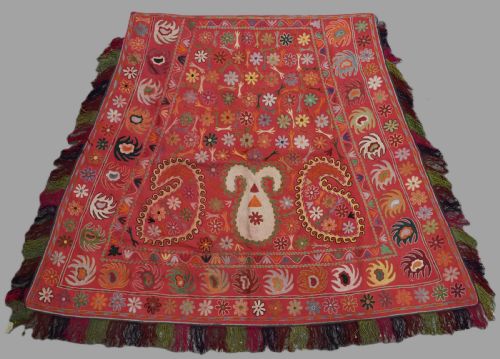
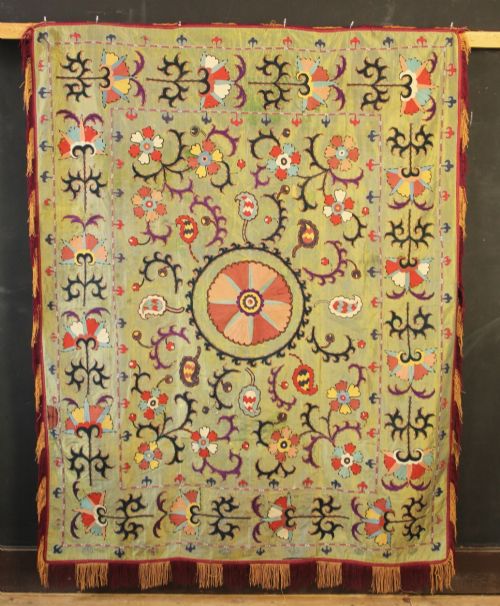
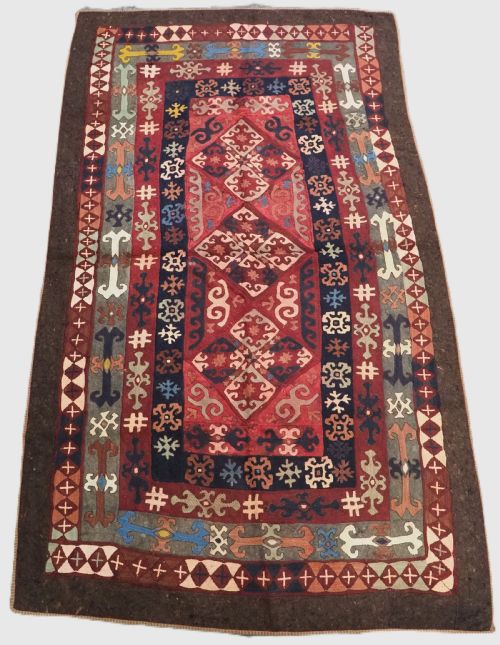
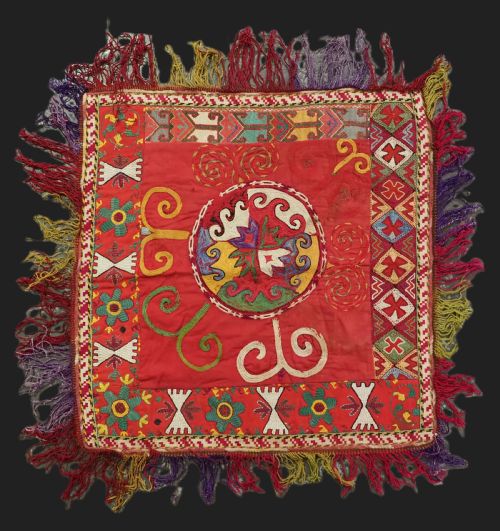
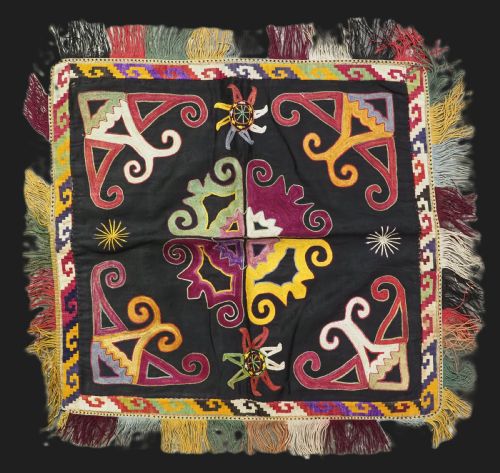
When searching for an antique lakai hanging, collectors examine traditional Uzbek tribal textiles created by the Lakai people. These pieces typically originate from the late nineteenth century and the early decades of the twentieth century.
The most common forms found in these listings include dowry embroideries, wall hangings, ceremonial horse covers, saddle rugs, mirror covers, and nimble suzani panels. Each object reflects the distinct folk art traditions of Central Asian tribal communities.
Many of these works functioned originally as household decorations or utilitarian items such as storage bag faces known as uut kap ilgich. Over time, their striking visual appeal has transformed them into collectible wall art.
How they were made
Artisans constructed these textiles using a foundation of cotton, wool, or felt grounds. Makers then applied intricate surface decoration utilising vibrant silk thread and glass beads.
The primary technique relies on dense needlework executed by hand to build dynamic geometric motifs and organic patterns. Artisans frequently finished the edges with a protective wool fringe or simple fabric borders.
Antique Lakai Hanging Retail Price Guide 2026
Typical asking prices for lakai hanging among the pieces listed under this phrase on Sellingantiques today, from the lower quarter to the upper quarter. They describe what is for sale here now, not the wider market.
Some horses wore more embroidery than their riders, sporting beaded saddle covers designed to turn heads across the Central Asian steppes.
What varies in quality
The distinction between average and exceptional examples rests upon the density of the stitching and the complexity of the design layout. Finer pieces demonstrate meticulous needle control and a balanced distribution of colour across the textile surface.
Preservation of the original materials also determines the standing of a piece within the category. Intact silk threads, secure glass beads, and minimal loss to the wool or cotton ground elevate the overall integrity of the textile.
The Antique Lakai Hanging Glossary
- Suzani
- A type of embroidered and decorative tribal textile made in Uzbekistan and other parts of Central Asia. The term originates from the Persian word for needle.
- Nim Suzani
- A half-sized or smaller suzani panel. These scaled-down embroideries share the same visual motifs as larger wall hangings.
- Uut Kap
- A decorative storage bag face produced by tribal groups. These items served both practical and aesthetic functions inside the yurt.
- Torba
- A small hanging bag used within nomadic households. They often feature specialised embroidery identifying the specific tribal maker.
Antique Lakai Hanging: Frequently Asked Questions
How were lakai hangings used?
Nomadic families utilised these embroidered textiles to adorn the interiors of their dwellings and to decorate horses during ceremonies. They also formed an essential part of a bride's dowry.
Over subsequent decades, collectors adapted these functional objects to serve as decorative wall hangings within modern residential spaces.
How do I care for my textile?
Keep these delicate silk and wool items away from direct sunlight to prevent the natural dyes from fading over time. Gentle dusting with a soft brush helps maintain the surface.
Avoid hanging them in areas of high humidity or near heat sources to protect the aged fibres and glass beads.
How can I date these pieces?
Dating relies on examining the specific types of natural dyes, the condition of the base fabrics, and stylistic characteristics. Pieces from the late nineteenth century often display distinct colour palettes compared to those from the nineteen-twenties.
Documentation and stylistic comparison with established tribal examples further clarify the approximate period of creation.
What materials make up these works?
Artisans constructed these textiles primarily using cotton, wool, and felt as structural foundations. Vibrant silk threads form the bulk of the surface embroidery.
Glass beads and velvet accents occasionally appear on specific ceremonial pieces to add texture and visual depth.