





Antique Lady Profile
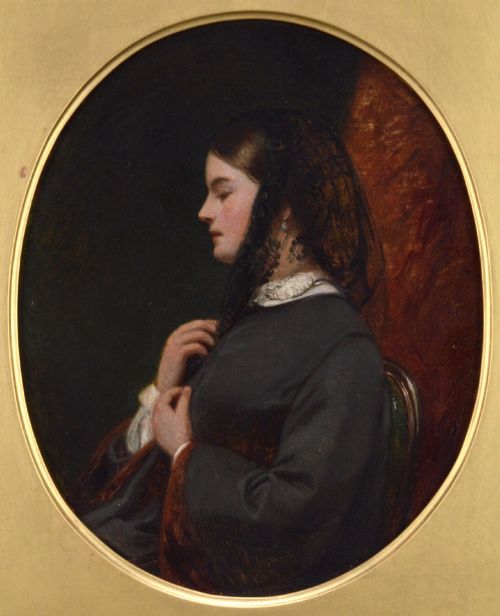
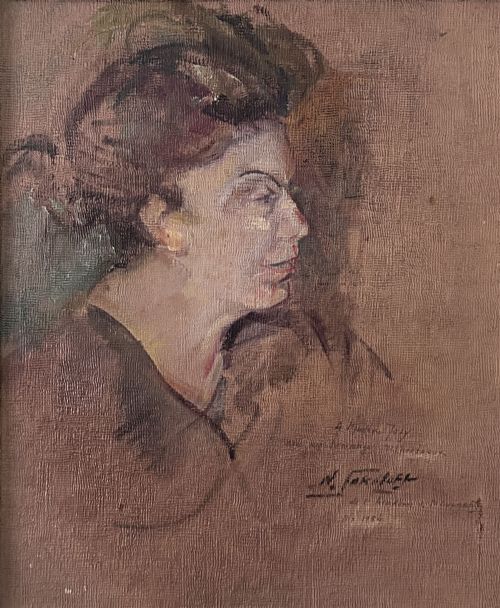
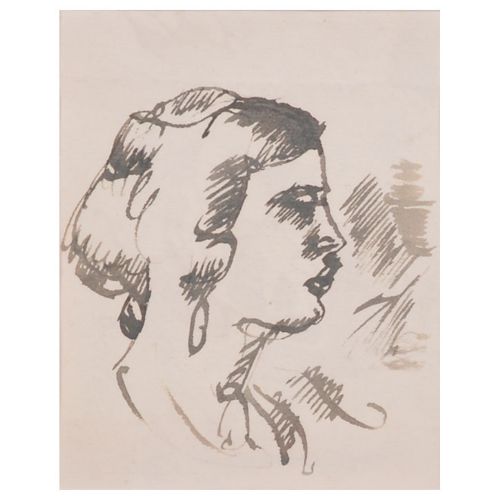
These antique lady profile works capture a likeness in miniature, silhouette or paint, offering a direct glance from past centuries.
Antique Lady Profile
An antique lady profile brings together diverse depictions of female subjects captured from the side across multiple centuries. Buyers looking for an antique lady profile will encounter everything from intimate miniature watercolours to framed oil paintings and silhouette cutouts. The selection spans distinct historical eras, with pieces originating from the Georgian, Regency, and Victorian periods alongside later modernist interpretations.
The subjects range from named sitters like Maria Isabella Boyes and Viscountess Gormanston to anonymous women wearing hats or turban caps. This variety allows collectors to focus on specific historical dress, such as early nineteenth century costume, or particular artistic mediums.
Materials and methods
Artists relied on a range of fine materials to create these profiles, using watercolour, pastel, ink, and oil paint on supports such as paper, card, canvas, and ivory. Miniature portraits required meticulous brushwork, often executed on small panels or ivories designed to be held or displayed closely.
Silhouettes utilised paper cuttings or dark pigments applied directly to light grounds, sometimes enhanced with subtle gilt highlights to define headdresses and garments. These works were housed behind glass within protective frames made from brass, ebonised wood, or rosewood.
Framing played an integral structural role, utilising gilt wood and polished timbers to shield delicate watercolours and paper works from environmental damage while providing a finished presentation.
Antique Lady Profile Retail Price Guide 2026
Typical asking prices for lady profile among the pieces listed under this phrase on Sellingantiques today, from the lower quarter to the upper quarter. They describe what is for sale here now, not the wider market.
Materials documented across the pieces include glass, paper, brass, canvas, ebonised wood, and ivory.
Factors of quality
Quality in these profile works rests upon the precision of the draughtsmanship and the expressive capacity of the line or brushstroke. Finer pieces demonstrate a confident rendering of bone structure, costume details, and hair, capturing an individual likeness with economy and skill.
George Atkinson·Archibald Skirving·Ozias Humphry·John Duncan Fergusson·Jeremiah Steele
The Antique Lady Profile Glossary
- Silhouette
- A portrait represented as a solid shape of a single colour, usually black, showing the subject in profile. This technique gained immense popularity during the Georgian and Regency eras.
- Miniature portrait
- A small-scale painting, frequently executed on ivory, vellum, or card with exceptional detail. These works required magnifying lenses to paint and were often kept as personal tokens.
- Ebonised wood
- Timber treated to resemble ebony, providing a deep black finish commonly used for frames during the nineteenth century. It offered a sharp contrast to gilded highlights within silhouettes.
- Watercolour
- A painting method in which the paints are made of pigments suspended in a water-based solution. It was frequently employed on paper or card for portable portraiture.
Antique Lady Profile: Frequently Asked Questions
How do I date a silhouette portrait?
Dating relies heavily on the costume, hairstyle, and headdress worn by the sitter, such as the turban caps popular during the Regency period. Frame styles and backing materials also provide reliable chronological clues.
Paper types and handwritten inscriptions on the reverse further assist in narrowing down the decade of creation.
Were these portraits meant for display?
Miniature portraits and silhouettes served varying functions, from intimate personal tokens kept in travel cases to framed wall art displayed in parlours. Larger oil paintings and watercolours were created specifically for domestic wall display.
Family friends and nobility alike commissioned these works to preserve likenesses before the advent of photography.
How should I care for antique paper and ivory portraits?
These works require protection from direct sunlight to prevent the fading of watercolours, pigments, and paper supports. Maintaining stable indoor humidity prevents warping of the wooden frames and degradation of the backing materials.
Displaying them away from heat sources ensures the longevity of delicate organic mediums like ivory and card.