
Antique Lady Canvas Painting
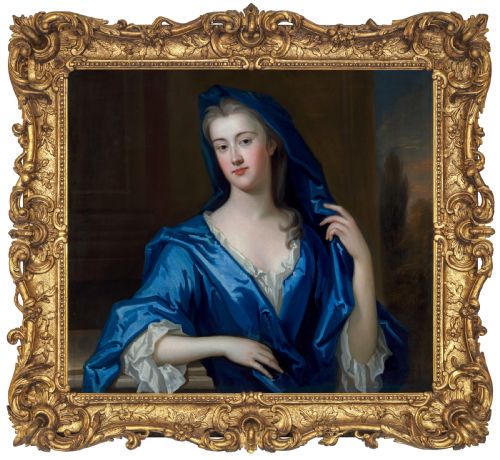
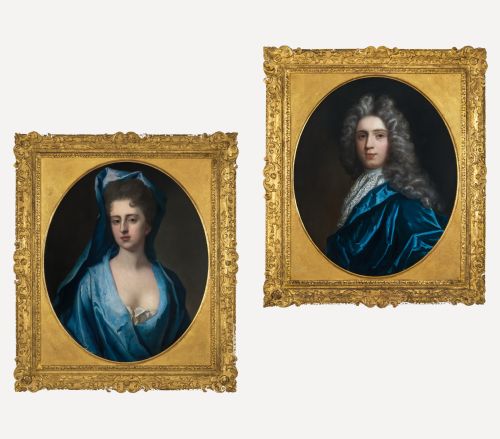
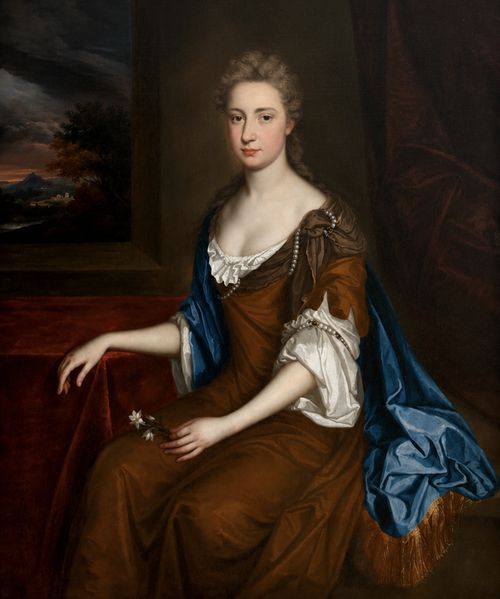
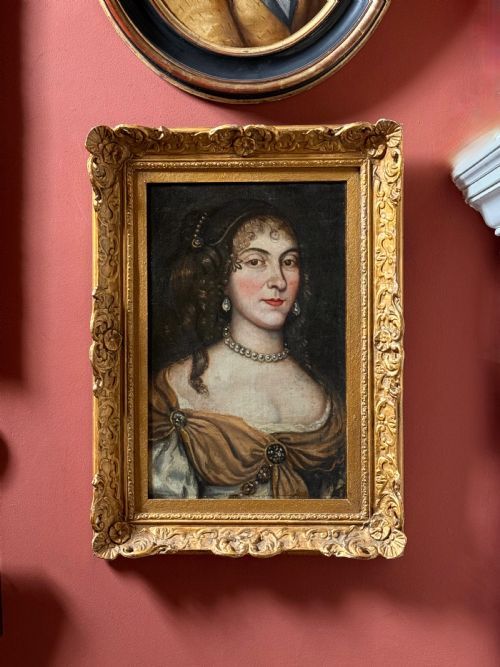
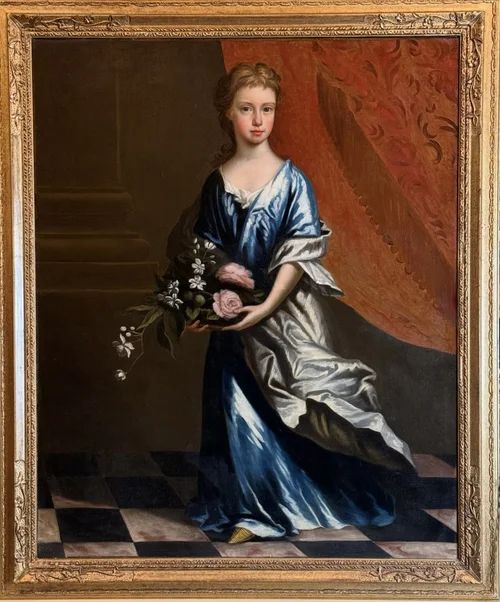
An antique lady canvas painting brings centuries of portraiture into a room, offering a window into past eras through oil and pigment.
Antique Lady Canvas Painting
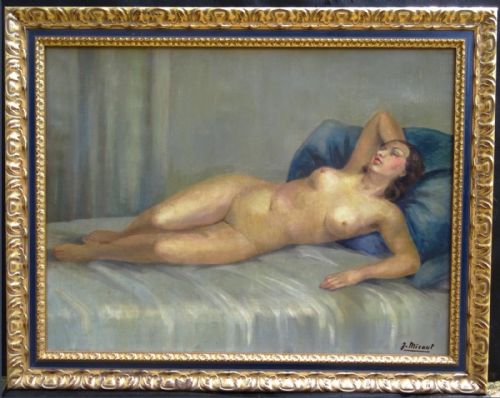
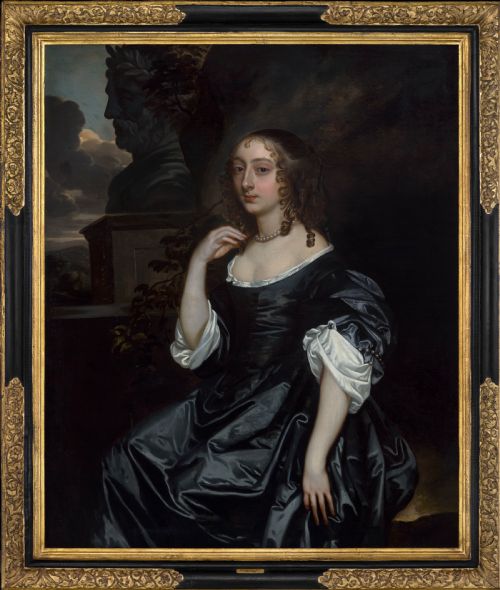
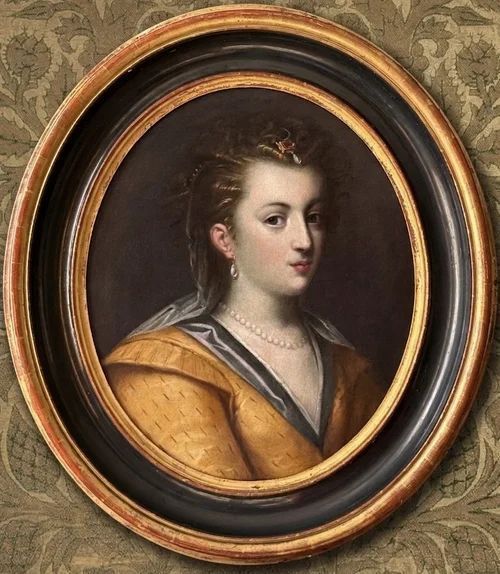
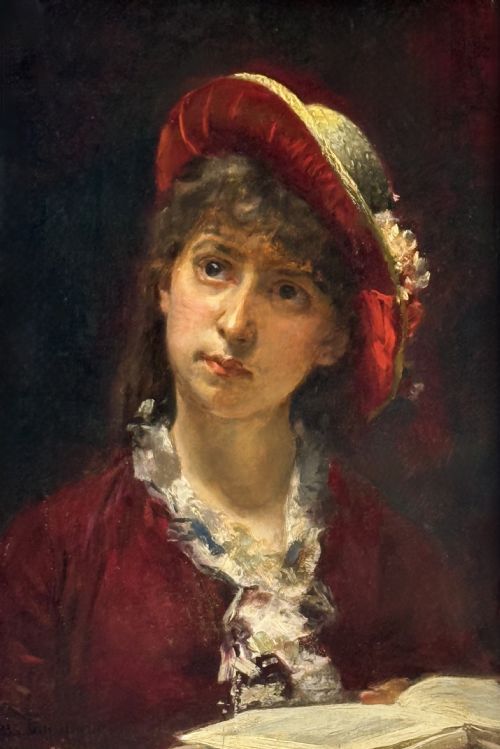
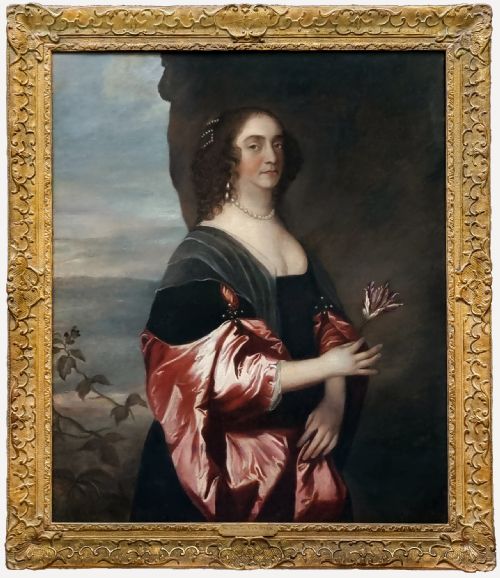
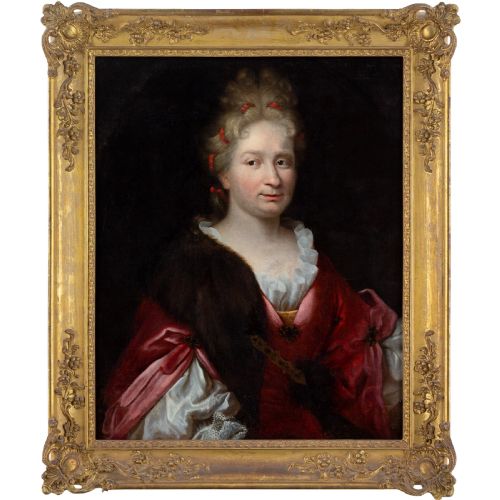
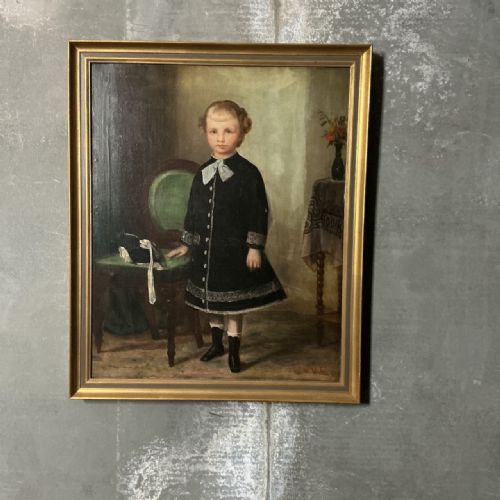
When searching for an antique lady canvas painting, buyers encounter formal and informal portraits spanning from the seventeenth century through the twentieth century.
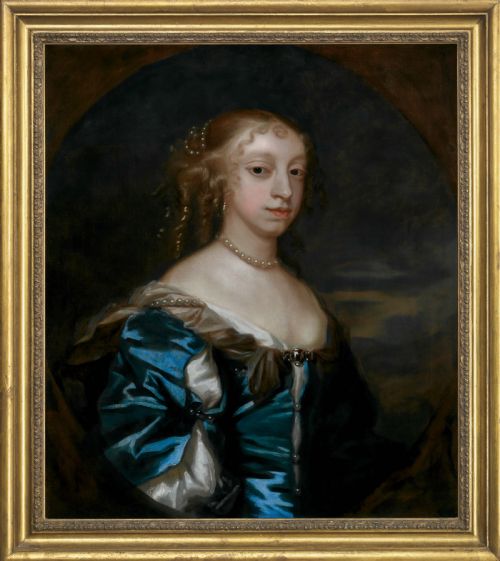
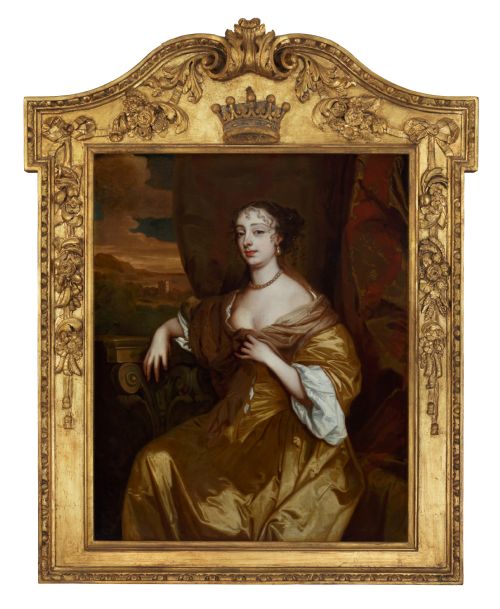
The selections include aristocratic noblewomen, Victorian ladies with parasols or lace collars, and seventeenth-century subjects depicted in rich silk dresses.
Originating primarily from British, Dutch, and French schools, these artworks capture historical figures, family members, and imagined beauties rendered in oils.
How They Were Made
These works rely on oil paint applied to woven canvas supports, sometimes stretched over wood frames or mounted to panels.
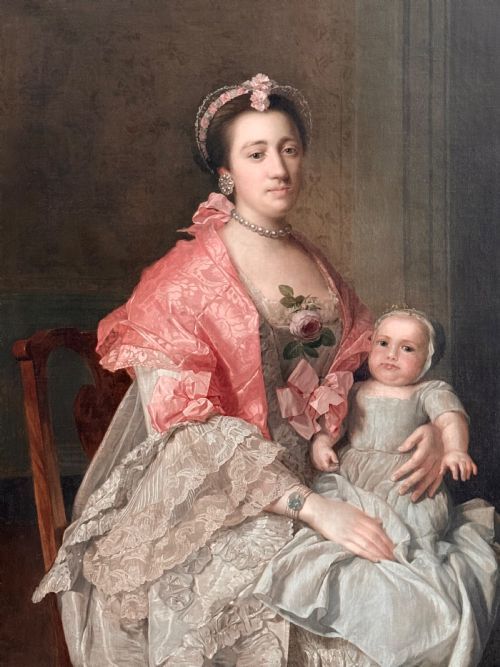
Painters utilised ground pigments mixed with oils to build deep glazes, capturing the sheen of satin dresses, ruff collars, and detailed facial expressions.
Many surviving examples are housed within their original or period-appropriate giltwood and gold leaf frames.
Listings feature eighteenth-century oil portraits documenting notable figures alongside anonymous Victorian studies on canvas.
What Varies in Quality
The distinction between standard works and masterworks rests upon the subtlety of brushwork, anatomical proportion, and the psychological depth captured in the subject's expression.
The handling of textiles, such as silk, lace, and velvet, demonstrates the technical skill of the artist or studio.
Provenance and secure attribution to documented painters or recognised regional schools elevate the standing of a canvas.
JOHN HAYLS·DAVID SCOUGALL·GEORGE WILLISON·JEREMIAH DAVISON·PIETER BORSSELER·THOMAS BEACH
The Antique Lady Canvas Painting Glossary
- Oil on Canvas
- Pigment mixed with drying oil applied to a woven fabric surface stretched across a wooden frame. This medium allowed artists to blend tones smoothly and achieve rich textures.
- Giltwood
- Wood carved and covered with a thin layer of gold leaf or metal powder. It provides ornamental framing for portraits.
- Circle of
- A designation used when a painting originates from an artist's immediate milieu or workshop during their active period. It indicates close stylistic similarity without direct authorship.
- Provenance
- The documented history of ownership of an artwork from its creation to the present day. Strong records confirm authenticity and lineage.
Antique Lady Canvas Painting: Frequently Asked Questions
How do I identify a seventeenth century portrait?
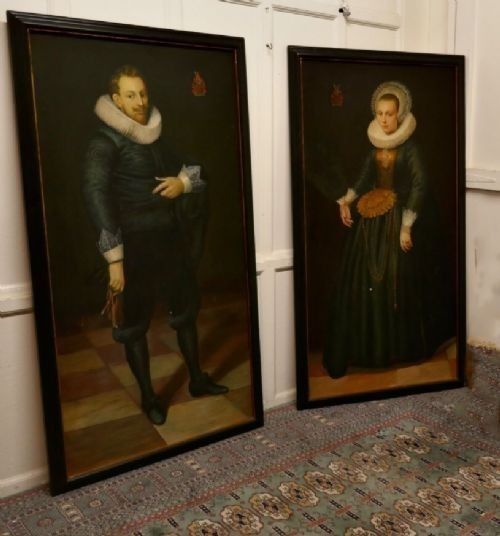
Seventeenth century portraits typically feature stiff ruff collars, dark backgrounds, and rigid postures characteristic of Baroque and early English or Dutch schools. The sitters often wear heavy silks with elaborate lace trimmings.
Examination of the canvas weave and preparation layers can also help confirm the age of the support material used during that era.
What is the difference between attributed and circle of works?
An attributed work suggests a strong stylistic link to a specific master based on expert opinion, though absolute proof of the hand is lacking. Circle of indicates the piece was produced by an unnamed artist working closely within the style and workshop of the named painter.
Both categories represent period work associated with significant artistic lineages rather than mass production.
How should I care for an oil on canvas painting?
Keep canvas paintings away from direct sunlight, excessive heat sources, and damp environments to prevent the oil paint from cracking or the canvas from sagging. Dust the surface very gently with a soft, dry brush without applying pressure.
Avoid using water, chemical cleaners, or modern solvents on the painted surface or gilded frame.
Why do some portraits include symbols like oranges or flowers?
Symbolism was common in historical portraiture, where items like orange trees, fruit, or specific flowers conveyed wealth, virtue, or familial status. An orange held in a hand or grown in an orchard setting often indicated high social standing and imported luxury.
These details offer clues to the identity and prosperity of the lady depicted.