

Antique Ladies Table
An antique ladies table is a compact writing or work surface designed for personal correspondence and needlework, offering refined craftsmanship in mahogany, rosewood, and satinwood.
Antique Ladies Table
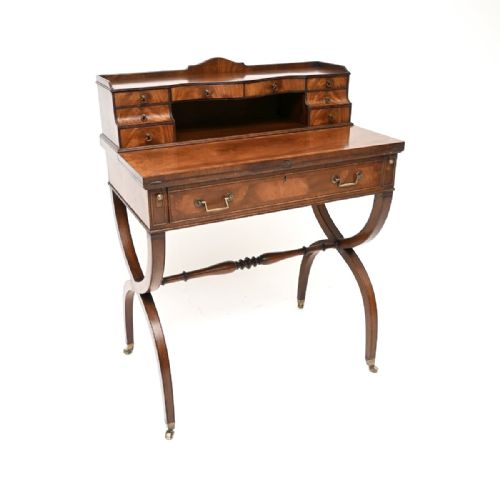
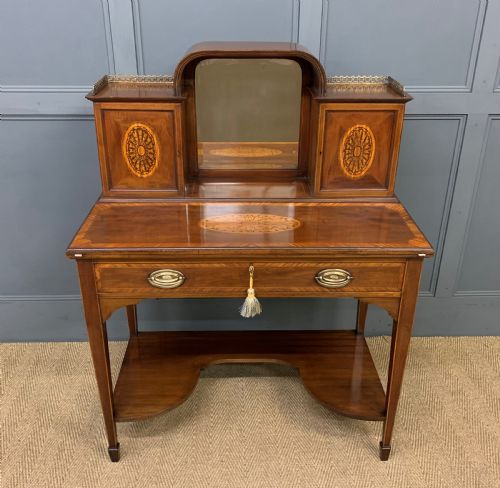
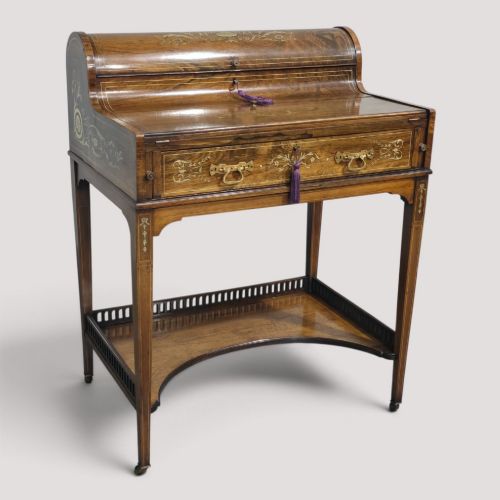
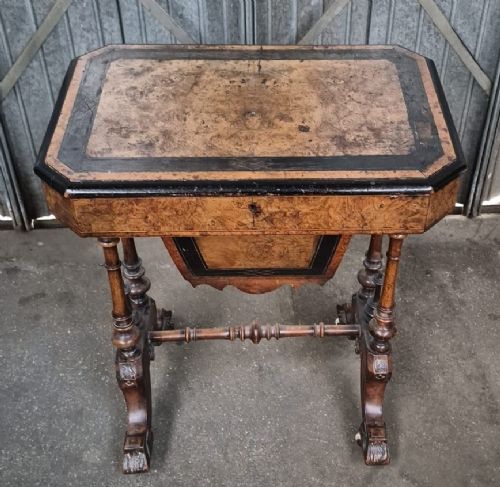
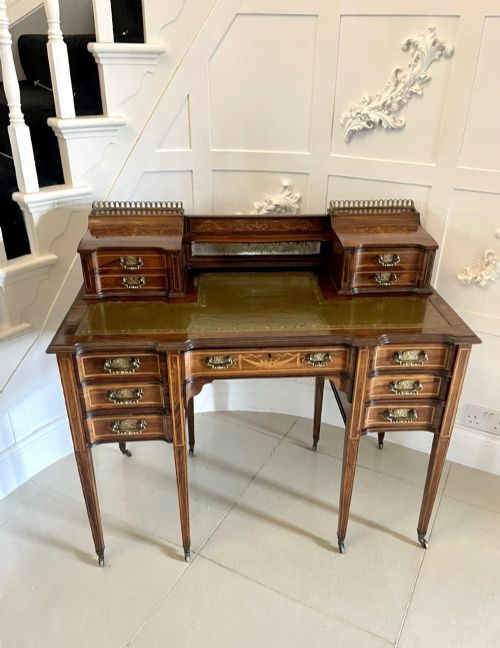
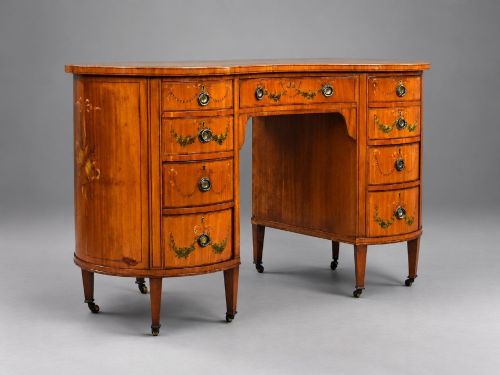
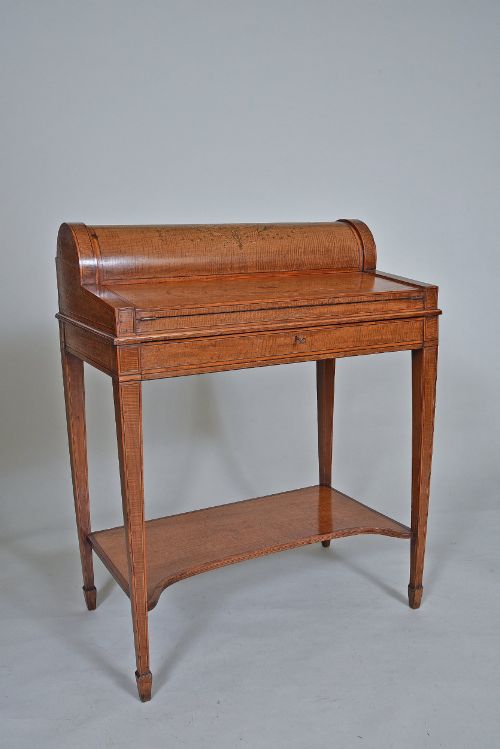
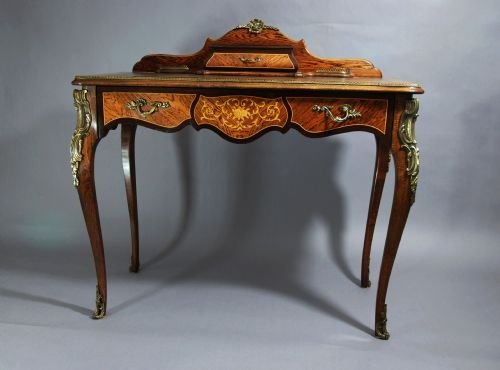
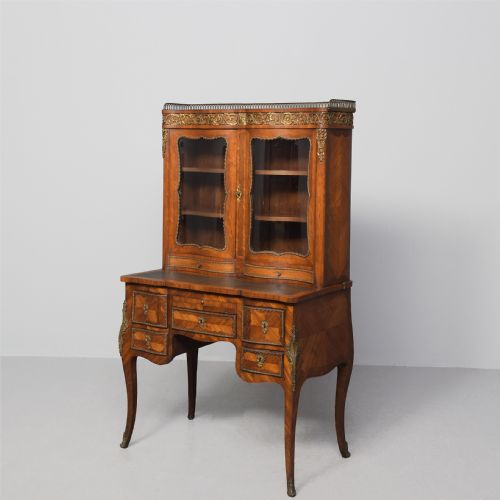
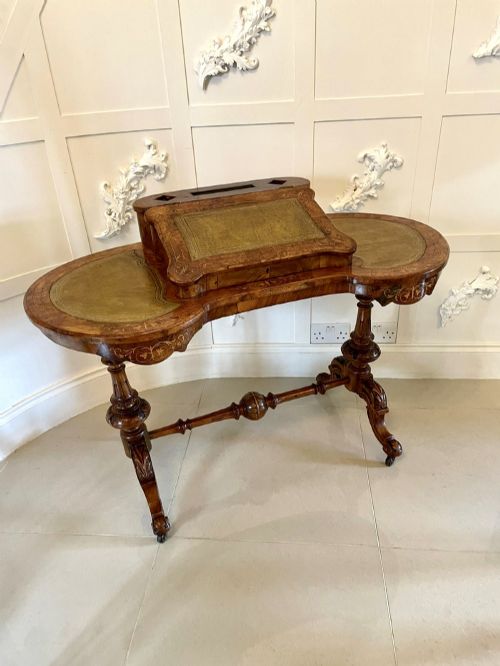
When searching for an antique ladies table, buyers encounter a variety of refined forms intended for personal writing, correspondence, and light needlework. The selection includes compact writing desks, bonheur du jour pieces, and drop-leaf work tables spanning the nineteenth and early twentieth centuries.
Originating largely from English and French workshops, these tables reflect the domestic habits of earlier periods through dedicated compartments for stationery and sewing implements. Their smaller scale distinguishes them from larger library desks and partners desks.
How They Were Made
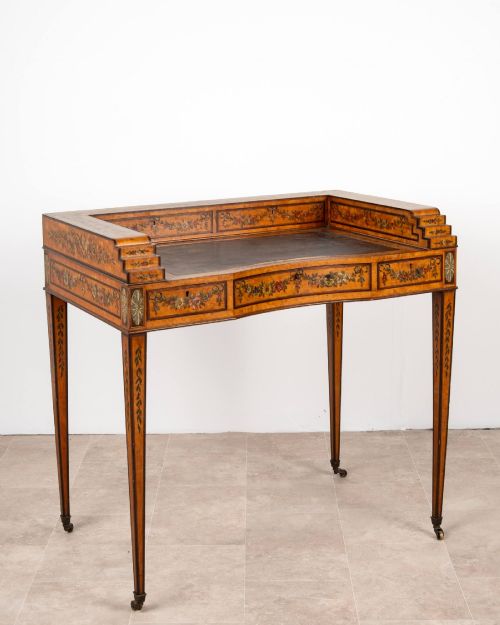
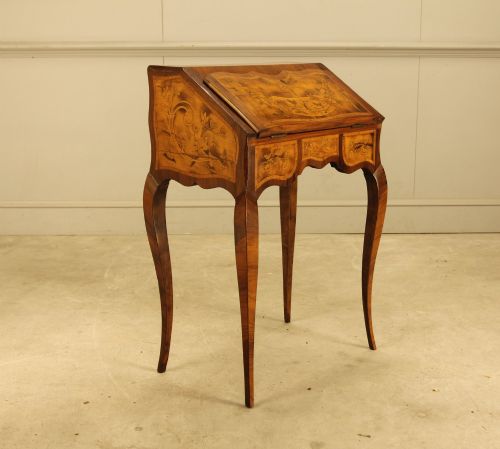
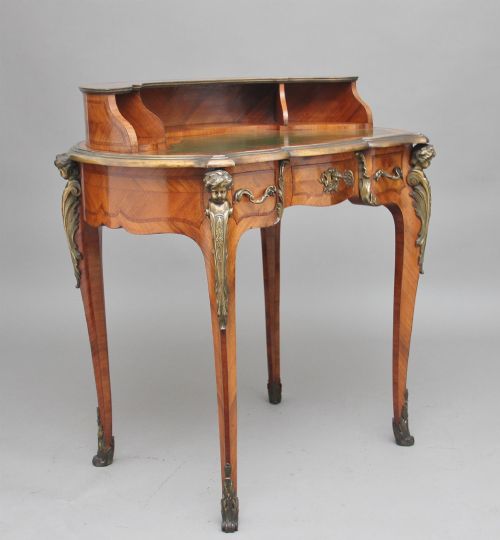
Cabinetmakers constructed these pieces using dense hardwoods like mahogany, rosewood, walnut, and kingwood, frequently applying contrasting veneers such as satinwood and maple in geometric or floral marquetry patterns. Brass mounts, cast ormolu, and inlaid stringing accent structural edges and drawer fronts.
French pieces often rely on intricate parquetry and porcelain plaques set into amboyna and ebonised frames, secured with cast brass hardware. English workshops favoured hand-polished mahogany and rosewood surfaces supported by slender tapered legs or drop-leaf mechanisms.
Antique Ladies Table Retail Price Guide 2026
Typical asking prices for ladies table among the pieces listed under this phrase on Sellingantiques today, from the lower quarter to the upper quarter. They describe what is for sale here now, not the wider market.
Several examples include hidden compartments designed for secret correspondence and tiny drawer locks meant for keeping diary keys safe.
What Varies in Quality
The distinction between standard domestic pieces and the finest workshop productions lies in the precision of the marquetry, the choice of timber figures, and the integration of metal mounts. Superior examples exhibit tightly fitted internal drawers and hand-cut brass inlays rather than stamped metal replacements.
Makers known for exceptional cabinetwork contributed to the upper tier of quality, utilising selected burr walnut, finely figured satinwood, and hand-painted decorations that remain crisp and undisturbed. Lesser pieces display simpler construction methods and standard veneering without individual detailing.
Edwards and Roberts·Maple and Co·JAS Shoolbred·Paul Sormani
The Antique Ladies Table Glossary
- Bonheur du jour
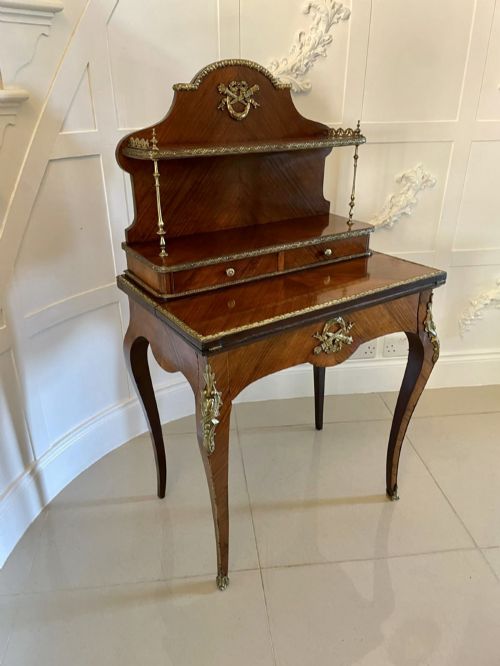
- A small, light writing desk featuring a tiered superstructure with shelves, drawers, or a small cabinet above the main writing surface. This French form became popular during the nineteenth century.
- Marquetry
- The art of applying pieces of veneer to a structural surface to form decorative patterns and pictorial designs. Cabinetmakers used various tinted woods to achieve contrast.
- Ormolu
- Gilded bronze mounts applied to furniture for decorative effect, particularly prevalent in French nineteenth-century pieces. It provides metallic contrast to dark woods like kingwood and rosewood.
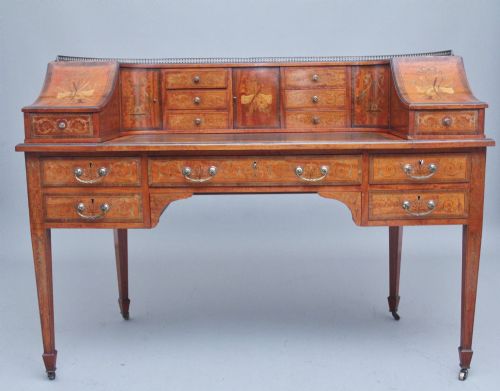
- Carlton house desk
- A writing table featuring a curved superstructure fitted with small drawers and compartments enclosing the writing area. It derives its name from the London residence of the Prince Regent.
- Parquetry
- A geometric mosaic of wood pieces used for floors and furniture surfaces. It differs from marquetry through its strict geometric repetition.
Antique Ladies Table: Frequently Asked Questions
What is a ladies table used for?
These tables served as private desks for writing letters, managing personal journals, and storing stationery supplies. Many also functioned as work tables with integrated compartments for sewing and needlework.
Their compact proportions allowed them to sit comfortably in parlours, bedrooms, and private boudoirs rather than formal libraries.
How do I date an antique ladies table?
Dating relies on stylistic markers, construction methods, and secondary woods visible inside drawers and beneath tabletops. Regency and William IV pieces display heavier classical proportions, while Victorian and Edwardian examples often feature intricate marquetry and lighter satinwood or mahogany frames.
Cabinetmaker stamps, where present, offer direct attribution to specific workshops operating during the nineteenth and early twentieth centuries.
Are these desks suitable for modern laptops?
Many of these tables provide sufficient surface area for compact modern laptops or tablets, though storage compartments are sized for paper rather than modern electronics. The delicate tapered legs and slender frames require gentle placement to avoid excessive weight strain.
Checking the writing height helps determine comfort for daily computer tasks.
What is the difference between a work table and a writing desk?
A work table generally includes textile bags, drop leaves, or internal compartments specifically arranged for sewing and needlecraft. A writing desk focuses primarily on a flat writing surface, stationery pigeonholes, and small document drawers.
Both forms share a reduced scale suitable for domestic sitting rooms.