


Antique Ladies Armchair
An antique ladies armchair brings domestic intimacy and period elegance to a room, offering a lower, more accommodating seat for lighter frames and parlour tasks.
Antique Ladies Armchair
When you search for an antique ladies armchair, you encounter smaller-scale seating designed predominantly during the Victorian and Edwardian eras. These seats frequently appear alongside matching gentlemen's armchairs as part of larger salon or drawing room suites.
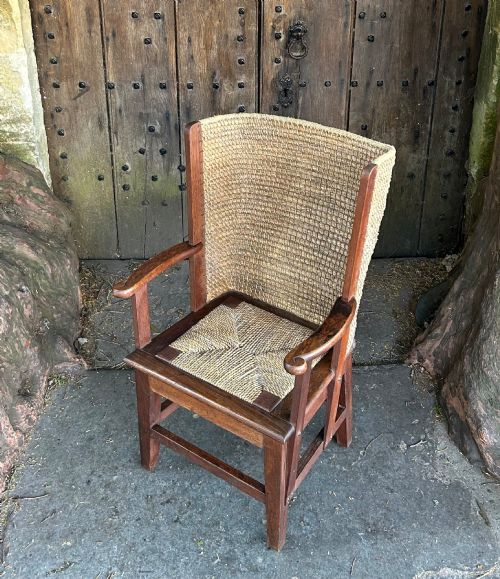
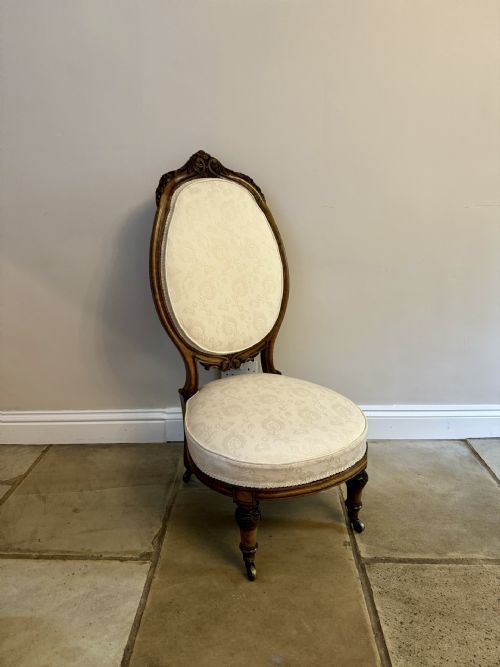
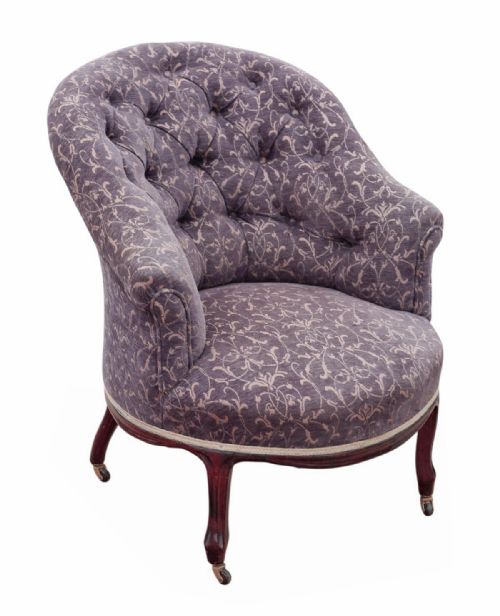
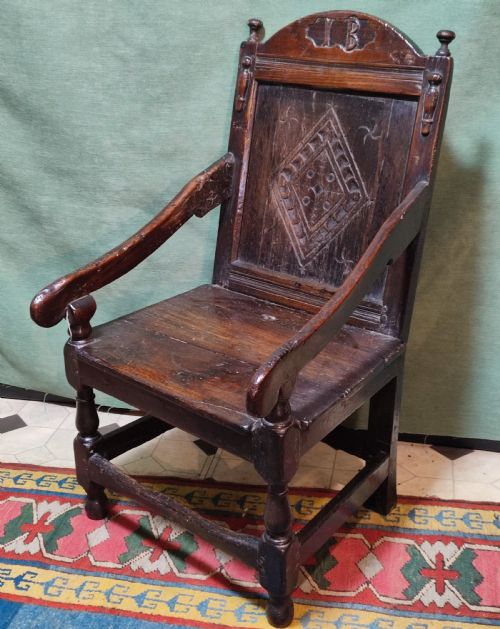
The form often manifests as a tub chair, a nursing chair, or a low fireside seat intended for specific domestic tasks. Examples range from mid-nineteenth-century walnut and mahogany frames to earlier regional pieces like Scottish Orkney chairs or oak wainscot forms.
Makers shaped these chairs with shorter legs and lower backrests to suit the domestic fashions and postures of the period. They serve today as accent chairs or occasional seating within period interiors.
Materials and construction
Cabinet makers built the structural frames of these chairs using hardwoods such as walnut, mahogany, rosewood, and oak, occasionally selecting pollard oak or ebonised finishes for decorative effect. They shaped the wooden components through turning and intricate carving, particularly along the crest rails and cabriole legs.
Upholstered surfaces relied on traditional textile coverings including velvet, leather, and patterned fabrics, often secured with brass detailing. Interior padding supported button-backed designs and sprung seats designed for comfort during long hours in the salon or fireside.
Listings demonstrate a strong prevalence of Victorian walnut and mahogany framing, supplemented by occasional oak and ebonised examples.
Assessing quality
The standard of a piece rests upon the crispness of the timber carving and the selection of figured veneers such as walnut or mahogany. Superior examples display robust joinery in the frame and balanced proportions tailored to the smaller scale of the form.
The distinction between ordinary and exceptional chairs also lies in the integrity of the original show wood and the harmony of paired his and hers suites. Well-executed upholstery work that respects the period style elevates the piece further.
The Antique Ladies Armchair Glossary
- Tub chair
- An armchair characterised by a continuous curved back and arms that form a rounded enclosure. This shape offered cosy support for nineteenth-century parlour use.
- Nursing chair
- A low-seated chair traditionally designed without arms to allow women to nurse infants comfortably while wearing voluminous crinoline dresses. They frequently feature padded button backs.
- Wainscot chair
- An early form of wooden armchair constructed with panelled backs and turned supports, originating in the seventeenth century. These sturdy oak seats represent much earlier vernacular woodworking traditions.
- Orkney chair
- A distinct regional armchair featuring a low wooden frame with a high, woven straw back. These traditional pieces originated in the Scottish islands using oat straw and marram grass.
- Button back
- An upholstery technique where depressions are formed in the padding by pulling thread through to the frame in a geometric grid. This method secures the internal stuffing while creating a tufted decorative surface.
Antique Ladies Armchair: Frequently Asked Questions
What is an antique ladies armchair?
An antique ladies armchair is a smaller-scale domestic seat produced primarily during the Victorian and Edwardian periods. These chairs were designed with lower seats and shorter backrests to accommodate the fashions and stature of women of the era.
You will frequently encounter them in walnut or mahogany, often styled as tub chairs, nursing chairs, or fireside seats. Many were originally manufactured as part of paired his and hers salon suites.
How do I date an antique ladies armchair?
Dating these chairs relies on examining the primary timber, carving styles, and structural upholstery methods. Mid-nineteenth-century pieces often showcase heavily carved walnut with robust serpentine frames, while Edwardian examples tend to utilise lighter mahogany with inlaid details.
Looking beneath the upholstery or inspecting the turning on the legs helps align the piece with documented manufacturing periods between the seventeenth and early twentieth centuries.
Where should I place a ladies armchair?
These compact armchairs suit smaller spaces, bedrooms, and reading corners where standard armchairs might overwhelm the room. Their lower profile makes them effective as accent chairs or fireside seating.
They pair naturally with traditional interiors, functioning as standalone focal points or complementing existing nineteenth-century furniture collections.
What is the difference between ladies and gents armchairs?
Ladies armchairs were constructed with a smaller overall scale, lower seats, and often shorter or absent arms to accommodate heavy dresses and narrower frames. Gentlemen's chairs were built broader and taller to suit male proportions.
When found as a pair, the matching suite provides a clear comparison of these nineteenth-century dimensional differences.