


Antique Lacquerware
Antique lacquerware brings deep layers of resin, gold leaf, and painted detail into a room through boxes, vases, and small cabinets.
Antique Lacquerware
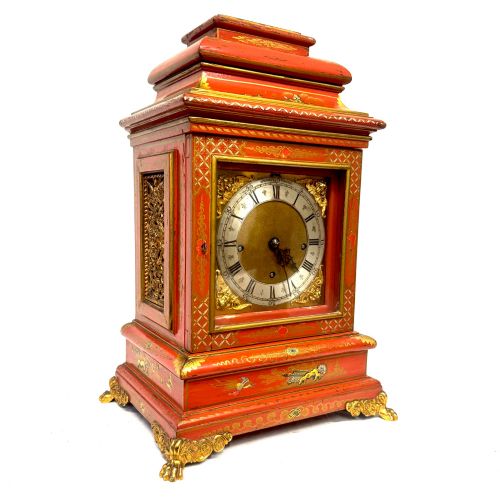
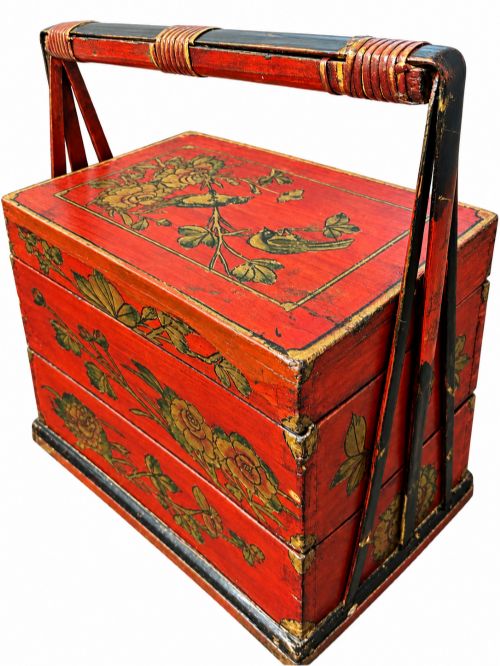
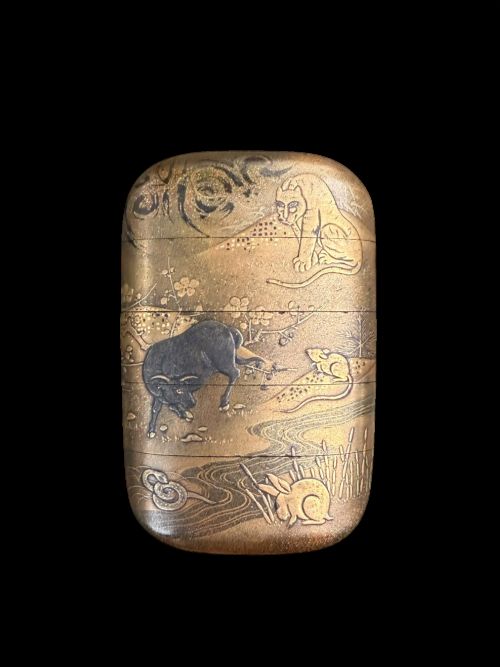
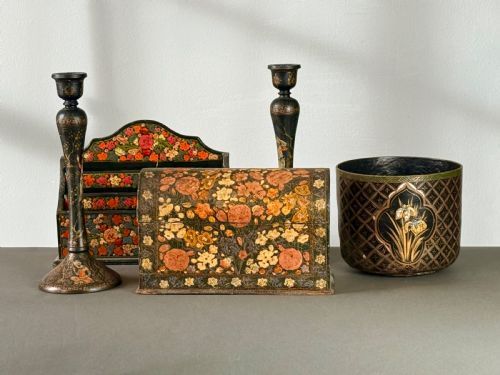
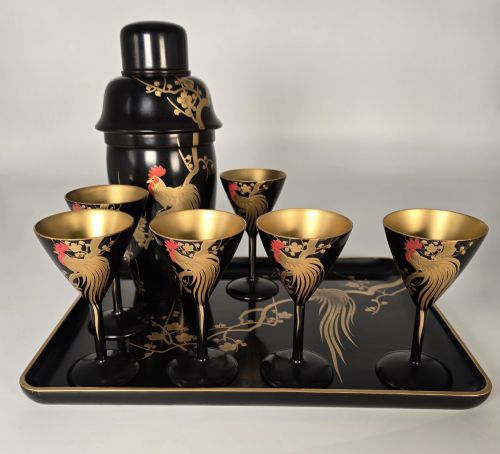
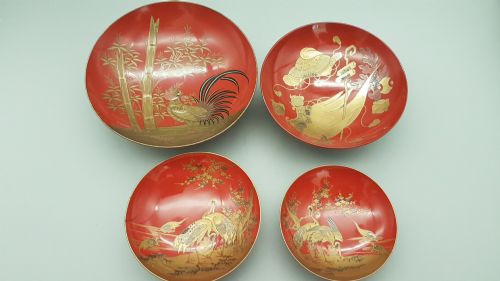
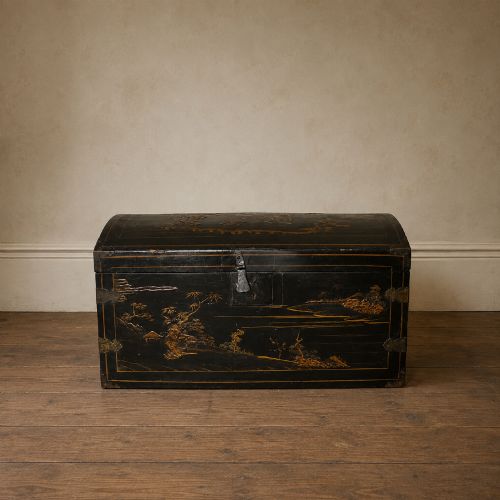
When you search for antique lacquerware, you encounter items shaped from wood, papier-mâché, and porcelain coated in hardened resin and varnish. The pieces range from small Japanese sake cups and inro to large Chinese export cabinets, chests, and temple vases.
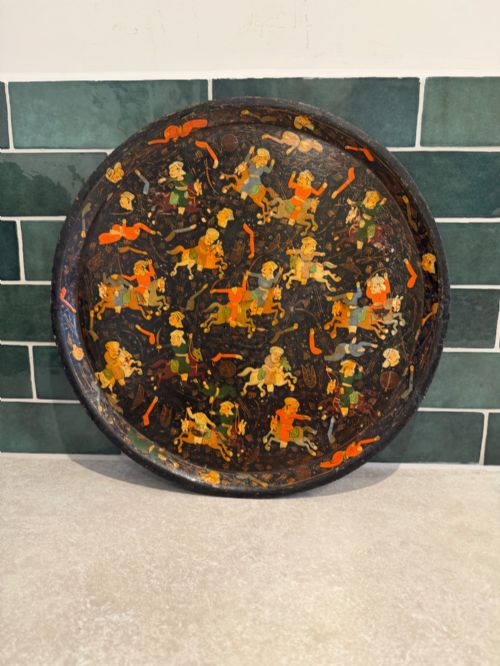
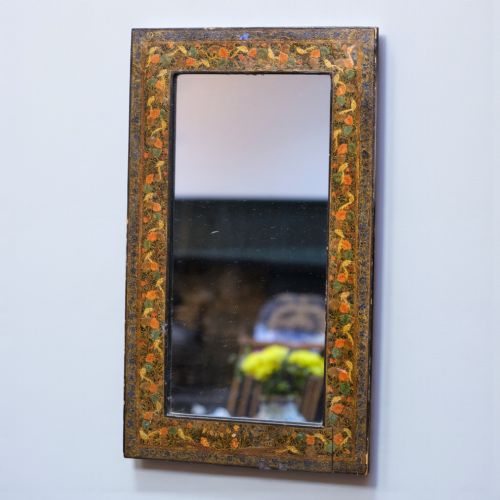
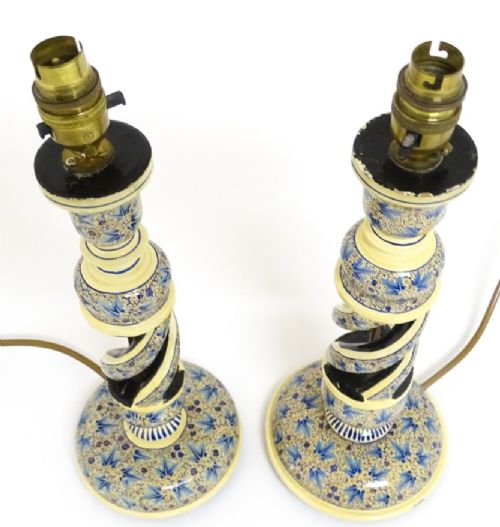
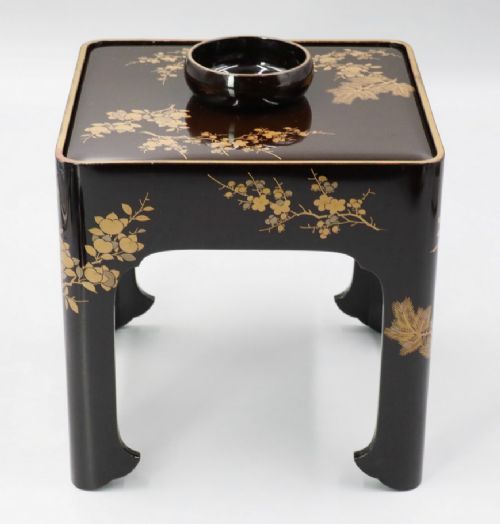
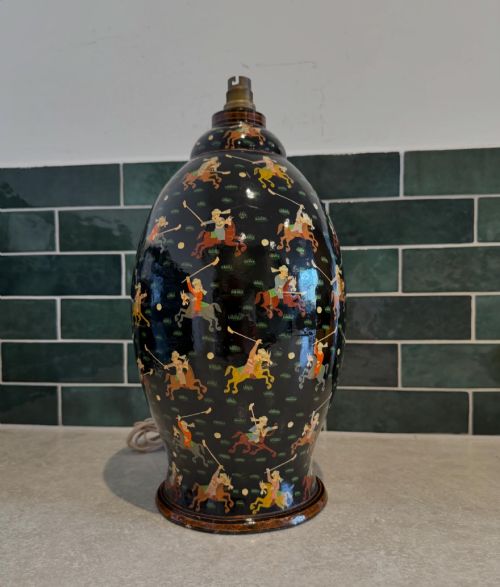
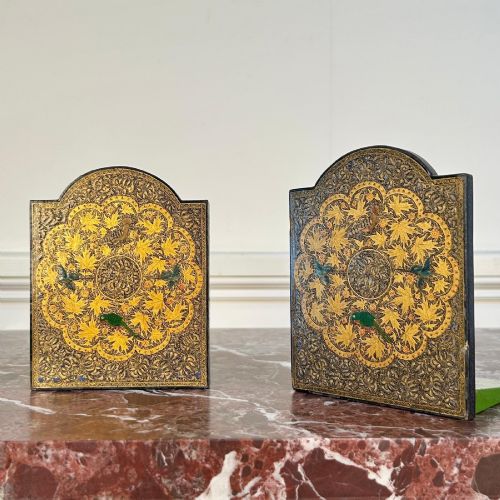
You frequently meet items originating from China, Japan, Kashmir, and England. The forms vary from utilitarian tea caddies and sewing tables to decorative wall plaques and table lamps.
How they were made
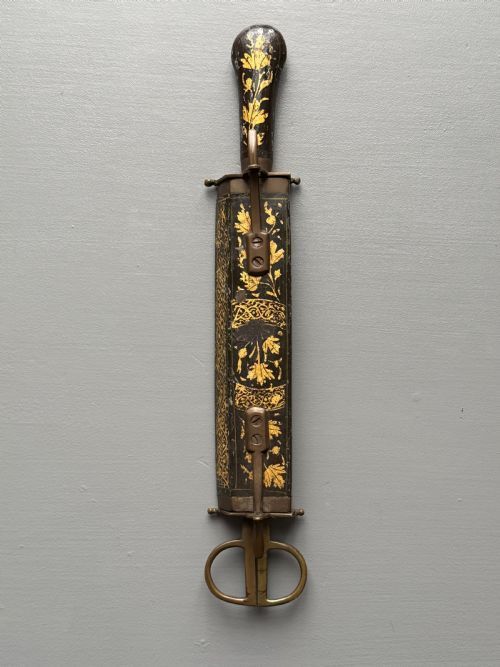
Maker workshops built these objects using wood or papier-mâché foundations coated in multiple applications of natural resin or urushi lacquer. Artisans built up smooth surfaces before applying gold leaf, gilt decoration, and hand-painted pigments.
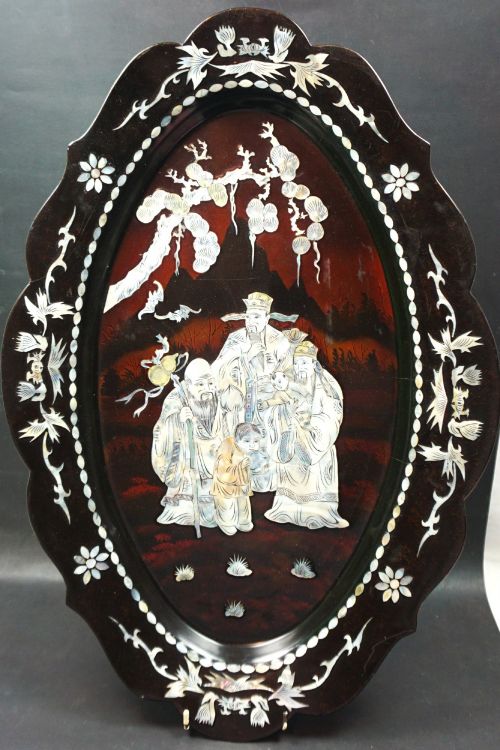
Certain pieces incorporate carved cinnabar lacquer, where workers layered thick red material to carve deep pictorial reliefs. Others integrate inlaid mother of pearl or brass fittings to accent the dark glossy finishes.
Antique Lacquerware Retail Price Guide 2026
Typical asking prices for lacquerware among the pieces listed under this phrase on Sellingantiques today, from the lower quarter to the upper quarter. They describe what is for sale here now, not the wider market.
Several miniature nesting boxes and tiny sake cups prove that ancient makers held a profound fondness for things that fit in the palm.
What varies in quality
Quality rests in the depth of the resin layers and the precision of the hand-painted or carved detail. Superior examples show crisp, stable gilding and finely articulated motifs without extensive flaking or modern repainting.
The complexity of the form dictates distinction, separating simple turned vessels from multi-tiered dowry baskets, intricate shodona cabinets, and layered export chests.
The Antique Lacquerware Glossary
- Urushi
- A natural lacquer derived from the sap of the lacquer tree, forming a durable and waterproof coating when cured.
- Inro
- A traditional Japanese multi-tiered case for carrying small objects, suspended from a sash.
- Cinnabar
- A bright red mineral form of mercuric sulphide used to colour thick layers of carved lacquer.
- Chinoiserie
- European artistic style reflecting Chinese motifs and decorative techniques.
- Papier-mâché
- A composite material consisting of paper pieces or pulp bound with glue, used as a sturdy lightweight core for trays and boxes.
Antique Lacquerware: Frequently Asked Questions
What is lacquerware?
Lacquerware comprises objects finished with successive coats of resin or varnish that dry to a hard, durable sheen.
Craftsmen often decorated these surfaces with gold leaf, paint, or carved designs.
How do I clean antique lacquerware?
Dust these items gently with a dry, soft microfibre cloth to protect the delicate surface layers.
Avoid using water, chemical polishes, or abrasive cleaners which can damage the aged finish.
Where did these pieces originate?
The pieces span various regions including China, Japan, Kashmir, Russia, and England.
Each region developed distinct decorative vocabularies, from Japanese Meiji period motifs to Kashmiri hand-painted papier-mâché.
How do I date antique lacquer pieces?
Dating relies on stylistic markers, construction materials, and historical period traits recorded in the piece.
Examinations of the underlying wood, papier-mâché, or porcelain help establish the era of manufacture.