






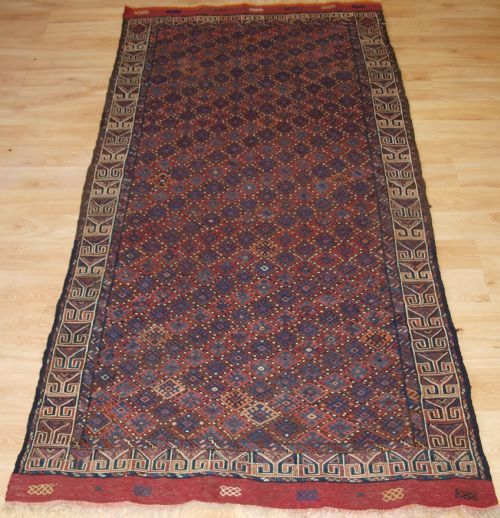
Antique Kurd Rug
An antique kurd rug brings robust tribal weave and rich wool into a room, offering durability and deep regional character.
Antique Kurd Rug
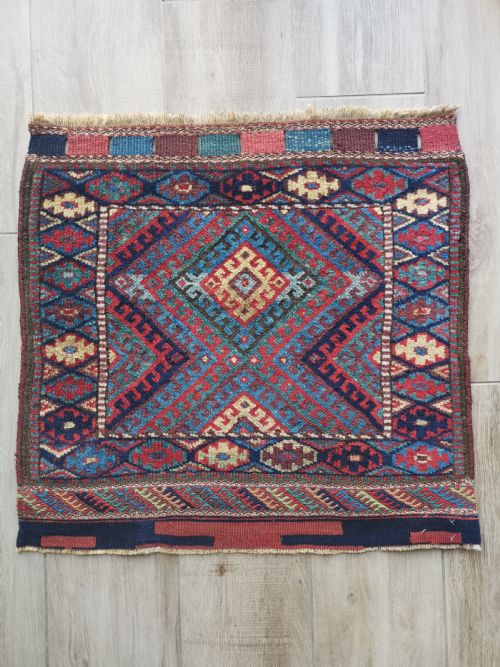
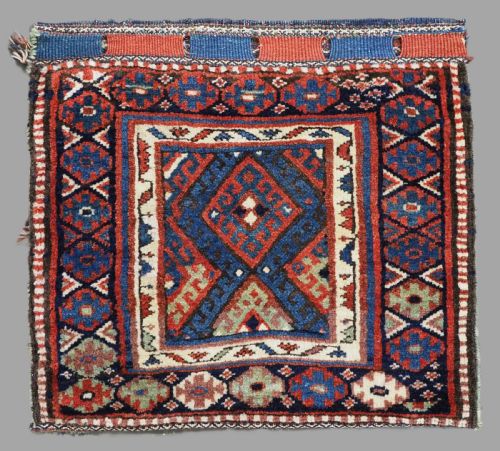
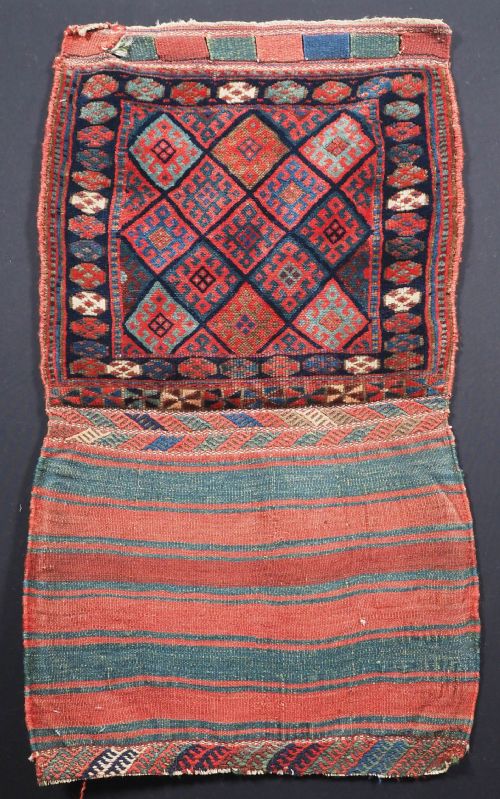
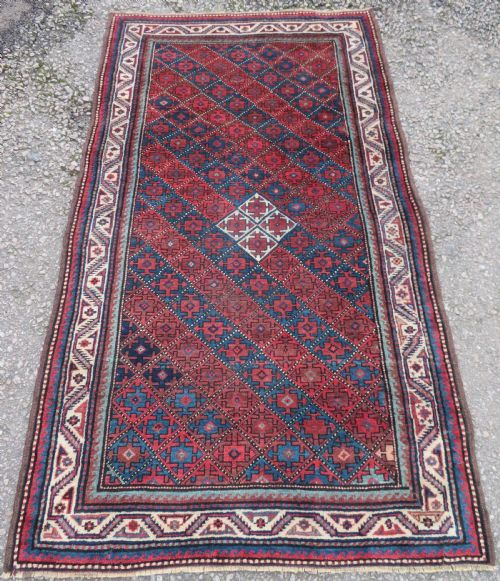
When you search for an antique kurd rug, you encounter traditional woven textiles produced by nomadic and settled tribal groups across Persian territories. These pieces range from small utilitarian saddlebag faces and complete bags to longer room-sized carpets and runners.
The selections span the nineteenth and early twentieth centuries, capturing the distinct aesthetic outputs of regional weavers such as the Jaf and Quchan tribes. Forms vary from functional nomadic storage items with plain weave backs to substantial floor rugs displaying tribal and borrowed design motifs.
How they were made
Weavers utilised natural materials, primarily employing wool and hand-spun wool for the pile and structure alongside cotton foundations in specific regional examples. This heavy reliance on durable animal fibres provided the resilience required for daily nomadic existence.
Techniques varied from thick pile constructions designed for warmth and heavy use to flatwoven soumak kilim methods. Artisans applied these structural approaches to create both dense floor coverings and flexible storage bags.
Antique Kurd Rug Retail Price Guide 2026
Typical asking prices for kurd rug among the pieces listed under this phrase on Sellingantiques today, from the lower quarter to the upper quarter. They describe what is for sale here now, not the wider market.
Listings demonstrate production dates spanning from the 1870s through the 1920s across cotton and wool substrates.
What varies in quality
Quality rests in the handling of the wool and the crispness of the tribal design work across the surface. Finer examples display tight knotting and consistent pile depth that maintain the integrity of motifs such as Turkmen güls.
The secondary backings and structural edges dictate longevity, particularly in pieces that served as functional saddlebags or transport containers. Survival of original plain weave backs on bag faces adds integrity to the textile.
Jaf Kurds·Quchan Kurds·Kurds of Bijar
The Antique Kurd Rug Glossary
- Pile
- The upright yarn loops that form the tactile surface of the rug. In these textiles, wool provides a dense and enduring texture.
- Soumak kilim
- A flatweave technique creating a textured surface resembling braidwork without a cut pile. This method appears in specific regional works by Quchan makers.
- Saddlebagface
- The decorative front panel of a utilitarian animal bag used during nomadic travel. These panels often survive independently after the plain weave backs separate.
- Gul
- A medallion motif frequently employed in tribal weaving traditions. The term describes repeated octagonal patterns seen in Quchan pieces.
- Plain weave
- A simple interlacing of warp and weft threads without supplementary pile. This technique forms the sturdy backs of Jaf storage bags.
Antique Kurd Rug: Frequently Asked Questions
What is a Jaf Kurd bag?
A Jaf Kurd bag is a utilitarian textile woven by the Jaf tribe for nomadic storage and transport. These items often feature patterned pile faces paired with plain weave backs.
Many survive as individual bag faces or complete containers. They represent the practical craft traditions of nineteenth-century pastoral groups.
Where were Quchan rugs made?
Quchan rugs originate from the Quchan region situated in north-east Persia. Local weavers produced these textiles using traditional tribal methods and specific regional motifs.
Their work incorporates varied structures including thick pile rugs and flatwoven soumak kilims. The designs often reflect interactions with neighbouring tribal groups.
How do I care for a tribal rug?
Care for these textiles by avoiding excessive moisture and ensuring regular, gentle vacuuming without rotating beater bars. Professional cleaning suited to antique wool helps preserve natural fibre oils.
Placing a breathable underlay beneath the textile prevents slipping and reduces friction against hard flooring. Proper placement away from direct sunlight protects natural dyes.
How are periods told apart?
Periods are identified through structural evidence, material choices, and stylistic shifts recorded across nineteenth and early twentieth-century examples. Hand-spun wool and specific knotting densities often point towards nineteenth-century origins.
Later pieces from the early decades of the twentieth century show subtle shifts in palette and structure. Comparing design execution against documented regional examples clarifies the timeline.