
Antique Kitchen Wood
These pieces of antique kitchen wood bring functional utility and rustic warmth to domestic spaces through time-honoured materials.
Antique Kitchen Wood
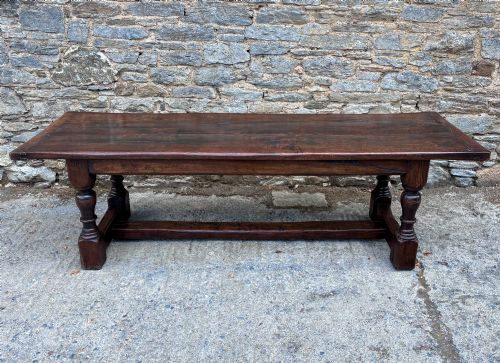
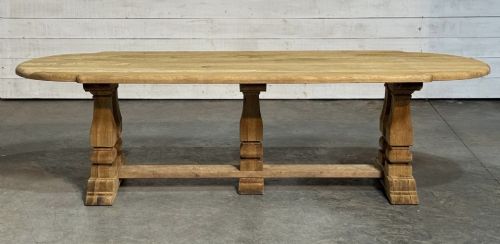
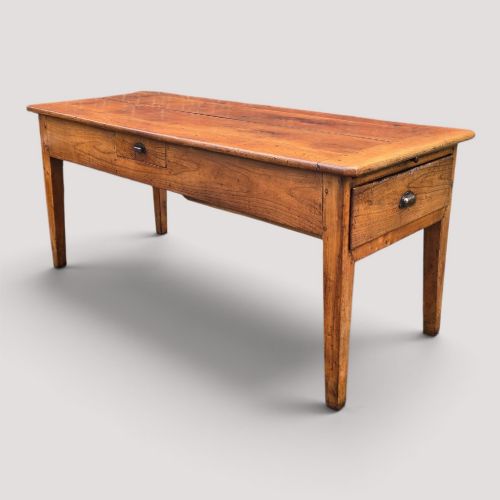
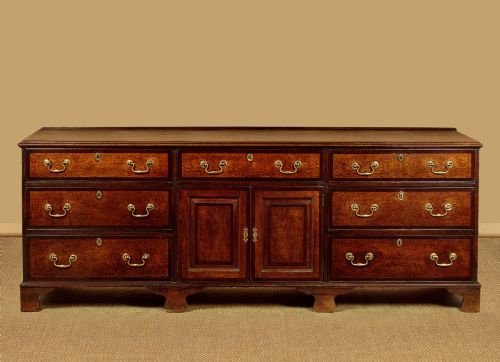
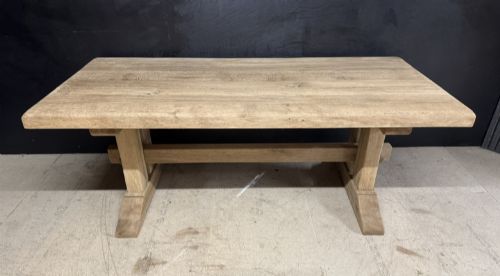
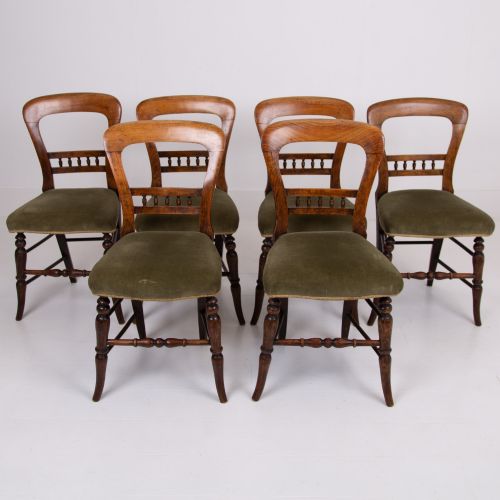
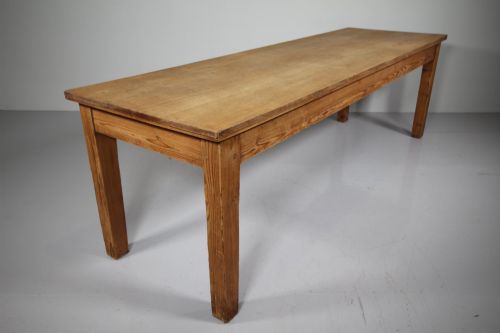
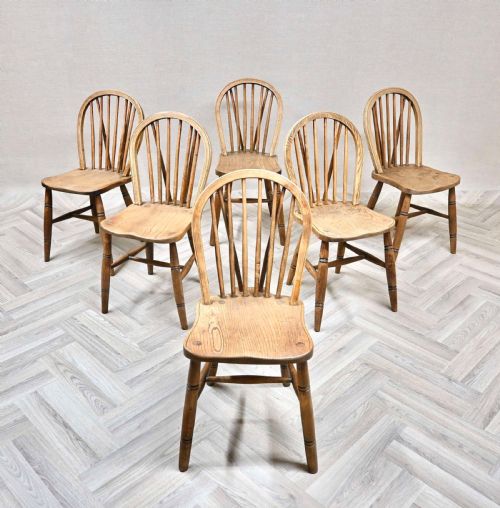
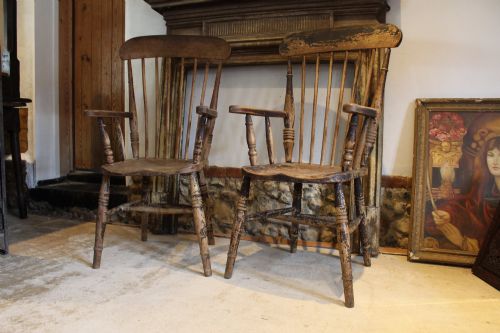
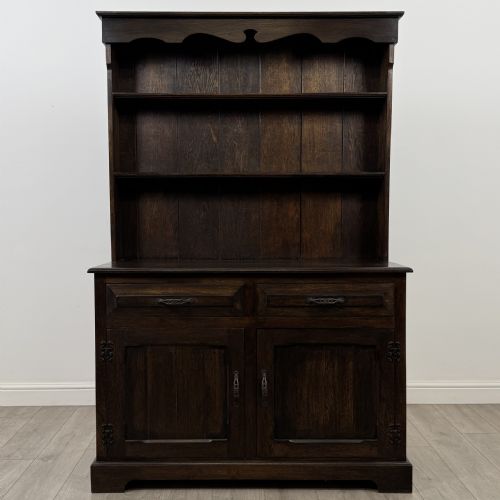
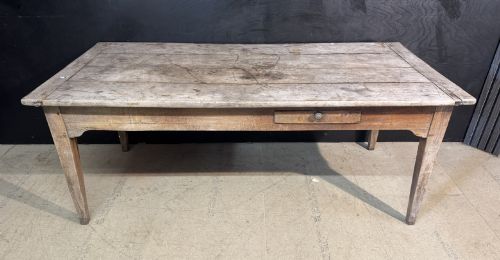
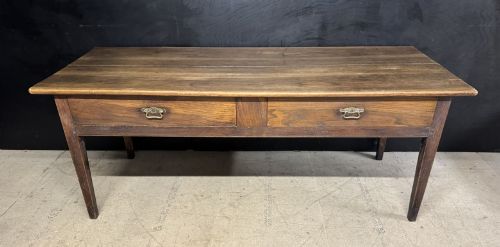
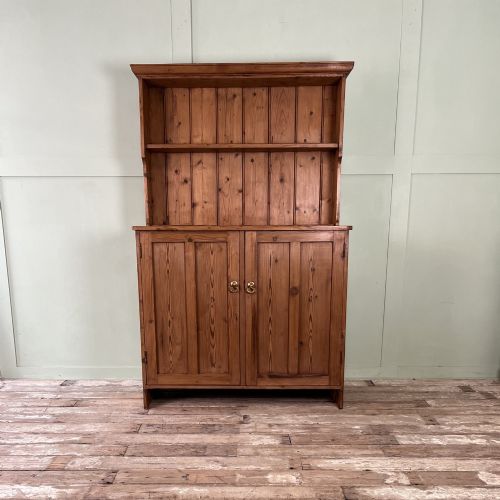
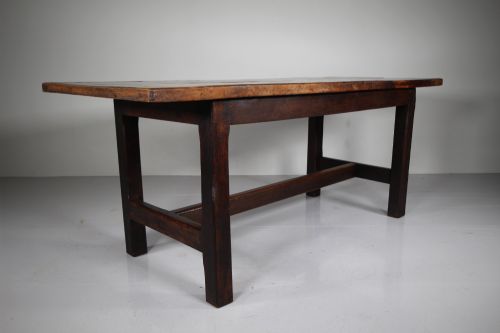
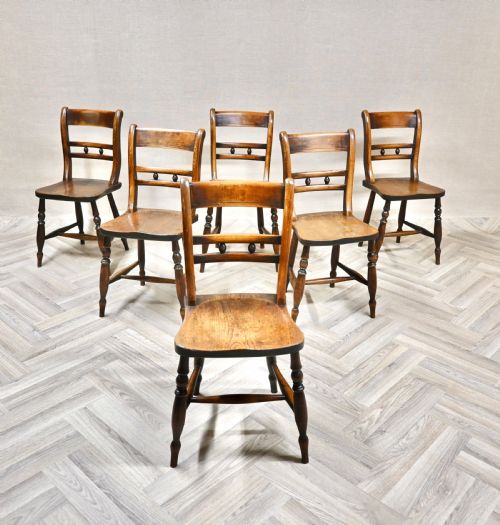
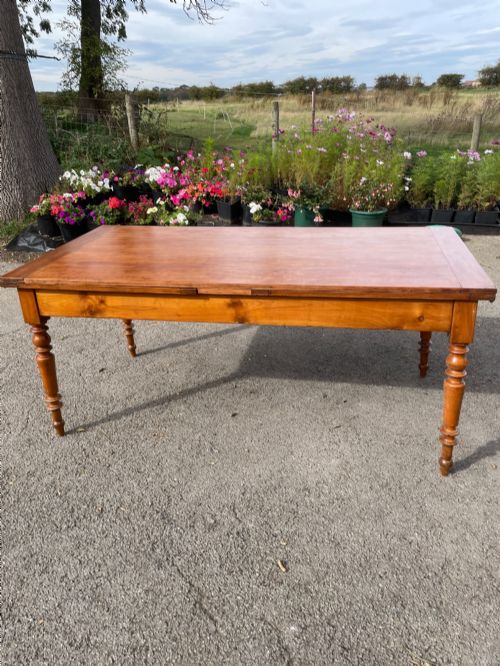
When you search for antique kitchen wood, you encounter robust tables, seating and storage furniture designed for heavy daily domestic use. Dining tables, Windsor chairs and dressers dominate the selection, spanning periods from the eighteenth century through the Edwardian era.
The regional origins range across English country workshops and French provincial centres. Farmhouse tables and sets of ladderback or wheelback chairs provide the backbone of domestic utilitarian design.
Materials and Technique
Joinery relies heavily on sturdy domestic hardwoods like oak, elm, beech and ash, paired with softer pine for storage carcases. Planks are frequently thick-cut, sometimes utilising single boards for table tops or twin plank configurations on larger refectory surfaces.
Turning and steam-bending shape the spindles and bows of Windsor chairs, while mortise and tenon joints secure table frames and dresser bases. Surfaces often display the scrubbed grain of fruitwood, cherry, chestnut or walnut.
Listings feature eighteenth-century oak dining tables alongside nineteenth-century Windsor armchairs and Edwardian mahogany dressers.
Distinctions in Standard
Quality rests upon the integrity of the timber selection and the retention of original structural surfaces. Tables featuring single plank tops or dense fruitwood hold a distinct presence compared to altered or heavily refinished boards.
Seating demonstrates variation through the matching consistency of chair sets and the preservation of turned components. Original scrubbed finishes and honest patination reflect the working history of each item without masking its structural base.
The Antique Kitchen Wood Glossary
- Scrub top
- A bare wooden table surface designed to be scrubbed clean with water and sand after food preparation. This finish reveals the natural grain of pine or fruitwood.
- Windsor chair
- A wooden chair constructed with a solid sculpted seat into which the legs and back spindles are round-tenoned directly. Regional variations include wheelback and barback designs.
- Refectory table
- A long dining table historically used in communal halls and large kitchens. These pieces utilise sturdy stretchers to support long plank tops.
- Dresser base
- The lower cabinet portion of a kitchen storage unit, frequently fitted with drawers or cupboards. Open plate racks often sit above these sturdy bases.
- Rush seat
- A seating platform woven from dried marsh rushes twisted into cords. This traditional method provides a resilient, textured surface for country chairs.
Antique Kitchen Wood: Frequently Asked Questions
How do I care for antique wood?
Maintain wooden surfaces by dusting regularly with a dry cloth and avoiding excessive moisture. Apply natural waxes periodically to nourish dry timber without sealing the grain permanently.
Keep pieces away from direct heat sources to prevent timber splitting.
Where were these pieces made?
Items originate from various regional workshops across England and France. Provincial centres utilised locally available timbers like oak, elm, fruitwood, and pine.
Country makers focused on practical construction suited to rural domestic life.
How do I identify chair types?
Chair styles differ through back construction, such as solid central splats, steam-bent hoops, or multiple vertical spindles. Windsor chairs feature legs wedged directly into a thick wooden seat.
Matching sets often share specific regional turning patterns on their legs and stretchers.