


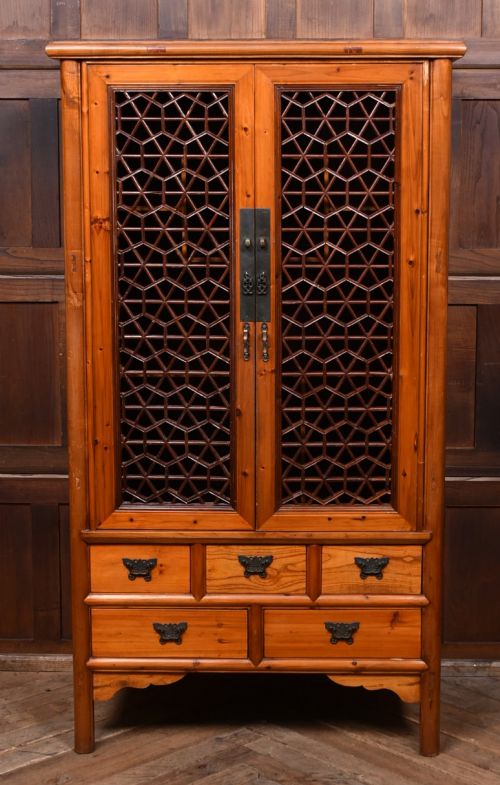


Antique Kitchen Unit
An antique kitchen unit brings practical storage and honest utility into the heart of the home.
Antique Kitchen Unit
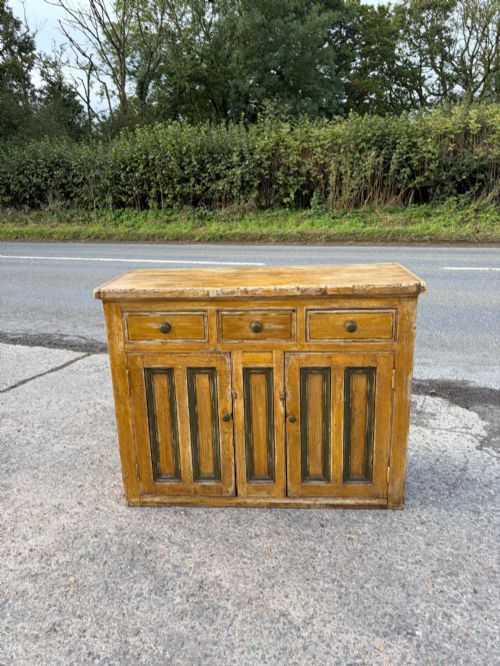
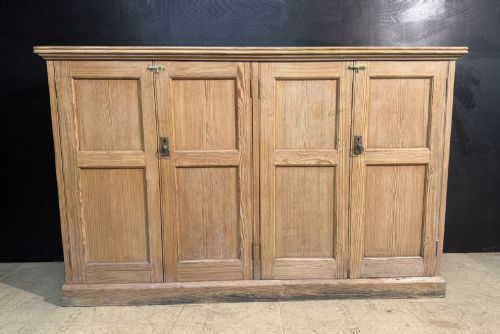
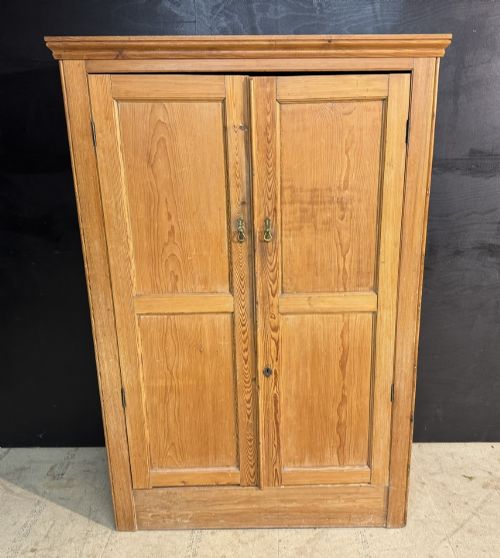
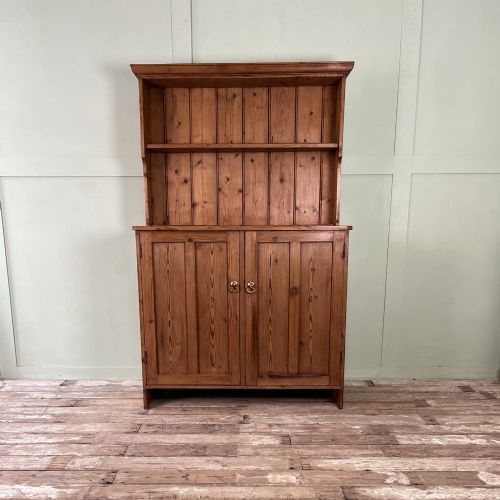
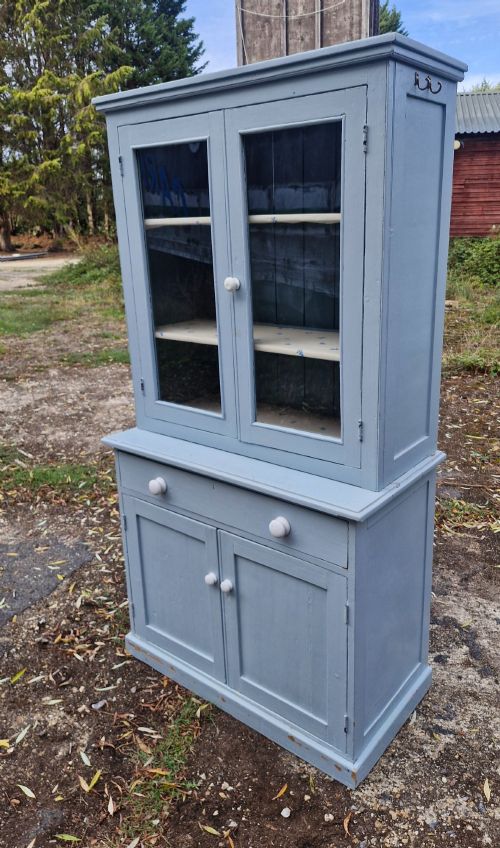
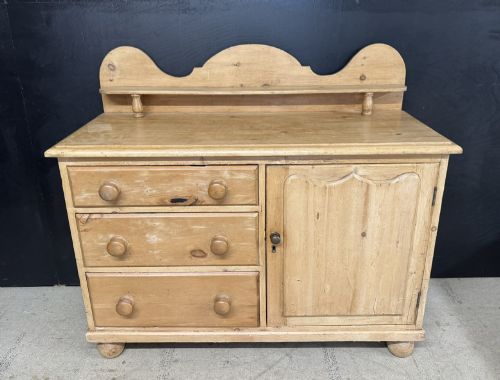
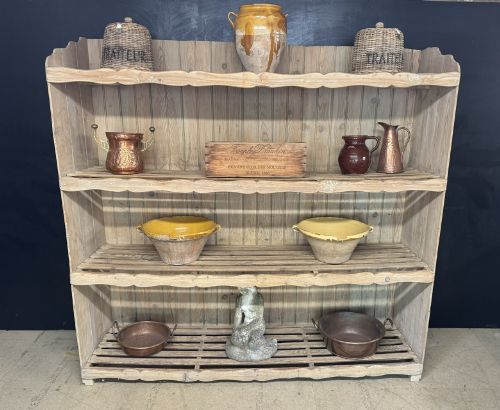
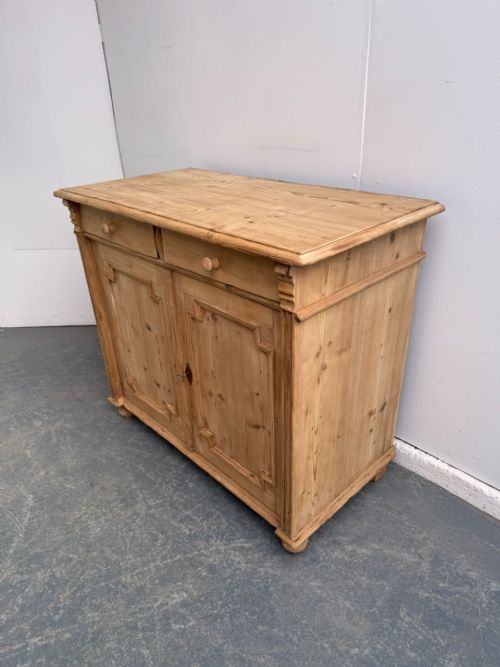
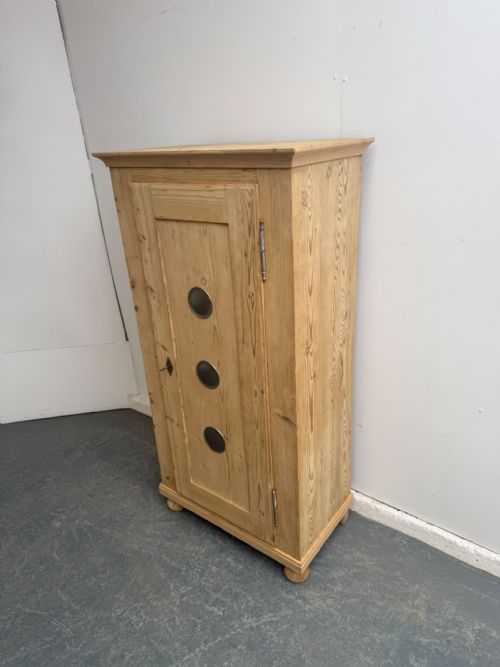
When you search for an antique kitchen unit, you encounter a range of heavy utilitarian furniture designed for food preparation and storage. The selection spans robust pine dressers, larder cupboards, and bakers racks originating from the eighteenth, nineteenth, and early twentieth centuries.
Pine and oak predominate in these forms, reflecting the functional requirements of domestic spaces across English, French, and Victorian country settings. Dressers with plate racks and tall housekeeper cupboards form the majority of the pieces you meet here.
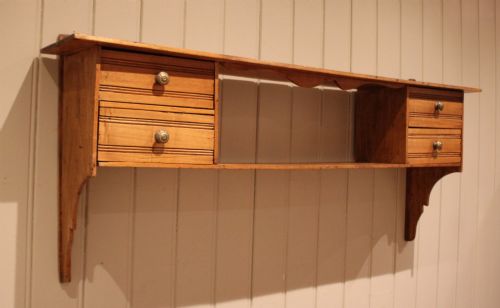
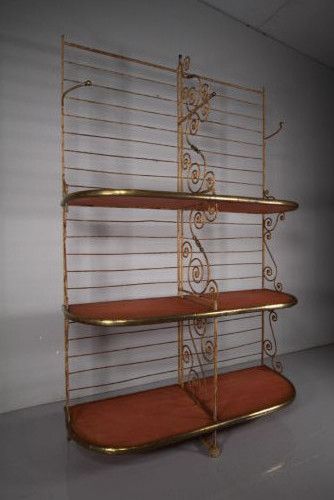
Items range from tall provincial buffets and wall shelves to industrial wrought iron bakers racks and butchers blocks. Each piece retains the honest proportions and practical compartmentalisation of its original working environment.
How they were made
Makers utilised solid timbers such as pine, oak, and walnut, employing traditional pegged joints and dovetail construction to ensure durability. Surfaces often show the marks of hand planning and original paint finishes, alongside weathered metal fittings in brass and wrought iron.
Cupboards and dressers combine panelled doors with slatted ventilation or glazed sections, while bakers racks utilise heavy forged iron frameworks. Construction prioritises utility, resulting in sturdy frameworks built to withstand daily culinary labour.
Antique Kitchen Unit Retail Price Guide 2026
Typical asking prices for kitchen unit among the pieces listed under this phrase on Sellingantiques today, from the lower quarter to the upper quarter. They describe what is for sale here now, not the wider market.
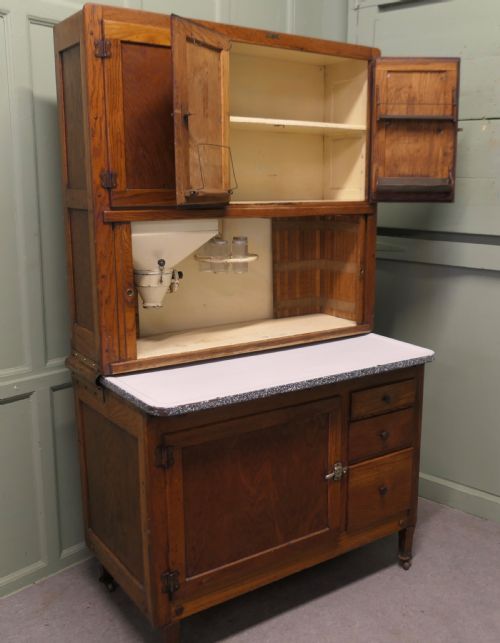
The inventory includes specialised forms such as Parisian bakers racks, Hungarian shop fittings, and American Hoosier cabinets.
What varies in quality
The distinction between ordinary utility items and superior examples lies in the selection of timber and the integrity of the original construction. Pieces retain greater character when they preserve their uncompromised structural proportions and authentic surface patination.
Original hardware, maker stamps, and untouched historical paint layers elevate a piece above standard domestic furniture. Finer examples display refined moulding details and balanced proportions that separate bespoke cabinet work from mass-produced workshop output.
Hudson Bros·Trussant and Cie
The Antique Kitchen Unit Glossary
- Dresser
- A piece of furniture featuring base cupboards or drawers, often surmounted by open plate racks or shelving. It served as the central storage and display hub for domestic tableware.
- Larder cupboard
- A tall storage piece designed for food preservation, frequently featuring panelled doors and vented sections for air circulation. These units kept perishable goods organised before modern refrigeration.
- Baker's rack
- A heavy metal or iron shelving unit originally utilised in commercial kitchens or bakeries for cooling bread and storing utensils. Wrought iron frameworks support multiple tiers of wooden or wire shelves.
- Housekeeper's cupboard
- A large storage cabinet used in substantial estates for linens, dry goods, and domestic provisions. These imposing pieces offer deep internal shelving and substantial panelled doors.
- Plate rack
- An open wooden shelving attachment designed to display and dry plates vertically. They form the upper section of traditional dressers or mount directly to kitchen walls.
Antique Kitchen Unit: Frequently Asked Questions
How do I use an antique kitchen unit today?
These units integrate smoothly into modern kitchens to provide substantial storage for dishware, glassware, and dry goods. Their generous proportions make them practical for everyday organisation.
Positioning a larder cupboard or dresser in a dining area or kitchen adds historical character while keeping everyday items within easy reach.
What woods are common in these kitchen units?
Pine and oak form the vast majority of surviving kitchen furniture from the eighteenth and nineteenth centuries. These timbers offered the strength and availability required for heavy domestic use.
Walnut and multi-wood variations also appear in specific regional pieces, each bringing distinct grain patterns and colour variations to the furniture.
How do I date an antique kitchen unit?
Dating relies on examining construction techniques, such as hand-cut dovetails, tool marks on the timber, and the style of hinges and handles. Secondary woods used in drawer linings also offer clues to the period of manufacture.
Comparing the form and proportions against documented regional styles helps narrow the date of origin between the Georgian and Edwardian eras.
Should I paint or wax my antique cupboard?
Many pieces come in bare pine or with traces of historic paint, leaving the finish open to personal preference. Waxing enhances the natural grain and deepens the colour of exposed timber.
If a piece has an original or early painted surface, preserving it maintains the historical integrity and character of the object.