
Antique Kitchen Storage Cabinet
An antique kitchen storage cabinet brings the honest utility of past centuries straight into the modern home, offering deep shelves and broad drawers for everyday provisions.
Antique Kitchen Storage Cabinet
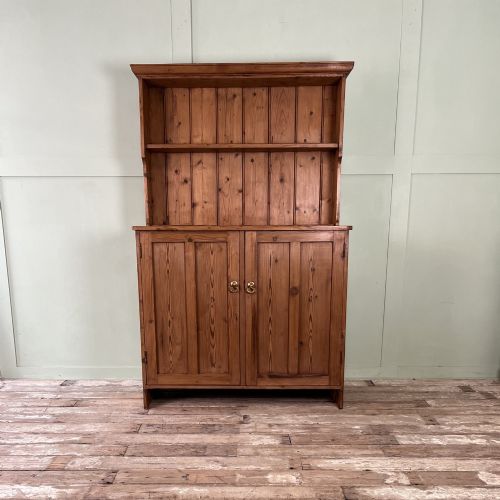
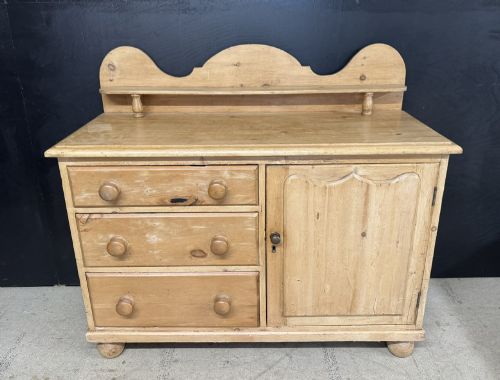
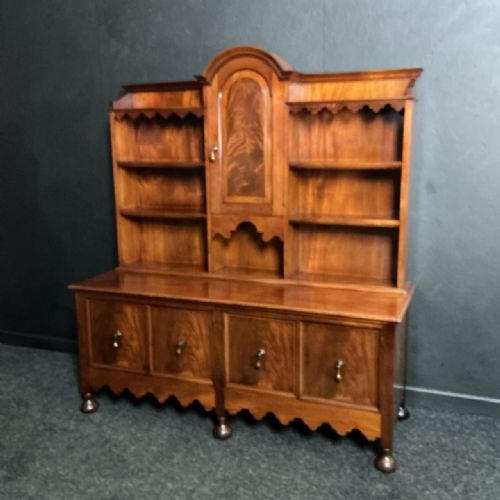
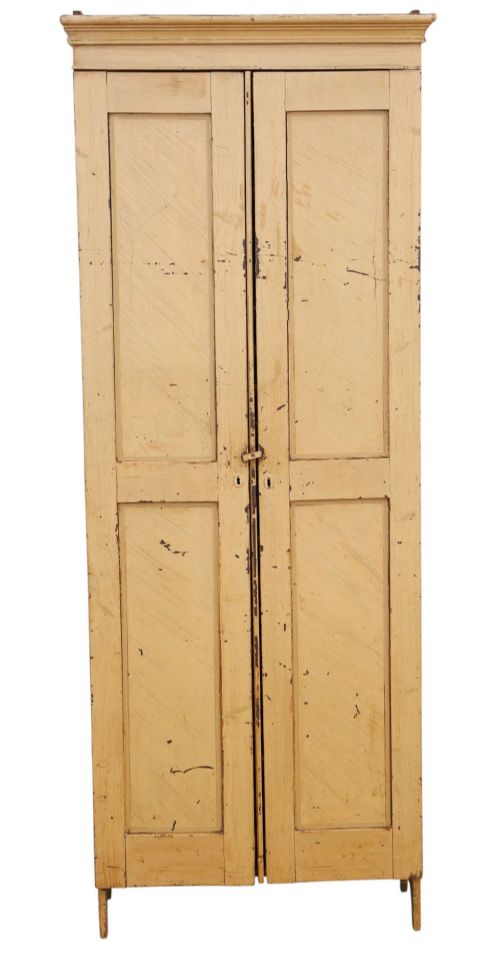
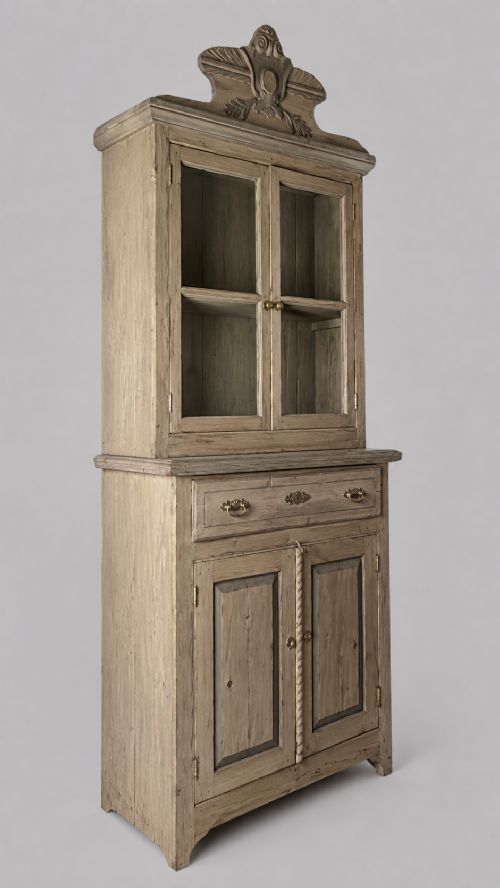
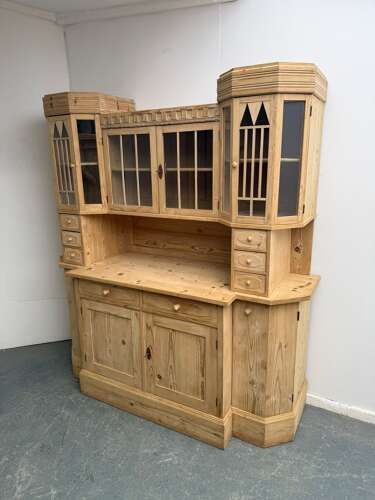
When you search for an antique kitchen storage cabinet, you encounter a robust mix of country dressers, larder cupboards, housekeepers' cupboards, and sideboards originating from the eighteenth, nineteenth, and early twentieth centuries. These pieces hail from English, Welsh, Scottish, and French provincial workshops, reflecting regional domestic habits.
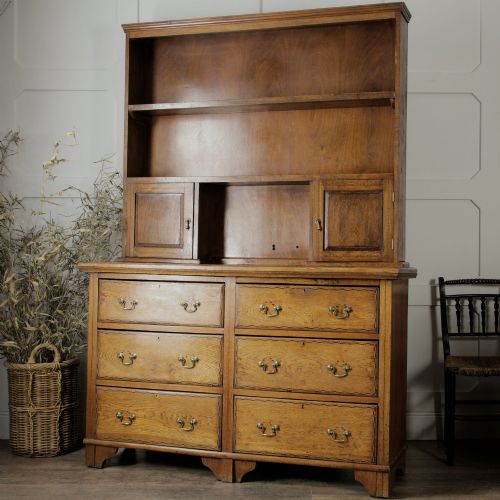
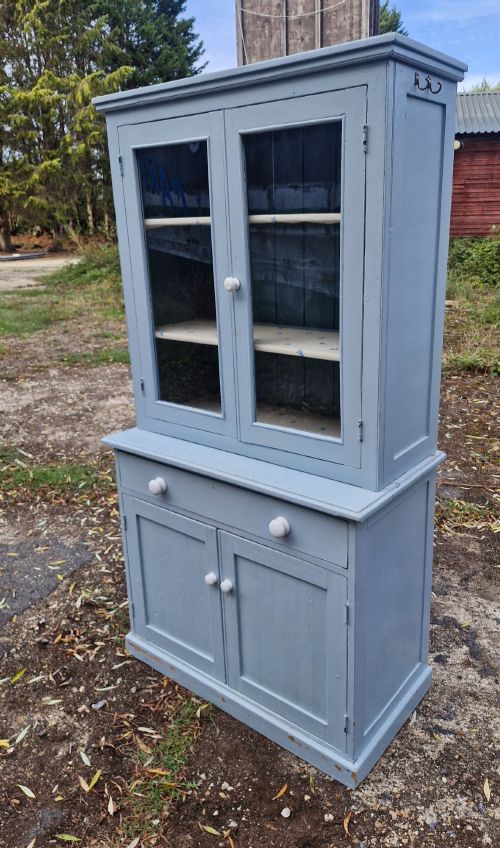
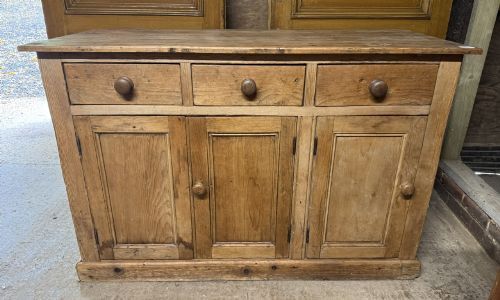
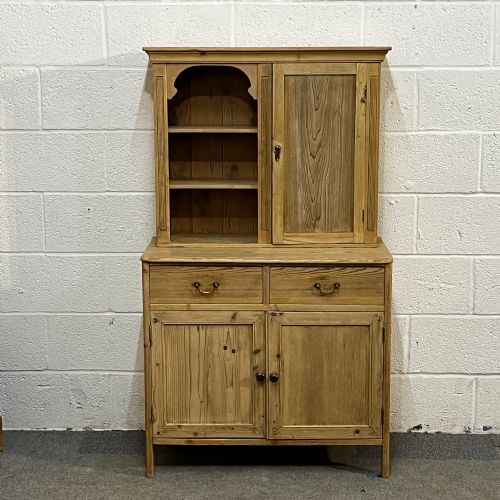
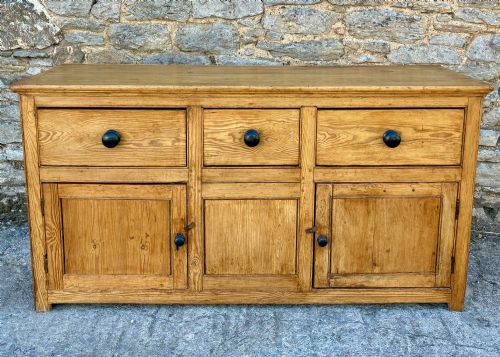
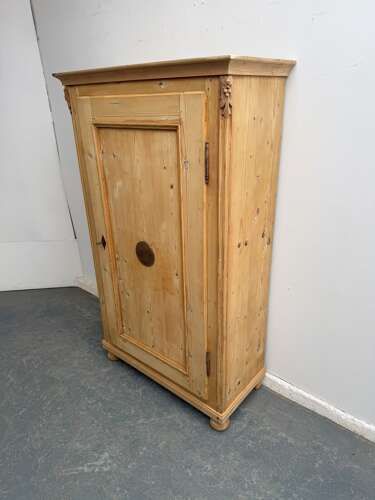
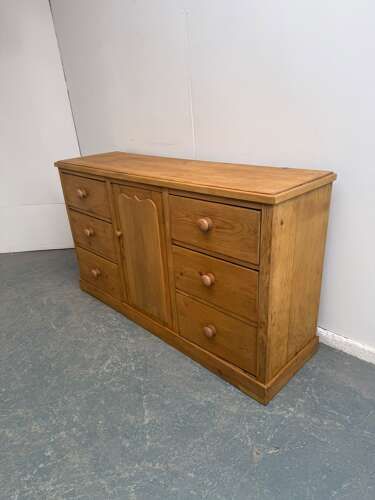
Pine and oak dominate the selection, appearing either stripped, waxed, or retaining original painted finishes, alongside occasional mahogany and fruitwood examples. Forms range from tall narrow cupboards and two-piece dressers to low dresser bases and vented food cabinets designed to keep provisions cool and fresh.
The Victorian era supplies the highest volume of pine and oak pieces, while earlier Georgian and provincial French pieces offer distinct timber selections like fruitwood and oak. Buyers choose them to anchor a kitchen with genuine historical presence and practical storage capacity.
Materials and Construction
Cabinet makers relied primarily on solid pine and oak, supplemented by fruitwood and mahogany for specific regional tastes and formal commissions. Joinery techniques involved hand-cut dovetails for drawers and mortise and tenon joints for frames, ensuring structural longevity under heavy daily use.
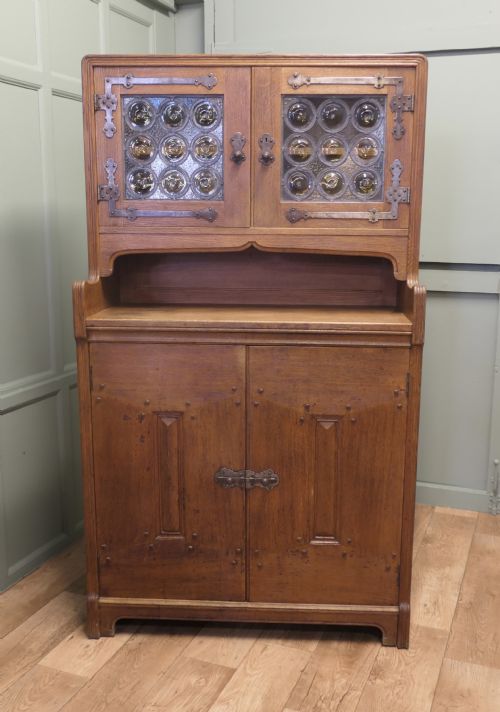
Hardware combined iron handles and hinges with brass escutcheons, while glazing appeared in upper cabinet doors using hand-blown glass panes. Surfaces were either left plain to accept wax or paint or finished with layers of oil-based paint that accrued character over decades of domestic service.
Vented cupboards feature tiny wire mesh or pierced wooden panels designed to let the cheese breathe without inviting mice indoors.
Standards of Construction
Quality rests in the integrity of the timber and the preservation of original elements, such as backboards, drawer bottoms, and hardware. Pieces retaining their original paint finishes or untouched waxed surfaces hold greater distinction than those stripped down and heavily altered during later restorations.
Proportion and scale dictate the desirability of a piece, with rarer shallow formats, narrow footprints, or well-executed architectural cornices commanding attention. Superior examples demonstrate tight joinery and balanced door panels that operate smoothly despite centuries of seasonal humidity shifts.
Liberty
The Antique Kitchen Storage Cabinet Glossary
- Dresser base
- A low cabinet featuring drawers above enclosed cupboards, historically used for food preparation and serving.
- Larder cupboard
- A tall storage unit fitted with interior shelves or mesh ventilation panels designed to store perishable food stores.
- Housekeeper's cupboard
- A large, substantial storage piece with multiple doors and drawers built for linen and provisions.
- Confiturier
- A small French provincial storage cabinet traditionally utilised for preserving meats and fruits in earthenware pots.
- Breakfront
- A piece of furniture featuring a central section that projects forward beyond the flanking sides.
Antique Kitchen Storage Cabinet: Frequently Asked Questions
What is a housekeepers cupboard?
A housekeeper's cupboard is a large, upright storage piece traditionally used in grand homes to store linens, dried goods, and tableware.
These pieces typically feature multiple panelled doors and banks of drawers, providing substantial interior depth for household organisation.
How do I care for waxed pine?
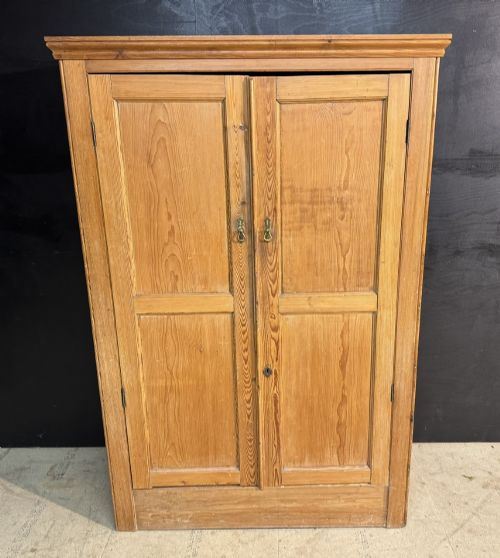
Waxed pine requires simple dusting with a soft cloth and occasional application of a traditional beeswax furniture polish to nourish the timber.
Avoid placing these cabinets near direct heat sources or strong sunlight, which can dry out the old wood and cause the joints to shift.
Were these cabinets always painted?
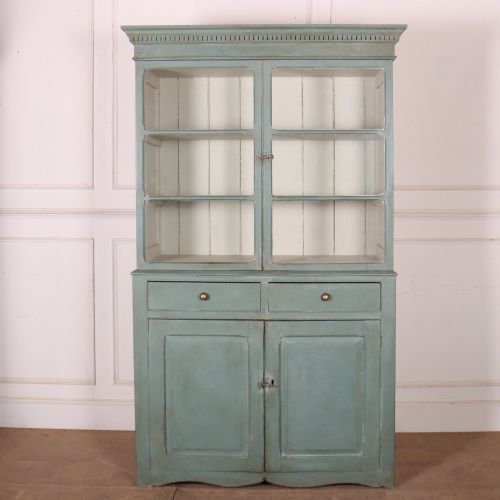
Many utility cupboards and dressers received coats of paint for hygiene and decoration in period kitchens, while others were left as bare or waxed wood.
Original paint finishes are preserved whenever possible because they record the authentic domestic history of the piece.
What is a French confiturier?
A confiturier is a compact French provincial cupboard originally built to hold confit jars and kitchen stores.
Their smaller scale makes them adaptable for modern living spaces as bedside tables or bathroom storage units.