






Antique Kitchen Shelves
Antique kitchen shelves bring practical storage and honest period character to a room, offering sturdy pine, oak and iron forms built for daily use.
Antique Kitchen Shelves
When you search for antique kitchen shelves, you find a range of practical storage furniture designed to hold plates, cookware and provisions in domestic spaces. These pieces span from the 18th century through the Edwardian period, originating in English, Scottish, Irish, Welsh and French regional workshops.
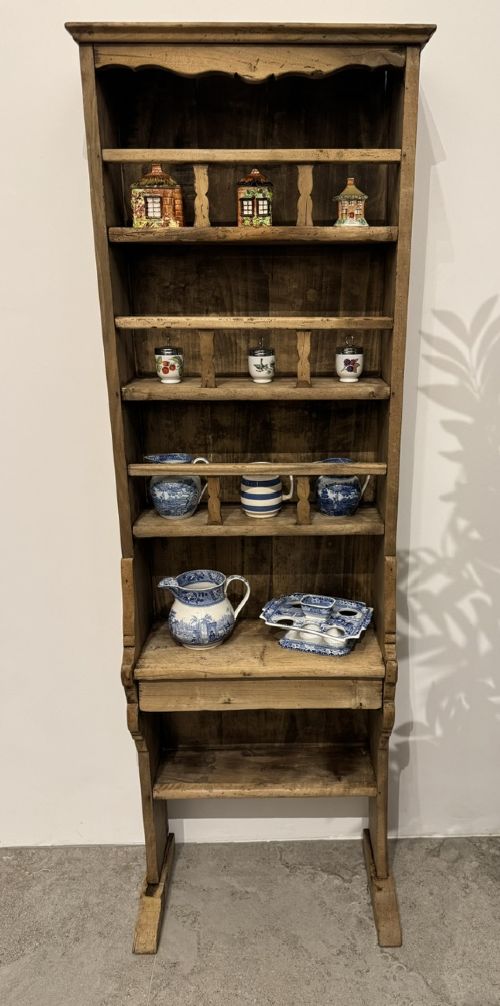
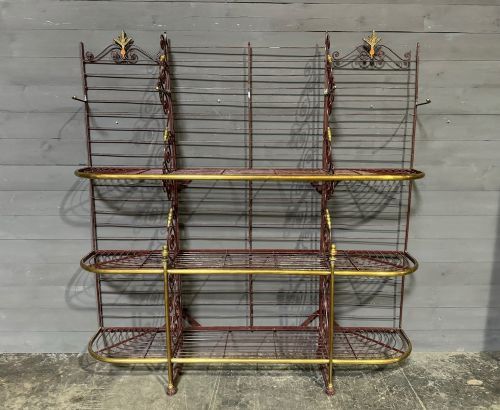
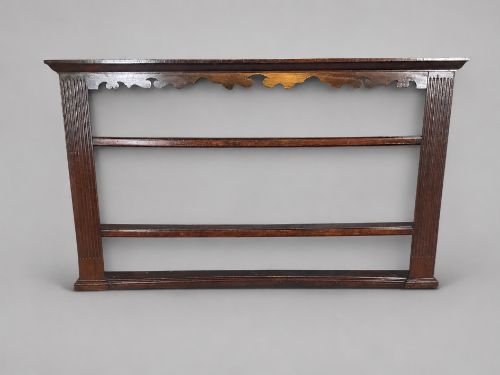
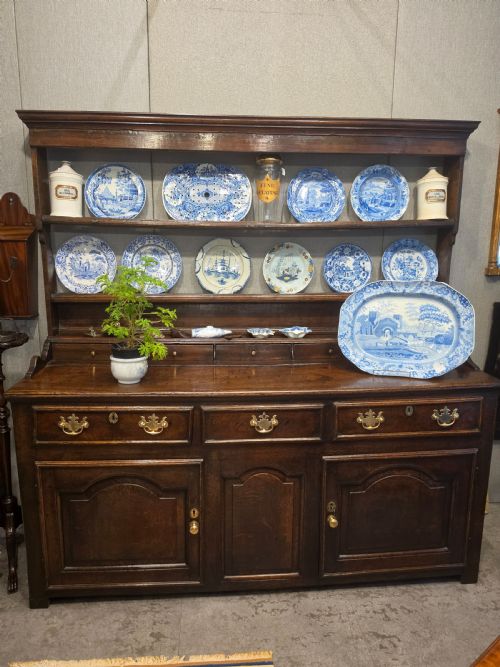
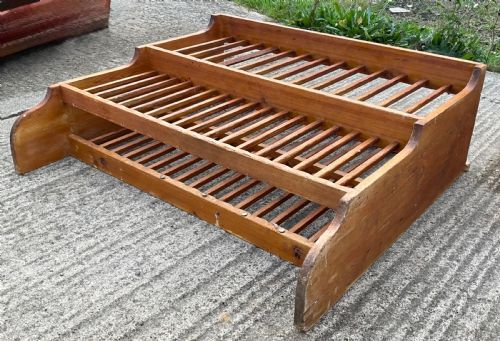
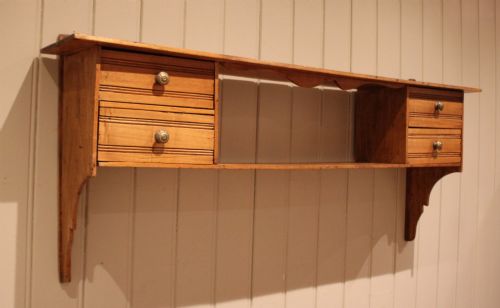
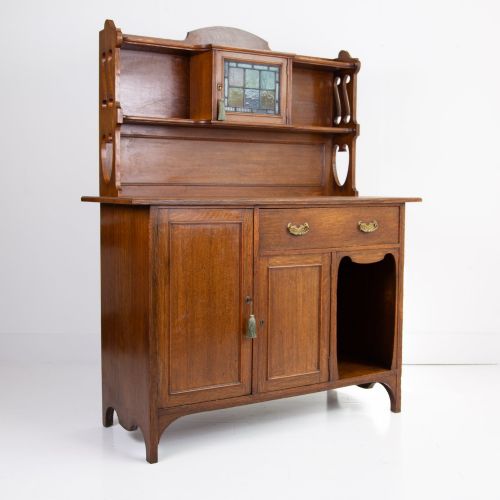
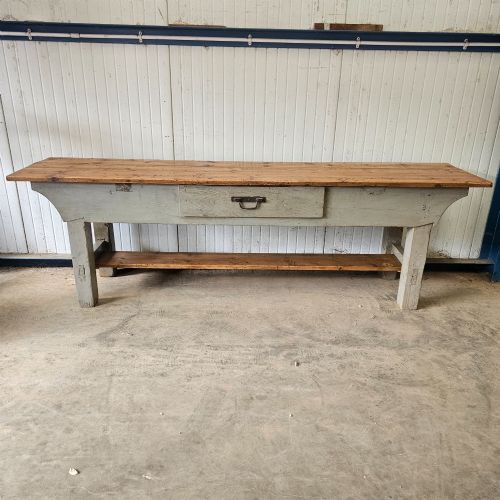
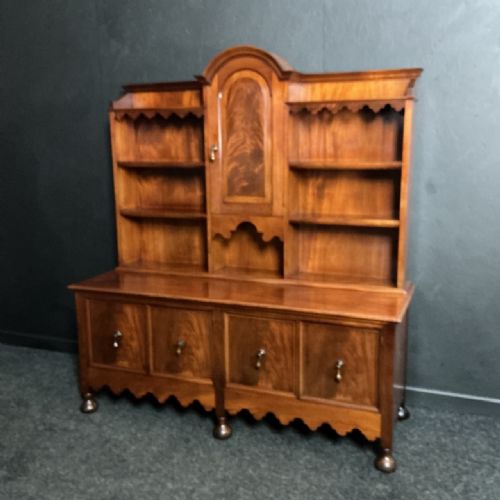
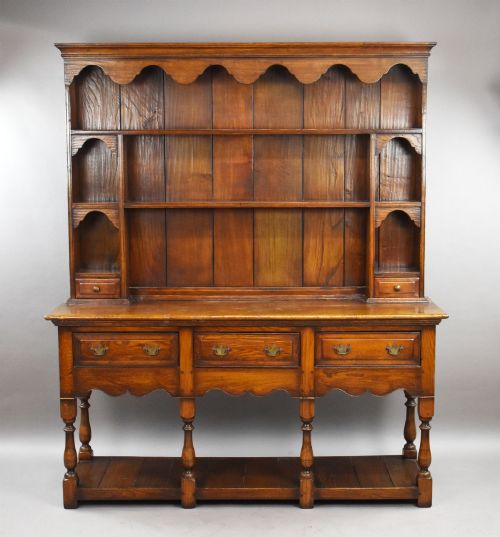
The most common forms on this page include wall shelves, plate racks, and large kitchen dressers complete with open display tiers. You also encounter potboard dresser bases, bakers racks, and pan stands made from durable woods and metals.
Makers utilised local materials to build functional furniture, resulting in country house pieces, rustic farmhouse designs, and industrial French pieces. Each style reflects the practical needs of past kitchens, balancing open display space with enclosed storage.
How they were made
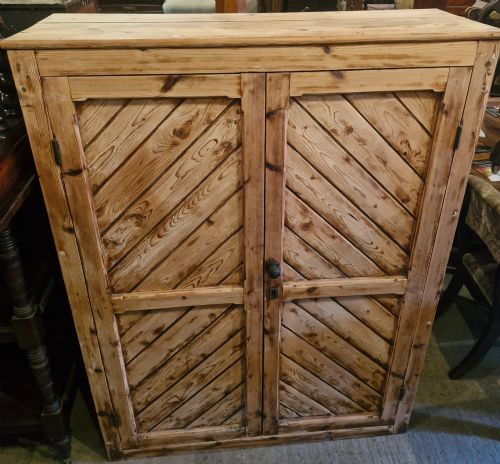
Carpenters and joiners built these shelves predominantly using solid oak and pine, often selecting local hardwoods such as elm or walnut for specific elements. Surfaces frequently show historical layers of paint or original polished finishes that highlight the grain of the timber.
Metal components utilise wrought iron, steel and brass, particularly in bakers racks, pan stands and structural braces. Smiths shaped these irons by hand, incorporating functional hooks, stamped maker details and riveted joints to support heavy kitchen inventory.
Antique Kitchen Shelves Retail Price Guide 2026
Typical asking prices for kitchen shelves among the pieces listed under this phrase on Sellingantiques today, from the lower quarter to the upper quarter. They describe what is for sale here now, not the wider market.
Listings feature oak, pine, and painted wood alongside wrought iron and brass across Georgian, Victorian, and Edwardian periods.
What varies in quality
Quality rests upon the integrity of the construction and the proportional balance of the piece, from modest cottage pine to substantial Welsh oak dressers. Superior examples retain their original backboards, untouched plate racks and sound structural joints without excessive modern intervention.
The choice of timber and the quality of hand-turned legs or carved mouldings distinguish standard utility items from finer provincial workshop commissions. Original painted surfaces or patinated metalwork add distinct character, whereas unsympathetic stripping diminishes historical depth.
Dubois of Lyon
The Antique Kitchen Shelves Glossary
- Plate rack
- A wall-mounted or dresser-integrated wooden frame designed to hold plates vertically on edge for drying or display. These racks are characteristic of 18th and 19th-century country kitchens.
- Potboard dresser
- A dresser base featuring a low slatted wooden shelf near the floor, originally used for storing heavy pots and pans. This lower tier sits above the feet, separate from the main surface.
- Delft rack
- An open wooden shelving unit built specifically to display imported tin-glazed earthenware and tableware. They form the upper section of many regional dressers.
- Bakers rack
- A tall, freestanding metal and wire shelving unit used in commercial baking and kitchens for cooling loaves. Examples often incorporate wrought iron frames and multiple wire tiers.
- Tiger oak
- Quartersawn oak timber featuring distinctive flecked medullary rays that resemble tiger markings. This decorative grain figure appears on selected Victorian pieces.
Antique Kitchen Shelves: Frequently Asked Questions
What is a potboard dresser?
A potboard dresser is a base unit featuring a low open shelf near the floor designed for storing heavy cookware.
This lower board provides stability to the frame while keeping utilitarian pots within easy reach in busy kitchens.
How do I use wall shelves today?
Antique wall shelves and plate racks mount securely to kitchen or dining room walls for everyday crockery storage.
They offer open display space for ceramics and glassware while freeing up valuable surface area on counters and worktables.
What is the difference between oak and pine?
Oak is a dense, hard timber chosen for durable country furniture and formal dressers that needed to carry heavy loads.
Pine is a softer softwood commonly used in painted provincial furniture, wall shelves and cottage worktables.
How do I date a kitchen dresser?
Dating relies on examining construction methods, timber choice, hardware, and stylistic details such as turned legs or shaped aprons.
Earlier 18th-century pieces display hand-cut joinery and pegged joints, whereas later Victorian and Edwardian examples show machine-sawn components.