





Antique Kitchen Shelf
An antique kitchen shelf brings honest utility and time-worn character to a wall, offering open display space for plates, crocks and daily provisions.
Antique Kitchen Shelf
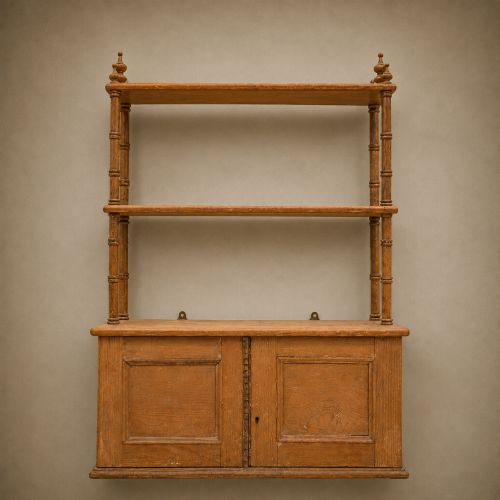
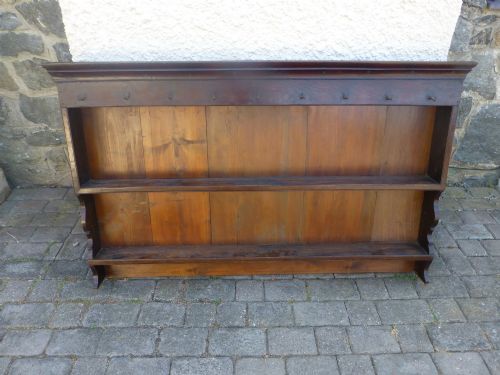
When you search for an antique kitchen shelf, you encounter sturdy wall-mounted plate racks, open display shelves and potboards dating from the eighteenth century through to the Edwardian period. These pieces originate from English, Scottish, Irish, French and regional country houses where practical storage was essential for everyday culinary life.
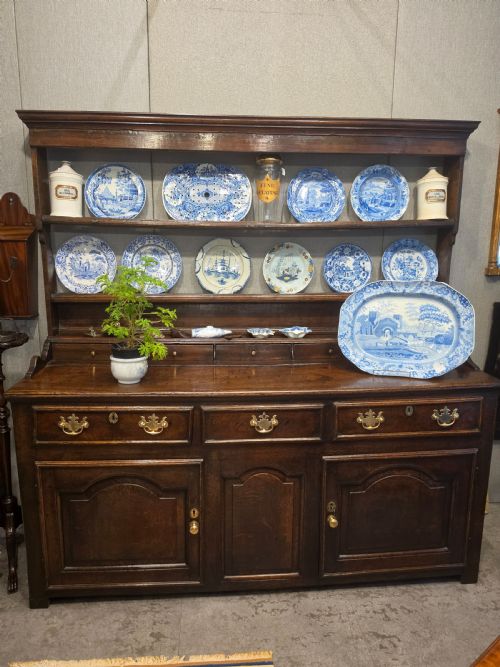
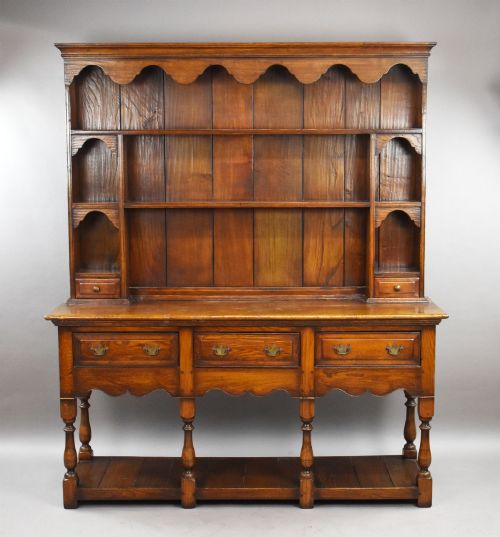
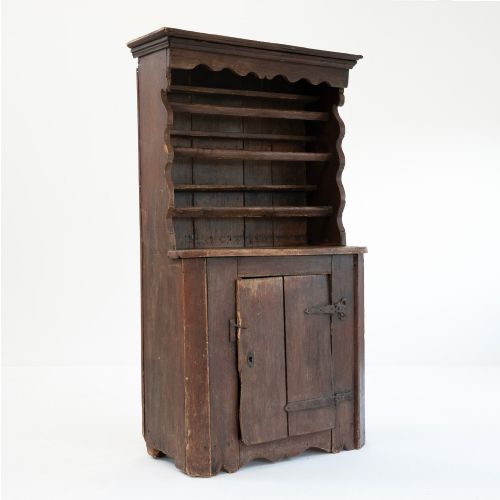
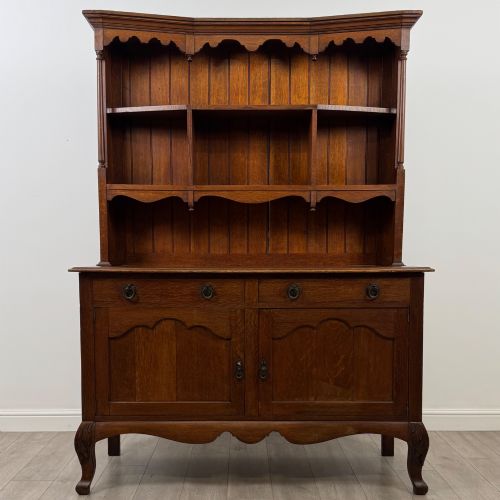
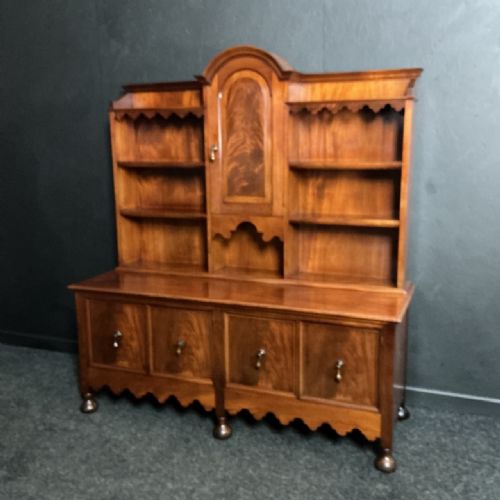
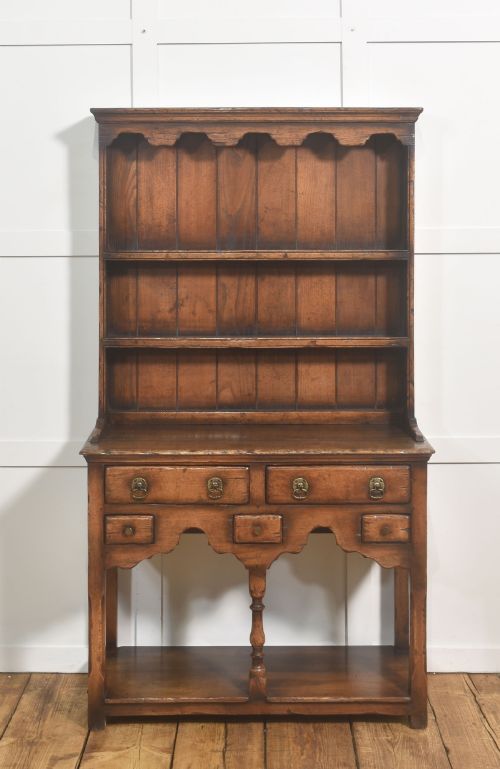
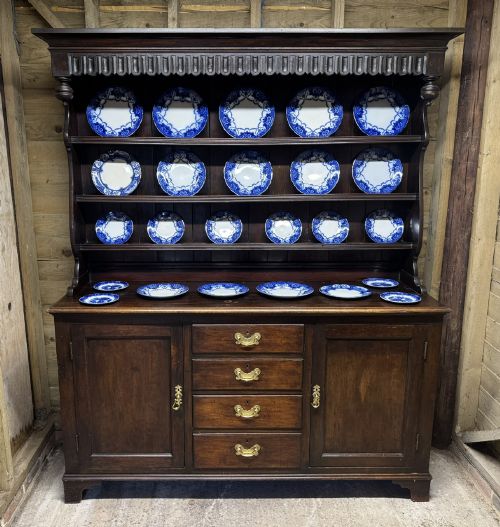
The most frequent examples on this page are pine wall shelves, oak plate racks and rustic dressers featuring open tiers designed to hold delftware and ceramics. They range from simple provincial pine boards to substantial Georgian and Victorian oak structures built to withstand heavy domestic use.
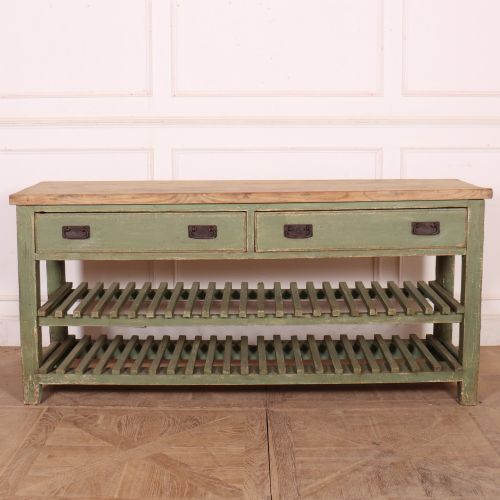
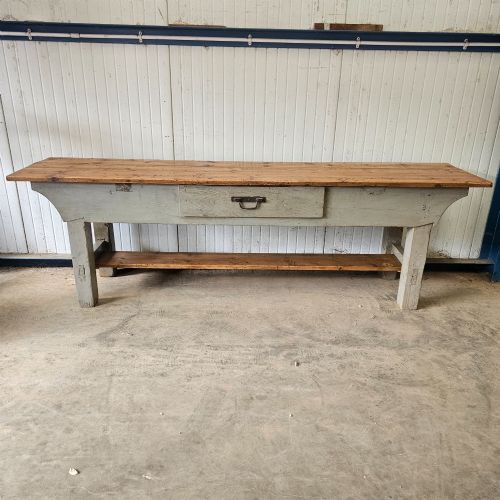
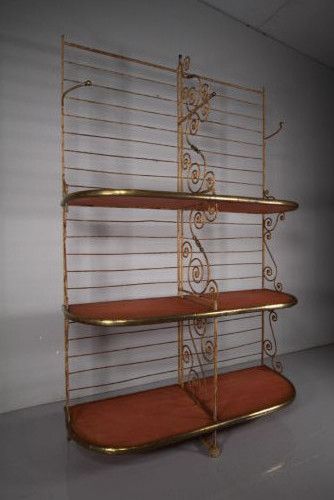
Beyond standalone wall racks, the selection includes related kitchen furniture such as baker's racks in wrought iron, potboard dresser bases and serving tables with integrated lower shelves. Each form reflects the specific needs of past kitchens, prioritising accessible storage over concealed cabinetry.
How they were made
Joiners and country craftsmen relied heavily on native timbers, building the primary carcasses of these shelves in solid oak and pine, occasionally incorporating elm, walnut or mahogany for specific elements. Wood was selected for structural resilience, with boards jointed using traditional methods to support the weight of heavy earthenware and plates.
Metalwork played a crucial structural role in pieces such as bakers' racks and pan stands, utilising wrought iron and steel shaped by hand or stamped by specialist makers. Many wooden examples retain traces of early paint finishes, applied to protect the timber and brighten rural interiors.
Antique Kitchen Shelf Retail Price Guide 2026
Typical asking prices for kitchen shelf among the pieces listed under this phrase on Sellingantiques today, from the lower quarter to the upper quarter. They describe what is for sale here now, not the wider market.
What varies in quality
The distinction between a standard utility piece and a finer example lies in the choice of timber and the sophistication of the joinery. Superior items display well-figured oak or clean pine boards with thoughtful proportions, whereas utilitarian pieces show simpler construction intended strictly for daily service.
Original surfaces and untouched patina elevate a shelf, distinguishing pieces that retain their historic paint or unblemished timber grain from those altered by modern stripping or heavy restoration. The presence of maker stamps or specific regional vernacular details also separates standard vernacular items from notable workshop productions.
Dubois of Lyon
The Antique Kitchen Shelf Glossary
- Plate rack
- A wall-mounted or integrated wooden rack specifically designed with vertical slats or grooves to hold plates upright. This allowed wet crockery to drain and dry efficiently in older kitchens.
- Potboard
- A low slatted shelf fitted beneath the main base of a dresser, historically used for storing heavy pots and pans off the stone floor. It forms a distinct architectural feature on country oak pieces.
- Delft dresser
- A large kitchen furniture form comprising a lower base of drawers or cupboards paired with an upper tier of open shelves for displaying imported tin-glazed earthenware. These served as both storage and the primary decorative showcase in the home.
- Baker's rack
- A tall, freestanding metal and wood shelving unit utilised in commercial or large domestic kitchens for cooling and storing baked goods. Examples often feature robust wrought iron frames.
Antique Kitchen Shelf: Frequently Asked Questions
What is an antique kitchen shelf?
An antique kitchen shelf is a utilitarian wall-mounted rack or open display unit made primarily of oak or pine during the eighteenth, nineteenth or early twentieth centuries. These pieces were designed to hold plates, ceramics and provisions within easy reach of the cook.
They encompass simple wall hanging plate racks, larger delft display shelves and integrated elements of country dressers. Their enduring appeal lies in their sturdy construction and honest, unpretentious domestic function.
How were antique plate racks used?
Historic plate racks served as the main drying and storage system for household ceramics before fitted kitchen cupboards became common. Plates were slotted vertically between wooden spars so water could run off onto scrubbed wooden surfaces below.
Over time, as kitchens evolved, these racks transitioned from purely functional drying apparatuses to decorative display furniture for showcasing prized pottery collections in the home.
How do I date an antique shelf?
Dating these pieces involves examining the timber species, construction joints, tool marks and overall form characteristic of specific periods like the Georgian or Victorian eras. Eighteenth-century examples often exhibit hand-sawn boards and pegged oak joints, while nineteenth-century pieces frequently utilise pine and machine-cut elements.
Stylistic cues, such as the gothic revival influences on Victorian pieces or the clean lines of Edwardian oak, further narrow down the date of manufacture.
How do I live with an antique kitchen shelf?
Living with these pieces involves mounting them securely to a solid wall to safely bear the weight of heavy vintage ceramics or books. Ensure the fixings match the age and weight of the timber structure before loading the shelves.
Maintain the wood by dusting regularly and avoiding excessive moisture, allowing the natural historic patina to enrich your kitchen or dining space over time.