



Antique Kitchen Safe
An antique kitchen safe keeps provisions secure behind screened or pierced doors, offering vernacular utility and honest country character for modern interiors.
Antique Kitchen Safe
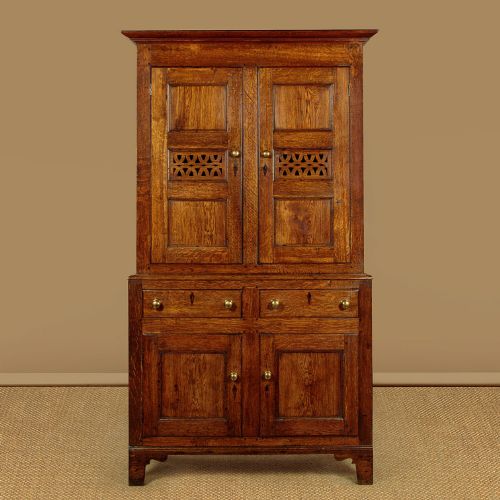
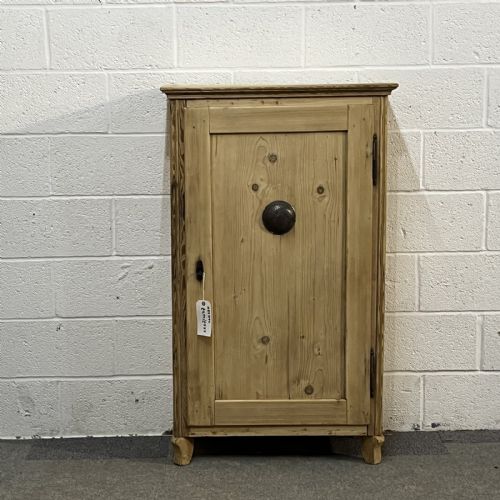
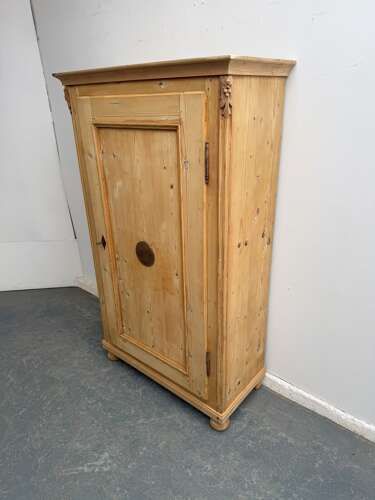
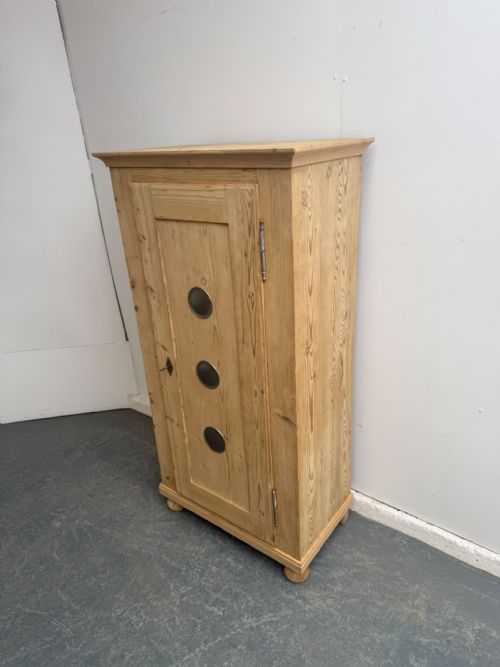
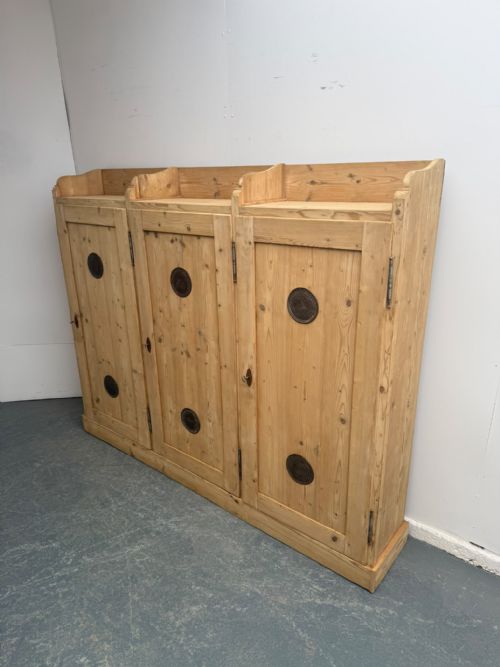
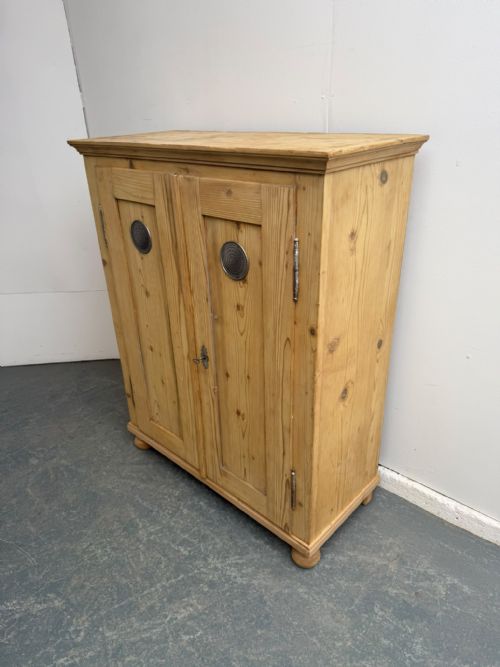
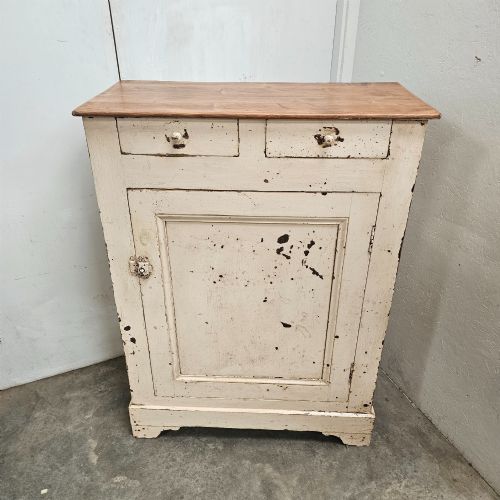
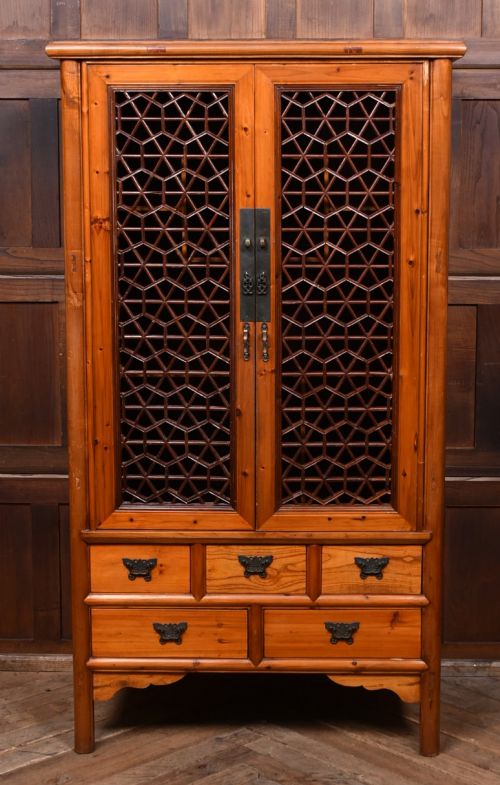
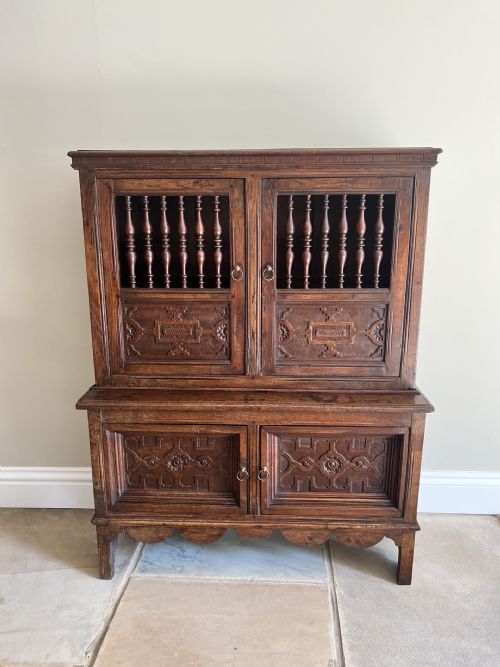
When you search for an antique kitchen safe, you encounter utilitarian storage pieces designed to protect perishables from insects and rodents before modern refrigeration. These functional items appear in various forms, including vented food cupboards, panetieres, bread and cheese cupboards, and tall housekeeper's larder cupboards.
The examples available range widely in geographic origin and regional vernacular style. You find pieces spanning the Georgian, Victorian, and later nineteenth-century periods, constructed primarily in local workshops for domestic service.
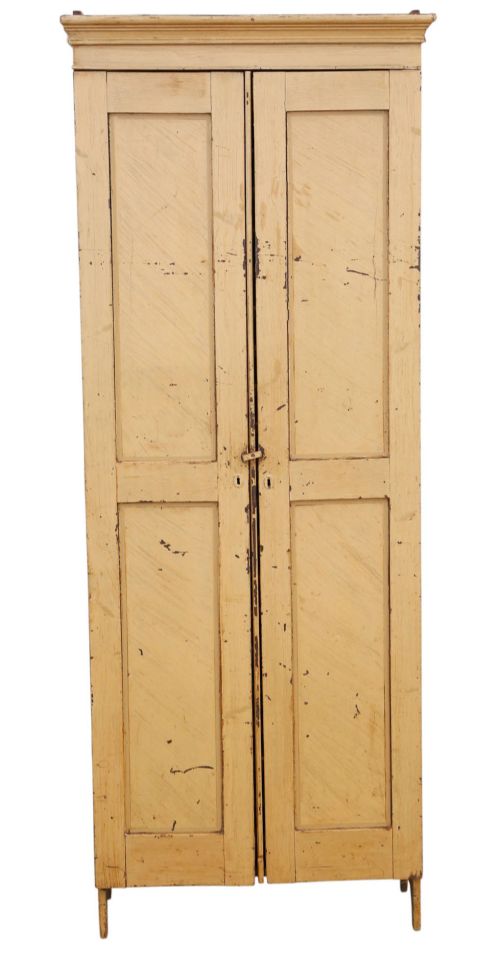
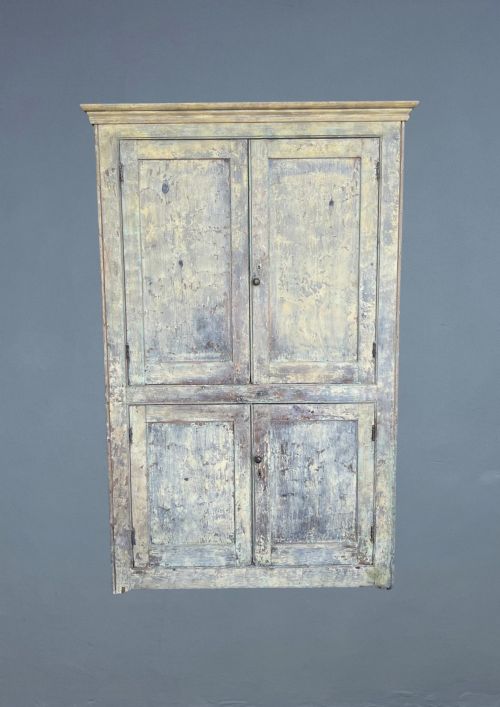
Materials vary from utilitarian softwood and painted pine to denser hardwoods like oak, chestnut, and cedar. Form follows function closely, resulting in tall narrow formats, shallow wall-mounted cupboards, and substantial two-door storage units.
Materials and construction
Construction relies heavily on solid timber, with pine, oak, and chestnut forming the primary carcases and panels. Joinery techniques are traditional and robust, designed to withstand daily domestic use in busy kitchens and pantries.
Ventilation panels utilise iron, metal mesh, or pierced woodwork to allow air circulation while excluding pests. Surface treatments range from natural waxed finishes to historic painted surfaces, milk paint, and later sign-writing.
Antique Kitchen Safe Retail Price Guide 2026
Typical asking prices for kitchen safe among the pieces listed under this phrase on Sellingantiques today, from the lower quarter to the upper quarter. They describe what is for sale here now, not the wider market.
One vintage pine cupboard bears later sign-writing for Hovis Bread, turning a humble food safe into a charming piece of culinary history.
Evaluating quality and character
Quality in these domestic pieces rests on the integrity of the original construction, timber selection, and the survival of period hardware such as brass latches and iron hinges. Untouched surfaces with original or early paint layers command greater interest than heavily stripped or modernly refinished examples.
Proportion and regional vernacular detailing elevate certain pieces above standard utility furniture. Refined proportions in narrow cupboards or sophisticated pierced carving on French panetieres indicate superior craftsmanship within utilitarian traditions.
The Antique Kitchen Safe Glossary
- Panetiere
- A traditional freestanding or wall-mounted food cabinet originating in France, specifically designed to store and air loaves of bread. These pieces often feature distinctive turned spindles or pierced wooden grilles for ventilation.
- Vented cupboard
- A storage piece incorporating wire mesh, perforated zinc, or slatted panels in the doors to promote air circulation around stored foodstuffs. This ventilation prevented mould and kept provisions fresh before mechanical refrigeration.
- Housekeeper's cupboard
- A large, tall storage unit traditionally used in substantial country houses to store linens, dry goods, and provisions under the care of the head housekeeper. They frequently combine deep cupboards with banks of drawers.
- Vernacular furniture
- Domestic and agricultural items built by local craftsmen using regional styles and readily available native timbers rather than following strict high-fashion design canons. This approach results in honest, practical construction.
- Confiturier
- A small French provincial cupboard originally built to store pots of preserved meats or confit. These compact cabinets typically feature a single door above a small drawer.
Antique Kitchen Safe: Frequently Asked Questions
What is an antique kitchen safe?
An antique kitchen safe is a piece of vernacular furniture built to store and protect food from pests before the widespread use of domestic refrigerators. They rely on perforated metal or wooden lattice panels to provide necessary ventilation for perishables.
These pieces served functional roles in domestic pantries, sculleries, and farmhouses. Today, collectors value them for their honest craftsmanship and rustic aesthetic in modern kitchens.
How were kitchen safes ventilated?
Makers used wire mesh, perforated tin, or turned wooden spindles inset into the cupboard doors to allow air to circulate freely. This airflow prevented dampness and spoilage in dry goods and bread.
The choice of ventilation material often reflects the regional origin of the piece, such as French panetieres featuring delicate turned spindles.
Where were these cupboards used?
These cupboards stood in farmhouses, country cottages, and large country house larders where food preparation and storage took place daily. Their robust construction suited the demanding environment of a working kitchen.
Their domestic utility explains the frequent use of durable native timbers like pine and oak, often finished with simple wax or practical paint.
How do I care for painted pine?
Maintain painted pine surfaces by dusting gently with a dry cloth and avoiding harsh chemical cleaners that can damage historic finishes. Keep the furniture away from direct heat sources and extreme humidity fluctuations to prevent wood movement.
Waxed pine surfaces benefit from occasional application of natural beeswax to nourish the timber and preserve the historic patina.