


Antique Kitchen Rack
An antique kitchen rack brings centuries of domestic utility to a wall, offering open display for ceramics or hanging storage for culinary gear.
Antique Kitchen Rack
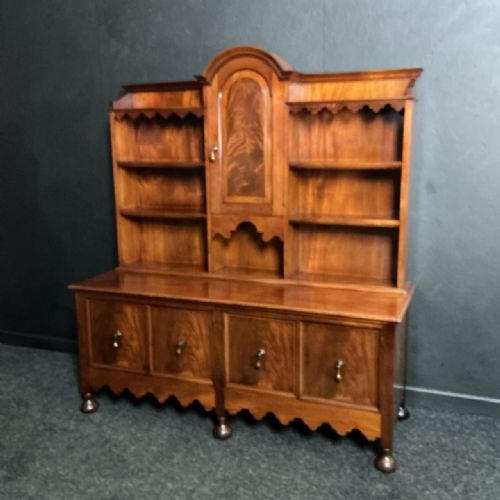
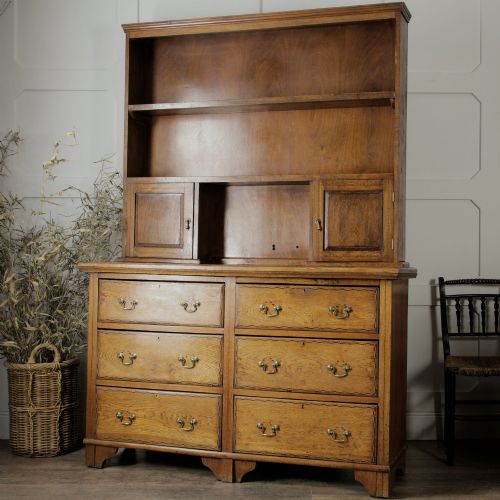
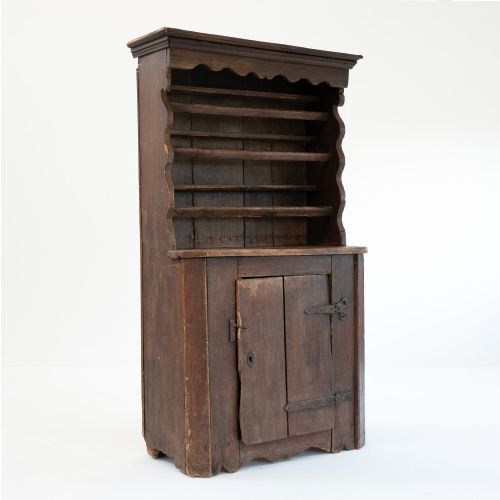
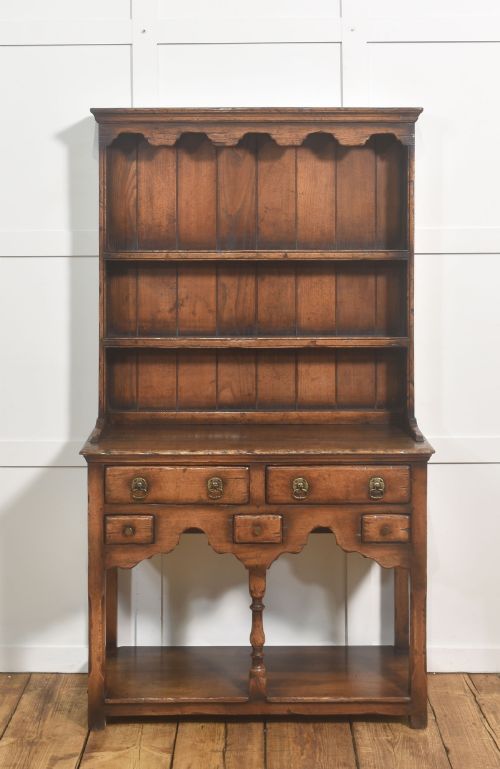
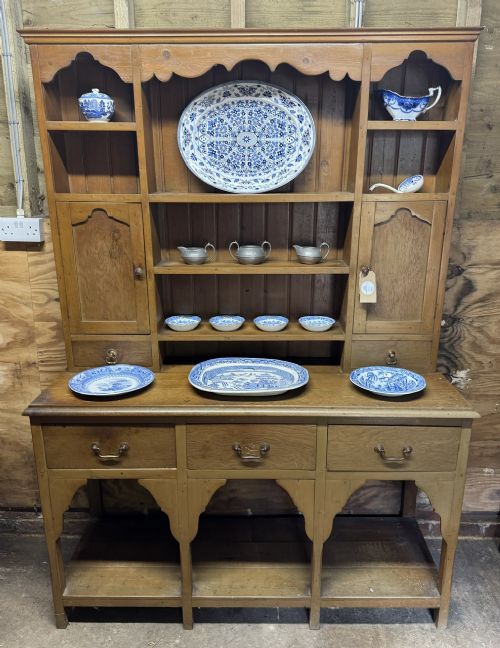
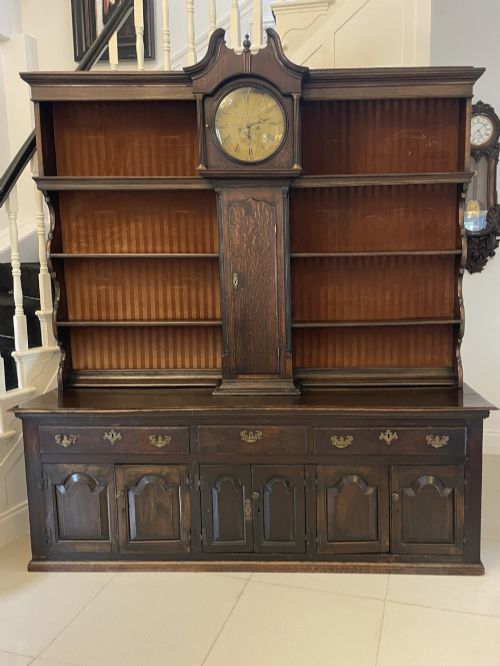
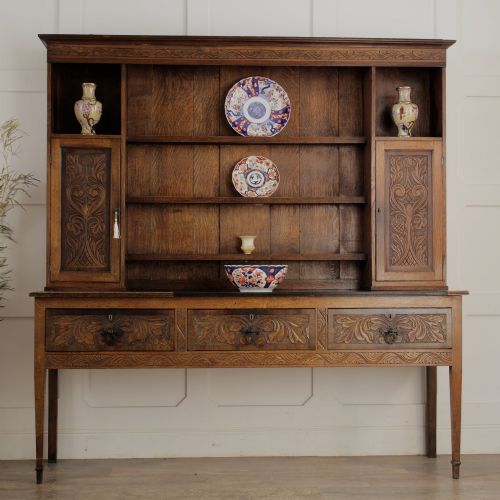
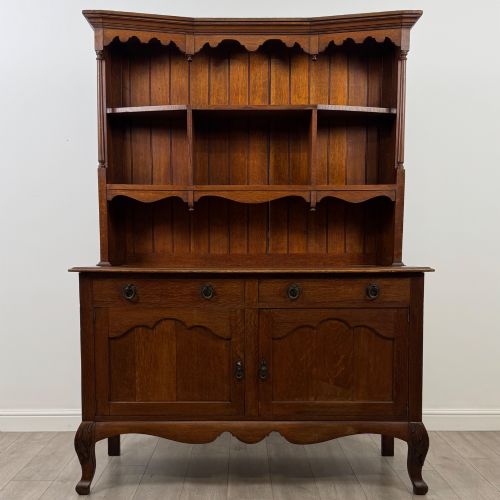
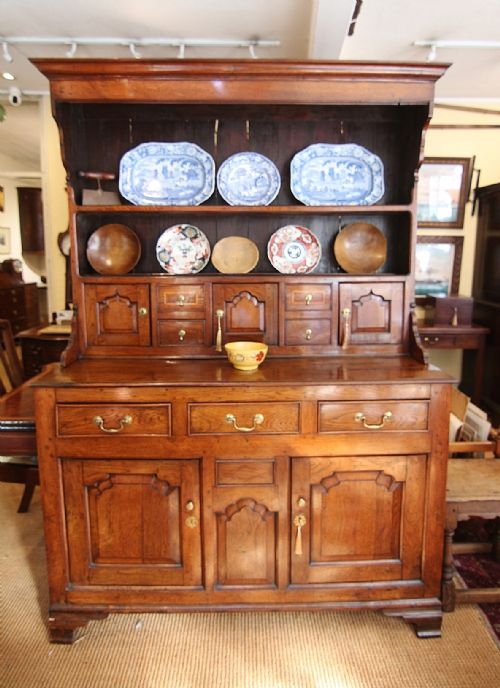
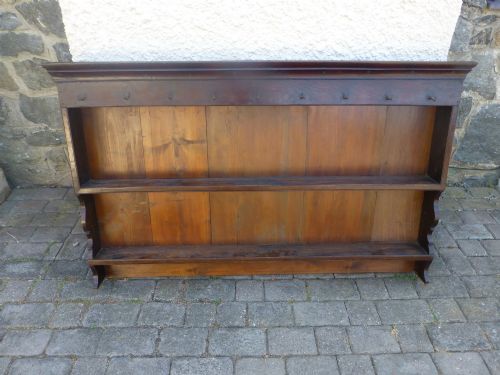
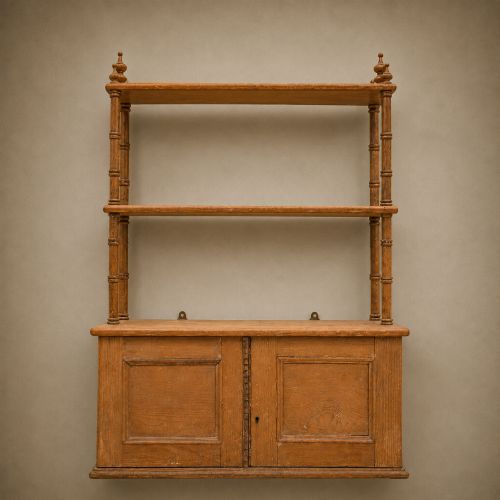
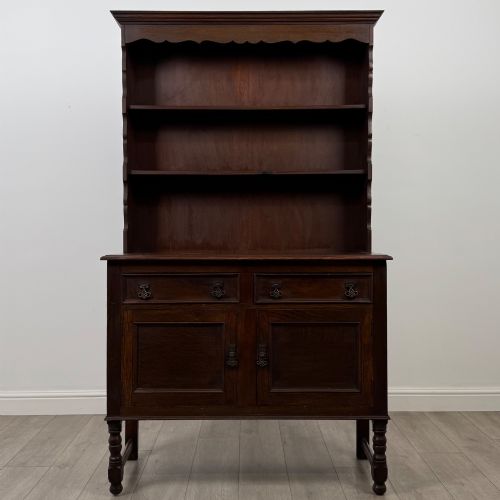
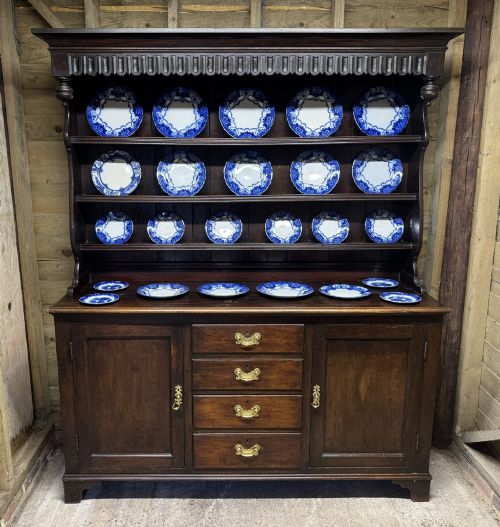
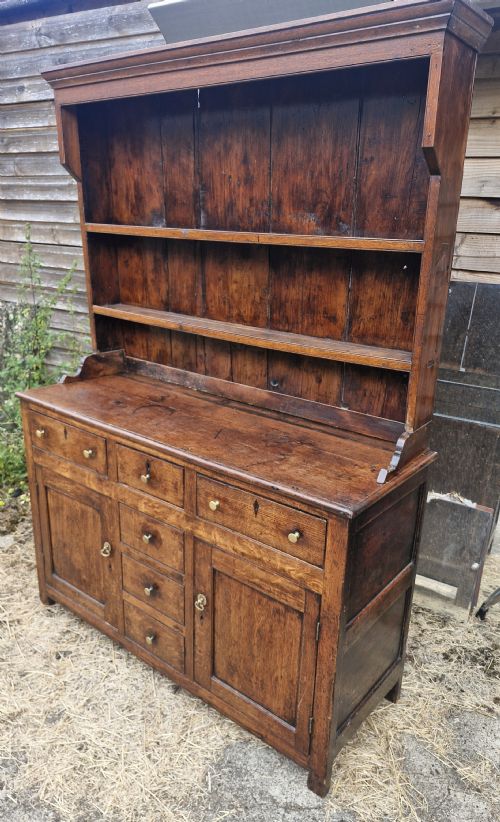
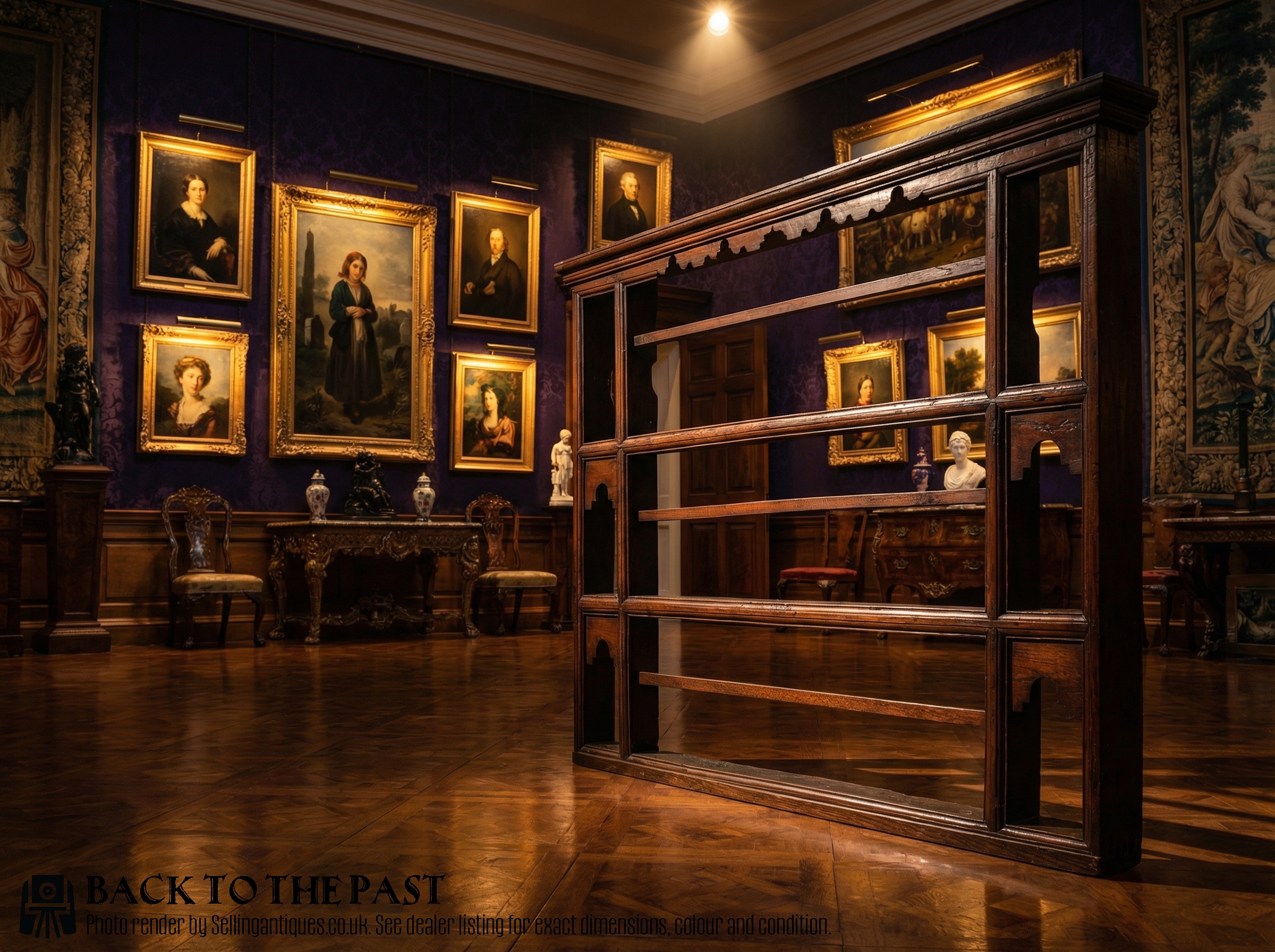
An antique kitchen rack takes several forms across the periods, appearing as wall-mounted plate displays, hanging ceiling frames, or the upper tiers integrated into large Welsh dressers. The versions most commonly met on this page are oak and pine plate racks originating from Georgian and Victorian country houses.
These pieces served daily culinary life in utilitarian spaces, holding earthenware, pewter, and kitchen provisions within reach of the hearth. Regional variations such as Snowdonia and Llanrwst formats indicate local cabinet-making traditions that shaped timber storage across Britain.
Materials and Construction
Makers relied on native timbers such as solid oak and pine, supplemented by wrought iron and brass for structural hooks, pot rails, and hanging brackets. Joinery methods combined pegged mortise and tenon frames with simple tongue and groove boarding suited to domestic duty.
Surfaces bear the marks of manual planing and long exposure to wax or oil, retaining original patinas developed through generations of kitchen use. Painted finishes appear on specific regional examples, applied over softwood boards with early pigments.
Game hook racks once held freshly hunted pheasant and hares right beside the kitchen hearth.
Distinctions in Quality
Excellence in these domestic pieces lies in the integrity of the timber selection and the retention of uncorrupted surfaces. Superior examples display thoughtful proportions, integrated spice drawers, and original brass or iron hardware rather than replaced fixings.
Construction depth dictates utility, where heavier mouldings and robust plate-retainer bars separate bespoke regional pieces from mass-produced utility shelving. The survival of original backboards and unaltered hanging points marks the difference between a pristine survivor and a heavily adapted hybrid.
Dubois of Lyon
The Antique Kitchen Rack Glossary
- Delft rack
- A wall-mounted wooden shelf specifically designed with narrow ledges and front guard rails to display tin-glazed earthenware plates upright.
- Potboard
- The lower open shelf situated near the floor on traditional dressers, originally intended for heavy copper and iron cookware.
- Patina
- The surface sheen and darkening developed on timber over decades of handling, polishing, and exposure to kitchen environments.
- Vernacular
- Furniture built by local country joiners using regional traditions and native woods rather than following metropolitan stylistic decrees.
Antique Kitchen Rack: Frequently Asked Questions
How do I hang a heavy wooden rack safely?
Wall-mounted racks require direct fixing into masonry or structural wall studs using appropriate steel brackets due to the considerable weight of hardwood and stacked ceramics.
Distributing the load across multiple fixing points prevents torsion in antique pine or oak frames over time.
What is the difference between a plate rack and a dresser?
A plate rack is a dedicated wall-hanging shelving unit meant solely for vertical display, whereas a dresser combines this upper tier with a base cabinet or potboard.
Many listings separate the hanging display component from the lower storage furniture depending on how they survived.
How should I clean antique kitchen pine?
Maintain timber surfaces using traditional beeswax applied sparingly with a soft cloth to nourish dry grain without stripping historical patina.
Avoid modern water-based detergents that raise the grain and remove the accumulated character of centuries of domestic use.
Can these racks hold modern heavy dinnerware?
Most antique display ledges accommodate standard modern plates, though very deep or thick contemporary stoneware may exceed older groove depths.
Checking the clearance of the wooden guard rail against the rim width of modern ceramics ensures a secure fit.