

Antique Kitchen Furniture
These pieces of antique kitchen furniture bring domestic history into daily use through sturdy tables, dressers, and chairs.
Antique Kitchen Furniture
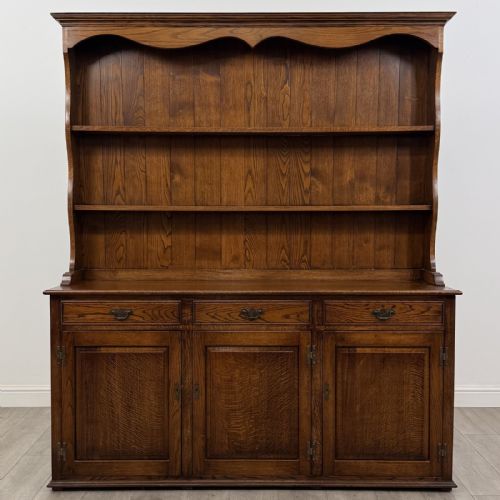
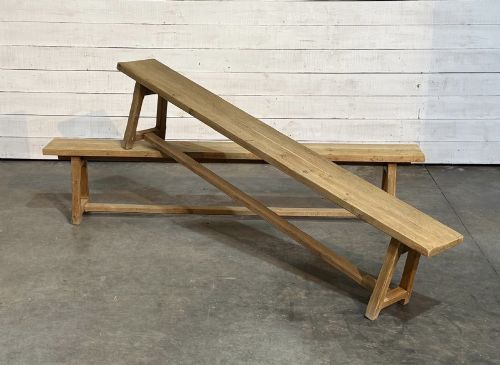
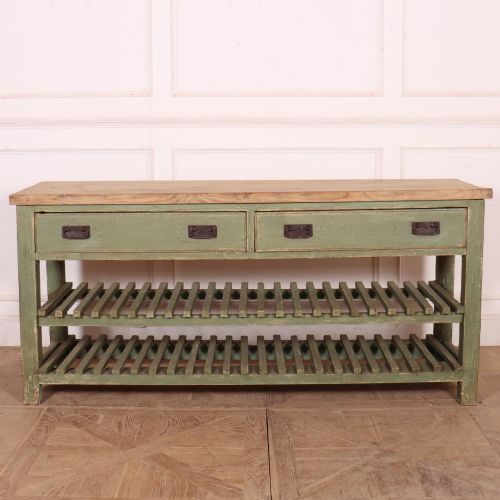
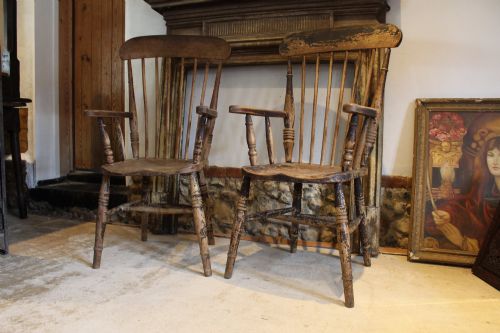
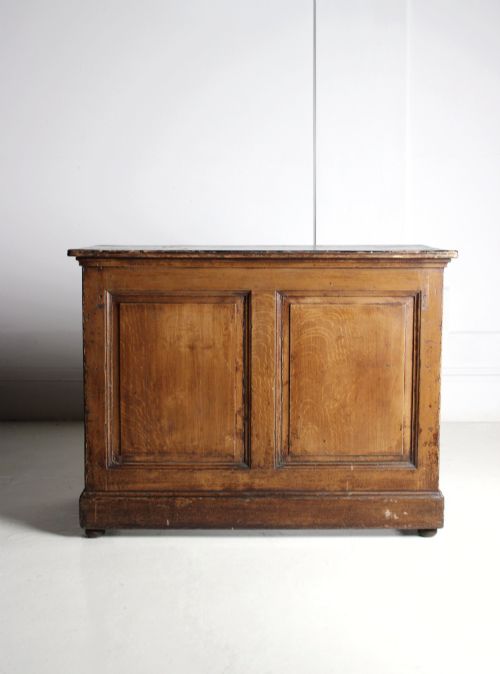
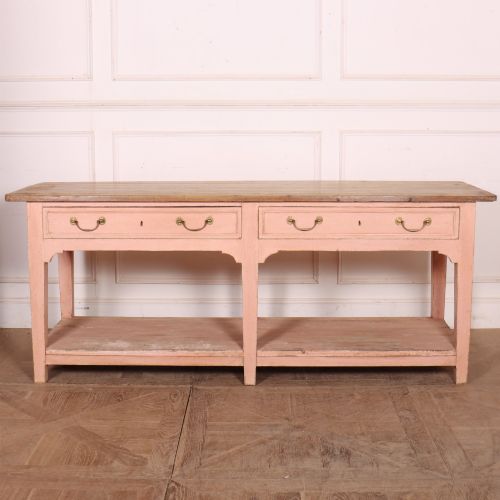
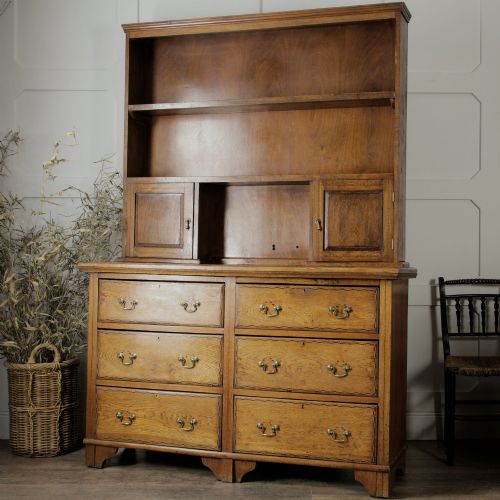
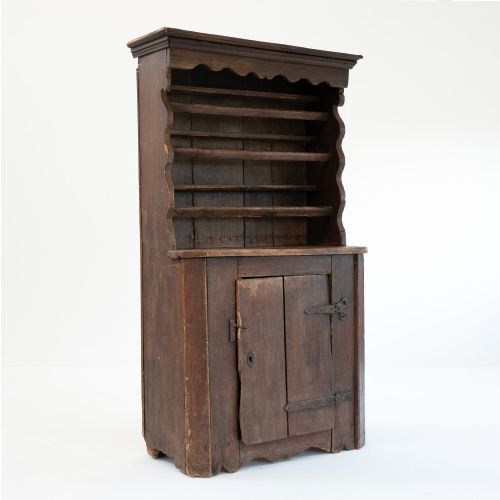
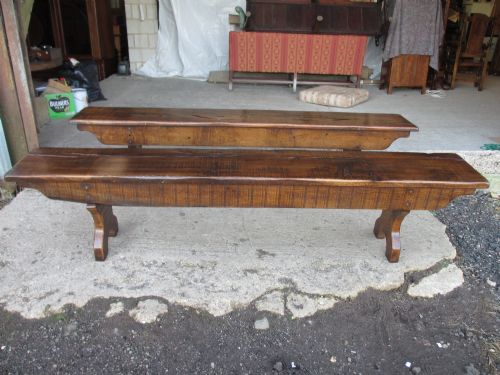
Antique kitchen furniture encompasses the heavy-duty timbers and utilitarian forms built for daily domestic labour in past centuries. Buyers searching for antique kitchen furniture typically encounter practical storage and seating, from Welsh dressers and dresser bases to refectory tables and spindle back chairs.
The pieces appearing most frequently range from the eighteenth century through to the Edwardian period, heavily rooted in English, Welsh, French, and Scottish country styles. Form follows function directly, yielding sturdy work tables, wall shelves, plate racks, and larder cupboards designed for hard use.
Regional variations remain distinct, particularly among oak dressers originating from Welsh valleys and pine pieces built for modest farmhouses. Each surviving item reflects the specific culinary habits and domestic economy of its original household.
Materials and construction methods
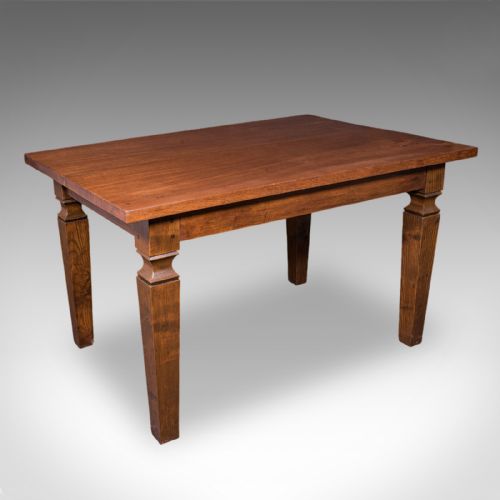
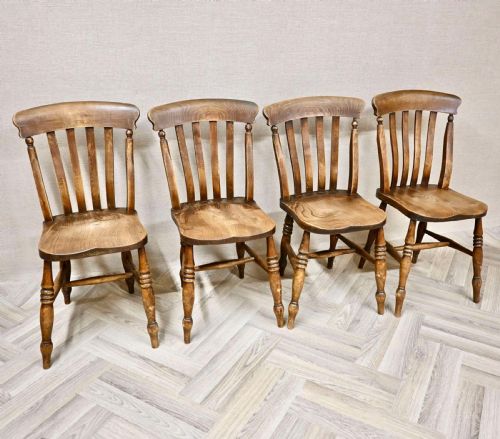
Makers relied primarily on native hardwoods and softwoods such as oak, pine, elm, ash, and beech, selecting each timber for its resilience against daily wear. Tables often utilise single plank tops or draw-leaf mechanisms, while seating employs turned spindles and steam-bent components like those found in Windsor chairs.
Surface treatments range from waxed or bleached finishes to original layers of paint, showing the practical maintenance applied by generations of users. Iron and brass hardware provide functional reinforcement on hinges, latches, and baker's racks.
Joinery techniques prioritize structural endurance over delicate ornamentation, utilising pegged mortise and tenon joints to withstand heavy daily handling in busy domestic spaces.
The listings span periods from the 17th century to the Edwardian era, featuring oak, pine, elm, and ash across English, Welsh, and French styles.
Distinctions in quality
Quality rests upon the integrity of the original construction and the preservation of honest surface patination accumulated through decades of use. Pieces that retain their original boards, uncompromised drawer linings, and minimal structural replacement command greater respect.
Proportion and domestic scale dictate the desirability of items like dresser bases and refectory tables, where balanced proportions indicate careful workshop design rather than hasty utility work. The depth of the timber's grain and the tactile warmth of a waxed finish reveal the underlying grade of the material.
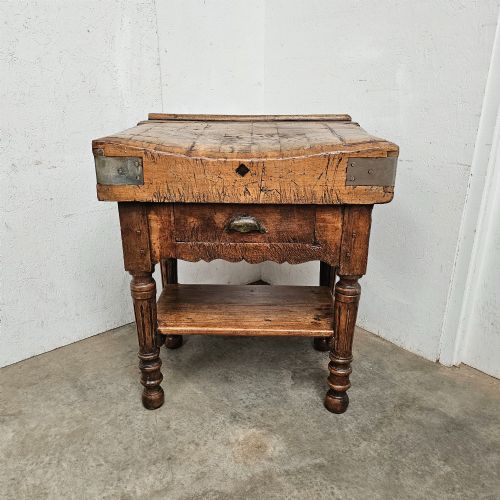
Dubois of Lyon
The Antique Kitchen Furniture Glossary
- Dresser base
- The lower section of a kitchen dresser featuring drawers and cupboards, often built without the upper plate rack.
- Potboard
- An open lower shelf fitted between the legs of a dresser base, traditionally used for storing pots and pans.
- Refectory table
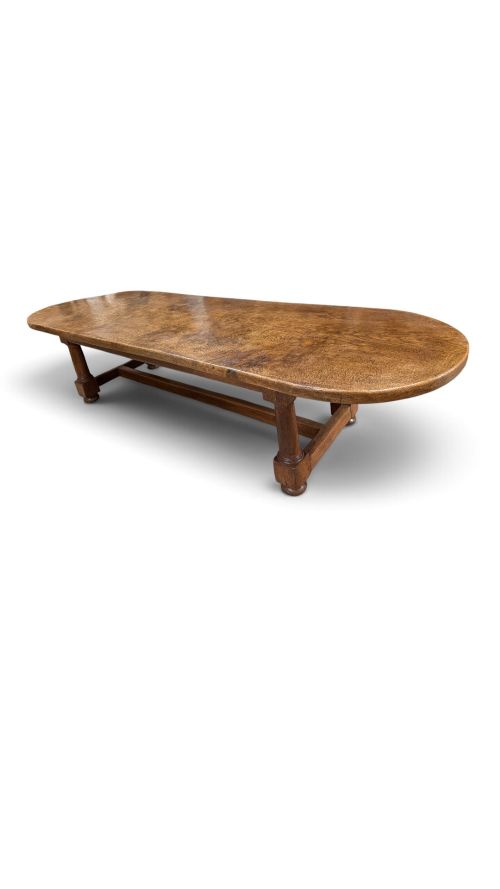
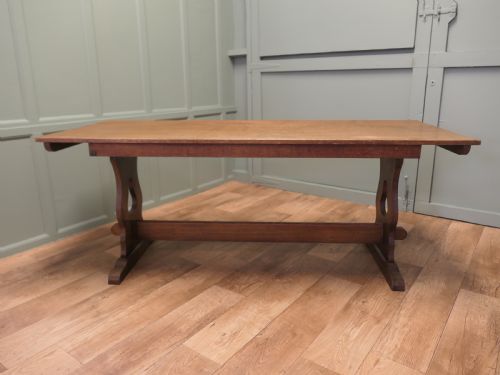
- A long, narrow dining table originally designed for communal dining, constructed with heavy legs connected by stretchers.
- Plate rack
- A wall-mounted or freestanding wooden frame fitted with vertical slats or grooves to display and drain plates.
- Windsor chair
- A wooden chair built with a solid saddle-seat into which the legs and back spindles are separately bored and wedged.
Antique Kitchen Furniture: Frequently Asked Questions
What defines antique kitchen furniture?
These items comprise utilitarian tables, dressers, cupboards, and seating built from solid woods like oak, pine, and elm for daily domestic service. They date from the seventeenth century through to the early twentieth century.
Unlike formal parlour furniture, these pieces prioritize rugged utility, honest construction, and functional storage over decorative excess.
How were Welsh dressers used?
Welsh dressers served as the central storage and display unit in historic kitchens, combining lower cupboards for heavy cookware with upper open shelves for ceramic plates. The potboard beneath provided accessible storage for everyday pots.
They functioned as both pantry storage and a focal point for displaying the household's best earthenware.
How do I care for antique pine?
Antique pine benefits from regular cleaning with a soft, dry cloth and occasional application of traditional beeswax to nourish the dry timber. Avoid placing these pieces near direct heat sources or moisture.
Gentle maintenance preserves the waxed surface patination built up over generations of domestic use.
How do I distinguish regional styles?
Regional differences appear in the choice of timber and local vernacular design, such as distinctive Welsh dresser cornices or Scottish potboard bases. English country pieces often utilise local oak and ash, while French provincial examples favour fruitwoods and beech.
Examining the construction methods and local wood species helps identify where a piece was built.